In his state of the nation speech, President Vladimir Putin announced the launch of the national project “Time of Heroes” for veterans and current participants of the special operation by Russian troops in Ukraine.
Photo: Pixabay courtesy of Rabota.ru
Servicemen with university degrees, managerial experience, and no criminal records can apply to the personnel program. The head of state called such people the country’s “true elite” and argued that they should “lead regions, enterprises, and the largest public projects.”
The program will kick off on March 1. Veterans will be trained per the standards of the School of Governors and the Leaders of Russia competition, and ministers and heads of enterprises will act as their mentors.
Currently, all participants of the special military operation also enjoy priority hiring, and their employers also receive benefits.
Crimean Solidarity journalist and activists arrested, their families terrorized, in new Russian offensive against Crimean Tatars (Kharkiv Human Rights Protection Group, March 6th)
Ominous denials a month after Crimean Tatar father abducted by Russian FSB (Kharkiv Human Rights Protection Group, March 6th)
Reshat Ametov and 10 years of Russia’s systematic torture, abductions and killings of civilians for supporting Ukraine (Kharkiv Human Rights Protection Group, March 4th)
Russia passes huge conveyor belt sentences against Ukrainians tortured for propaganda videos (Kharkiv Human Rights Protection Group, March 4th)
All’s fair in art and war: Russia’s plunder of Ukrainian museums (The Insider, February 29th)
I never met Alexei Navalny, although we have (or had) a number of mutual friends, as you’d expect. And while his death was not a surprise — this regime had tried to kill him before, but he survived, literally miraculously — it was still a shock when news of it came yesterday morning.
You may have heard AN referred to as “Russia’s Nelson Mandela.” Commentators here have also been invoking Martin Luther King and several other Americans (on a list to which I would add RFK) in an effort to give U.S. listeners/readers a sense of how this loss may affect several generations of Russians.
What those comparisons cannot convey is how much the shock and loss register on a personal level. I am sure that millions of Russians today feel as though they’ve lost a family member — for some immediate, for others more distant — but in any case a relative, someone who was “one of ours” …and who they can’t quite believe is really gone, never to show up again at their homes, at a peace rally or in some live link on their laptops/phones/etc. And doubtless many Russianists abroad, like me, are experiencing a version of that same feeling: an almost palpable sense of personal loss.
Over recent years I have described AN more than once as the only person who, if the nation proved very lucky, might just be able to bring the place to its senses following the prolonged and self-inflicted disaster that has defined Russia in the first quarter-century of the new millennium. But here we are: the nation has not been very lucky (it seldom is), and all of us — Russians, Russianists and the rest of the world — can only mourn the passing of a genuine Russian праведник (PRA-ved-neek; a righteous man) and regret that the country has missed the slim yet credible “Navalny chance” that he represented.
I am discouraged about the near-term future — meaning the country’s prospects overall as well as my own chances of returning to Moscow and our little family there (both wife and grandson continue OK, thanks) as long as the current President for Life remains either above ground or unincarcerated. But I am also trying to stay focused on AN’s injunction, which figures near the end of last year’s Oscar-winning Navalny documentary and is now being cited widely in various media. It goes, in paraphrase, “If they do kill me, it will be a sign of weakness, not strength. So don’t despair — that’s not allowed! — and keep up the good fight.”
AN’s daughter Dasha is, as you may know, an undergrad at Stanford. Somehow this picture cheers me up a little today.
Source: Mark Teeter, email newsletter to family and friends, 17 February 2024. Thanks to Mark for his kind permission to reproduce it here. Mark is not only a proud alumnus of Stanford University, but he also played a role in welcoming me to Russia for the first time, in 1994. He describes my own feelings about Navalny’s death to a tee. ||| TRR
ALEXEI NAVALNY (1976-2024): Покойся с миром / R.I.P.
Our team is thrilled to present an incredible interview featuring Yana, a 28-year-old Ukrainian volunteer who has recently returned from Avdiivka. It’s a highly illustrative story showcasing how people, specifically young Ukrainian women, continue to support Ukrainian troops on the most dangerous frontlines. If you’re curious about what’s happening in Avdiivka and wish to hear a firsthand account from a location typically closed off to journalists and the general public, look no further. We found her answers insightful, so don’t miss out!
FI (Frontelligence Insight): Hello! Could you please provide a brief introduction and tell us more about yourself?
Y (Yana): My name is Yana, and I am 28 years old. Before the full-scale invasion, I worked in the construction industry as a manager of construction projects. I dedicated a lot of time to learning English and took additional courses in ArchiCAD and LIRA-SAPR. A significant part of my free time and, in general, my life, was devoted to studying and improving my knowledge in the field of design. However, after February 24, everything changed. All construction projects that were planned for 2022-23 were canceled and frozen. Currently, I am busy in the field related to my economics education.
FI: How and when did the war start for you?
Y: The war began for me in 2014. It was a very challenging period during which I experienced depression. I constantly felt unwell both physically and morally. Of course, this affected the learning process, at times impacting my performance, interaction, and communication with people. I worked with a psychologist. It was a huge blow for me to realize that, 1000 km away from where I was living, studying, and currently residing, the most terrible thing was happening – war. It was surreal for me that while I was performing mundane actions, someone was dying, someone was getting injured, homes were destroyed. It was shocking to see that despite these events, people could calmly attend classes, go to work, cafes, and clubs.
A part of what I loved was forever lost in 2014. It tore me apart to think that while I was attending an accounting class, there were ongoing military actions in the Donbas region. It was also challenging because many people said, “They themselves called for the Russian world,” “They wanted Putin,” “It’s because of them that there’s a war.” These were people who never knew the history of Eastern Ukraine and never understood it.
FI: When and why did you decide to become a volunteer?(In Ukraine, the term “volunteer” refers to individuals engaged in providing military and humanitarian aid to both military personnel and civilians. These volunteers contribute by fundraising, purchasing, and delivering essential goods to military units and civilians on the frontlines.)
Y: It seems that, like many others, it all started for me with weaving camouflage nets. Yes, there were requests for them, and we were told how important it was and how it helps our defenders. It was enough for me as a second-year student at that time. But, as I shared earlier, I found these events deeply painful, and I wanted to do more. I spent my entire scholarship on supporting the Armed Forces of Ukraine (ZSU). It wasn’t about large-scale fundraising; I didn’t inquire about who was buying what and why. We had local volunteers and civic organizations in Chernivtsi (which are still active), and I financially supported them. It was important to me. At that time, intense battles were taking place in Donetsk Airport (DAP), Debaltseve, Ilovaisk, and so on. It was heart-wrenching, and I felt the need to be somehow involved in providing assistance.
Later, my mother and I started preparing homemade treats, and I delivered them to the military hospitals in our city. Every Tuesday, I would enter a random ward to visit the soldiers. There was a period when I consistently donated and supported the army without hesitation. Again, my mother always assisted me—whether it was making Easter bread for the soldiers or baking Christmas cookies to send to the front lines.
When the full-scale invasion began, on February 25th, my father and I filled our car with essential items and headed to the Territorial Defense headquarters in our city. We collected items for units that were being prepared and sent to the East. We were also helping civilians – by evacuating people from Donetsk, Luhansk, Kharkiv, Kyiv oblast, and evacuating animals, transferring them to Europe. Only when I completed my second higher education in May 2022 did we start going on humanitarian missions directly to the frontlines.
FI: What is the essence of volunteering and who are volunteers?
Y: The essence of volunteering is perhaps in selfless work, in ongoing activities aimed not at gaining profit or any other additional benefits. Volunteering is, above all, the opportunity to influence environment, to initiate one’s own projects, and to change the country. When people become volunteers, they not only get a chance to express themselves, get new knowledge and skills, but also strive to make the lives of others better.
I believe that each person who calls themselves a “volunteer” has their own motives that prompted them to engage in this activity. For me, it is primarily patriotism and the fact that my country is at war. Parts of our land are immersed in pain, suffering, and blood. And then, it is about fulfilling the needs of the less fortunate, gaining new experience in working with people, organizing, and conducting various social projects.
Currently, the activities of the majority of volunteers and volunteer organizations in Ukraine are focused on helping the military, supporting refugees, and assisting people affected by the war. Because this is our own, our homeland, and I simply cannot comprehend or accept how one can be indifferent to this movement in such challenging times.
FI: You’ve been to many cities and villages that were destroyed by Russian forces. What impressed you the most during your volunteer trips?
Y: Oh, here one could talk for days and nights because for almost 2 years of trips to the front and near-front cities and villages, there were many different situations and moments when I could cry and scream from pain and despair, when we laughed, probably hysterical laughter, when we said goodbye to life dozens of times and rejoiced because an important evacuation had succeeded, and when we scolded ourselves for arriving late.
I approach each of our trips calmly. For me, it’s like going to work, with one important nuance. I perceive it as work because I go to various locations to work with civilians and the military, to help them.
This time, I’ll share just one incident from our recent trip. We were working specifically along the Mariinka direction, and we entered the village of Maksymilianivka, just 5 km from Mariinka, or more precisely, the stones and ruins left of it. Before the war, 3000 people lived there; now, there are probably around 100. Maybe more, maybe less – it’s hard to count accurately because it’s constantly under shelling, and people hide in their homes, rarely coming out. In Maksymilianivka, they don’t allow entry without an escort; everyone is checked at the checkpoint. And it was the last day of our trip: we traveled to Avdiivka and its surroundings, Bakhmut direction, Vuhledar direction – everywhere destruction, grief, no communication, and here we enter a house in Maksymilianivka, and there’s light. It so impressed me, and I said to my colleague, “Wow, there’s light here, it’s a real miracle!” In the midst of terrible devastation in the village, constant shelling, lack of communication, and internet just 5 km from the front line, we saw light in a house. The thing is, electricians stay there, and despite the constant threat of artillery, MLRS shelling, and Orlan drones, these people work until the last moment and provide light to the people who stay in the village. Our people will probably never cease to amaze me.
FI: Let’s talk about the painful – Avdiivka. Tell me about your personal impressions from the recent visits.
Y: Avdiivka is my personal pain and a wound that has probably been with me all my life. Working and helping in Avdiivka – I mean both the military and civilians – is like living another life. Perhaps, after the war, I will write a book about it because so much has been experienced there. A lot of things that I cannot always talk about, and things that need to be told and shown to those who come after us, so that these things and stories are not forgotten.
I remember Avdiivka differently, in every season, and, of course, it hurts every time… as if for the first time when, instead of a city, I see piles of rubble and construction debris, and on the way to the city, instead of the outlines of a giant industry, I see clouds of black-black smoke from the next shelling…
I’m not saying it for the last time because I know that we will still work in the Avdiivka direction – and the last time I was there on my birthday.
On November 18, we woke up at 4 in the morning to load humanitarian aid for civilians and equipment for the military, so that by 6:00, a maximum at 6:30 AM, we would already be in the city. Avdiivka now is 22 km of a constantly shelled road. There are sections where enemy UAVs are actively working, so, as we say, we need to “skip” quickly. We entered without headlights, quickly, with open windows in the car to hear enemy UAVs.
The landscape in Avdiivka changes every night. Dozens of air strikes per day turn the city into complete ruins. There are fewer and fewer places for shelter, constant “KABs” (Guided Aerial Bombs), the scariest thing imaginable, when a building collapses like a house of cards before your eyes – I’ve seen that only in apocalyptic movies.
If you work with civilians: humanitarian aid and evacuation – everything needs to be done in the morning and very quickly. After the morning, the Russians fly with Orlans (recon UAV); they observe, and determine where there are groups of people (3 or more), from which building smoke is coming from a home stove, and KABs target it. Just damned scum waging war on absolutely unarmed and defenseless people.
It’s very hard for me when through the window of a burned, black building with broken windows, I see remnants of life – a small intact chandelier that will never shine again, winter clothes on the shelves that no one will ever wear, and neatly arranged books.
But every damn time we enter this city, and at the entrance, Ukrainian flags greet us, it adds strength and motivation to move forward. I want everyone, both here and around the world, to realize the price we pay to see these blue-yellow flags in Avdiivka, and what irreparable losses we suffer. When I see our tired, exhausted soldiers who clearly say, “It’s hard, but we’re fighting,” I understand that we have no right to get tired and stop. I’m ready to sacrifice my health, but I will be sure that I did everything to protect and help the bravest people in our country and our city, Avdiivka.
FI: In your opinion, why is Avdiivka so important for the Russians?
Y: Avdiivka, like a bone in the throat of our enemies, has remained an impregnable fortress. Unfortunately, this fortress is now forced to defend itself. As they say now, “capturing Avdiivka is purely a political goal” for these damn Russians and Putin in particular. They need victories. But a victory over what? Over peaceful people who have been deprived of their homes or because they destroyed the entire city?!
Avdiivka is the gateway to Donetsk. From there, the Armed Forces of Ukraine have the opportunity to control the presence of the enemy in the oblast center, even by preventing them from moving certain vehicles and ammunition around the city. So, of course, they want to push the front line away from Donetsk. Another point, Avdiivka is probably the only defensive area that the Ukrainian Armed Forces have not lost from 2014 to 2022. That is, during the time when there were large and difficult battles for Soledar, Bakhmut, Lysychansk, Severodonetsk, etc., their advances in Avdiivka were insignificant. Only the surrounding settlements from Avdiivka were lost to the Russians, and that was very long and very difficult for them. And another logistical component. I believe and will always believe that Avdiivka is a symbol of resistance. Probably even the Russians understand this, and that’s why they are pushing so hard in this direction. You have to look at the map and understand that Avdiivka is precisely that outpost that, from 2015 to the present, has practically not moved forward or backward. It’s a strong defensive zone that has been fortified.
FI: Do you agree with the opinion that when the Russians cannot quickly surround a city, they systematically destroy it?
Y: Yes, I often think about it… Bakhmut, Popasna, Rubizhne, Severodonetsk, Lysychansk, Svatove, Kremenna, Mariinka, Vuhledar, Mariupol, Avdiivka, Krasnohorivka, Siversk, Soledar, and so on… and these are just the territories of Donetsk and Luhansk that Russia has destroyed, erased below the foundations. Once peaceful, flourishing, industrial or not, these cities may never be rebuilt. And how many villages? It’s impossible to count. Millions of destroyed homes and millions of shattered human lives.
And when they write in their damn publics about the “liberation” of Donbas, I am disgusted with this phrase. Because it is total destruction. In some points of Avdiivka, the destruction is so catastrophic, but it is still being bombed, that I can no longer remember what this city looked like before. Avdiivka is a city where no building is suitable for even a major reconstruction. Also, a key location in Avdiivka was the AKHZ – once the largest coke-chemical plant in Europe, and a city formed around it. If the plant cannot be restored, there will be no more Avdiivka. All the industry of Avdiivka is destroyed, ruined, and brought to a state where it simply can never function again. Probably, this is what they seek – to destroy even the industrial potential of this region so that after the war, it will be simply unusable. These are absolute degenerates, despicable degenerates with nothing sacred, who just, for the sake of entertainment or idiocy induced by imperialist propaganda, destroy everything: schools, hospitals, kindergartens, abandoned warehouse buildings, residential and non-residential buildings.
School in Avdiivka
When there is no success on the battlefield, they show their vile power through terror against civilians and through the total destruction of the city. Take, for example, Popasna – they just destroyed the city and announced that they would not rebuild it, and now they are using it as a military base.
FI: I know that many Ukrainians trust you and constantly try to help. Do you feel foreign aid from ordinary citizens or organizations?
Y: Yes, as strange as it may sound, during this terrible war, there are pleasant moments, such as meeting incredible and strong people or receiving feedback from people. Trust from the community is the best thing anyone can receive. And of course, I am very pleased to receive trust and support from my fellow citizens and from foreigners. Getting help and support from the civilized world is very valuable to us. I always mention and sincerely thank Ukrainians abroad and foreigners in general for supporting the Avdiivka front. Sometimes people, when they see where we are going, how and where we work, say, “I want to help the defenders of Avdiivka!” I repeat, this is very important to me. It is important that the world sees the crimes that the Russians are committing in the once-small industrial city of Avdiivka.
Avdiivka is currently closed to journalists, so it is important to show how the city lives and fights, that there are still civilians here, and that the Russians are committing genocide against them. I am very grateful to everyone who supports our fundraisers for the defenders of Avdiivka, and to those who simply support me with warm words and wishes for success, because now it is more dangerous in Avdiivka than ever.
FI: How can one help the defenders of Avdiivka? Are there any urgent needs that need to be addressed?
Y: Today, once again, I spoke with servicemen from the 110th Separate Mechanized Brigade, who have been firmly defending this direction since March 2022. The primary need is for combat equipment! There is also a shortage of personnel. Additionally, there is a constant need for drones: daytime, nighttime, strike, and FPV drones for installing surveillance cameras on various objects. Maximum unity and concentration of efforts are required. We must show that we are a reliable and worthy support for our defenders on the front lines.
FI: After the war, what would you like to do?
Y: Certainly, I would like to return to my former job in the construction industry. I hope to resume working in the field of design. However, it is very difficult to imagine what life will be like after the war. In any case, I can never go back to my previous life. Our work will continue in one way or another, with a lot of tasks in the de-occupied territories, working with civilians, and humanitarian missions. But yes, along with that, I would still like to engage in design.
FI: What places would you recommend for foreigners to visit in Ukraine?
Y: Currently, this is a very difficult and painful question for me because dozens of places I would recommend to visit to immerse oneself in the culture, better understand the locality, and experience the uniqueness of the region are unfortunately either destroyed, no longer exist, or are in temporary occupation.
Of course, I would like to recommend visiting Donetsk – as we used to call it, the “City of a Million Roses.” Or Soledar, there was something to be surprised about in Soledar: remnants of the ancient Permian Sea, industrial objects, steppe landscapes, vast lakes, and even “Martian landscapes.” And, of course, the salt mines. There, the descent is almost 300 meters deep, where there used to be a salt mining museum, a salt football field, a naturally occurring salt crystal the size of a human, sculptures created by local craftsmen, and a special hall for symphonic concerts. I also really liked the Avdiivka quarry, or as the locals called it, the “Maldives of Avdiivka.” They used to extract quartz sand there. The former industrial zone eventually turned into a local landmark. It had clean and cool water. But many, many other places were destroyed and ruined by the Russians.
So, I would recommend visiting the Carpathian Mountains. Take a walk through the wooded hills and blooming meadows, and definitely climb the highest mountain – Hoverla.
If you enjoyed reading this, please consider supporting our defenders in Avdiivka – you can find more information on Yana’s account, or can directly contact her.
Russian troops are trying, for example, to capture Avdiivka. The bulge in the front line it forms enables the Ukrainians to easily strike at Donetsk, thus complicating logistics for the Russian military.
Both Ukrainian and western media write that the undoubted, albeit small, successes of Russian troops in Ukraine are primarily due to the huge number of soldiers and officers whom the high command dispatches to certain death, apparently, without the slightest pity or doubt. Soviet Marshal Georgy Zhukov was infamous for this terrible “tactic,” which today’s General Staff has adopted as a precept in its own military campaign.
The terrible loss of Russian soldiers and officers bothers no one, however. And Dmitry Medvedev (it is not very clear why he is the one) reports constantly about the new cannon fodder which he has succeeded in herding off to the front.
Is it a lot? No, it is not enough for Vladimir Putin, who has signed a decree ordering the authorities to recruit more cannon fodder, another 170 thousand men.
The dolphins got it good: they can just swim off when their cages are flung open by a powerful storm in Crimea. Russians have nowhere to swim, and nothing to swim for. War and murder shower a lot of money on a Russian man or his widowed family, and the war suddenly gives meaning to his hopeless existence.
Medvedev’s figures make it clear that the mobilization which everyone so feared will most likely not happen. And this means that it will not harm political developments, as it did last year.
But the authorities will not permit the men who were mobilized last year to go home, contrary to their promises.
The grass widows continue to demand the return of their men. They even wrote a manifesto, but all for naught.
Writer Denis Epifantsev suggests that the liberal opposition take advantage of the situation by getting involved and trying to assist both the wives of the mobilized and [pro-war] journalists in pushing their thoughts and arguments to their logical conclusion, thus regarding them as temporary and vital allies in informing the indifferent masses about the regime’s crimes. But no is likely to listen to him.
It takes a massive sum of money to feed, arm, and equip such a mob of men (i.e., the military) who are neither doing useful work nor are being taxed. They already figure in the Russian Federation’s budget for 2024: it is the highest expenditure on the army since the Soviet era.
Political scientist and economist Vladislav Inozemtsev argues that the Russian Federation will be able to weather even such fantastic expenditures for some time, but wonders whether the west will have enough patience to continue supporting Ukraine.
By the way, we must also take into account the embezzlement factor. Rosfinmonitoring head Yuri Chikhanchin reported to Putin that money allocated for defense spending has been cashed out! No surprise, eh?
Russian forces are intensifying attacks on the eastern Ukrainian city of Avdiivka, seeking to encircle Kyiv’s troops there as Moscow’s war in Ukraine grinds on.
The fighting is reminiscent of a battle for another eastern city, Bakhmut, which fell to Russian forces last May after months of brutal urban combat.
Since Moscow launched its renewed offensive around Avdiivka in October, Ukraine’s top general and Western military experts have made downbeat assessments of Ukraine’s ability to break Russian lines.
In Kyiv and Western capitals, there is an acknowledgement that Russia’s full-scale invasion more than 21 months ago, which Moscow calls a “special military operation”, could drag on into a much longer war.
WHAT IS AVDIIVKA?
Avdiivka, which had a pre-war population of around 32,000, has been a frontline city since 2014, when it was briefly occupied by Moscow-backed separatists who seized a swathe of eastern Ukraine in what Kyiv and the West.
Avdiivka, much of it now damaged, is home to Ukraine’s largest coke plant, a Soviet-era facility which before the war was one of Europe’s top producers of the fuel.
The plant, which Moscow says is being used by Ukrainian forces as a base and weapons storage facility, is now the primary focus of Russian attacks.
Located just north of the Russian-occupied city of Donetsk in the industrial Donbas region, Avdiivka hosts deeply entrenched Ukrainian defences.
Today, just 1,500 residents – many sheltering in cellars and basements – are estimated to remain in Avdiivka, where officials say not a single building remains intact.
FIERCE FIGHTING
Ukrainian and Western analysts say Russia’s renewed offensive on Avdiivka, its largest operation since the assault on Bakhmut, is proceeding at an extremely high human cost.
In a Nov. 27 update, British military intelligence said the fighting had contributed to “some of the highest Russian casualty rates of the war so far”.
“Every day there are new fresh forces, regardless of the weather, regardless of anything – of losses,” one member of Ukraine’s 47th Separate Mechanized Brigade told Radio Liberty.
“But no matter what, they keep crawling, literally over the bodies of their own.”
Andrei Gurulyov, a Russian lawmaker and retired military officer, has said the offensive has shown the need for Russian forces to improve their ability to attack.
Russian war bloggers, whom the Kremlin’s media handlers have brought under tighter control, have acknowledged heavy losses on their own side but pointed to significant Ukrainian losses too.
The main war bloggers’ collective account on the Telegram messaging service – “Operation Z: War Correspondents of the Russian Spring” – has given its more than 1.3 million followers detailed accounts of what it says is the steady but hard-won progress of Russian forces in Avdiivka.
It has described how they have been using air strikes with targeting assistance from special forces, artillery, drones, helicopters, tanks and infantry against heavily dug-in Ukrainian troops.
Semyon Pegov, a prominent Russian war blogger who has attended Kremlin meetings with President Vladimir Putin, has described Avdiivka, which Russians call Avdeevka, as “a fortress” with numerous concrete-reinforced bunkers.
Pegov, who has likened the fighting to trench warfare in World War One, said Russian forces took control of Avdiivka’s industrial zone in recent days and that Russian cluster munitions were inflicting “huge losses” on Ukrainian forces.
The Russian defence ministry issues spare but regular updates. Unlike late Wagner mercenary chief Yevgeny Prigozhin, whose forces spearheaded the assault on Bakhmut, it does not offer predictions or set out its aims.
WHAT’S AT STAKE?
Both sides see Avdiivka as key to Russia’s aim of wresting full control of the two eastern provinces of Donetsk and Luhansk – two of the four Ukrainian regions Russia says it has annexed but does not have full control of.
Avdiivka is seen as a gateway to Donetsk city, about 15 km (9 miles) to the south, whose residential areas Russian officials say have been regularly shelled by Ukrainian forces.
Pushing Ukrainian forces out of Avdiivka would be seen as enlarging the amount of territory Russia controls and making Donetsk city safer.
Seizing Avdiivka could boost Russian morale and deal a psychological blow to Ukrainian forces, which have made only incremental gains in a counteroffensive launched in June.
Mykola Bielieskov of the National Institute for Strategic Studies, an official think-tank in Kyiv, said taking Avdiivka would not “decisively” tip the situation in Moscow’s favour but “would make the situation more tenable for occupied Donetsk as a major Russian logistics hub.”
Bielieskov believes the campaign to capture Avdiivka is mostly driven by what he called the Kremlin’s eagerness to “strengthen the hand of Western sceptics” who are calling for a cut in military and financial support for Kyiv, citing the limited impact of billions of dollars in military aid.
I went to see the spontaneous memorial to Prigozhin on Zolnaya [“Ashes”] Street [near the former (?) Wagner Center office building in St. Petersburg]. I have to say that what I saw impressed me. People kept coming and coming—young dudes and girls, men who were slightly older, and some people even had their kids with them. They brought flowers. They stood and looked for a long while. Some got down on their knees, and this one young dude crossed himself and genuflected. A Chinese guy was videotaping the whole scene and talking in Chinese, but it troubled no one. That’s him sporting a rucksack and filming point-blank the woman in the hat who is putting what looks like a whole bush of roses in a vase.
Hello, dear Moscow Times readers! This is your weekly newsletter, and we’re kicking off with the (near-certain) death of Yevgeny Prigozhin, the man dubbed Vladimir Putin’s “chef.”
However, Prigozhin gained notoriety not for his culinary talents, but for his business ventures. He set up several enterprises that were extremely vital to the Russian authorities. The most well known were the private military company Wagner and the “troll factory” in Olgino, a suburb of Petersburg, which was used as a tool for influencing the information space in the Russian Federation and the world.
Trolls are fantastic creatures, and they vanished of their own accord, you might say, but apparently it was Vladimir Putin who put the kibosh on Wagner. The rowdy band of freewheeling mercenaries, who took their orders from god knows whom, has come to end.
We should recall, of course, that Prigozhin took a long time admitting that Wagner and the Olgino trolls worked for him. He acknowledged this obvious fact only in the midst of the war, and this was the first step toward the mutiny of 23 June and his (near-certain) death on 23 August. The public owner of an effective resource can either use it or give it up. Prigozhin didn’t feel like giving Wagner away—that is, transferring it to the command of the Defense Ministry (and take an oath, as Vladimir Putin has now ordered)—and so the strange mutiny that had such supremely serious political consequences happened, and, later, the Embraer jet plane crashed in the Tver Region. (It was the first time this type of plane had an accident involving fatalities.)
We interviewed people in the know about the moods among Russia’s elites to find out how they were taking the “chef’s” demise. We went further, though, asking several people who kept a close eye on Prigozhin’s rise and (alas, literal) fall to explain the meaning of the story that has unfolded before our eyes.
The first explanation comes from an observer in civil society who claims that the plane crash was caused by underlings going farther than they had been ordered to go. In fact, this observer argues, Putin did not want Prigozhin dead. Without his trolls and without Wagner, which had ceased to operate in the RF and had begun to be transferred to Defense Ministry-controlled outfits in Africa, Prigozhin was no threat to Putin. However, there were people (in the GRU, most likely) who believed that Putin would be pleased if they brought him the mutineer’s head on a plate.
The risks are the same as in the case of the late [Boris] Nemtsov [assassinated near the Kremlin in 2015]. After his untimely death, Prigozhin’s significance as a symbolic figure could increase and thus serve as a consolidating factor. We cannot rule out the possibility that Prigozhin’s memory will lead to the creation of something bigger than what emerged around the man during his lifetime.
The second explanation comes from an observer in the defense sector, who argues that we’re seeing a repeat not of Nemtsov’s murder, but of the death of Polish president Lech Kaczyński in 2010. (The official Polish Tu-154 plane carrying him and other Polish officials crashed while attempting to land in Smolensk, Russia. Many Poles believe that the plane was brought down by a bomb planted onboard by the Russian secret services.)
The hit squad didn’t go too far. On the contrary, [Prigozhin’s plane crash] was a carefully planned operation that was brought off nearly flawlessly. Although we can claim that such things don’t get done without Putin’s consent, there is no way to prove it.
The third explanation comes from a political spin doctor and frequent guest on YouTube channels. He wonders why everyone has decided that the passenger manifest and the presence of his personal effects [at the crash site] is sufficient to prove that Prigozhin was killed. We cannot rule out the possibility that Prigozhin and Putin made a deal and that Yevgeny Viktorovich will be the Kremlin’s secret weapon. I’m joking on this point, of course. But Russian realities are such that a man dies he shakes off all the bad stuff that happened in his life, and people focus on his admirable qualities. Look at Stalin: his bloodthirstiness and lack of principle have been forgotten, and no one remembers the terrible mistakes he made while running the country. He’s a winner, a victor. Stalin and Prigozhin cannot be compared, but nor can we deny that Prigozhin has been the most auspicious commander in the Ukraine war.
The fourth explanation comes from an opinion journalist and writer who asks us to the recall the Russian fairytale about the vixen and the thrush. The vixen terrorizes the thrush by threatening to kill its fledglings. First the vixen asks the thrush to give it something to drink, and then it asks the thrush to feed it, so the thrush helps it to steal food and beer. (The analogy here with the “chef” is obvious.) The sated and drunken predator then orders the thrush to make it laugh, and so the thrush alights on the heads of two peasants, father and son, who cripple (and even kill) each other whilst trying to beat the thrush. (Thus recalling the Olgino trolls and their work on the US elections, for example.) After the vixen has laughed its fill, it says to the thrush, Now scare me! The thrush raises a mutiny against the fox—oh, sorry, it gets hunting dogs to attack the vixen. Depending on which version of the fairytale you find, the vixen either gets killed or escapes the attack, but it is genuinely frightened.
Vladimir Putin wanted to have an alternative both to his own generals and to the supremely dangerous Kadyrovites. He came to count on Prigozhin to carry out sensitive missions both in Africa and the RF, but failed to take into account the man’s ambitions and got carried away. When Putin was faced with Prigozhin as an actual threat, he had to defend himself in earnest.
Russian Media Monitor, “Propagandist blames US, Ukraine and NATO for Prigozhin’s crash,” 24 August 2023 Thanks to Monique Camarra (EuroFile) for the heads-up)
Mykola Honchar lives in a crumbling stone house in what is left of a tiny hamlet of eastern Ukraine. The town was attacked by Russian forces in June of last year, as the Wagner mercenary forces were spearheading a renewed offensive.
Even before the Kremlin set Wagner loose to wreak havoc in Ukraine, the Russian campaign was notable for its brutality. But from the moment Wagner forces entered the war in April 2022, they earned a special reputation for bloodlust from civilians and soldiers alike.
To Mr. Honchar, the death this week of Wagner’s leader, Yevgeny V. Prigozhin, responsible for so much carnage in the war, would be fitting — a violent end to a violent life.
“He has blood on his hands,” said Mr. Honchar, 58. “If there is a god, god will figure out what to do with him.”
Even in a war in which civilians were shot dead in the Kyiv suburb of Bucha, and the town of Mariupol was bombed into oblivion, Wagner and Mr. Prigozhin cultivated an image of brutality.
A video was promoted across Wagner-affiliated social media of the execution of one of Mr. Prigozhin’s own soldiers with a sledgehammer after he was captured and then released by the Ukrainians in a prisoner swap. While in custody, the prisoner had taped an interview saying he did not believe in Russia’s war.
“A dog receives a dog’s death,” Mr. Prigozhin said in the video.
By the time Ukraine regained Mr. Honchar’s village of Bohorodychne, Mr. Honchar was one of only two people left living in the village, once home to around 800 people.
The other person was Nina Honchar, his 92-year-old mother. He had stayed there despite the danger to take care of her. She died earlier this month.
He does not know if Wagner fighters were among the occupiers. “I did not ask for their documents,” he said. But he recalls seeing Russian fighters, who appeared to be on drugs, wandering around town in their underwear, their bodies covered with prison tattoos.
Wagner amplified its force by recruiting prisoners. After Wagner left the battlefield in June of this year, the Russian military continued the use of convicts as part of newly formed “Storm Z” units along the most dangerous front line positions.
To Mr. Honchar, it hardly matters under what banner the soldiers fought. The legacy of Wagner and Russian forces, he said, are one and the same: death, destruction and ruin.
“My brother and his wife were torn apart by shells,” Mr. Honchar said. Before he could bury them, he had to collect their body parts. “There was no skull, his hands were scattered,” he said of his brother.
Once he collected what he could find, he wanted to bury them in the local cemetery but it was under constant attack and too dangerous. He laid their remains in a trench and covered them with dirt.
When his 80-year-old neighbor died, he buried her in the crater of the shell that killed her.
Looming over the village is the Church of the Holy Mother of God, ‘Joy of All Who Sorrow.’ With its sky blue walls visible for miles around and majestic golden domes, it was once a draw for tourists and pilgrims.
Now its walls are blasted apart, one dome has tumbled to the ground and the gold leafing blasted away from another.
The Hustle, “The Economics of Pickleball and the Sport’s Sound Problems”
MBARI, “Scientists solve mystery of why thousands of octopus migrate to deep-sea thermal springs”Sergei Okrushko
Solidarity Zone has begun supporting Sergei Okrushko
On July 28, an explosion occurred at the Kuibyshev Oil Refinery in Samara. The same day, 42-year-old Sergei Okrushko, who was born in Ukraine and worked as an electrician at the refinery, was detained at the border with Kazakhstan whilst trying to leave Russia. The FSB charged him with “sabotage” (per Article 281 of the Russian Federal Criminal Code of the Russian Federation “Sabotage”, and a court in Samara remanded him in custody to a pretrial detention center.
Okrushko confessed, and at his bail hearing he said that he held anti-war views and committed the action for political reasons.
It also transpired that Okrushko had earlier tried to enter Ukraine, but he was not admitted because of his Russian passport. During his stay in Moldova, he had repeatedly participated in anti-war protests.
No one was injured during the explosion at the refinery. According to the investigation, more than 30 million rubles in physical damage was caused, however.
The Kuibyshev Oil Refinery is the largest enterprise in the Samara Region, processing about seven million tons of oil per year. The plant specializes in the production of fuel for all types of transport from automobiles to ships.
On August 3, Okrushko refused the services of Solidarity Zone-affiliated lawyer Zakhar Lebedev, whom he had agreed to let defend him two days earlier. While Okrushko was writing the waiver of counsel, the lawyer noticed fresh injuries on Okrushko’s body: “I noticed that his left arm, namely most of his shoulder and forearm, was purple. It was clear that these were hematomas, which hadn’t been there on August 1 when I visited him at the pretrial detention center. When I asked Sergei where he had got such bruises, he said, without hesitating, “When they arrested me.” When I asked why they had not been there when I’d visited him at the pretrial detention center, Sergei hesitantly said that they’d shown up only now.”
We believe that the fresh bruises and his sudden and unmotivated waiver of counsel testify to the fact that Sergei Okrushko was tortured between August 1 and August 3.
Subsequently, the authorities stopped admitting any lawyers into the pretrial detention center, except for the court-appointed lawyer Vyacheslav Pavelkin. Later, it transpired that Okrushko was taken to the FSB several times without a lawyer.
Unfortunately, at this stage we have been unable to provide Sergei with defense counsel. But at the very outset of his ordeal, we sent him a care package and books, placed an order at the online Federal Penitentiary Service store, and transferred money to his personal account at the pretrial detention center. We recently learned that Sergei received all these things, which means that we were able to provide him with at least minimal humanitarian support. In the coming days, we will put together another care package for Sergei and continue to support him as much as possible.
Solidarity Zone’s mission is to support people imprisoned for anti-war direct-action protests and not let them face the system alone. We cannot always provide full-fledged support due to interference from the security forces, but we consider any reduction in the harm caused by the actions of the Russian state to be a decent outcome.
If you want to support us, you can find our details here.
Address for letters and parcels:
Okrushko Sergei Aleksandrovich (born 01.03.1981) 22 Sadovyi proyezd, SIZO-1 Samara 443021 Russian Federation
Source: Solidarity Zone (Facebook), 24 August 2023. Translated by the Russian Reader. People living outside of Russia will find it difficult or impossible to send letters to Russian prisons via Zonatelecom or regular mail. In many cases, however, you can send letters (which must be written in Russian or translated into Russian) via the free, volunteer-run service RosUznik. Mr. Okrushko has not yet appeared on their list of supported addressees, however. You can write to me (avvakum@pm.me) for assistance and advice in sending letters to her and other Russian political prisoners.
Recommended for ages 16 and up. This production contains sexually suggestive language, references to suicide, and depictions of drug use, extreme physical violence towards humans and animals, and self harm. This production also contains the use of herbal cigarettes, haze, and a brief flash of light.
An Embraer Legacy plane belonging to businessman and founder of Wagner PMCs Evgeny Prigozhin crashed in the Tver Region. Seven passengers and three crew members were killed. According to the Federal Air Transport Agency, among the dead are Prigozhin himself, the commander of the PMCs Dmitry Utkin (“Wagner”), his deputy Valery Chekalov and several other mercenaries. The possible death of the leadership of the Wagner PMCs, although it seems to be expected after the mutiny in June, still raises many questions. Here are the main ones.
Why did the plane crash?
There is almost no talk about bad weather, pilot error or equipment malfunctions, although the UK has initiated a case on violation of the rules of safety of air transport operation (Article 263 of the Criminal Code). The representative of the Flightradar24 service, Jan Petchenik, notes that everything was fine with the plane until the last moment, but then it immediately dropped by 2.4 km in 30 seconds. “Whatever happened happened quickly,” he notes.
The main versions of experts, OSINT researchers and Prigozhin’s supporters are that someone shot down a plane or a bomb was planted there. Some pro—military channels wrote about the first one – for example, Grey Zone. For the air defense version — Ruslan Leviev from Conflict Intelligence Team. According to him, the contrail (apparently from a rocket), traces on the wreckage from something similar to anti-aircraft shells and the number of explosions speak in favor of this. He draws attention to the fact that if a bomb had been on board, there would have been one explosion, but eyewitnesses claimed that they heard two or even three explosions.
But there are those who do not believe in the rocket version. According to military expert Yuri Fedorov, if the plane had been shot down by an air defense missile, “then a smoke trail would have been visible on the video.” “If the eyewitnesses did not see the rocket taking off and the trace of it, then the air defense version is questionable,” he noted. “If it falls like that, there could have been an explosion on board or what can be called a terrorist attack.”
Who could be involved in the disaster?
“Traitors to Russia,” writes Grey Zone. True, all the “traitors” are different, and the channels close to Prigozhin do not name them directly, they only promise “catastrophic consequences” and believe that those who gave the order “do not understand the mood in the army.” Only the Alex Parker Returns channel (former AP Wagner) directly accused Vladimir Putin of killing Prigozhin and reminded everyone about the deaths of other mercenaries and field commanders in the Donbass.
In the West and in Ukraine, most politicians are sure that Putin is behind Prigozhin’s death. For example, US President Joe Biden and the American Institute for the Study of War (ISW) are inclined to this version.
In Russia, some Z-channels think about the Ukrainian trail or at least about the benefits for Kiev and even the African special services — recently, Prigozhin’s structures helped the military junta in Niger, and the businessman himself was in Africa the day before. Vladimir Putin called Prigozhin “a man of difficult fate” and expressed condolences to the loved ones of the victims. A journalist of “Present Time” asked Foreign Minister Sergei Lavrov about Prigozhin, who swore in response.
Was Prigozhin on board? Prigozhin has already been buried prematurely twice: in 2018, he allegedly died in the Congo, in 2022 — in Ukraine. And then there’s the second plane of the businessman, who circled over Moscow after the disaster in the Tver region, and the passion of the head of the mercenaries for changing clothes and changing passports.
The bodies of the victims, according to Fontanka, “do not lend themselves to visual identification,” they were badly burned. The fact that one of the victims is most likely Prigozhin was found out “by indirect signs.” At the same time, Dmitry “Wagner” Utkin was allegedly identified by tattoos (he has Nazi tattoos). Another of the indirect signs — according to Al Jazeera, Prigozhin’s phone was found at the crash site.
In the structures of Prigozhin themselves, according to journalist Andrei Zakharov, they began to report the death of the businessman last night. Sources of Ksenia Sobchak and Fontanka are also sure that Prigozhin was on board. Grey Zone also reported on the death of the head of the mercenaries: “Yevgeny Viktorovich Prigozhin died as a result of the actions of traitors to Russia. But even in Hell he will be the best!” the authors exclaim.
What will happen to Wagner’s PMCs?
Most likely, this structure will cease to exist. Even after the alleged death of Prigozhin, she inspires fear on the authorities — in Rostov-on-Don last night, the security forces were alerted in case of another riot. Be that as it may, there were severe problems with mobile communications at the Wagnerians’ base in Belarus, the village of Tsel, last night. And today satellite images showed that the mercenary camp is being dismantled. Meanwhile, in Africa, the structures of the Ministry of Defense are gradually taking resources from the Wagner PMCs, and the department is hiring Prigozhin mercenaries.
What Prigozhin’s supporters will do is unknown. While they mourn him and carry flowers to the offices of “PMCs Wagner” in St. Petersburg, Novosibirsk and Yekaterinburg. It is unclear whether there will be protests. On the one hand, channels and bots connected with Prigozhin are calling supporters to rallies. On the other hand , unknown representatives of the PMCs went to the company ‘s office yesterday and told reporters: “We are waiting for instructions. We are not holding any rallies or anything at the moment.”
And, most likely, they won’t. The Kremlin completes the destruction of Prigozhin’s structures. In the absence — because of the death or not — of their boss, the mercenaries will quickly run away, and the “angry patriots”, demoralized by Strelkov’s arrest, are unlikely to stage a riot.
Source: I Don’t Get It newsletter (Mediazona), 24 August 2023. Translated by Yandex Translate, with no editorial interventions on the part of the Russian Reader, who after nearly sixteen years on this beat is tired of trying to show you that it matters what Russians other than Vladimir Putin—and, lately, Yevgeny Prigozhin—say and do. You’ve finally convinced me I’ve been wasting my time.
P.S. A potential client just wrote the following to me: “One more point: the use of AI is becoming trendy now, and we attempted to translate the text into English using ChatGPT (we had to translate in chunks). It is clear that no AI can replace a professional translator, but it seemed to us after reading several randomly chosen pieces that the translation looks quite good. Maybe it would be easier and faster for you to check this translation (attached) than to translate from scratch?“ ||| TRR
Putin’s critics have long noted his obstinate refusal to publicly utter the name of imprisoned opposition politician Alexei Navalny. But on Sunday, when asked by loyalist journalist Andrei Kolesnikov about Moscow theater director Zhenya Berkovich and Moscow leftist Boris Kagarlitsky, both of whom have been arrested on flagrantly trumped-up charges of “condoning terrorism,” Putin claimed never to have heard of them.
Maybe he hadn’t heard of them. But a good deal of progressive humanity has heard of them, not only because of the outrageous charges against them, but also because both of them are minor celebrities. This means that their cases matter enough to the Moscow-centered Russian “liberal” intelligentsia (broadly defined) and to leftist and liberal circles in the west that you will have already heard about them, too, and you will undoubtedly hear much more about them in the weeks and months to come.
What about the other, uncelebrated Russians persecuted for their dissenting views and direct protest actions during wartime? According to OVD Info, 665 criminal cases have been opened against “anti-war dissidents” since February 24, 2022. It would be understandable if the international press had trouble reporting in depth on each of these cases, despite the best efforts of international human rights organizations and projects like this website. But it turns out that the Russian opposition also finds it too troublesome to remember all their names, let alone name them publicly.
“Every day there are more and more [political] prisoners in Russia. Moreover, we do not have time to remember their names, because they are activists from Khabarovsk and Vologda, Murmansk and Perm. We don’t have time to remember these names,” Olga Romanova, the founder and head of Russia Behind Bars told Radio Svoboda at a rally in Berlin yesterday “in support of Vladimir Kara-Murza, Alexei Navalny and other political prisoners in Russia.”
I shouldn’t have been surprised, then, as I prepared a post yesterday about the trial of Petersburg anti-war activist Olga Smirnova, that a Google search for the keywords “Olga Smirnova trial Petersburg” generated the following dismal picture, in which it transpires that this remarkable, incredibly brave grassroots battler has been roundly ignored by the Anglophone world except for the dependable folks at RFE/RL and silly old me.
Several years ago, a Petersburg “artivist” with whom I worked closely for a time became fascinated with the so-called attention economy. I soon realized that the lesson they had learned from their “research” of the topic was that they had to compete even harder for attention to their own projects and causes. Later, I became convinced that nearly the entire Moscow-centric Russian opposition and their target audiences at home and abroad were also practicing “attention economics” to the extent that the political persecution of non-celebrities, regional activists, and social outsiders (Jehovah’s Witnesses, for example) almost never merited their focused and sustained attention.
They thus missed what I thought was the bigger picture, which was that the Putin regime and its repressive apparatus were themselves rehearsing for something “grander,” something that came to fruition on February 24, 2022.
And yet the right-thinking “attention economists” who dominate the Russian opposition and, consequently, the non-Russian Russia watchers whose narratives they help to shape, continue to engage in celebrity worship amid a fascist assault on Ukrainian independence, Ukrainian lives, and Russian grassroots dissent, thus betraying their own deep-seated anti-democratic biases. When people who should know better and should do better feel impelled not to say the names and share the stories of “lesser” political prisoners like Olga Smirnova, they are doing the Russian police state’s work for it. ||| TRR
__________
During a press conference after the Russia-Africa summit on Saturday evening, Kommersant reporter Andrei Kolesnikov asked the President of Russia a question about a number of the arrests that have occurred recently in the country.
Kolesnikov cited to Putin the names of the arrested sociologist Boris Kagarlitsky, against whom “condoning terrorism” charges have been filed for a post about the explosion on the Kerch Bridge, and theater director Yevgenia Berkovich. She has been charged with “condoning terrorism” over a theater production about Russian women recruited by the terrorist group Islamic State. The play is based on real events.
Human rights activists call the cases against Kagarlitsky and Berkovich politically motivated.
“People are arrested for written or spoken words. Is this normal? Well, thank God, it’s not 1937 here! But some people, you know, think that maybe it is 1937,” Kolesnikov asked.
“It’s 2023 here, and the Russian Federation is in a state of armed conflict with its neighbor. I think that there should be a certain attitude towards those people inside the country who harm us,” Putin replied, adding that “in order to achieve success, including in the combat zone, we must all follow certain rules.”
The President stated several times that he did not know about the cases against those whom Kolesnikov cited as an example. “I don’t know who you are talking about. I am hearing these names for the first time and don’t really understand what they did and what was done to them,” Putin said, but immediately added, “In Ukraine, people are shot for this.” As an example of an “execution,” he referred (without naming him by name) to Denis Kireyev, a member of the Ukrainian delegation to peace negotiations with Russia, who was killed in early March last year. “I don’t know what they [Berkovich and Kagarlitsky] did, you will tell me later. Maybe they don’t deserve what has been done to them. I don’t even know how,” Putin concluded his answer.
Putin did not explain how the case of Kireyev, who was [a Russian] agent, according to the Security Service of Ukraine (SBU), and whose death had nothing to do with any of his public statements, was connected with the Berkovich and Kagarlitsky cases. In addition, the case against Berkovich, although she did speak publicly against the war, is not connected with her anti-war statements, according to investigators.
Today, a rally in support of Vladimir Kara-Murza, Alexei Navalny, and other political prisoners in Russia took place in downtown Berlin in front of the Brandenburg Gate. It was held by the organization Russia Behind Bars with the support of other Russophone NGOs in Berlin.
More than two hundred people turned to the rally on a cold July evening. Among them were human rights activists, journalists, and members of the creative intelligentsia, both those who have lived in Berlin for a long time and those who have recently arrived here.
“Every day there are more and more [political] prisoners in Russia. Moreover, we do not have time to remember their names, because they are activists from Khabarovsk and Vologda, Murmansk and Perm. We don’t have time to remember these names,” Olga Romanova, the founder and head of Russia Behind Bars told Radio Svoboda, “but Putin reminded us of something when he said that it was not 1937 in Russia now. He doesn’t know the names of either Boris Kagarlitsky or Zhenya Berkovich, but he firmly knows that they are guilty, and he firmly knows that people like them are ‘shot in Ukraine.’ It is very scary that Russia is ruled by a person with such ‘facts’ in his head and such a set of beliefs. It seems to me that we are here not only to let political prisoners know that we remember them, but also to try to show the rest of the world that not all of Russia is Putin and that perhaps Russia still has a future. There are people in Russia who oppose Putin. They are people who think the same way we do.”
A statement by Vladimir Kara-Murza was read out at the rally. In particular, he argues that Russian citizens who have publicly opposed the brutal, aggressive and unjust war that the Putin regime unleashed against Ukraine occupy a place on this list [sic].
“We are very different people, people of different professions, generations, and outlooks. Among us there are politicians and journalists, priests and soldiers, artists and lawyers, students and pensioners, leftists and rightists. We are united by our rejection of Putin’s criminal war, which the Kremlin is waging on Russia’s behalf . There are millions of people in our country who think like us. Thank you for listening to us and for not believing the Kremlin propaganda tall tales about the alleged universal support for these crimes. I know that the day will come when this darkness will dissipate and another Russia will return to the family of civilized nations, and we will finally be able to create a real united peaceful Europe.”
The words of the Russian politician sentenced to twenty-five years in prison in Russia were heard at the end of the evening rally in Berlin. On the same day, an appeals court in Moscow upheld the sentence against Kara-Murza, whom human rights activists consider a political prisoner.
One of the people attending the rally told Radio Svoboda that he considers it his duty to voice his disagreement with Russia’s criminal full-scale war in Ukraine in any format anywhere in the world. “Individual conscience is what matters. It doesn’t allow us to regard calmly the crimes that Russia is committing on behalf of its citizens,” the rally participant said.
Russian businessman, owner of the Concord Group of companies, “Putin’s chef” and confidant of the president, founder of a media empire and the Wagner Group, and one of the most famous people in Russia, Yevgeny Prigozhin now faces criminal charges of organizing an armed rebellion.
Prigozhin was born in Leningrad on 1 June 1961. We know that his mother, Violetta, worked at a hospital, his father died early, and his stepfather Samuel Zharkoy raised the future “Kremlin chef.” Zharkoy also encouraged Prigozhin to ski: his stepson graduated from Athletics Boarding School No. 62, where the swimmer Vladimir Salnikov and the gymnast Alexander Dityatin were his classmates. Prigozhin then enrolled at the Leningrad Chemical and Pharmaceutical Institute, but, according to his own account, he did not finish his degree there.
In 1979, the entrepreneur was given a suspended sentence on robbery charges. According to media reports, in 1981 he was sentenced by the Zhdanov District Court to twelve years in prison for a number of crimes at once, but in 1988 he was pardoned, and in 1990 he was released from prison early.
Beginnings
As Prigozhin himself recounted in an interview, his first business, founded in 1990, was selling hot dogs at the Apraksin Dvor market, the first such outlet in the city. “The mustard was mixed in my apartment, in the kitchen. My mother also tallied the proceeds there. I earned $1,000 a month, and that amounted to piles of rubles,” the businessman said.
In the 1990s, Prigozhin managed Kontrast, a chain of private grocery stores. He launched his future restaurant business in 1995 by opening Wine Club, a bar and shop on Vasilyevsky Island. In late 1996, after meeting the Briton Tony Gere, Prigozhin opened the Old Customs House, which is considered one of the first elite restaurants in Petersburg. According to some reports, his partner in this business venture was Mikhail Mirilashvili, a well-known Petersburg entrepreneur who years later cofounded the VKontakte social media network.
Prigozhin later opened three more establishments: Seven Forty, Stroganov Yard, and Russian Kitsch. In 1998, he opened the restaurant New Island on the used passenger ship Moscow-177, purchased for fifty thousand dollars, which became a popular spot in Petersburg. When Prime Minister Sergei Stepashin and IMF managing director Michel Camdessus visited the city in June 1999, New Island was the only decent place to wine and dine the high-ranking guests.
In 2001, Vladimir Putin dined there with Jacques Chirac, and a year later with George Bush. In 2003, according to media reports, the Russian president celebrated his birthday there. Since the businessman personally served dishes to the president, he was dubbed “Putin’s chef” and “the Kremlin’s chef.”
By that time, Prigozhin had already moved into the catering business, founding Concord Catering in 1995. In 2002, he launched the Damn!Donalds chain of fast food restaurants: the businessman came up with the name himself. The chain was shuttered ten years later, however.
As the businessman recounted in an interview about the success of his catering business, by 2005 he owned “the largest catering company in Russia for ten years running.” “We did all the G8s and the summits,” Prigozhin recalled. From information available in open sources, it follows that the businessman actually did organize a number of banquets for high-ranking guests, including meals at the Russian Federal House of Government.
Buoyed by this success, Prigozhin decided to enter the school meals market. “I decided to try my hand at it and chose a couple of schools on Vasilyevsky Island — No. 10 and No. 18. Of course, it wasn’t a business. I began feeding the schoolchildren airtight-packaged box meals. I set up modern compact kitchens right in the schools — everything fit in a six-square-meter space. At the same time, I carefully researched the topic.”
In the 2000s, Prigozhin went into the construction business. In particular, he built Northern Versailles, a gated mansion community, in Petersburg’s Lakhta district. In 2016, a company belonging to the businessman built the Lahta Plaza[apartment and hotel] complex next to St. Petersburg Tricentennial Park.
In 2016, it transpired that a Prigozhin-affiliated company bought the premises of the Shop of Merchants Yeliseyev, which he had occupied on lease since 2010, after making expensive renovations. By 2015, Prigozhin’s companies had become the largest supplier of food to the Defense Ministry.
In 2018, Vladimir Putin said in an interview with western media, “He is not my friend. I know such a person, but he is not on my list of friends.”
Media Empire
In 2013, it was reported that the Internet Research Agency, which was informally dubbed the “troll factory,” was located on Savushkin Street in Petersburg. Hundreds of people worked on the media holding’s websites. Prigozhin’s connection with the growing media empire was denied by Concord’s press service.
2019 saw the emergence of the Patriot Media Group, which included the Federal News Agency (FAN), Economy Today, Politics Today, and Nation News. Yevgeny Prigozhin headed its board of trustees, but the businessman’s financial involvement in the project was denied.
Western sanctions against Prigozhin were imposed for the first time over the involvement of his media outlets in the information campaign [sic] for the US presidential election.
Wagner
The Wagner Group, a private military company, was founded in 2014. Subsequently, Wagner soldiers were involved in fighting in eastern Ukraine and, later, in Syria. In 2017, the company was placed on the US sanctions list. But [Prigozhin]admitted his involvement in founding Wagner only in 2022. Western countries have claimed that Wagner mercenaries have also operated in Libya, the Central African Republic, Sudan, Mozambique, and Mali.
SMO
Since 24 February 2022 and the beginning of the SMO, Prigozhin gained worldwide fame in connection with the Wagner Group’s actions in Ukraine. Wagner’s troops have been heavily involved in the fighting. Mercenaries recruited among convicts have been actively joining the ranks of Wagner PMC. In March, the businessman claimed that over 5,000 ex-convicts had returned to Russia after participating in combat.
The conflict between the Defense Ministry and Prigozhin rapidly deteriorated in 2022, although friction between the two parties had essentially begun several years earlier.
A year later, in February 2023, Prigozhin publicly voiced dissatisfaction with the lack of ammunition during the battles for Bakhmut (Artemovsk). A campaign entitled #GiveWagnerShells gained momentum on the internet.
On May 10, the businessman, amid rumors of a “shell famine,” publicly announced his willingness to transfer Wagner’s positions in Bakhmut to Chechnya’s Akhmat Regiment at the suggestion of Chechen ruler Ramzan Kadyrov. On May 20, the businessman said that Wagner had taken Bakhmut, and once again made highly critical remarks about the Defense Ministry. Five days later, Prigozhin announced that he was withdrawing his units from the city.
In June 2023, the businessman asked Defense Minister Sergei Shoigu to release the Concord Group from its catering contract in the SMO zone after more than sixteen years of successful cooperation with the Russian military’s kitchens.
Moreover, Prigozhin said that an order that members of volunteer detachments must sign contracts with the Defense Ministry did not apply to the Wagner Group.
Then came June 23. Wagner’s founder made new public statements, triggering criminal charges against him. If convicted, Prigozhin faces up to twenty years in prison.
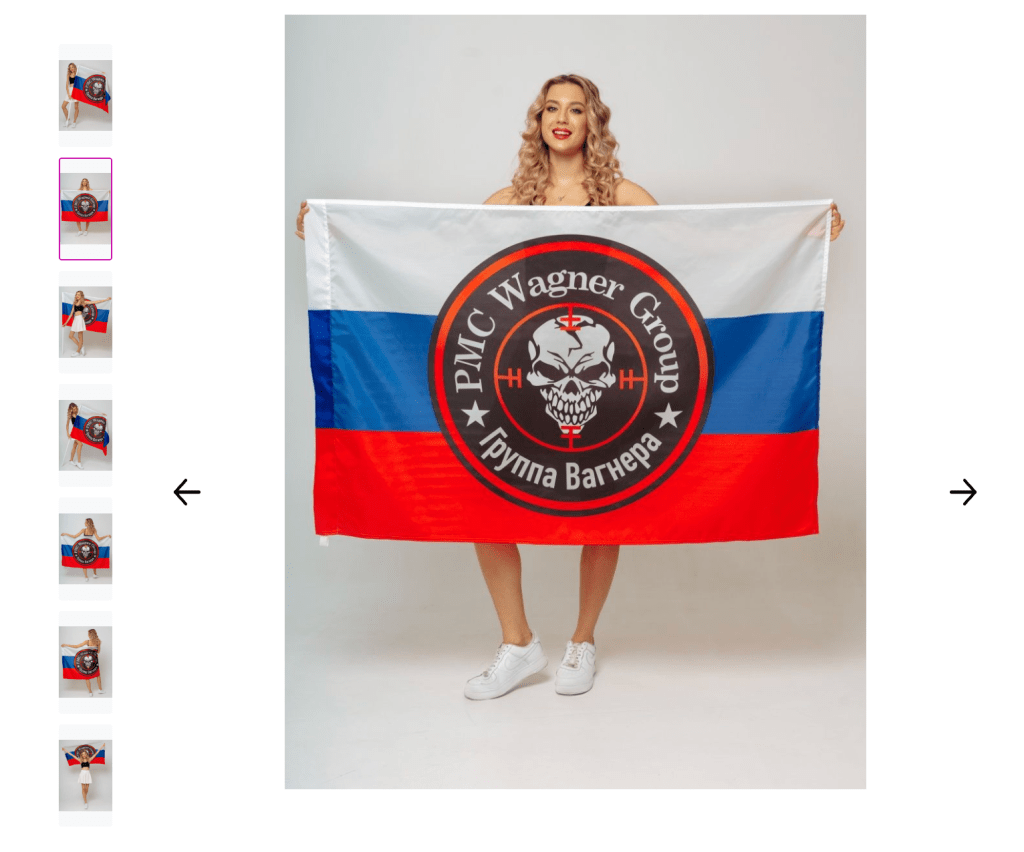
Goods bearing the emblems of the Wagner Group (including chevrons, flags, t-shirts, baseball caps, and sewn-on patches) have been brought back to the “counters” at Wildberries, as our correspondent verified on the evening of June 24.
In the first half of the day, a source at Wildberries told RIA Novosti that the online retailer had bearing removing goods bearing the [private military] company’s emblems and was going to remove them altogether. Later, such goods were hidden by Ozon, where they are still unavailable.
A search for the phrase “Wagner PMC” on the website of popular Russian online retailer Wildberries garnered 8,736 items, including the fetchingly reimagined Russian tricolor flag, below. This search was performed at 11 p.m. Moscow time on 24 June 2023.
Zenit FC midfielder Wendel has decided not to return to Petersburg due to the situation with the Wagner PMC, reportsSport Express, citing the player’s agent Cesare Barbieri.
“This is definitely a very delicate situation. Wendel will stay in Brazil until the situation improves. The club has already been notified of this. Zenit has reacted understandingly to the situation,” the agent said.
In the 2022–2023 season, 25-year-old Wendel has played twenty-five matches for Zenit in the Russian Premier League, scoring eight goals.
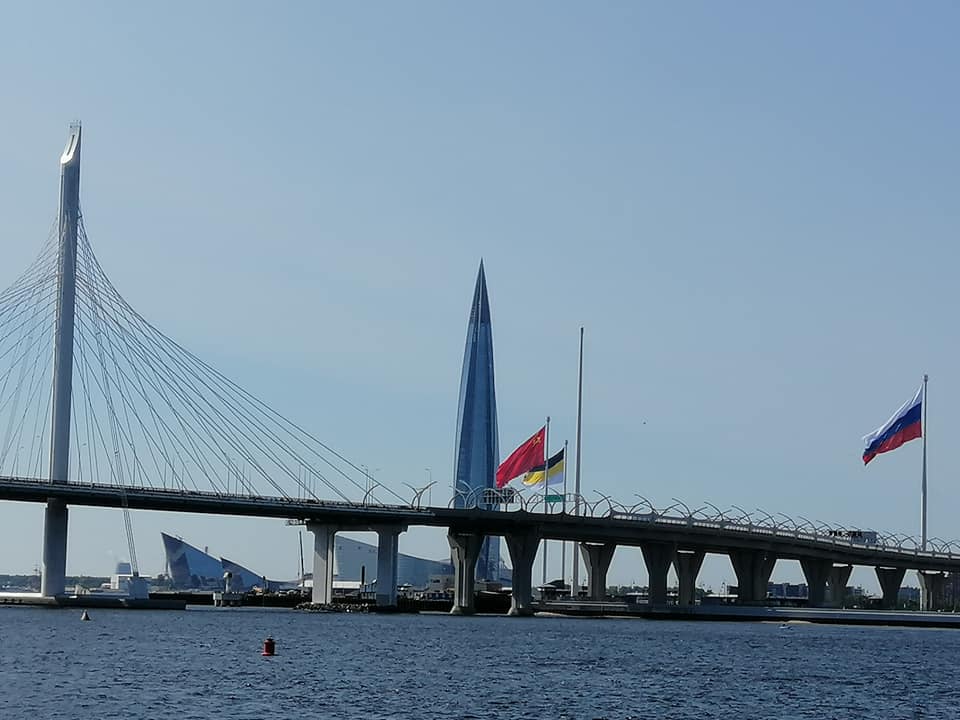
Russian President Vladimir Putin took part in a ceremony to raise the flags of the Russian Federation, the USSR, and the Russian Empire in St. Petersburg Tricentennial Park.
The head of state arrived in the area of the Gulf of Finland near Lakhta Center on the yacht Okhta. He watched the ceremony from the water.
On board the yacht, the head of state was welcomed by Elena Ilyukhina, deputy general director of Gazprom Neft and general director of Gazprom Lakhta LLC.
“St. Petersburg’s aquatic area and maritime facade,” she said, waving her hand at the view. “It’s beautiful. I understand that you have finished this complex,” Putin said, pointing at the 462-meter tower of Lakhta Center. Ilyukhina briefly told the president about the project, and also announced plans to build a 555-meter skyscraper next door.
[…]
“I understand that today’s event is connected with the fact that one stage [of the project] is ending and another beginning,” Putin said. Ilyukhina explained that the flag-raising ceremony, whose guest of honor of was the head of state, commemorated historical dates: the 165th anniversary of the Russian imperial flag, the 100th anniversary of the Soviet flag, and the 330th anniversary of Peter the Great’s tricolor.
Ilyukhina underscored that the choice of banners was not accidental: each flag represented a certain historical stage, marked by feats of heroism, victories and achievements. “The raised banners are a tribute to our history,” she pointed out, saying that Gazprom had erected the three 179.5-meter-high flagpoles to form the world’s first ensemble of flagpoles of such a height built on water. “The trinity symbolizes the continuity of our history,” Ilyukhina emphasized.
“It’s beautiful,” Putin said appreciatively. His interlocutor also noted that as part of the comprehensive improvement of St. Petersburg Tricentennial Park’s shoreline, hydraulic works had been designed to protect the coastline from erosion. A pedestrian bridge would stretch from each of them to the shore. The project’s development and implementation required complex engineering and design solutions and innovative construction techniques.
When the Russian national anthem rang out during the ceremony, Ilyukhina continued her story. The president stopped his interlocutor’s narration with a gesture of his hand, however. He put his finger to his lips, thus asking for silence as the national anthem was played.
After [the anthem was performed], the flag of the Russian Federation, the flag of the Soviet Union, and the flag of the Russian Empire soared into the air. The raised banners are remarkable for their immense size: each width of cloth is slightly larger than half of a football field: sixty by forty meters. Each flag weighs almost half a ton.
St. Petersburg Tricentennial Park is the youngest in the city. It was founded in 1995 to commemorate the three hundredth anniversary of the city’s founding [which did not occur until 2003]. [The then-Petersburg mayor] Anatoly Sobchak and future president Vladimir Putin each planted a tree.
According to Ilyukhina, as part of the project for improving the city’s coastal area, they are now planning to work on the park’s shoreline, including building a water sports base and equipping the beach, sports grounds, and walking paths.
I had visions, I was in them I was looking into the mirror To see a little bit clearer The rottenness and evil in me
Fingertips have memories Mine can’t forget the curves of your body And when I feel a bit naughty I run it up the flagpole and see who salutes (But no one ever does)
I’m not sick but I’m not well And I’m so hot ’cause I’m in Hell
Been around the world and found That only stupid people are breeding The cretins cloning and feeding And I don’t even own a TV
Put me in the hospital for nerves And then they had to commit me You told them all I was crazy They cut off my legs, now I’m an amputee, God damn you
I’m not sick but I’m not well And I’m so hot ’cause I’m in Hell I’m not sick but I’m not well And it’s a sin to live so well
I wanna publish ‘zines And rage against machines I wanna pierce my tongue It doesn’t hurt, it feels fine The trivial sublime I’d like to turn off time And kill my mind You kill my mind, mind
Paranoia, paranoia Everybody’s coming to get me Just say you never met me I’m running underground with the moles, digging holes Hear the voices in my head I swear to God it sounds like they’re snoring But if you’re bored, then you’re boring The agony and the irony, they’re killing me (whoa)
I’m not sick but I’m not well And I’m so hot ’cause I’m in Hell I’m not sick but I’m not well And it’s a sin to live this well (One, two, three, four)
A snapshot of the “voluntary” resignation letter Vitaly Blazhevich was forced to submit on February 17, 2023. Thanks for his kind permission to publish it here.
The firing was occasioned by a comment that Blazhevich had made to Radio Svoboda. He had said that the residents of Khabarovsk Territory who had supported its former governor, Sergei Furgal, had thus given a vote of no confidence to President Vladimir Putin. Blazhevich was forced to “voluntarily” resign from the institute.
Blazhevich’s comment concerned the plight of Furgal, in which connection he touched on the attitude of residents of Khabarovsk Territory toward Putin.
“Khabarovsk residents said quite clearly — also, by the way, in the midst of a crackdown by the authorities — that they had lost confidence in Putin specifically. When Putin withdrew his support from Furgal, Khabarovsk residents said loudly and clearly at one of the largest rallies that from now on, we have no confidence in Putin. That is the genuine law that people passed,” Blazhevich said at the time.
The lecturer was summoned to the office of Oleg Kulikov, the institute’s deputy director for organizational matters and digitization. It was Blazhevich’s remarks about Putin that had caused Kulikov’s concern. One of his arguments was that RANEPA had been established by the President of Russia. (The decree establishing the university was signed in 2010 by then President Dmitry Medvedev.)
Blazhevich was informed that the complaint about his comments to Radio Svoboda had come from the so-called Regional Management Center, which is engaged in “collecting, analyzing and processing complaints and reports from the populace.”
According to Blazhevich, he was threatened that if the complaint made it to the police, an administrative case against him could be opened. In addition to the police, Blazhevich was threatened with dismissal under labor law for “immoral behavior.”
“We are university lecturers: we have no right to speak badly about the president,” the institute’s deputy director told him.
“Their logic suggests it’s immoral to have an opinion,” remarked Blazhevich. He added that he had not discussed politics with colleagues or students during working hours, and that there had been no complaints about his academic performance. He thus does not believe that the denunciation originated within the university.
[…]
After Sergei Furgal, the former governor of Khabarovsk Territory, was arrested in the summer of 2020, numerous protest rallies took place in Khabarovsk in support of the politician over the course of the next several months. On February 10 of this year, the Moscow Regional Court sentenced Furgal to twenty-two years in a maximum security penal colony, finding him guilty of organizing assassination attempts on three business competitors.
If you didn’t get enough brains when they were handing them out, you can only learn to tell good from evil the hard way. The process is quite long and painful. It is very, very scary to stop being the consenting majority. It is very, very scary to discover you’re having the “wrong” thoughts without nipping them in the bud. It takes a lot of courage to go through withdrawal when your whole body wants another dose of what it’s used to: it’s like quitting smoking or drinking. When you get free of it you’re left one on one with the whole world until you get washed up on some other shore. I’m not making excuses for anyone. I’m just trying on someone else’s shoes.
A former governor from Russia’s Far East has been sentenced to 22 years in jail for murder and attempted murder in a controversial court case in Moscow.
Sergei Furgal insists he is innocent and says the trial against him was motivated by politics.
He was elected governor of Khabarovsk region in 2018, unexpectedly beating the Kremlin’s preferred candidate.
His detention in July 2020 caused widespread anger among locals.
The judge in Luberetsky Court near the capital ruled that Furgal, 52, must serve his sentence in a high-security prison after a jury found him guilty on two charges of murder and one of attempted murder.
The killings, said the prosecution, were linked to rivalry between Furgal and other businessmen in 2004 and 2005.
The ex-governor — who won office as a candidate for the ultranationalist Liberal Democratic Party of Russia (LDPR) — struggled to contain his emotions in the courtroom after the sentence was read out, shouting “Do you have no shame?” at the judge. His lawyers say they will appeal.
When he was first arrested, residents in the city of Khabarovsk took to the streets in huge numbers — some estimates put the figure as high as 50,000. Such demonstrations are rare in Russia and took the Kremlin by surprise.
Furgal’s supporters claimed that the criminal case against him was politically motivated — punishment for daring to beat the Kremlin’s candidate in elections.
Experts say his landslide victory was the result of a massive anti-Moscow vote. As governor, he was tough-talking, and some say more popular even than President Vladimir Putin.
Contract killings of business rivals were common in Russia, especially in the 1990s and the early 2000s, when Furgal was a successful businessman.
However, the case is more likely to be linked to his unique position — as a popular local politician who didn’t show absolute loyalty to the Kremlin.
“Furgal may well have been involved in shadowy business in the past, but so too were many of the other regional leaders whom Putin has been happy to support,” Russia expert Mark Galeotti told the BBC. “It seems clear that this was essentially a political move: once the Kremlin decided Furgal had to go, they looked for whatever excuse they could use.”
The Khabarovsk protest movement in 2020 was unusual for two reasons. Firstly, it was grassroots-based: meaning the authorities could not simply arrest the ringleaders.
Secondly, it was focused on a single local issue — the arrest of the governor — making it very difficult for the Kremlin to pin the blame on the West or on “foreign forces” — as is the usual tactic.
But in the weeks that followed, arrests were made, and the demonstrators were eventually silenced or pushed off the streets.
President Putin appointed a new governor, Mikhail Degtyaryov, who also represents the LDPR. Mr. Degtyarov, though, is a Kremlin loyalist and recently became a vocal supporter of Russia’s war in Ukraine.

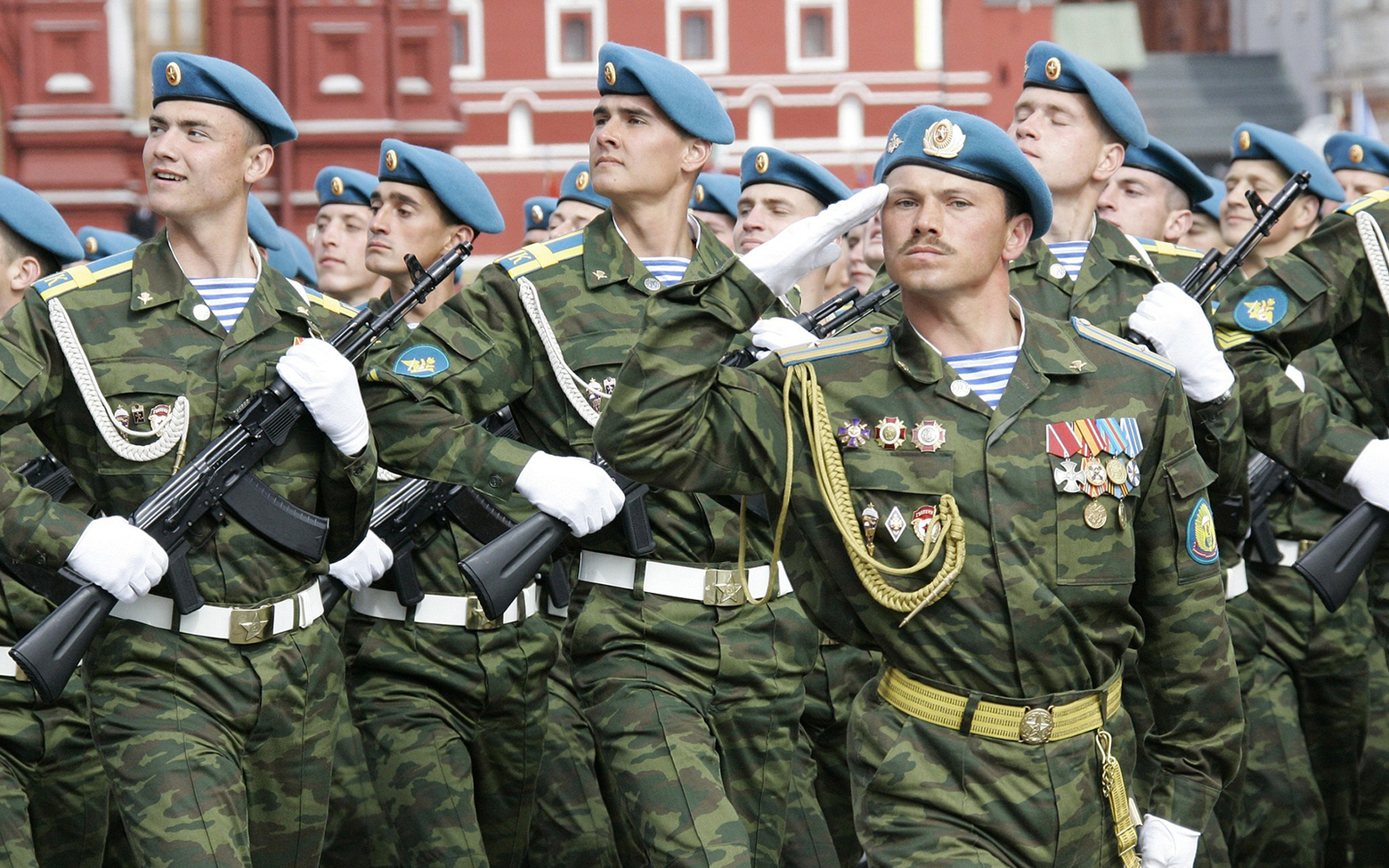

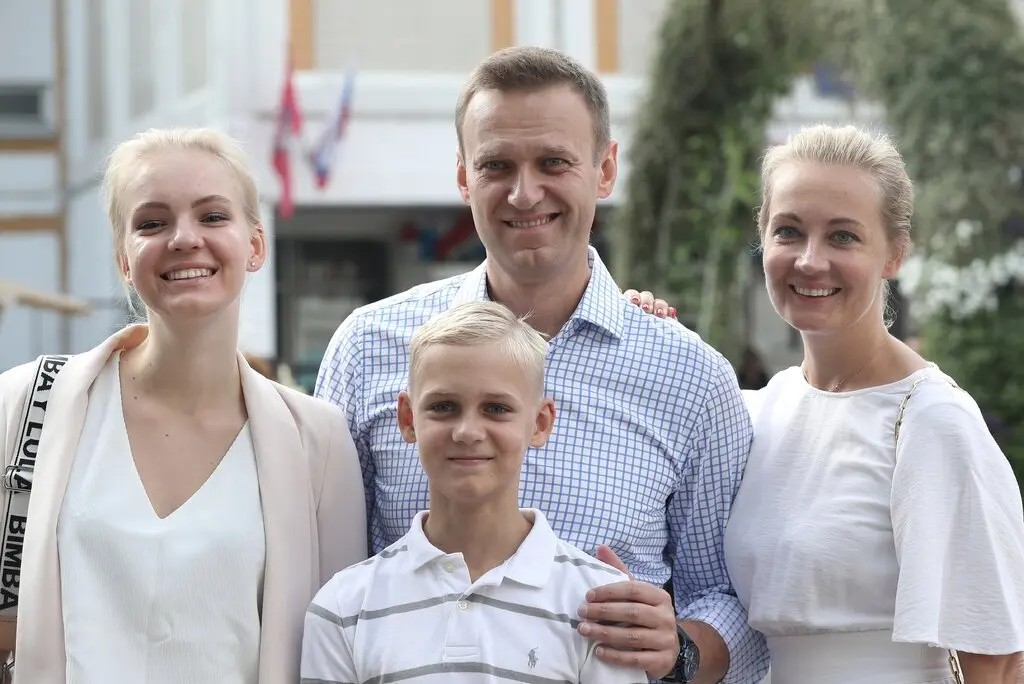


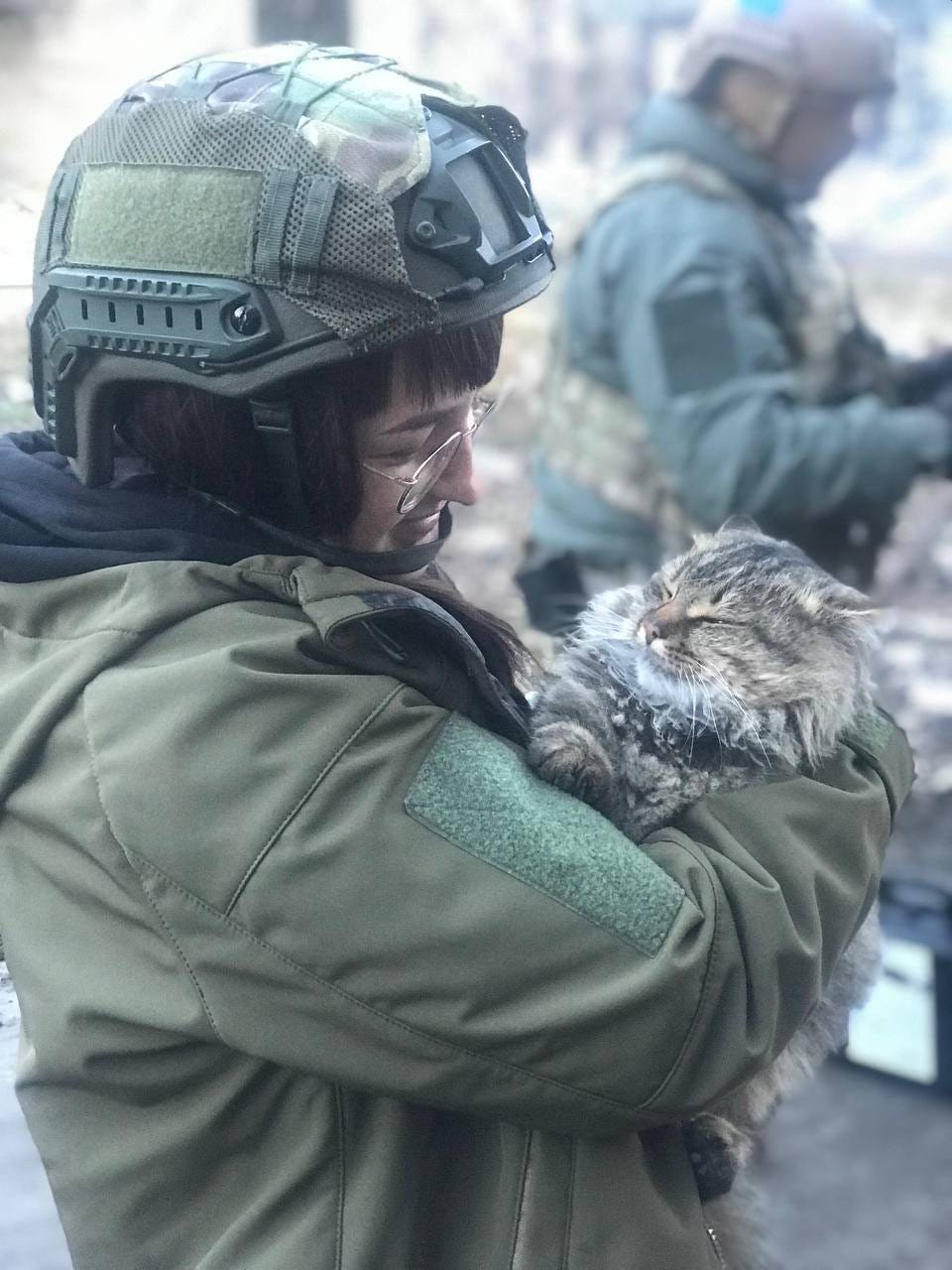
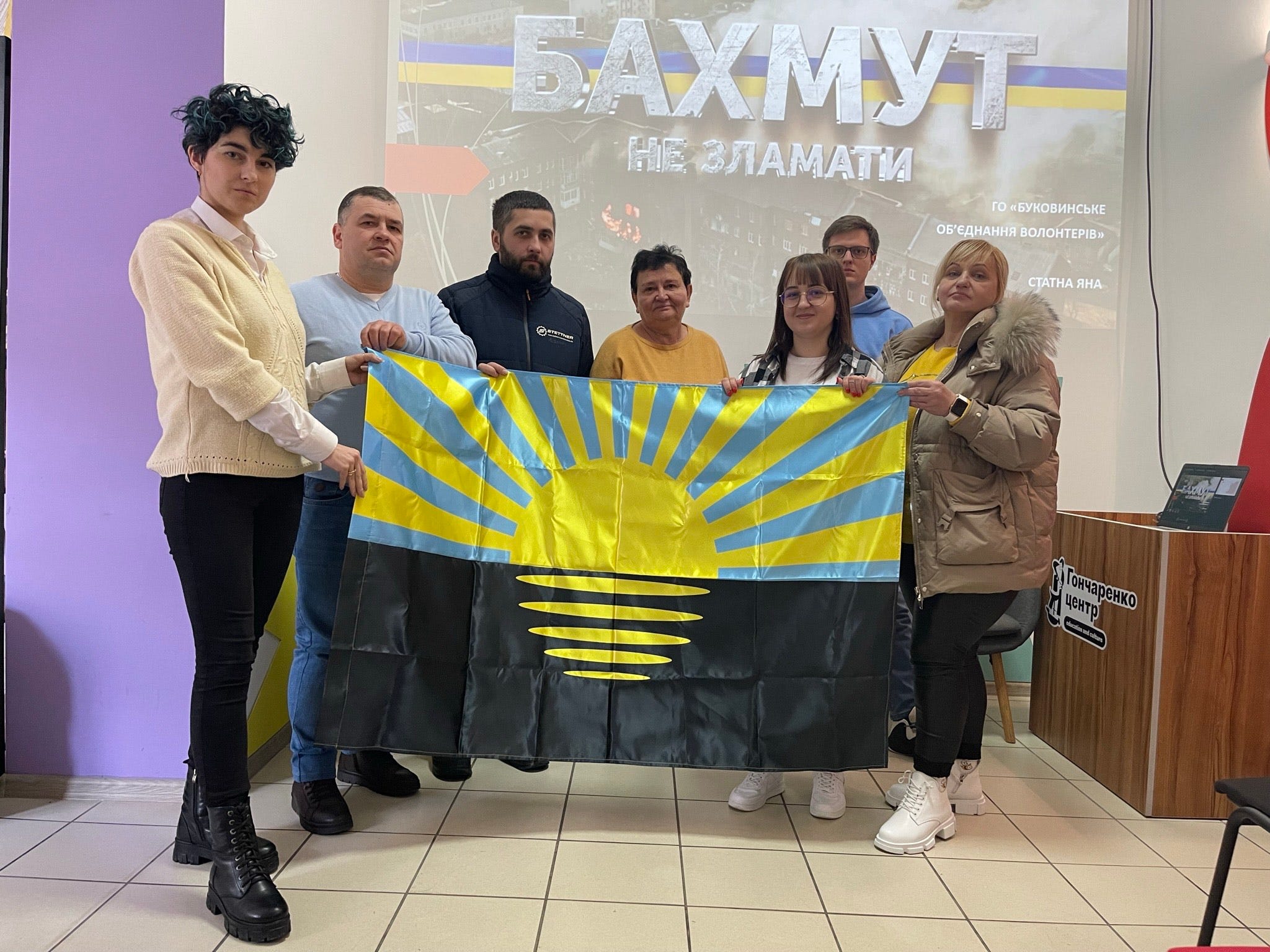
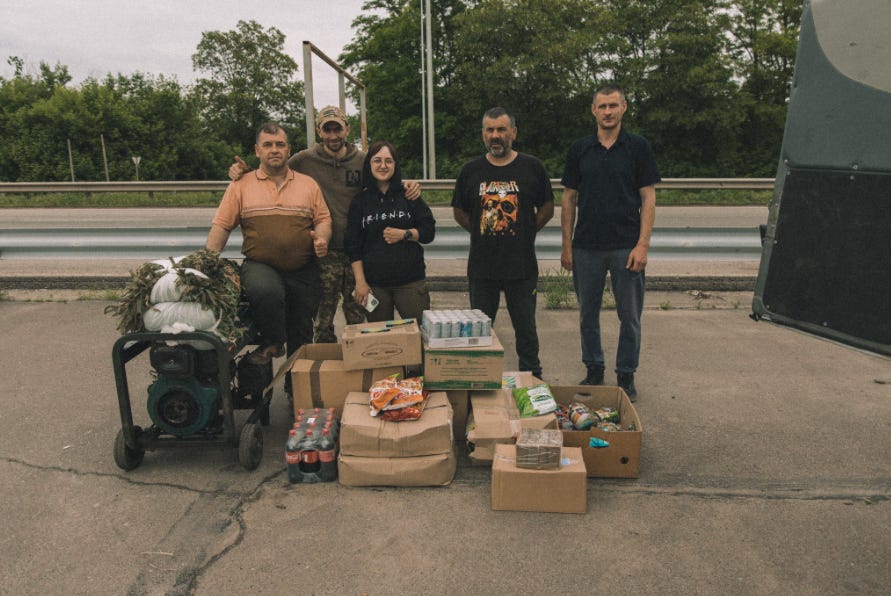
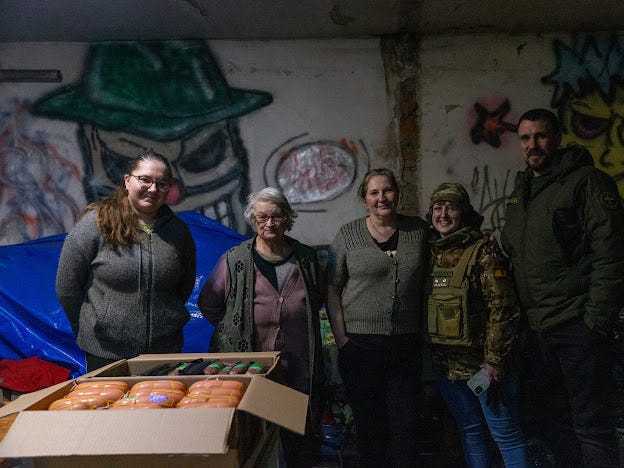
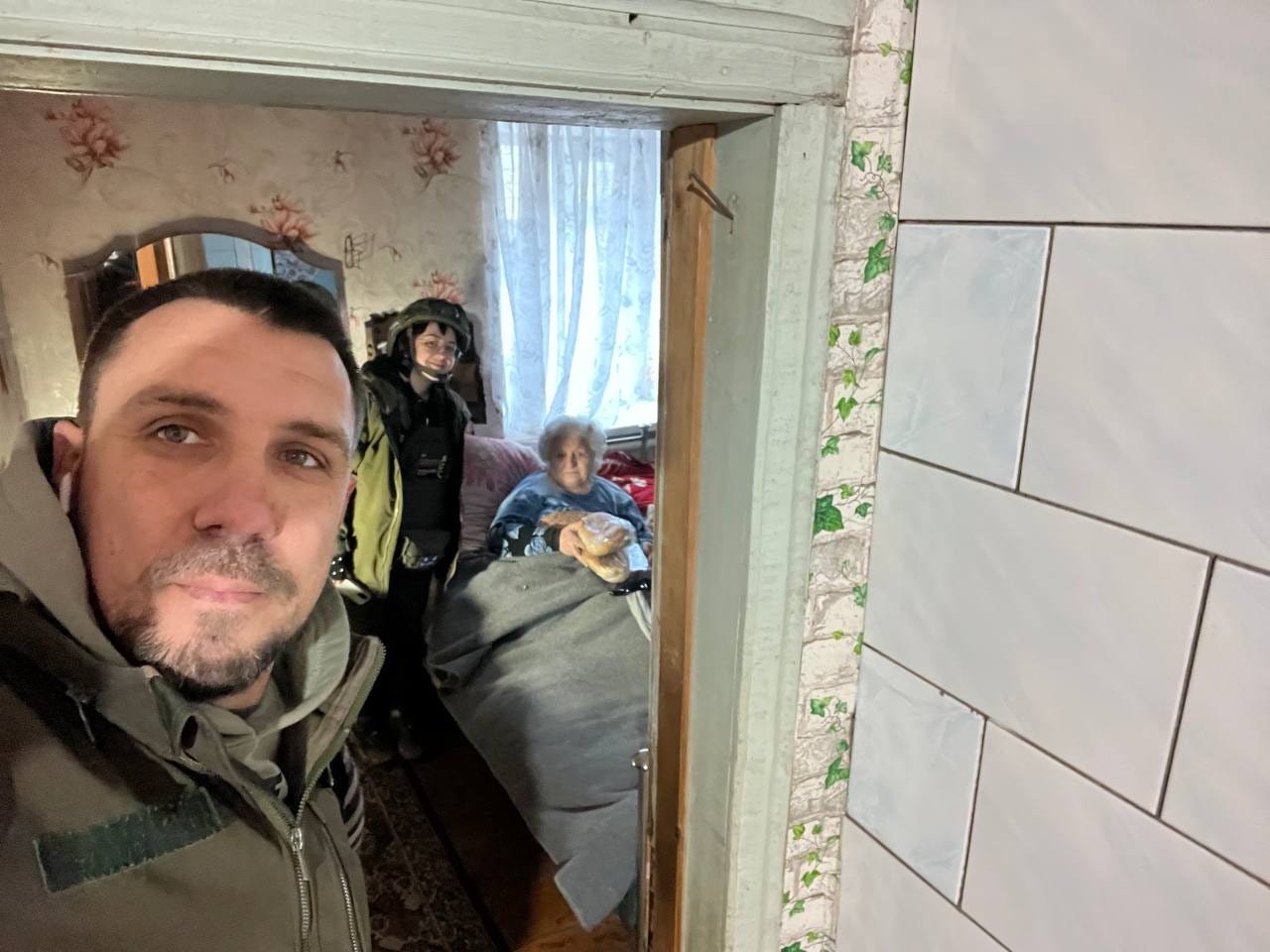

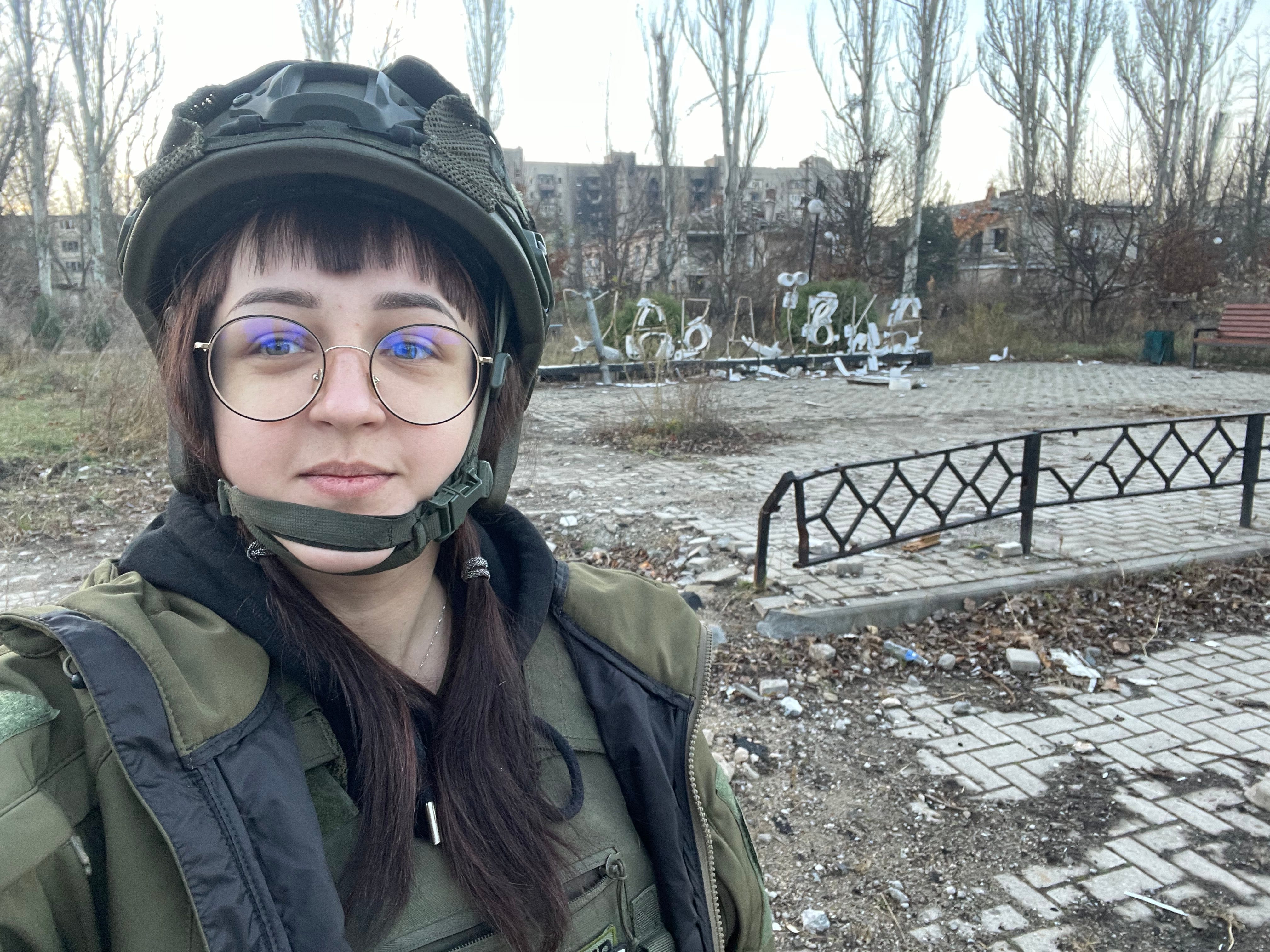
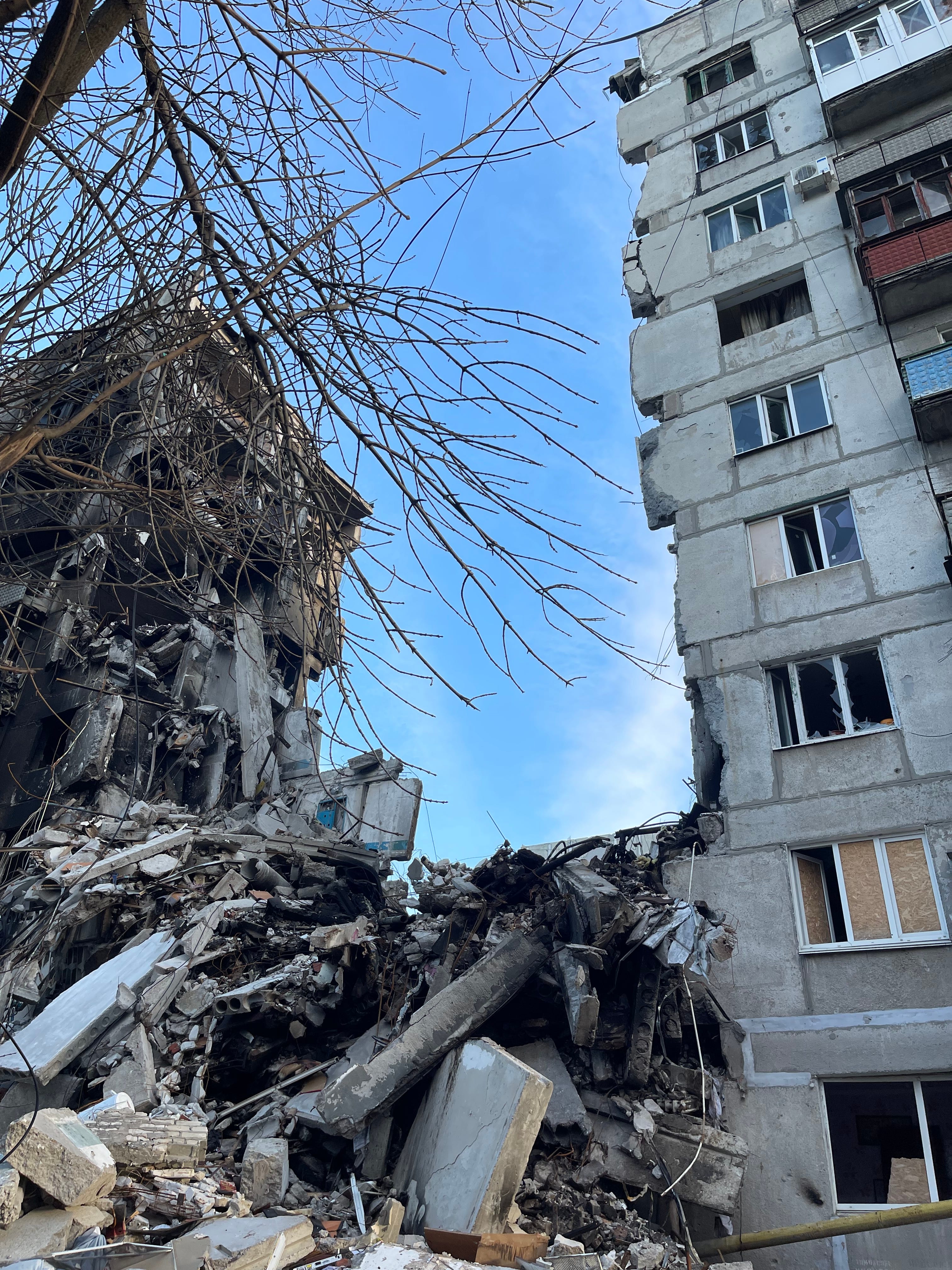
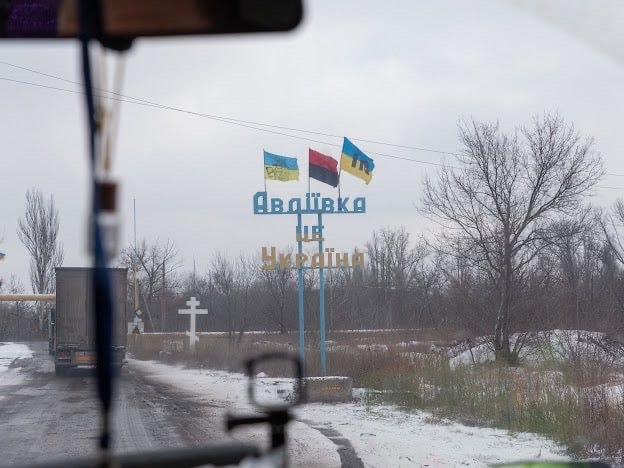
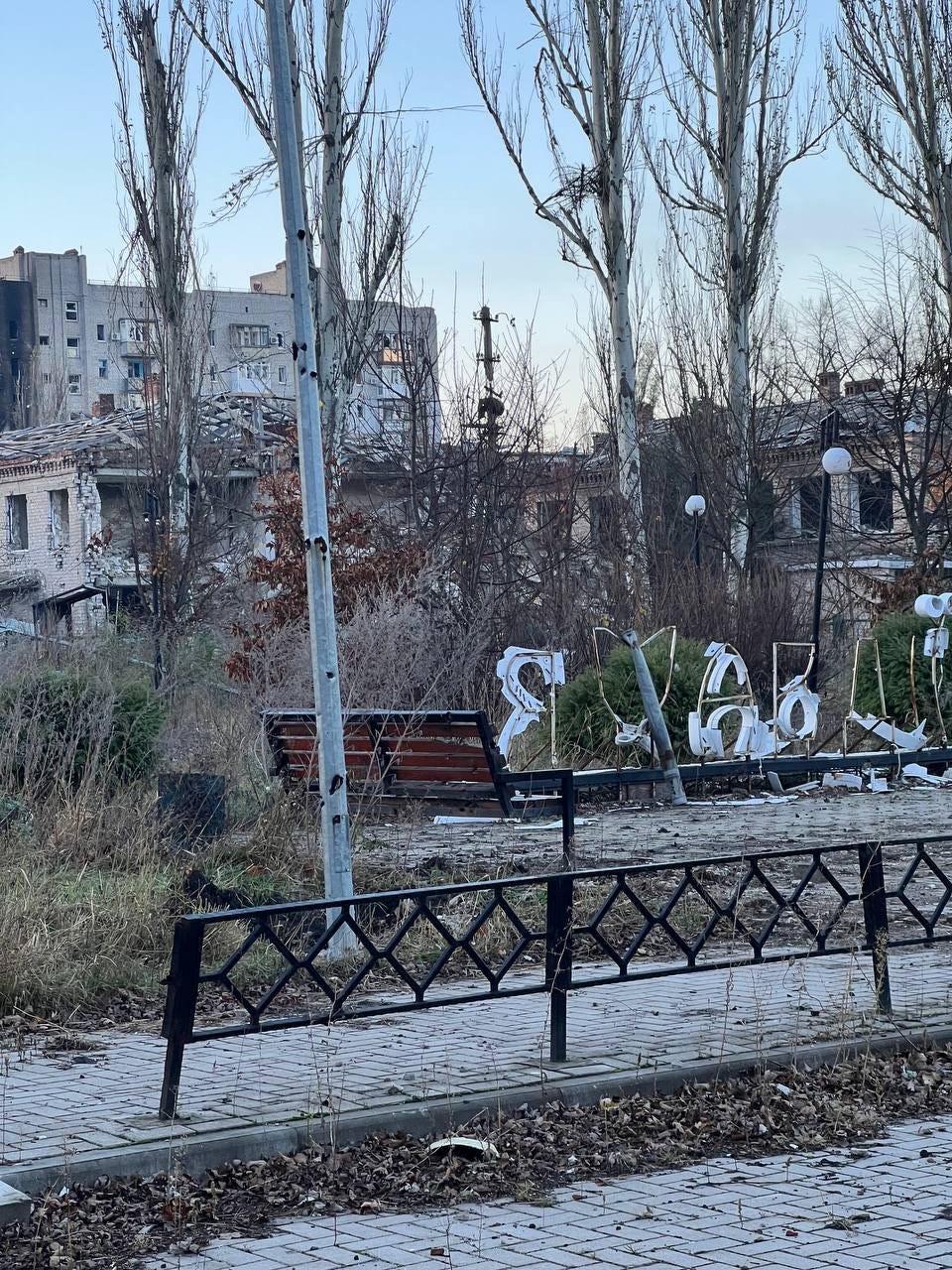
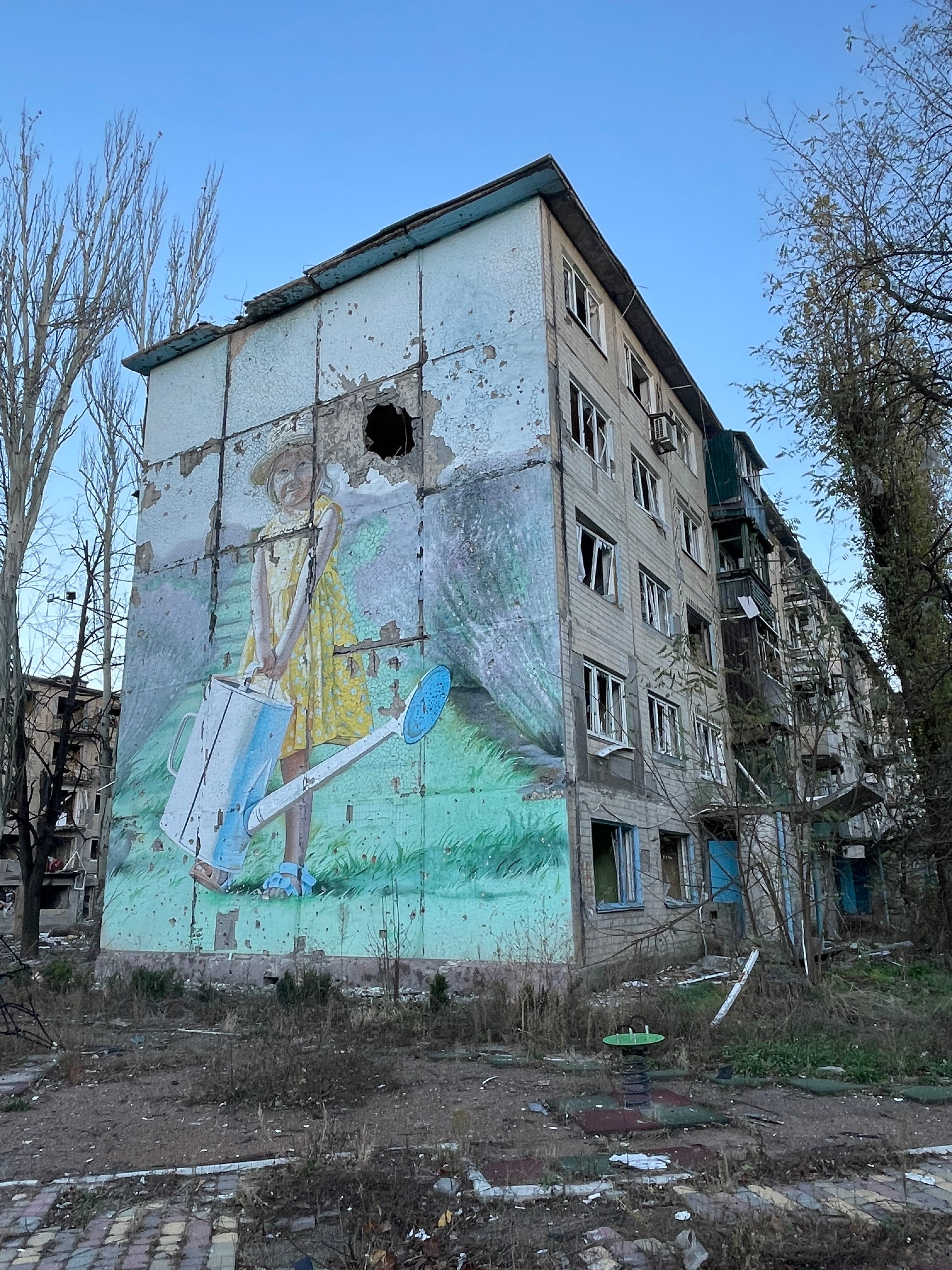
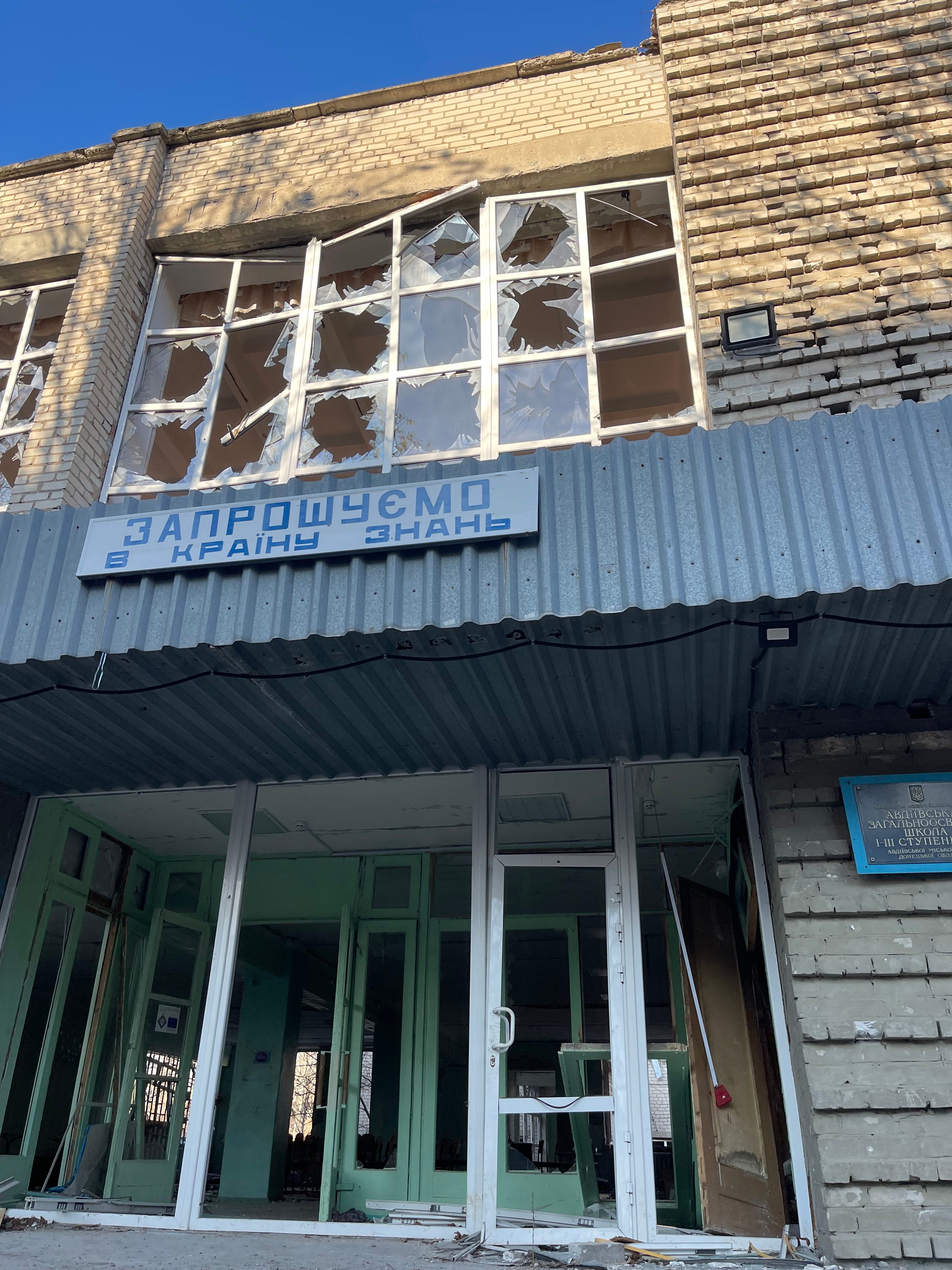

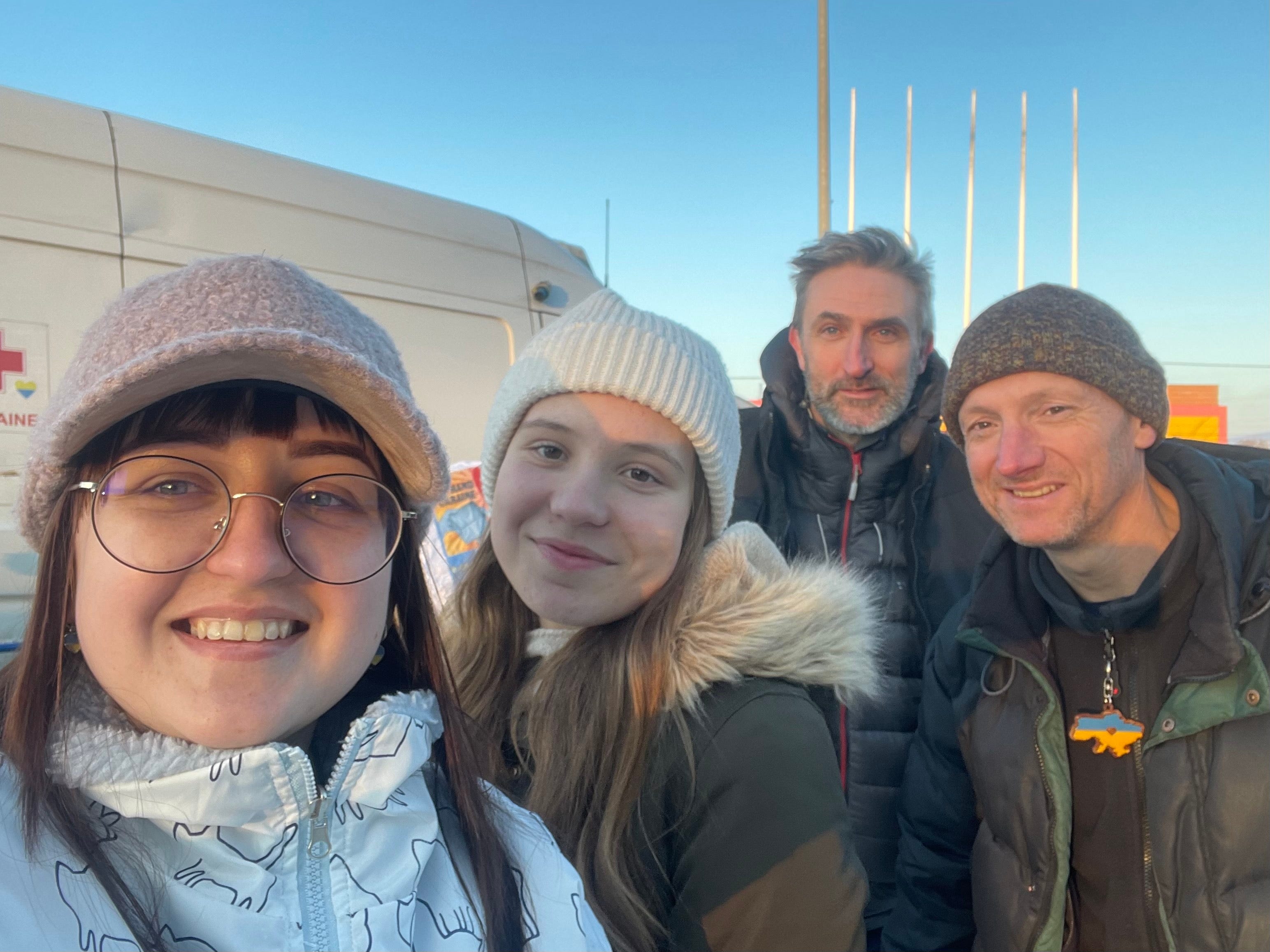

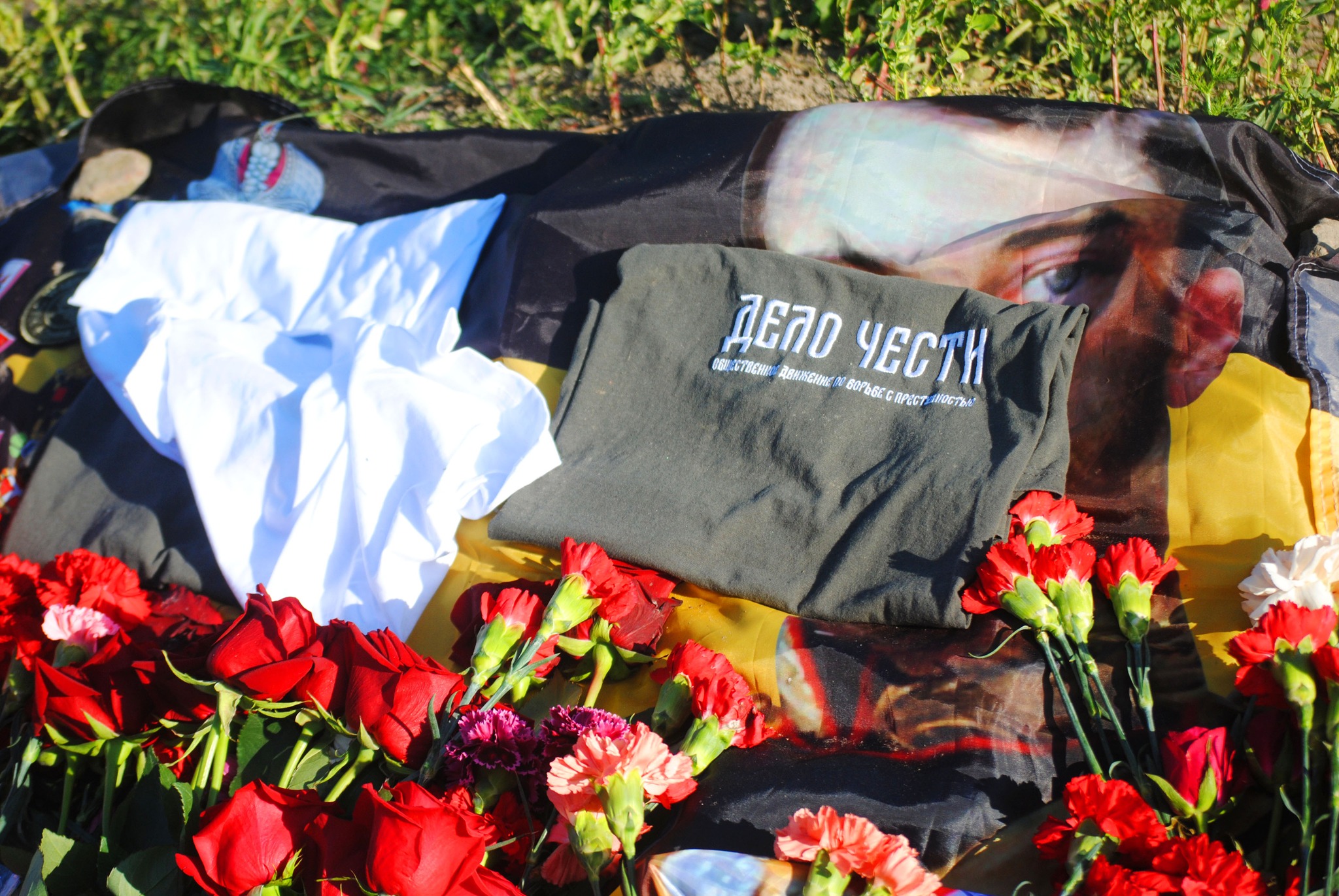
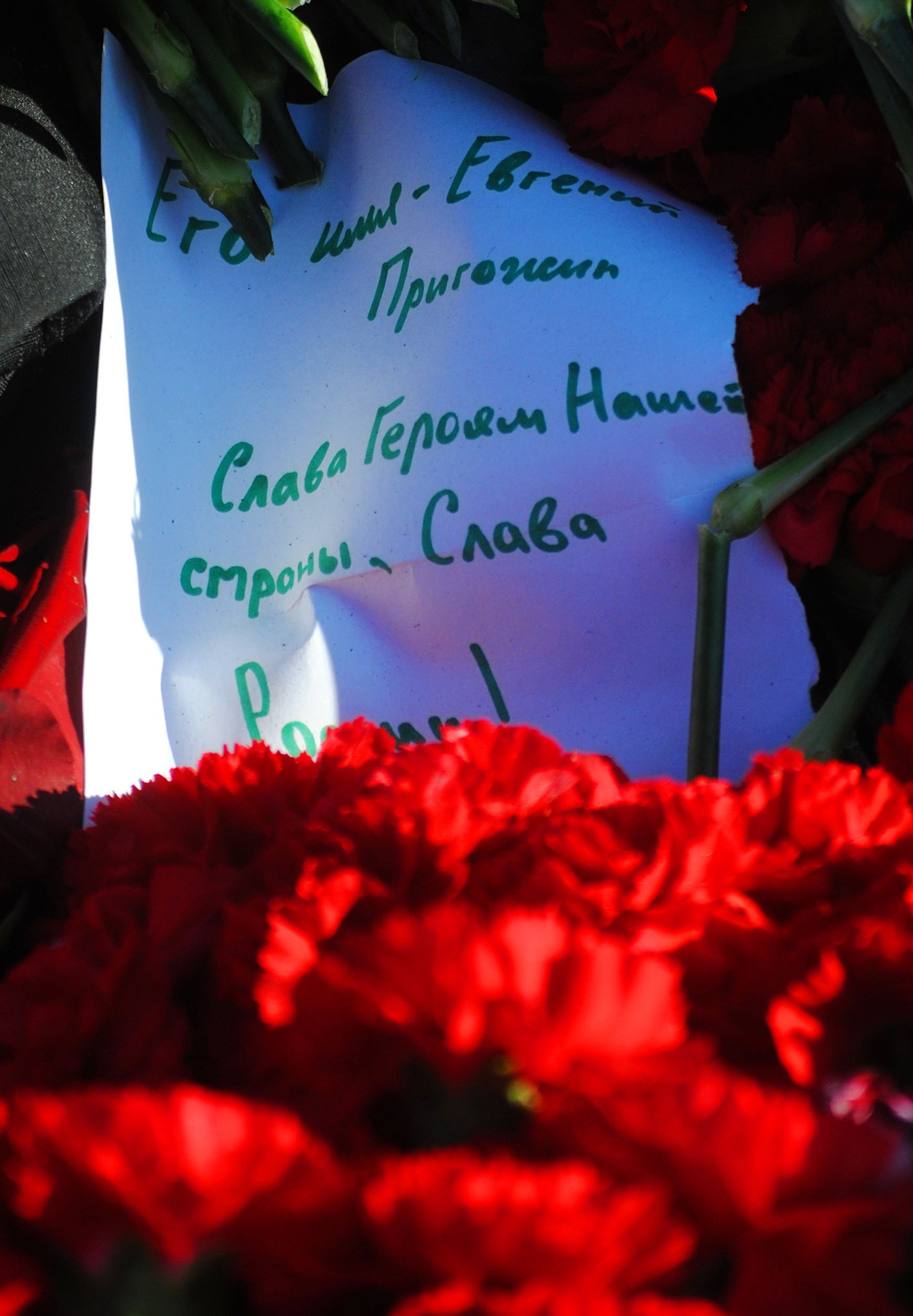
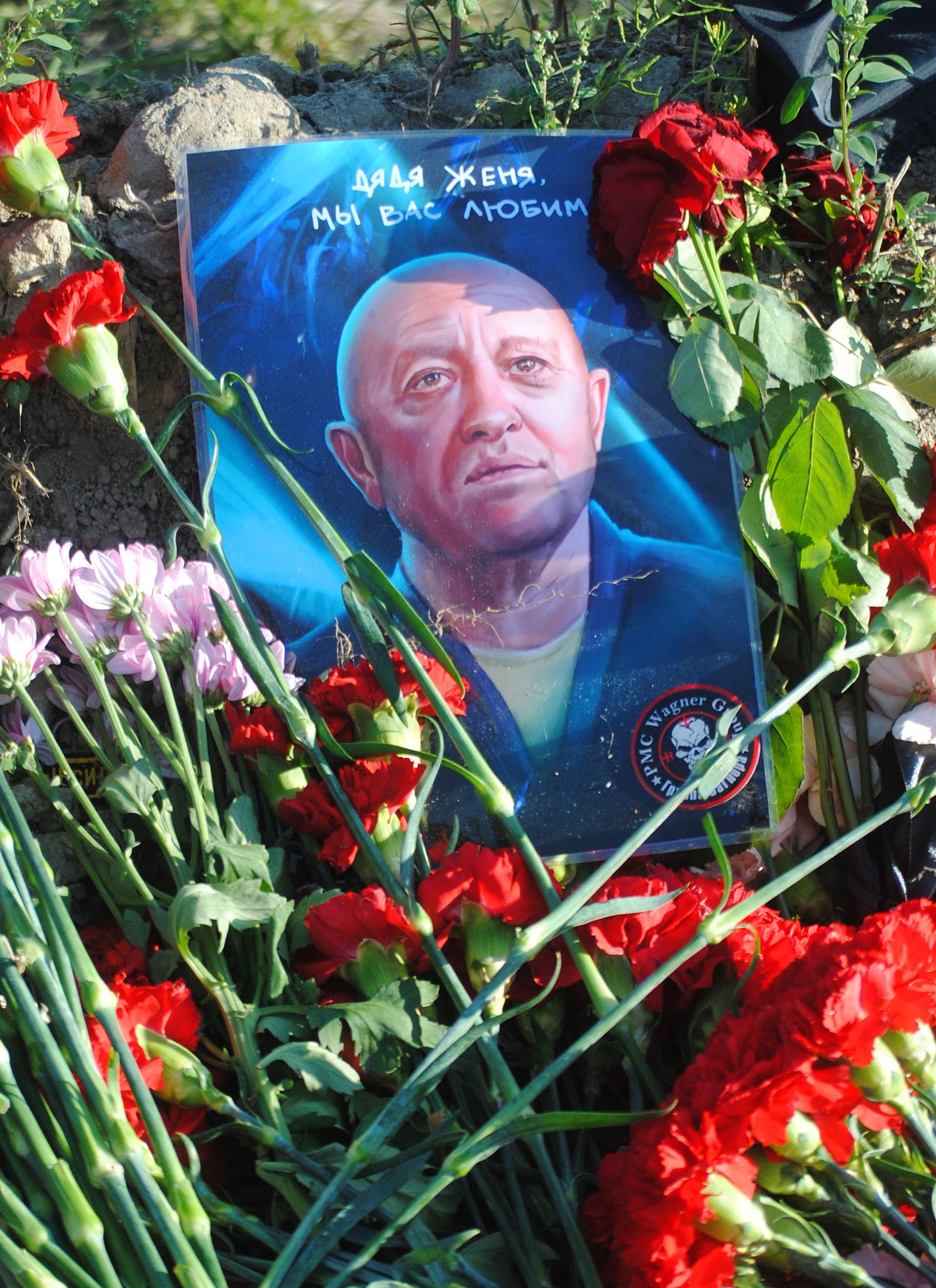

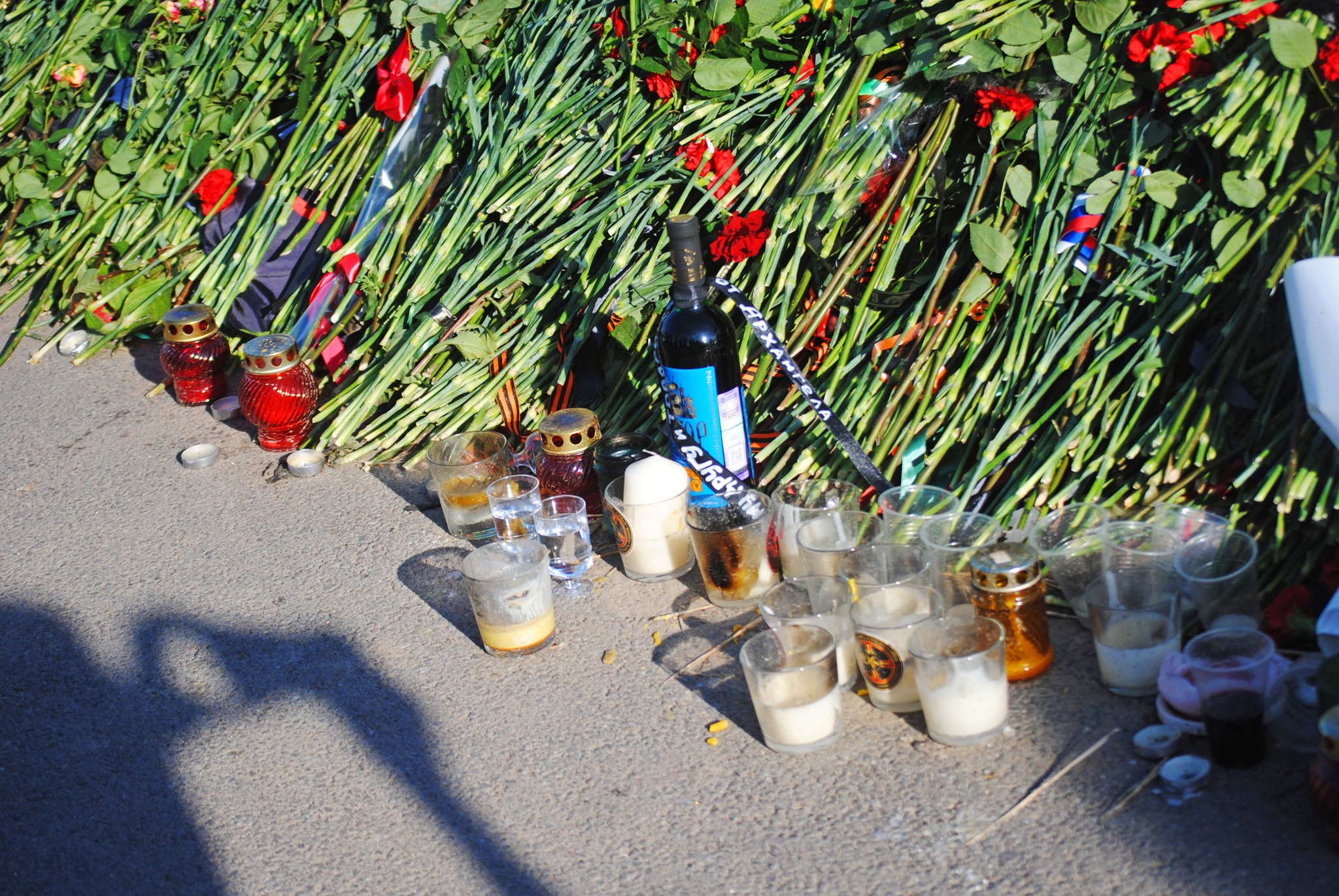
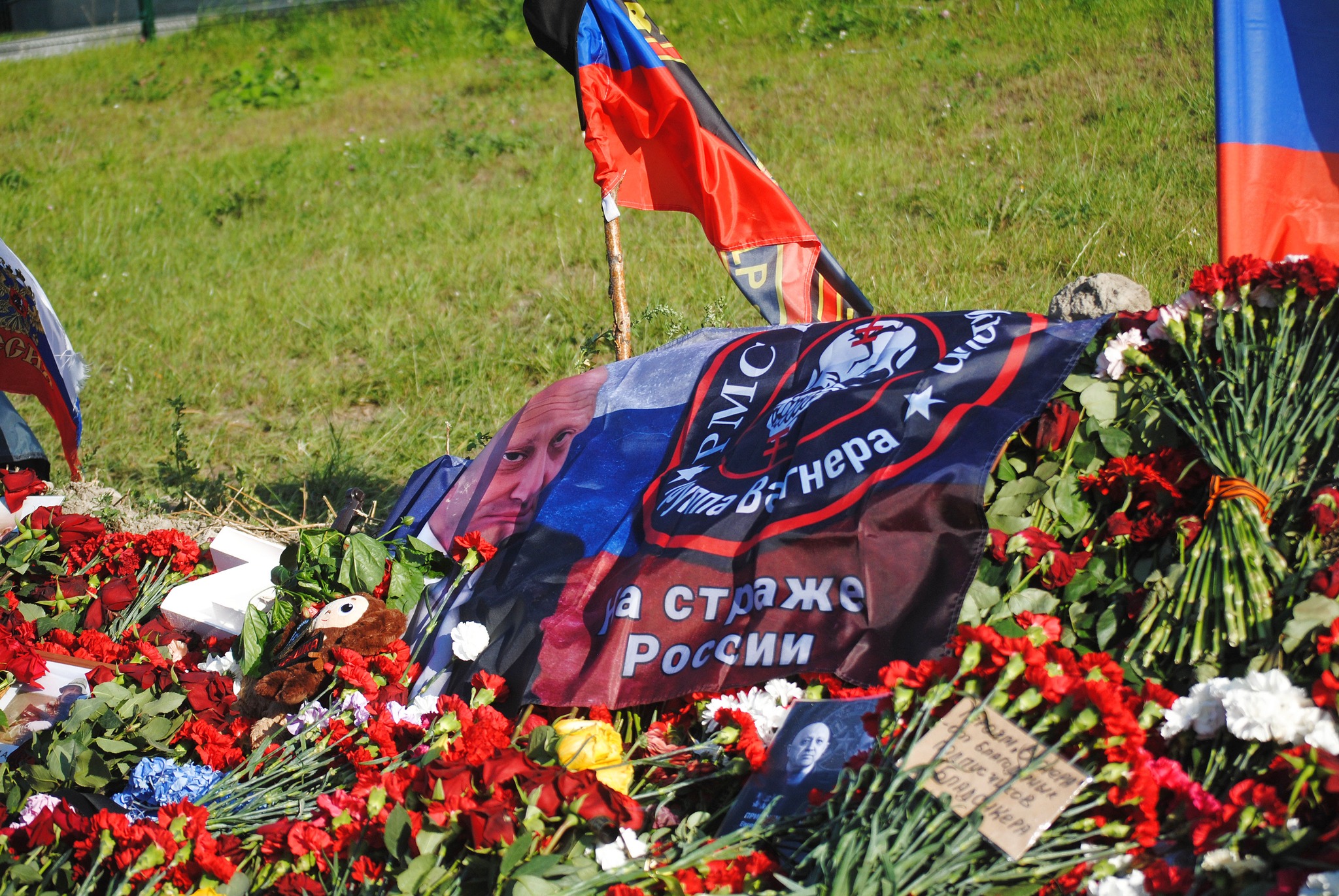


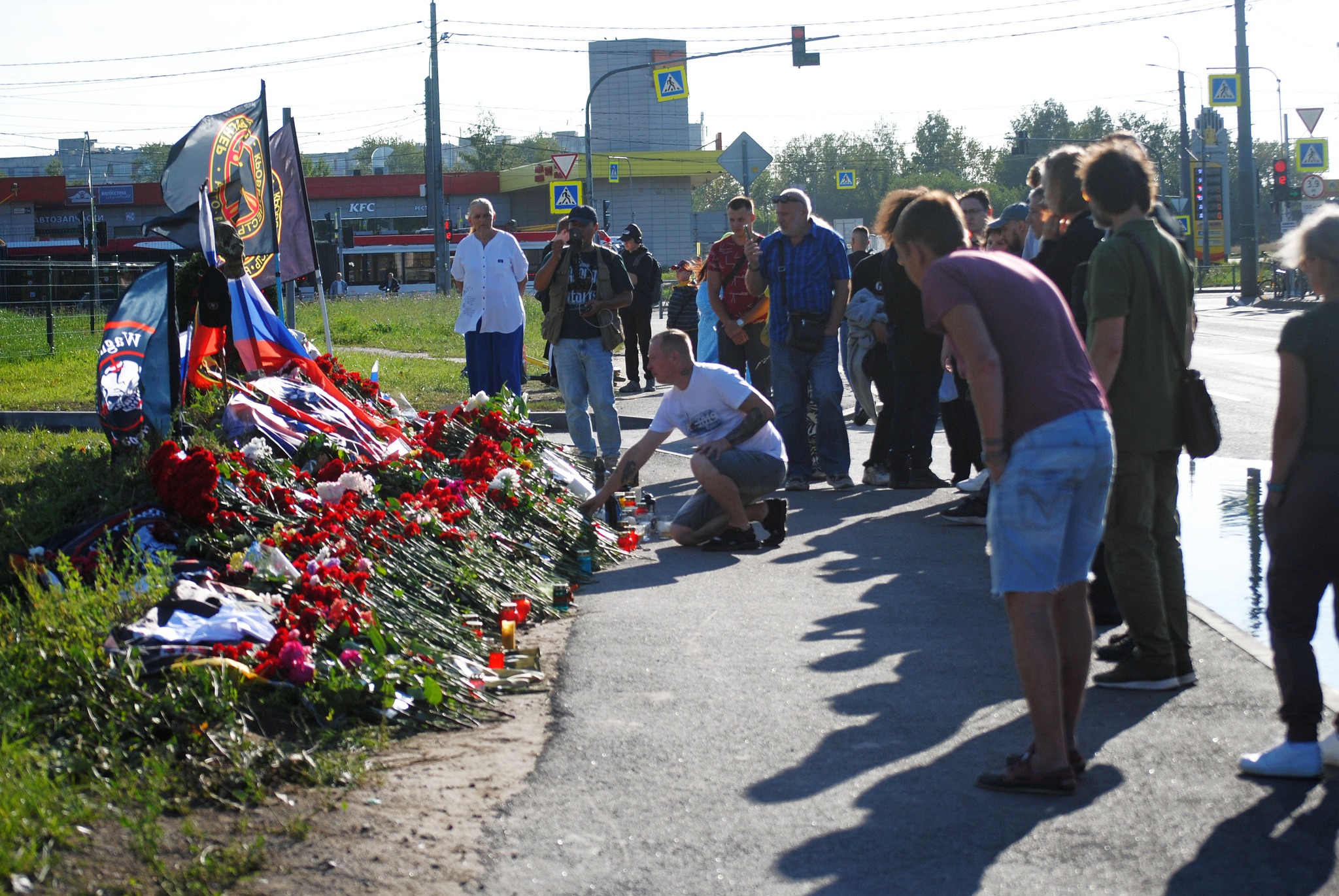
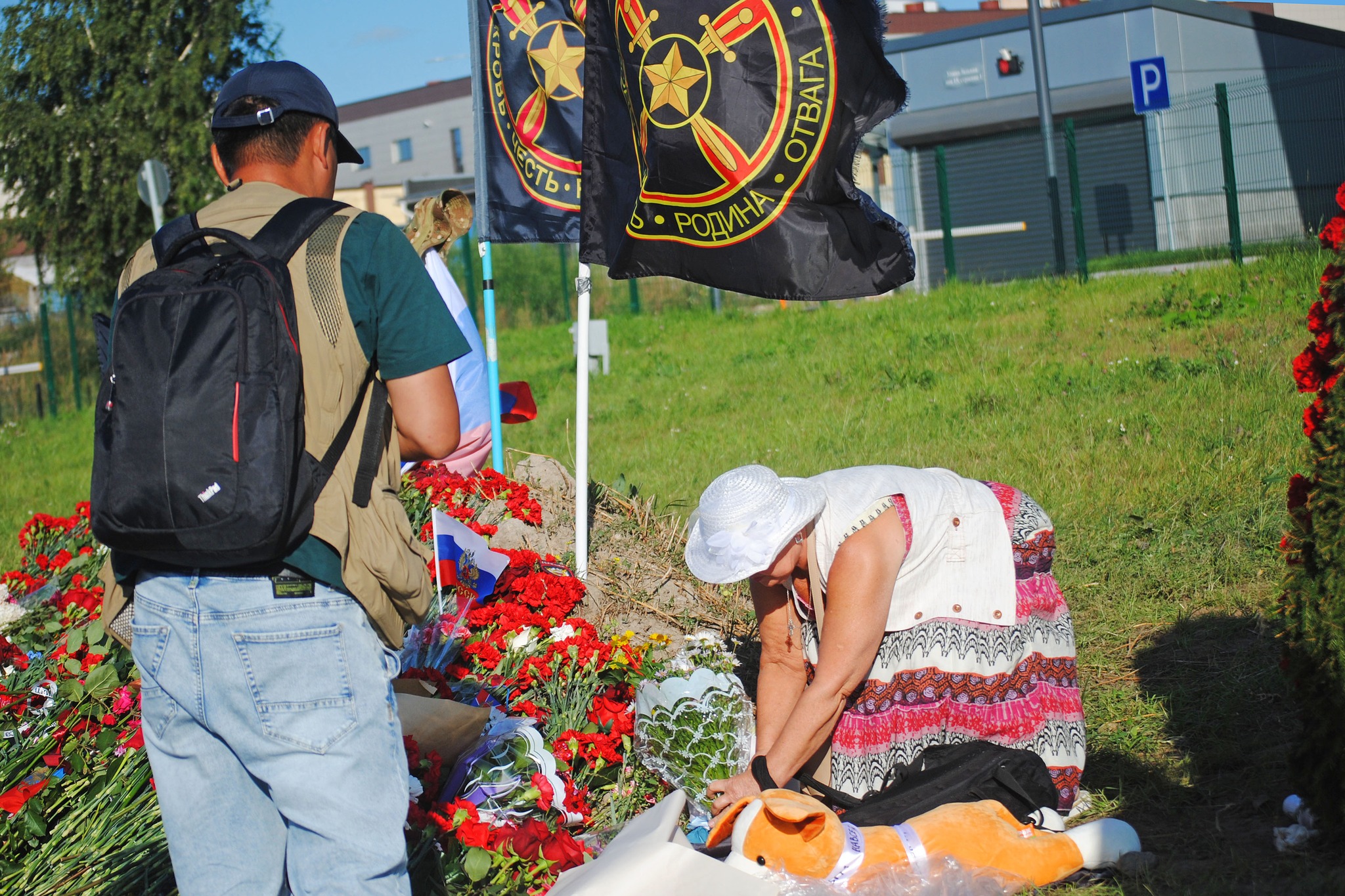

 Address for letters and parcels: