“We Love You, Uncle Zhenya”

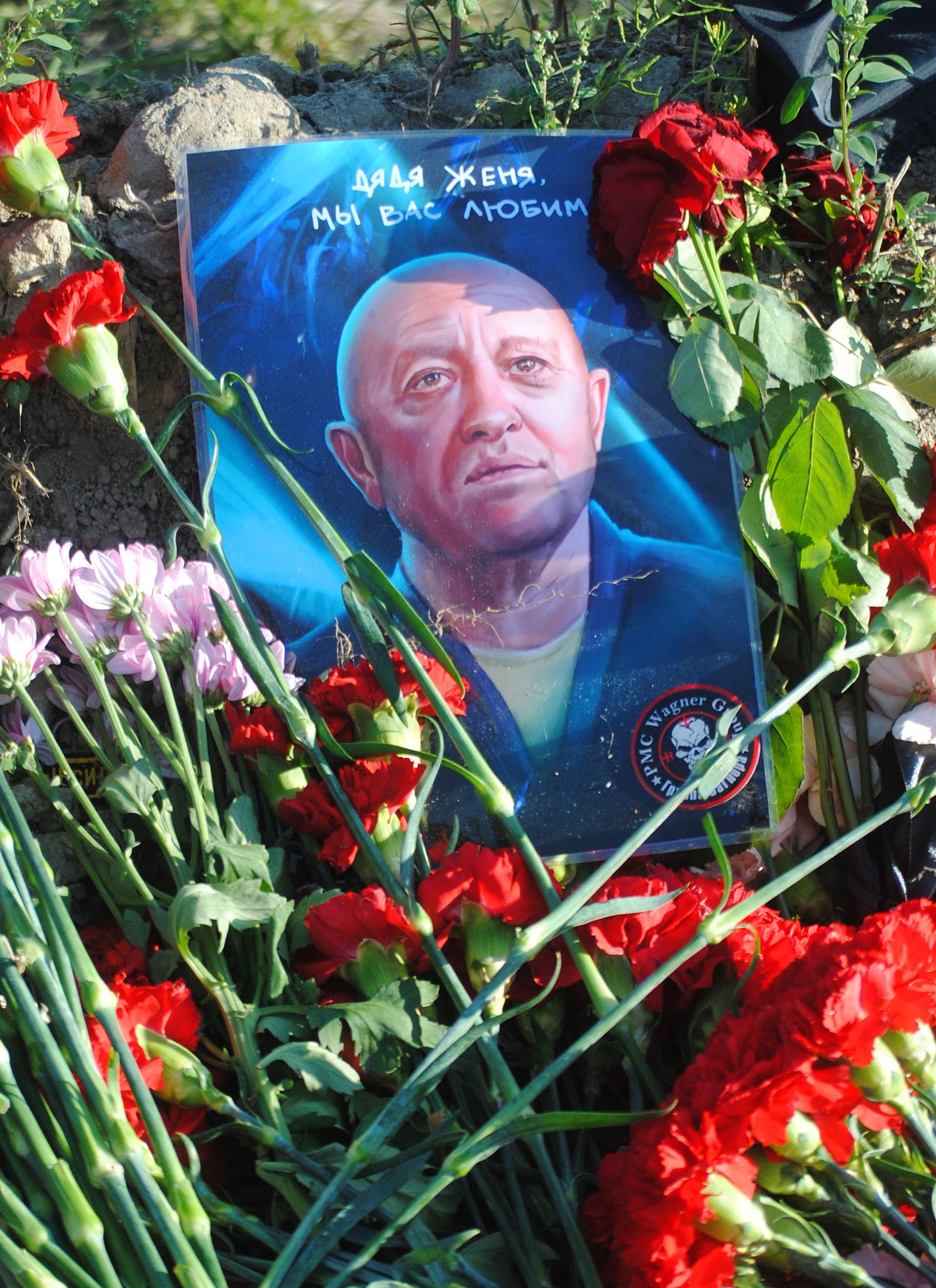
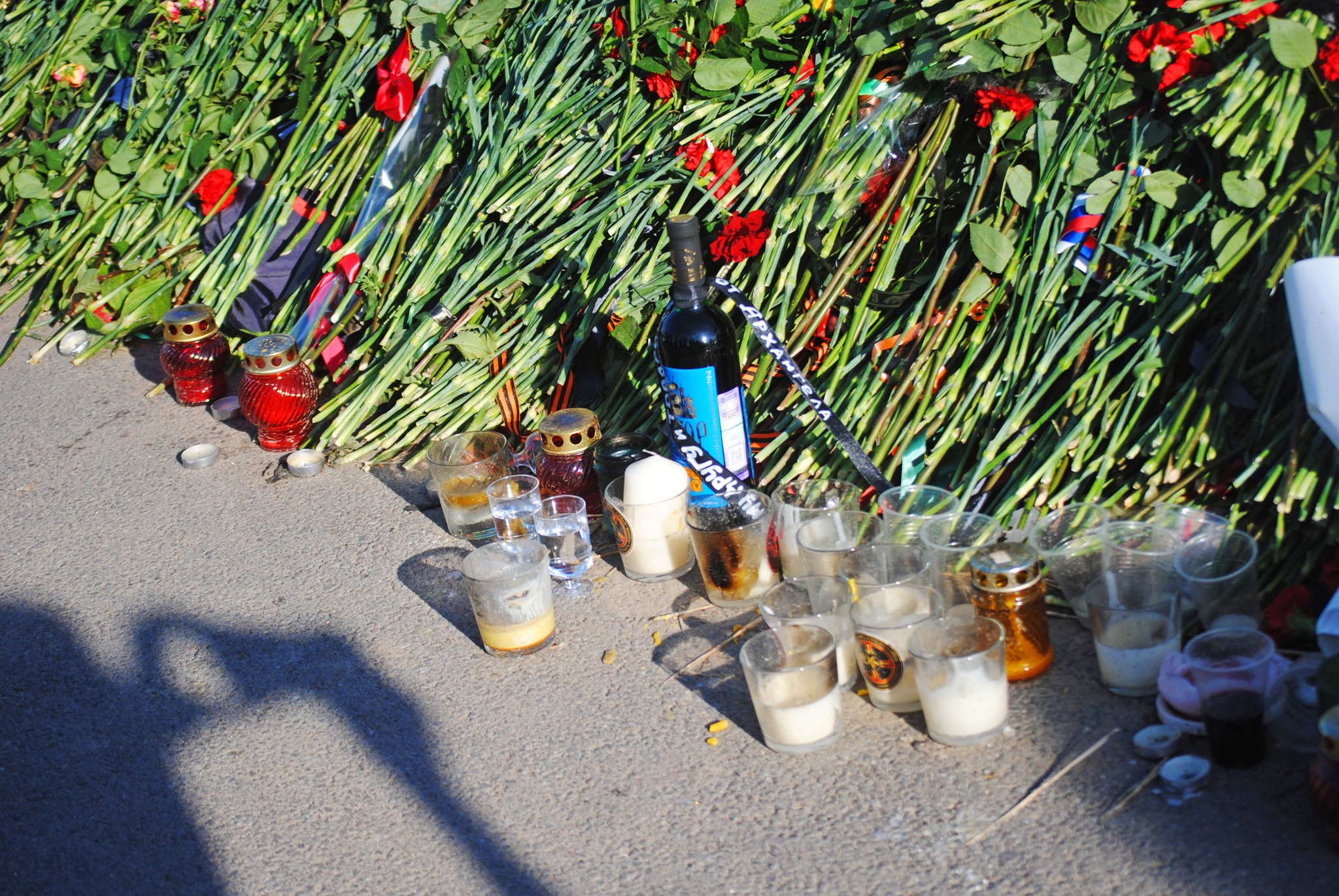
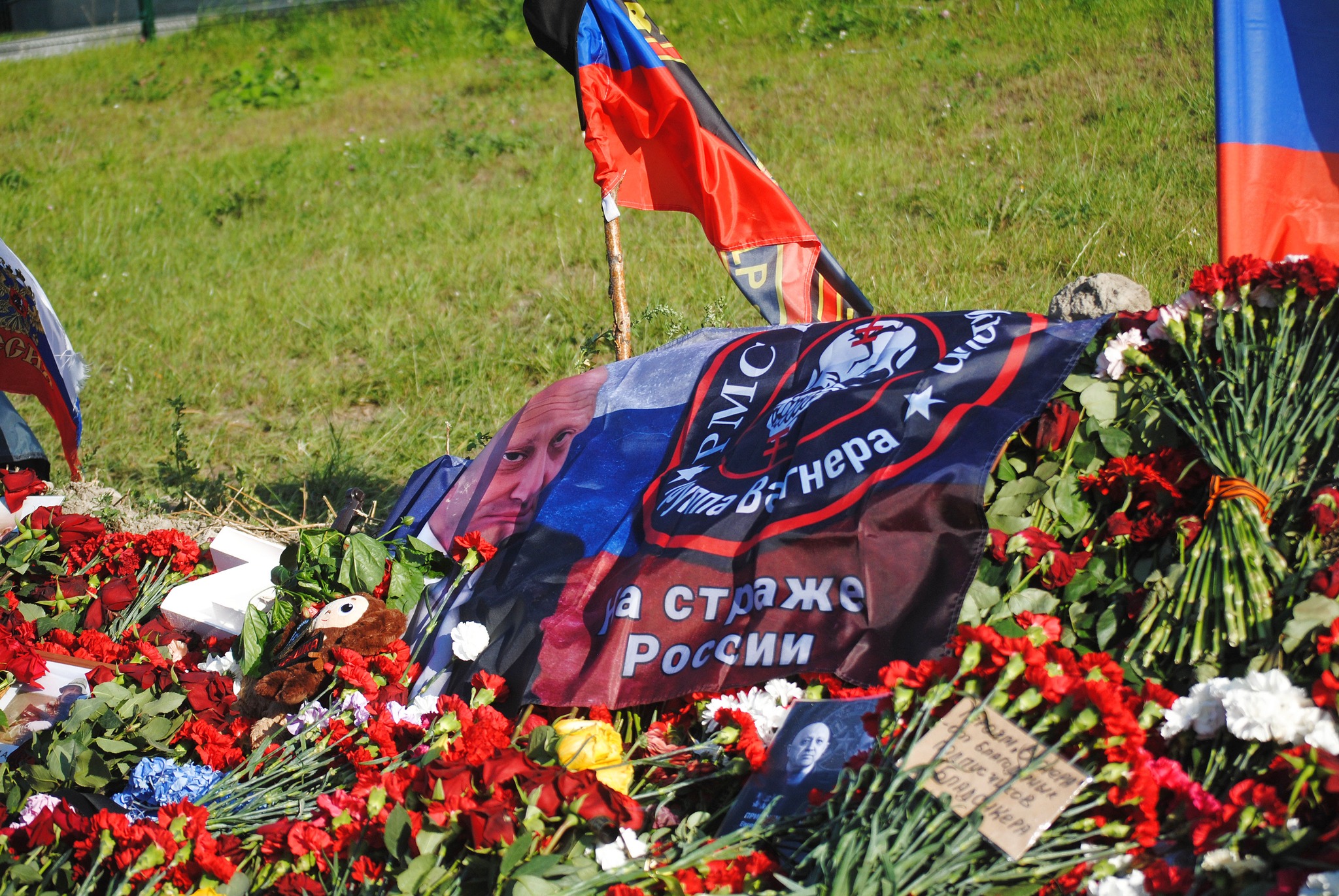
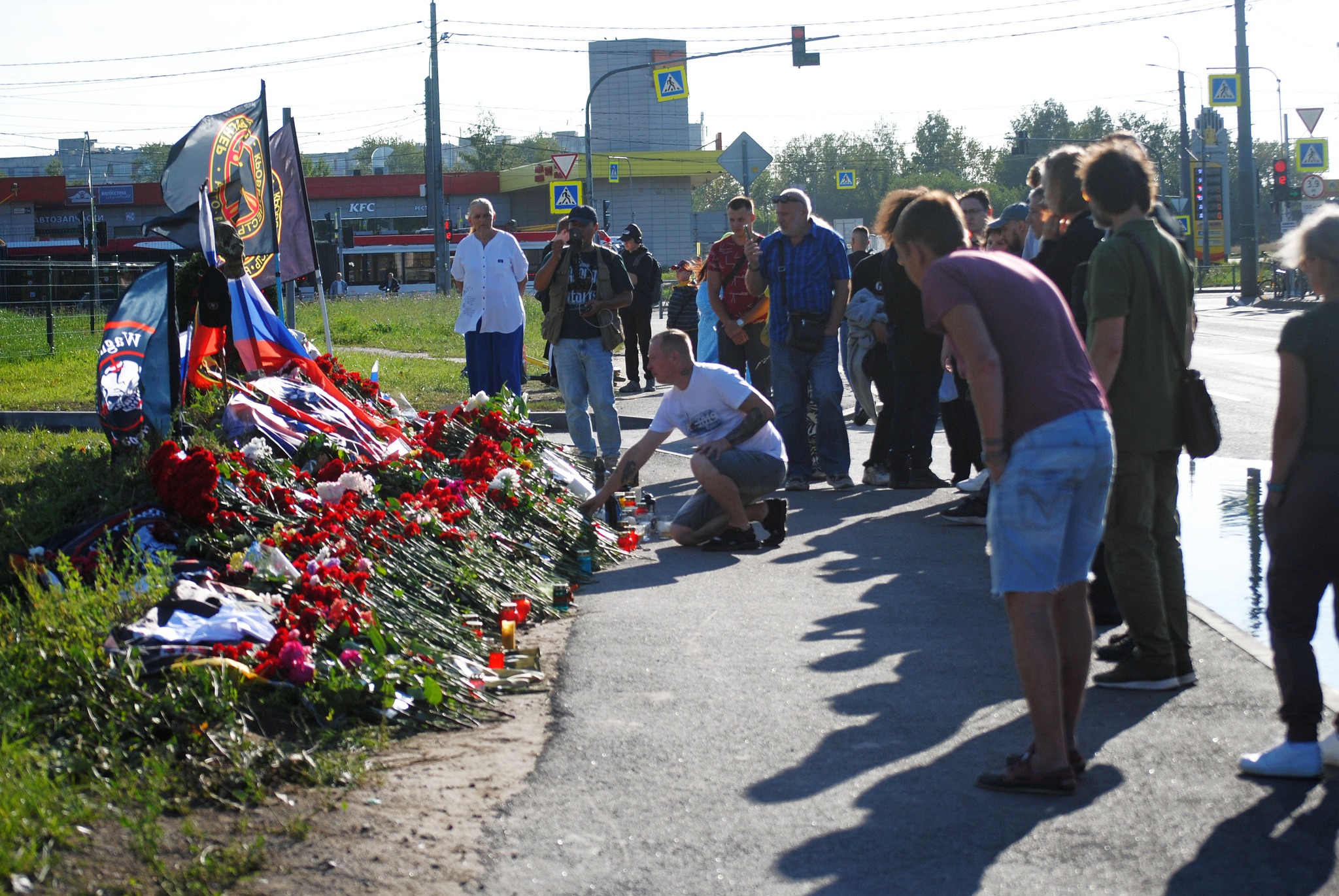
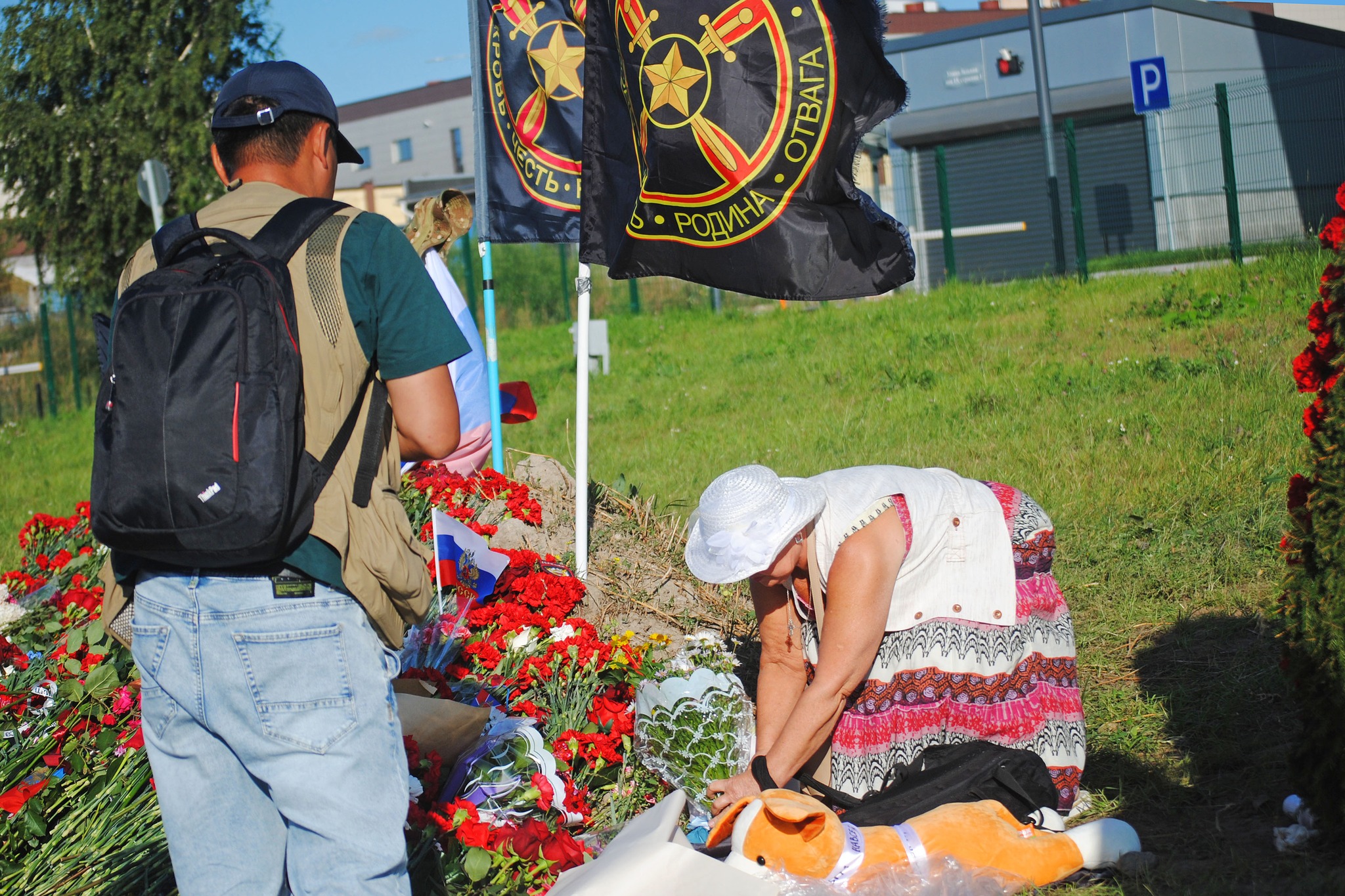
I went to see the spontaneous memorial to Prigozhin on Zolnaya [“Ashes”] Street [near the former (?) Wagner Center office building in St. Petersburg]. I have to say that what I saw impressed me. People kept coming and coming—young dudes and girls, men who were slightly older, and some people even had their kids with them. They brought flowers. They stood and looked for a long while. Some got down on their knees, and this one young dude crossed himself and genuflected. A Chinese guy was videotaping the whole scene and talking in Chinese, but it troubled no one. That’s him sporting a rucksack and filming point-blank the woman in the hat who is putting what looks like a whole bush of roses in a vase.
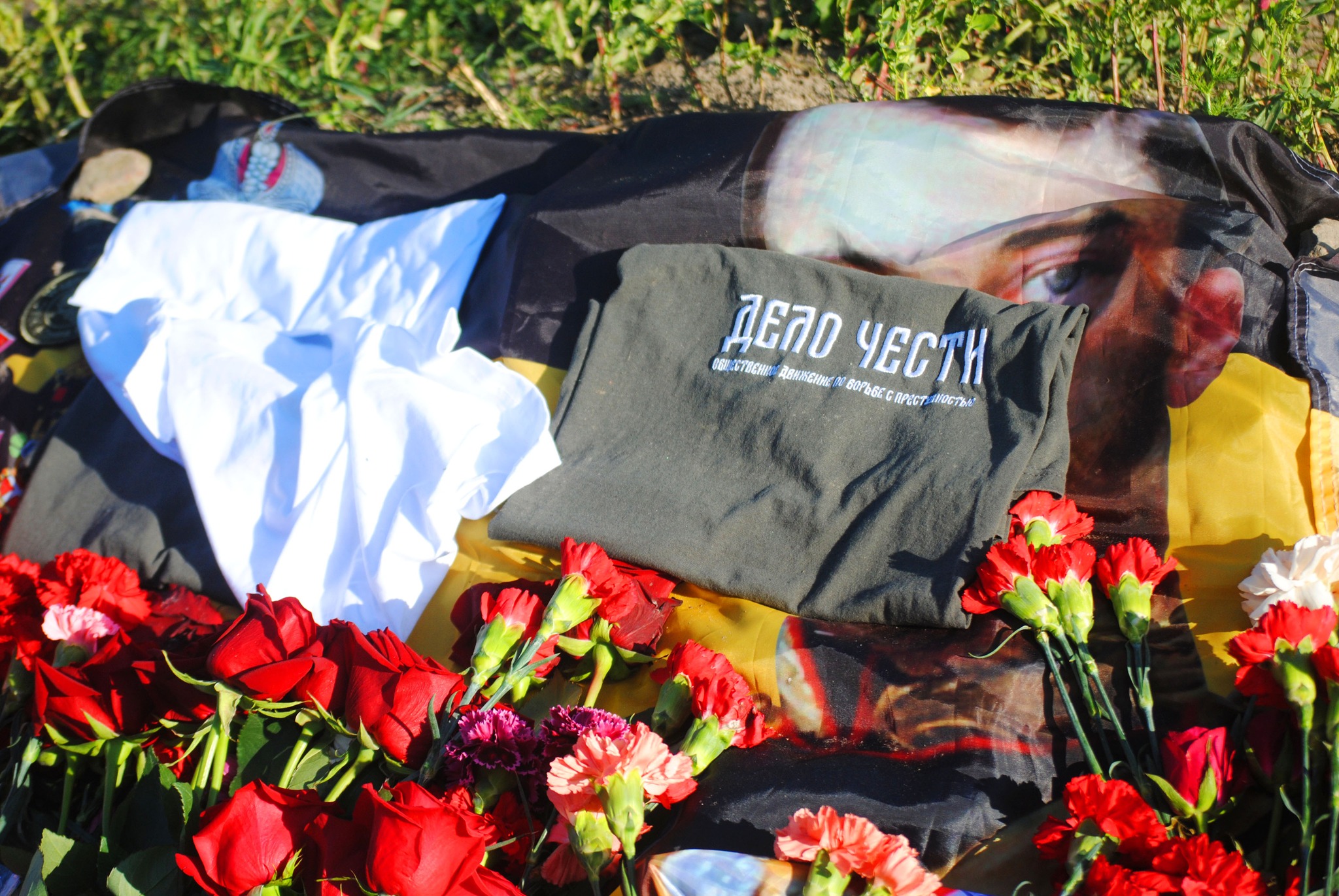
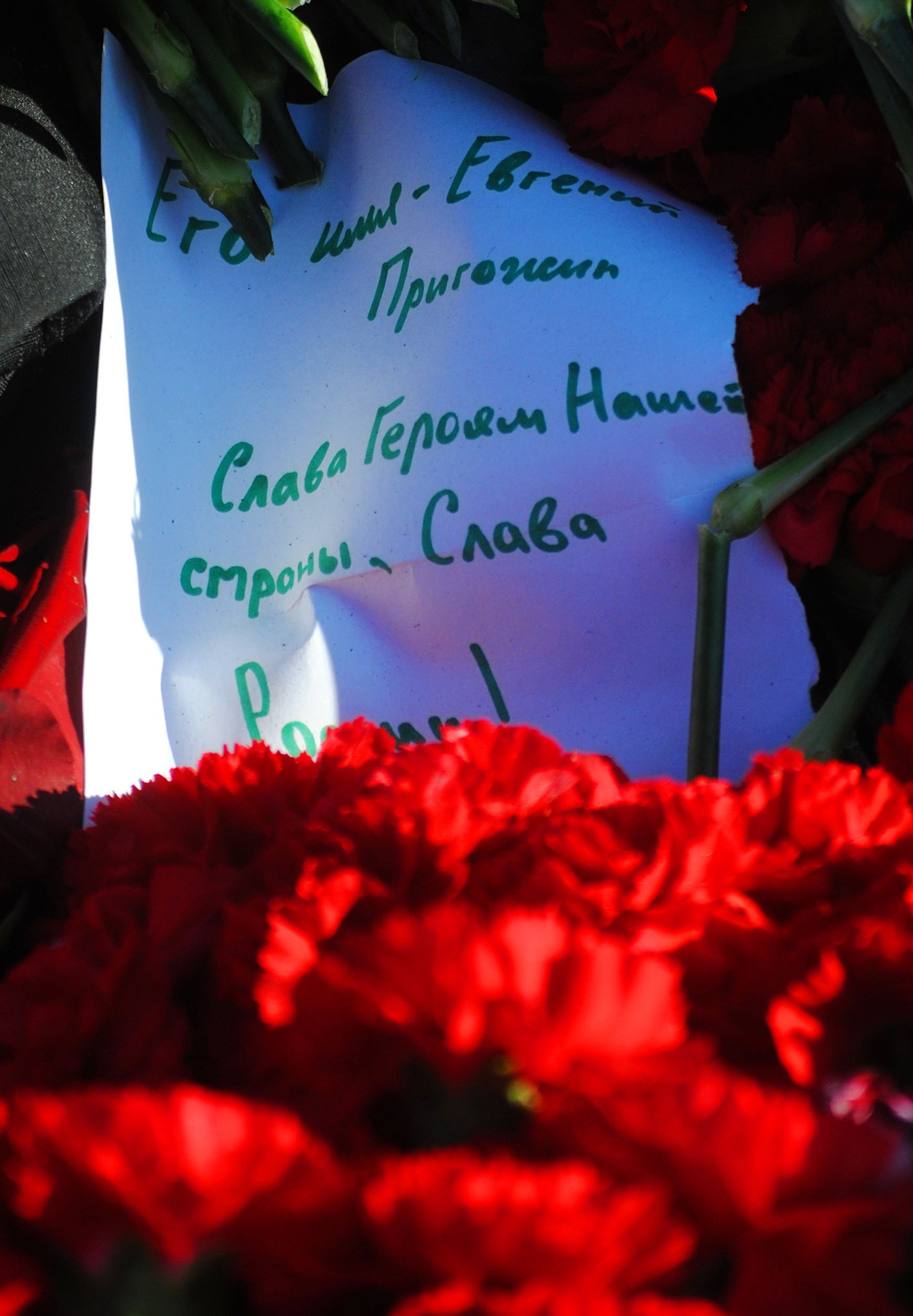
Source: Marina Varchenko (Facebook), 26 August 2023. Translated by the Russian Reader


Hello, dear Moscow Times readers! This is your weekly newsletter, and we’re kicking off with the (near-certain) death of Yevgeny Prigozhin, the man dubbed Vladimir Putin’s “chef.”

However, Prigozhin gained notoriety not for his culinary talents, but for his business ventures. He set up several enterprises that were extremely vital to the Russian authorities. The most well known were the private military company Wagner and the “troll factory” in Olgino, a suburb of Petersburg, which was used as a tool for influencing the information space in the Russian Federation and the world.

Trolls are fantastic creatures, and they vanished of their own accord, you might say, but apparently it was Vladimir Putin who put the kibosh on Wagner. The rowdy band of freewheeling mercenaries, who took their orders from god knows whom, has come to end.

We should recall, of course, that Prigozhin took a long time admitting that Wagner and the Olgino trolls worked for him. He acknowledged this obvious fact only in the midst of the war, and this was the first step toward the mutiny of 23 June and his (near-certain) death on 23 August. The public owner of an effective resource can either use it or give it up. Prigozhin didn’t feel like giving Wagner away—that is, transferring it to the command of the Defense Ministry (and take an oath, as Vladimir Putin has now ordered)—and so the strange mutiny that had such supremely serious political consequences happened, and, later, the Embraer jet plane crashed in the Tver Region. (It was the first time this type of plane had an accident involving fatalities.)

We interviewed people in the know about the moods among Russia’s elites to find out how they were taking the “chef’s” demise. We went further, though, asking several people who kept a close eye on Prigozhin’s rise and (alas, literal) fall to explain the meaning of the story that has unfolded before our eyes.

The first explanation comes from an observer in civil society who claims that the plane crash was caused by underlings going farther than they had been ordered to go. In fact, this observer argues, Putin did not want Prigozhin dead. Without his trolls and without Wagner, which had ceased to operate in the RF and had begun to be transferred to Defense Ministry-controlled outfits in Africa, Prigozhin was no threat to Putin. However, there were people (in the GRU, most likely) who believed that Putin would be pleased if they brought him the mutineer’s head on a plate.

The risks are the same as in the case of the late [Boris] Nemtsov [assassinated near the Kremlin in 2015]. After his untimely death, Prigozhin’s significance as a symbolic figure could increase and thus serve as a consolidating factor. We cannot rule out the possibility that Prigozhin’s memory will lead to the creation of something bigger than what emerged around the man during his lifetime.

The second explanation comes from an observer in the defense sector, who argues that we’re seeing a repeat not of Nemtsov’s murder, but of the death of Polish president Lech Kaczyński in 2010. (The official Polish Tu-154 plane carrying him and other Polish officials crashed while attempting to land in Smolensk, Russia. Many Poles believe that the plane was brought down by a bomb planted onboard by the Russian secret services.)

The hit squad didn’t go too far. On the contrary, [Prigozhin’s plane crash] was a carefully planned operation that was brought off nearly flawlessly. Although we can claim that such things don’t get done without Putin’s consent, there is no way to prove it.

The third explanation comes from a political spin doctor and frequent guest on YouTube channels. He wonders why everyone has decided that the passenger manifest and the presence of his personal effects [at the crash site] is sufficient to prove that Prigozhin was killed. We cannot rule out the possibility that Prigozhin and Putin made a deal and that Yevgeny Viktorovich will be the Kremlin’s secret weapon. I’m joking on this point, of course. But Russian realities are such that a man dies he shakes off all the bad stuff that happened in his life, and people focus on his admirable qualities. Look at Stalin: his bloodthirstiness and lack of principle have been forgotten, and no one remembers the terrible mistakes he made while running the country. He’s a winner, a victor. Stalin and Prigozhin cannot be compared, but nor can we deny that Prigozhin has been the most auspicious commander in the Ukraine war.

The fourth explanation comes from an opinion journalist and writer who asks us to the recall the Russian fairytale about the vixen and the thrush. The vixen terrorizes the thrush by threatening to kill its fledglings. First the vixen asks the thrush to give it something to drink, and then it asks the thrush to feed it, so the thrush helps it to steal food and beer. (The analogy here with the “chef” is obvious.) The sated and drunken predator then orders the thrush to make it laugh, and so the thrush alights on the heads of two peasants, father and son, who cripple (and even kill) each other whilst trying to beat the thrush. (Thus recalling the Olgino trolls and their work on the US elections, for example.) After the vixen has laughed its fill, it says to the thrush, Now scare me! The thrush raises a mutiny against the fox—oh, sorry, it gets hunting dogs to attack the vixen. Depending on which version of the fairytale you find, the vixen either gets killed or escapes the attack, but it is genuinely frightened.

Vladimir Putin wanted to have an alternative both to his own generals and to the supremely dangerous Kadyrovites. He came to count on Prigozhin to carry out sensitive missions both in Africa and the RF, but failed to take into account the man’s ambitions and got carried away. When Putin was faced with Prigozhin as an actual threat, he had to defend himself in earnest.

Source: Moscow Times Russian Service, weekly email newsletter, 27 August 2023. Translated by the Russian Reader


Russian Media Monitor, “Propagandist blames US, Ukraine and NATO for Prigozhin’s crash,” 24 August 2023
Thanks to Monique Camarra (EuroFile) for the heads-up)

Mykola Honchar lives in a crumbling stone house in what is left of a tiny hamlet of eastern Ukraine. The town was attacked by Russian forces in June of last year, as the Wagner mercenary forces were spearheading a renewed offensive.

Even before the Kremlin set Wagner loose to wreak havoc in Ukraine, the Russian campaign was notable for its brutality. But from the moment Wagner forces entered the war in April 2022, they earned a special reputation for bloodlust from civilians and soldiers alike.

To Mr. Honchar, the death this week of Wagner’s leader, Yevgeny V. Prigozhin, responsible for so much carnage in the war, would be fitting — a violent end to a violent life.

“He has blood on his hands,” said Mr. Honchar, 58. “If there is a god, god will figure out what to do with him.”

Even in a war in which civilians were shot dead in the Kyiv suburb of Bucha, and the town of Mariupol was bombed into oblivion, Wagner and Mr. Prigozhin cultivated an image of brutality.

A video was promoted across Wagner-affiliated social media of the execution of one of Mr. Prigozhin’s own soldiers with a sledgehammer after he was captured and then released by the Ukrainians in a prisoner swap. While in custody, the prisoner had taped an interview saying he did not believe in Russia’s war.

“A dog receives a dog’s death,” Mr. Prigozhin said in the video.

By the time Ukraine regained Mr. Honchar’s village of Bohorodychne, Mr. Honchar was one of only two people left living in the village, once home to around 800 people.

The other person was Nina Honchar, his 92-year-old mother. He had stayed there despite the danger to take care of her. She died earlier this month.

He does not know if Wagner fighters were among the occupiers. “I did not ask for their documents,” he said. But he recalls seeing Russian fighters, who appeared to be on drugs, wandering around town in their underwear, their bodies covered with prison tattoos.

Wagner amplified its force by recruiting prisoners. After Wagner left the battlefield in June of this year, the Russian military continued the use of convicts as part of newly formed “Storm Z” units along the most dangerous front line positions.

To Mr. Honchar, it hardly matters under what banner the soldiers fought. The legacy of Wagner and Russian forces, he said, are one and the same: death, destruction and ruin.

“My brother and his wife were torn apart by shells,” Mr. Honchar said. Before he could bury them, he had to collect their body parts. “There was no skull, his hands were scattered,” he said of his brother.

Once he collected what he could find, he wanted to bury them in the local cemetery but it was under constant attack and too dangerous. He laid their remains in a trench and covered them with dirt.

When his 80-year-old neighbor died, he buried her in the crater of the shell that killed her.

Looming over the village is the Church of the Holy Mother of God, ‘Joy of All Who Sorrow.’ With its sky blue walls visible for miles around and majestic golden domes, it was once a draw for tourists and pilgrims.

Now its walls are blasted apart, one dome has tumbled to the ground and the gold leafing blasted away from another.

[…]

Source: Marc Santora, “In a Gutted Village, No Tears For Prigozhin,” New York Times, 27 August 2023, p. 9
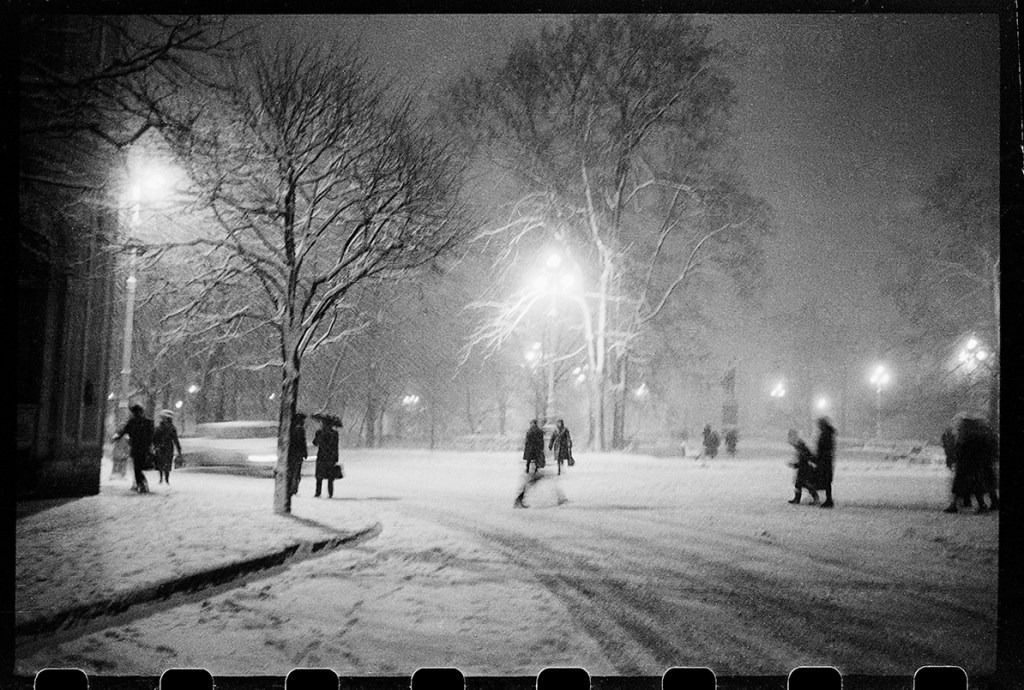
Middle of the Morning

Masha Ivashintsova, Leningrad, 1983

So perhaps there were people who would like to hear about feelings, but I did not think they were people I would want to know.

Helen DeWitt, The English Understand Wool


Jason Isbell and the 400 Unit, “Middle of the Morning” (2023)

Well, I’ve tried
To open up my window and let the light come in
I step outside
In the middle of the morning and in the evening again

Yes, I’ve tried
To be grateful for my devils and call them by their names
But I’m tired
And by the middle of the morning I need someone to blame

I know you’re scared of me, I can see it in your face
I can feel it in the way you move around this place
I know you’re scared of me, I can see it in your smile
Like an unattended child you can’t quite trust

But I’m tired
Of stepping on your shadow and feeling in the way
Yes, I’m tired
And by the middle of the morning I’m out of shit to say

I ain’t used to this, seeing everybody’s hand
I was raised to be a strong and silent southern man
I ain’t used to this, a thousand days alone
In my bed or in my head or in my phone

Yes, I’m tired
Of living in the moment and sleeping through the dream
I step outside
In the middle of the morning and the roses hear the scream

I know you’re scared of me, so I never get too close
I just sit here on the tailgate like a farm hand’s ghost
Watch the roses bloom, watch them wilt away and die
‘Til I notice I’ve been crying this whole time

Well, I’ve tried
To open up my window and let the light come in
I step outside
In the middle of the morning and in the evening again

Source: Musixmatch. Thanks to Mark Rogers (Nashville Babylon) for the heads-up.


Russia continues to reap the consequences of its reckless campaign to release dangerous criminals from prisons to dispatch in their illegal war against Ukraine, RFE/RL’s Sever.Realii reported on Aug. 3.

The latest case involves 37-year-old Igor Sofronov, who had previously served a sentence for robbery, attempted murder, and other crimes. Upon returning to his hometown of Dereviannoye in the Republic of Karelia after his involvement in the war, Sofronov spiraled into a series of alcohol-fueled binges.

Ukraine_Twi

During one of these drunken episodes, Sofronov, along with his drinking buddy, 38-year-old Maxim Bochkarev, who had also been imprisoned for theft, abduction, robbery, and rape, unleashed a brutal massacre, claiming the lives of six individuals.

“The murders were committed in two houses within 200 meters of each other. In the first house, two men (father and son) were killed, and in the second one, three men and a woman were brutally murdered. Both houses were set on fire after the killings. The suspects were apprehended six hours later,” the report said.

Local residents revealed that Sofronov had served as a mercenary for the Wagner private military company. There is also information suggesting that he fought as part of the “Storm Z” unit, which operates under the Russian Ministry of Defense and recruits prisoners for participation in so-called “meat grinder assaults.”

den_kazansky/Twitter

This tragic incident serves as yet another example of returning Russian aggressors turning their violence on their fellow citizens.

Source: “Former Wagner prisoner kills 5 Russians in drunken rampage after return from Ukraine,” The New Voice of Ukraine, 3 August 2023


The Arlenes, “Lonely Won’t Leave Me Alone” (2002)

There was a time I thought I knew
About life and what to do
And now it’s plain I know nothing at all
I should have known better

But I took it all on blind faith
And now the bad guys have all run away

Lonely won’t leave me alone
Tried I tried but you won’t let go
It’s a pain that won’t go away
Lonely won’t leave me alone

There was a time I had pride
I had friends stood by my side
And a smile was all I had to give
Under a spell under a cloud
I fell in with the wrong crowd
And so I guess I learned my lesson well

Lonely won’t leave me alone
Tried I tried but you won’t let go
It’s a pain that won’t go away
Lonely won’t leave me alone

Chalkin’ days on the wall
Seems this night won’t end at all
For me patience leaves
Trace your smile on the glass
Try to make it all last
Till I come home again

Lonely won’t leave me alone
Tried I tried but you won’t let go
It’s a pain that won’t go away
Lonely won’t leave me alone

There was a time I thought I knew
About life and what to do

Source: SongLyrics. Thanks to Mark Rogers (Nashville Babylon) for the heads-up.

501 Days

The criminal war as such does not outrage them. The war itself completely suits them all. They love this war. They just don’t like that their slave husbands are kept at the front for too long without leave.

How did that line go? Whether you like it or don’t like it, bear with it, my beauty.

Source: KOLOKOL XXI (Telegram), 8 July 2023. Translated by the Russian Reader. Specifically, the women in this video appeal to Vladimir Putin ask that men who are mobilized to fight in Ukraine (as their husbands and sons were, allegedly, in September 2022) should spend no more than six months at the front and should be relieved by “trained reserves as soon as possible”: “Our men need R&R. Send our men back home,” says one of the women. The woman shown holding a baby, at the end of the video, suggests that the mobilized men be relieved by some of the “over four and a half million professionals” serving in the Emergencies Ministry, the Interior Ministry (i.e., the police), and the regular army. Nevertheless, the women unambiguously voice their support for the “special military operation,” while claiming that their own “lives are hell.”


Vladimir Putin visiting a training ground for mobilized soldiers. Source: Russian Defense Ministry via Republic

Russian troops at the front are severely depleted due to the lack of rotation, which in turn is caused by a shortage of reserves, according to the Institute for the Study of War (ISW) in the United States. Meanwhile, the deputy chairman of the Russian Security Council, Dmitry Medvedev, radiates optimism on this score. At a meeting to discuss reinforcing the Russian armed forces with contract soldiers, held the other day, Medvedev claimed that, according to the Defense Ministry, over 185,000 men had enlisted in the Russian army over the past six months, during the period 1 January to 4 July 2023.

Data from various sources suggest that a significant portion of Russia’s current contingent of “contract soldiers” consists not so much of men who for one reason or another (usually financial, less often ideological) actually have volunteered to go to fight in Ukraine, as of men who have been turned into mercenaries under contract in a “voluntary-compulsory” manner.

We have already reported that, judging by Rosstat’s numbers on migration flows in the Russian Federation in 2022, Tajik nationals have been forced to “volunteer” in this fashion. And this includes not only Tajiks who, by an unfortunate coincidence, came to Russia to work in 2022 and now can only come return to Russia via the front line in Ukraine, and from there go home either in a plastic bag or in a wheelchair. Attempts are underway to make “volunteers” of Tajiks who have not left their country and had no plans to leave, but who are forcibly mobilized into the Russian army by the government of their native Tajikistan.

It seems, however, that although the Russian leadership is running out of Tajiks, it intends to keep fighting for a long time. For this reason, it could find no better solution than to forcibly reclassify young men already conscripted in Russia itself as “contract soldiers.” This campaign, apparently, has also enjoyed only fair to middling success. Moreover, so much so that the authorities are now not only forcing mostly previously untouchable young Muscovites to join the army (and in the current circumstances this actually means sending them to the front), but even those residents of the capital who have papers certifying them as unfit for military service on medical grounds.

The Telegram channel of the human rights organization Soldiers’ Mothers of St. Petersburg relates the story of nineteen-year-old Muscovite Andrei B. Armed with medical certificates that should have enabled him to receive a reprieve from the army (in particular, he needs surgery due to a joint disease), Andrei and his lawyers went to the military enlistment office in Moscow’s Izmailovsky District. However, the enlistment officers immediately confiscated Andrei’s [internal] passport, forbade him from using his phone, and kicked his lawyers out into the street. Basically, Andrei was forcibly captured by the Russian National Guard and held by its officers inside the military enlistment office. Summoned by Andrei’s lawyers, the police who arrived at the scene assisted the Guardsmen, rather than the young man, who was being held by force. Andrei became ill when his blood sugar spiked. An ambulance crew summoned by the lawyers were not allowed to attend to the young man.

Consequently, according to the post on Soldiers’ Mothers Telegram channel, “assisted by the Russian National Guard, the young man, who could barely stand on his feet, was escorted to the assembly point, where neither his mother nor his lawyers were admitted. Unfortunately, it proved impossible to secure the young man’s release from the assembly point.”

According to Soldiers’ Mothers, such cases are widespread. On the same day, a dozen more young Muscovites were sent to the assembly point from this same enlistment office alone.

In fact, we are witnessing the next wave of a covert “partial mobilization.”

There are two significant points about this story. The first is that nearly all the forcibly mobilized young men had medical reprieve certificates and went to the military enlistment offices with their lawyers, who, in turn, had been provided to them by human rights organizations. In this regard, the naivety of human rights activists, including the Committees of Soldiers’ Mothers, and commentators of this story on social media, who have been outraged by the “violations of the rights” of young men thus “shanghaied” into the army, cannot help but astonish us.

The second point is that the large-scale dispatch of Muscovites into combat suggests that the regime has fewer and fewer human resources available to it. The quality of these mobilizable reserves is questionable, however.

Bloomberg identifies convicts and Kadyrov’s Chechen fighters as two other additional sources for replenishing the Russian army’s manpower.

Of course, the Russian Defense Ministry can continue to recruit convicts, but the numbers and quality of these soldiers will steadily decrease. This is simply because the numbers of murderers, robbers, and rapists who have already been killed or seriously injured, and whom Prigozhin prioritized over other residents of prisons and penal colonies, since they had the specific relevant “background,” have for obvious reasons greatly decreased. As we recall, Prigozhin himself claimed that 20,000 Wagner fighters, half of whom were ex-convicts, had been killed in the battles for Bakhmut alone.

The number of Chechen soldiers whom Kadyrov is willing to send to the front is also limited, since he has to maintain significant forces in Chechnya itself, both to protect his own clan from possible uprisings, and in case of “unforeseen” circumstances during which the federal center would be greatly weakened and he would finally deem it possible to declare himself an independent sovereign. Whatever the case, Kadyrov has cited two figures: 7,000 of his loyalists already in the combat zone and an additional 2,400 men undergoing training. Slim pickings, as the saying goes.

The quality of these “TikTok warriors” is also questionable. Not because Chechens don’t know how to fight. They do know how to fight, as they proved in both Chechen wars, in 1994–1996 and 1999–2004. But this is not their war.

Sooner or later, a significant percentage of Russian soldiers will reach the same conclusion.

Source: Alexander Zhelenin, “Hidden mobilization wave reaches Moscow as quality of Russian army’s manpower continues to decline,” Republic, 8 July 2023. Translated by the Russian Reader. The emphasis, above, is the author’s.


Men in military uniforms robbed a magic store in Belgorod.

Yesterday afternoon, two men in camouflage who had allegedly returned from the war zone entered the store, Promagia, on People’s Boulevard. The shopkeepers claim that the two men introduced themselves as “Wagnerians.” Video footage of the incident shows that one of the men sported a Wagner PMC patch on his rucksack.

Footage of the alleged incident at the Promagia magic store in Belgorod, as posted on Telegram

According to the shopkeepers, at first the military men tried to extort money: allegedly, the previous tenant was in debt to them. When the shopkeepers explained that they were new tenants, the men in uniform did not calm down and stole a pendant on a chain from the counter before snatching another item from a shopkeeper’s hands. When they were told they had to pay for the items, one of the “Wagnerians” replied that he had “given himself a gift.”

Police later arrived at the store to document the theft by the military men. The police told the shopkeepers that information about the same two soldiers had been reported by other shops.

Source: News Flash — Belgorod (Telegram), 9 July 2023. Translated by the Russian Reader. Thanks to News.ru for the tip. It is possible that this incident was cooked up and leaked into the media as part of the regime’s current smear campaign to discredit Yevgeny Prigozhin and the Wagner Group. But given that they are ruthless fascist thugs themselves, it is just as possible that two “Wagnerians” did rob the magic store on People’s Boulevard in downtown Belgorod. Stranger things have happened.

Best Russian Brand

Yevgeny Prigozhin. Photo: Yuri Martyanov/Kommersant

Russian businessman, owner of the Concord Group of companies, “Putin’s chef” and confidant of the president, founder of a media empire and the Wagner Group, and one of the most famous people in Russia, Yevgeny Prigozhin now faces criminal charges of organizing an armed rebellion.

Prigozhin was born in Leningrad on 1 June 1961. We know that his mother, Violetta, worked at a hospital, his father died early, and his stepfather Samuel Zharkoy raised the future “Kremlin chef.” Zharkoy also encouraged Prigozhin to ski: his stepson graduated from Athletics Boarding School No. 62, where the swimmer Vladimir Salnikov and the gymnast Alexander Dityatin were his classmates. Prigozhin then enrolled at the Leningrad Chemical and Pharmaceutical Institute, but, according to his own account, he did not finish his degree there.

In 1979, the entrepreneur was given a suspended sentence on robbery charges. According to media reports, in 1981 he was sentenced by the Zhdanov District Court to twelve years in prison for a number of crimes at once, but in 1988 he was pardoned, and in 1990 he was released from prison early.

Beginnings

As Prigozhin himself recounted in an interview, his first business, founded in 1990, was selling hot dogs at the Apraksin Dvor market, the first such outlet in the city. “The mustard was mixed in my apartment, in the kitchen. My mother also tallied the proceeds there. I earned $1,000 a month, and that amounted to piles of rubles,” the businessman said.

In the 1990s, Prigozhin managed Kontrast, a chain of private grocery stores. He launched his future restaurant business in 1995 by opening Wine Club, a bar and shop on Vasilyevsky Island. In late 1996, after meeting the Briton Tony Gere, Prigozhin opened the Old Customs House, which is considered one of the first elite restaurants in Petersburg. According to some reports, his partner in this business venture was Mikhail Mirilashvili, a well-known Petersburg entrepreneur who years later cofounded the VKontakte social media network.

Prigozhin later opened three more establishments: Seven Forty, Stroganov Yard, and Russian Kitsch. In 1998, he opened the restaurant New Island on the used passenger ship Moscow-177, purchased for fifty thousand dollars, which became a popular spot in Petersburg. When Prime Minister Sergei Stepashin and IMF managing director Michel Camdessus visited the city in June 1999, New Island was the only decent place to wine and dine the high-ranking guests.

In 2001, Vladimir Putin dined there with Jacques Chirac, and a year later with George Bush. In 2003, according to media reports, the Russian president celebrated his birthday there. Since the businessman personally served dishes to the president, he was dubbed “Putin’s chef” and “the Kremlin’s chef.”

By that time, Prigozhin had already moved into the catering business, founding Concord Catering in 1995. In 2002, he launched the Damn!Donalds chain of fast food restaurants: the businessman came up with the name himself. The chain was shuttered ten years later, however.

As the businessman recounted in an interview about the success of his catering business, by 2005 he owned “the largest catering company in Russia for ten years running.” “We did all the G8s and the summits,” Prigozhin recalled. From information available in open sources, it follows that the businessman actually did organize a number of banquets for high-ranking guests, including meals at the Russian Federal House of Government.

Buoyed by this success, Prigozhin decided to enter the school meals market. “I decided to try my hand at it and chose a couple of schools on Vasilyevsky Island — No. 10 and No. 18. Of course, it wasn’t a business. I began feeding the schoolchildren airtight-packaged box meals. I set up modern compact kitchens right in the schools — everything fit in a six-square-meter space. At the same time, I carefully researched the topic.”

In the 2000s, Prigozhin went into the construction business. In particular, he built Northern Versailles, a gated mansion community, in Petersburg’s Lakhta district. In 2016, a company belonging to the businessman built the Lahta Plaza [apartment and hotel] complex next to St. Petersburg Tricentennial Park.

In 2016, it transpired that a Prigozhin-affiliated company bought the premises of the Shop of Merchants Yeliseyev, which he had occupied on lease since 2010, after making expensive renovations. By 2015, Prigozhin’s companies had become the largest supplier of food to the Defense Ministry.

In 2018, Vladimir Putin said in an interview with western media, “He is not my friend. I know such a person, but he is not on my list of friends.”

Media Empire

In 2013, it was reported that the Internet Research Agency, which was informally dubbed the “troll factory,” was located on Savushkin Street in Petersburg. Hundreds of people worked on the media holding’s websites. Prigozhin’s connection with the growing media empire was denied by Concord’s press service.

2019 saw the emergence of the Patriot Media Group, which included the Federal News Agency (FAN), Economy Today, Politics Today, and Nation News. Yevgeny Prigozhin headed its board of trustees, but the businessman’s financial involvement in the project was denied.

Western sanctions against Prigozhin were imposed for the first time over the involvement of his media outlets in the information campaign [sic] for the US presidential election.

Wagner

The Wagner Group, a private military company, was founded in 2014. Subsequently, Wagner soldiers were involved in fighting in eastern Ukraine and, later, in Syria. In 2017, the company was placed on the US sanctions list. But [Prigozhin] admitted his involvement in founding Wagner only in 2022. Western countries have claimed that Wagner mercenaries have also operated in Libya, the Central African Republic, Sudan, Mozambique, and Mali.

SMO

Since 24 February 2022 and the beginning of the SMO, Prigozhin gained worldwide fame in connection with the Wagner Group’s actions in Ukraine. Wagner’s troops have been heavily involved in the fighting. Mercenaries recruited among convicts have been actively joining the ranks of Wagner PMC. In March, the businessman claimed that over 5,000 ex-convicts had returned to Russia after participating in combat.

The conflict between the Defense Ministry and Prigozhin rapidly deteriorated in 2022, although friction between the two parties had essentially begun several years earlier.

A year later, in February 2023, Prigozhin publicly voiced dissatisfaction with the lack of ammunition during the battles for Bakhmut (Artemovsk). A campaign entitled #GiveWagnerShells gained momentum on the internet.

On May 10, the businessman, amid rumors of a “shell famine,” publicly announced his willingness to transfer Wagner’s positions in Bakhmut to Chechnya’s Akhmat Regiment at the suggestion of Chechen ruler Ramzan Kadyrov. On May 20, the businessman said that Wagner had taken Bakhmut, and once again made highly critical remarks about the Defense Ministry. Five days later, Prigozhin announced that he was withdrawing his units from the city.

In June 2023, the businessman asked Defense Minister Sergei Shoigu to release the Concord Group from its catering contract in the SMO zone after more than sixteen years of successful cooperation with the Russian military’s kitchens.

Moreover, Prigozhin said that an order that members of volunteer detachments must sign contracts with the Defense Ministry did not apply to the Wagner Group.

Then came June 23. Wagner’s founder made new public statements, triggering criminal charges against him. If convicted, Prigozhin faces up to twenty years in prison.

Source: Irina Kurbat, “Who is Yevgeny Prigozhin?” Fontanka.ru, 24 June 2023. Translated by the Russian Reader


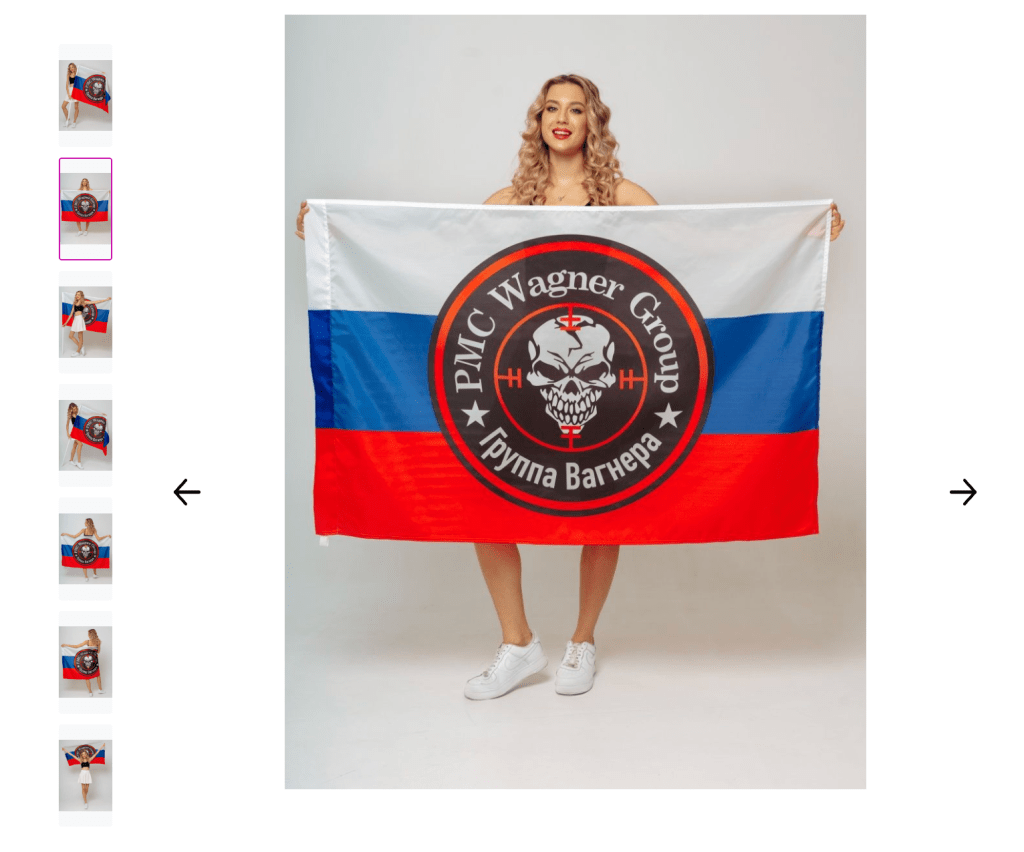
Goods bearing the emblems of the Wagner Group (including chevrons, flags, t-shirts, baseball caps, and sewn-on patches) have been brought back to the “counters” at Wildberries, as our correspondent verified on the evening of June 24.

In the first half of the day, a source at Wildberries told RIA Novosti that the online retailer had bearing removing goods bearing the [private military] company’s emblems and was going to remove them altogether. Later, such goods were hidden by Ozon, where they are still unavailable.

Source: “Wildberries brings back Wagner-branded goods,” Fontanka.ru, 24 June 2024. Translated by the Russian Reader


A search for the phrase “Wagner PMC” on the website of popular Russian online retailer Wildberries garnered 8,736 items, including the fetchingly reimagined Russian tricolor flag, below. This search was performed at 11 p.m. Moscow time on 24 June 2023.

Zenit FC midfielder Wendel has decided not to return to Petersburg due to the situation with the Wagner PMC, reports Sport Express, citing the player’s agent Cesare Barbieri.

“This is definitely a very delicate situation. Wendel will stay in Brazil until the situation improves. The club has already been notified of this. Zenit has reacted understandingly to the situation,” the agent said.

In the 2022–2023 season, 25-year-old Wendel has played twenty-five matches for Zenit in the Russian Premier League, scoring eight goals.

Source: “Zenit football player Wendel afraid to return to Russia,” Fontanka.ru, 24 June 2023. Translated by the Russian Reader

HIV on the Rise Again in Russia

The number of new cases of HIV infection in Russia has been growing again. In 2022, 63,150 people were diagnosed with HIV, while a year earlier this figure was 61,098 people, according to the Russian Health Ministry. During the pandemic, fewer cases of HIV infection were detected in Russia due to reduced testing coverage and lockdowns.

The HIV detection rate in Russia increased by eight percent per 100,000 people in a year. There was an even bigger jump in particular regions. Compared with 2021, this figure almost doubled in the Belgorod Region. It increased by 76% in the Kaluga Region, by 66% in Yakutia, and by 60% in Ingushetia and the Altai Republic.

HIV infection rates in Russia per 100,000 people between 2004 and 2022, according to the Russian Health Ministry.

However, the Health Ministry’s data encompasses only people who have registered as outpatients at AIDS centers. They do not reflect those who have tested positive for HIV, but were not registered. The number of such people is as high as twenty percent of all confirmed cases of infection, estimates Vadim Pokrovsky, head of the Epidemiology and AIDS Prevention Research Department at Rospotrebnadzor’s Central Epidemiology Research Institute. Nor does this figure include foreign nationals and anonymous positive tests.

In 2021, 1,138,000 people with a confirmed diagnosis of HIV diagnosis resided in Russia. In 2022, another 60,000 people were diagnosed with HIV. To these groups we need to add around 300,000 people (according to Pokrovsky’s estimates) who have HIV but don’t know it because they haven’t been tested. Thus, the number of HIV-positive people in Russia is one and a half million, which is one percent of the country’s population.

2.6% of pregnant women in the Irkutsk Region are HIV positive.

At the Congress on Infectious Diseases, Pokrovsky said that almost a third of Russia’s regions are undergoing the generalized (third) stage of the HIV epidemic. He explained that there are three stages of the epidemic. The first (initial) stage involves isolated cases. The second (concentrated) stage occurs when more than five percent of any high-risk subpopulation is infected (for example, prison inmates, drug addicts, or sex workers, while the third (generalized) stage occurs when more than one percent of pregnant women are infected with HIV.

According to Pokrovsky, nine Russian regions are in the first stage of the epidemic, while forty-eight are in the concentrated stage, and twenty-seven are in the generalized stage. In the Irkutsk Region, 2.6% of pregnant women have been diagnosed with HIV, he noted. Ten percent of Russian prison inmates are infected with HIV, and four percent of Russian men over the age of forty have HIV, adds Pokrovsky.

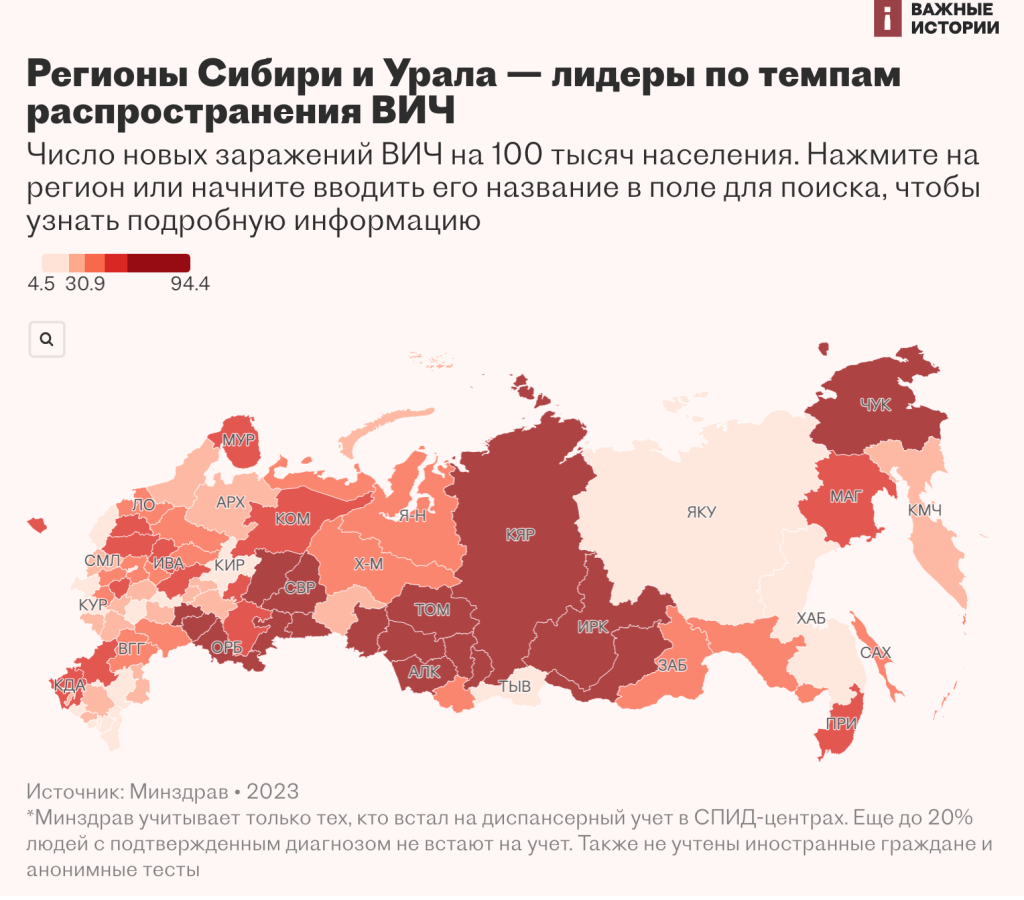
In 2022, regions of Siberia and the Urals — Krasnoyarsk and Perm Territories, Orenburg, Kemerovo, Irkutsk, Tomsk, Chelyabinsk, Novosibirsk, Kurgan and Sverdlovsk regions — remained the leaders in the rate of HIV spread, as in previous years.

“Regions of Siberia and the Urals are leaders in the rate of HIV spread. Number of new HIV infections per 100,000 people.
Click on the region or start typing its name in the search box to see specific figures.”
This map is interactive in the original article, as published on the Important Stories website.

And yet, flying in the face of its own data, which showed an increase in cases, in March of this year the Health Ministry reported a reduction in the number of new cases of HIV infection in 2022.

According to the UN strategy for eradicating HIV, a country should seek to hit the “90–90–90” treatment target if they want to beat the epidemic. This means that ninety percent of people with HIV should know their status, ninety percent of people who know they are HIV positive should receive sustained treatment, and ninety percent of patients undergoing treatment should have an undetectable (i.e., very low) viral load. When this is the case, an HIV-positive person undergoing antiretroviral therapy cannot transmit the virus to another person.

Antiretroviral (ARV) treatment is the principal means of combating HIV. Every person living with the immunodeficiency virus should receive this therapy. But that is not the case now.

In 2021, 82% of people who had regular medical check-ups and 56% of all those living with a confirmed diagnosis of HIV infection received ARV treatment, according to Rospotrebnadzor’s AIDS Prevention and Monitoring Center. An undetectable viral load was attained by eighty percent of those receiving ARV treatment.

The rest — more than half a million people with a confirmed diagnosis — do not receive treatment. Their viral load remains detectable, so they risk spreading the infection.

By law, Russian citizens should receive ARV treatment for free. However, the Health Ministry procures less medicine than HIV-positive people need, and has not increased the treatment budget despite the fact that the number of patients has been growing every year. Every day, the project “Interruptions.ru” fields messages from patients complaining about the unavailability of treatment.

49% of Russians registered as HIV positive are covered by drugs purchased by the state.

In 2021, Russia procured only 391,000 annual doses, according to the International Treatment Preparedness Coalition. This covers approximately 49% of the number of people who receive follow-up care, and 34.4% of all people registered as HIV-positive. Therapy coverage was thus fifteen percent lower in 2021 than in 2020.

The drugs procurement budget for 2023–2025 must be increased by at least fifteen billion rubles annually in order to provide all patients with the necessary treatment. However, the Finance Ministry is willing to allocate 31.7 billion rubles for drugs procurement annually during the period 2023–2025 — that is, it does not plan to increase spending.

And yet, according to one estimate, Russia spent ten trillion rubles on the war over the past year. This same amount of money could provide all Russians in need of it with ARV treatment for 270 years in a row.

The Health Ministry procures drugs for ARV treatment on the federal level, while the regions must purchase the drugs they lack themselves, an activist who helps people with HIV explained to Important Stories on condition of anonymity.

According to her, AIDS centers in the regions submit applications to the Health Ministry for the amount of drugs they need. But the Health Ministry buys less than requested — for example, AIDS centers might apply for ten thousand doses, but the Health Ministry buys them only seven thousand. The regions have to find the money to make up for the shortfall in drugs.

“We must increase the number of patients in treatment and increase coverage,” our source told us. “At the moment, it is unclear what to do without additional allocations of money for purchasing medicines.”

If the Russian authorities spent ten trillion rubles on medicines, rather than on the war in Ukraine, they could provide HIV-infected Russians with the treatment they need for 270 years in a row.

The regions are not required to buy additional medicines, nor do all of them do it. Consequently, patients find themselves in unequal conditions: in richer regions, they receive the appropriate treatment, while in poorer regions they do not. Moreover, spending on drugs does not depend on how bad the HIV epidemic is in a particular region. This can be seen by looking at procurements of the drug Dolutegravir. According to our source, it is a well-researched and rather expensive drug that is suitable for many patients. But the Health Ministry has been reducing its purchases of the drug, while the country’s richest regions — the Tyumen Region, Moscow, St. Petersburg, and the Khanty-Mansi Autonomous District — spent the most of their own funds on it in 2022.

More than half of Russia’s regions did not purchase additional Dolutegravir for their patients at all, including, for example, the Sverdlovsk Region, where almost three thousand new patients were registered in 2022.

More than 77% of the money spent on Dolutegravir was spent by regions where only 23% of new HIV patients live.

Cutting-edge HIV treatment is available mainly to residents of rich regions

More than 77% of the public funds spent on procuring the drug Dolutegravir in 2022 were allocated by regions where only 23% of new cases live

A table showing how much Russia’s regions spent, in rubles and as a percentage of nationwide spending, on the ARV drug Dolutegravir in 2022, versus new cases of HIV infection last year, both in sheer numbers and as a percentage of the national total. The list includes Tyumen Region (at the top), Moscow, St. Petersburg, Khanty-Mansi Autonomous District, Chelyabinsk Region, Irkutsk Region, Tula Region, Novosibirsk Region, Yamalo-Nenets Autonomous District, Murmansk Region, and “all other regions.”

In 2022, Kommersant wrote about the reduction of purchases of expensive drugs for which there are no less-expensive substitutes. In 2021, such drugs accounted for 67% of the total volume of ARV treatment purchases, while in 2022, this figure was 55%. Cheaper drugs are being purchased to replace them.

Reducing the choice of drugs available makes it more difficult for patients to choose a treatment that suits them without causing side effects. It happens that only one drug out of four is suitable for a person, but the region where they live does not supply it.

Pokrovsky notes that the 63,000 new cases in 2022 is a high rate of infection. In reality, there are even more HIV-positive people in Russia, since the country’s most vulnerable groups are less likely to be tested.

“In part, the large number of new cases is due to the fact that we do test a large portion of the population: more than forty million tests were done in 2022. (But we must take into account the fact that, for example, pregnant women and donors are tested several times a year.) On the other hand, people who are particularly vulnerable to HIV infection — drug users and men who have sex with other men — are not tested enough,” Pokrovsky says.

68% of new HIV infections in Russia were the result of heterosexual sexual contact,
so sex education is needed to combat the epidemic.

Pokrovsky argues that to effectively combat the epidemic, the Russian government should promote sex education and fund social advertising campaigns.

“Nowadays, the biggest chunk of funding, over 30 billion rubles [per year], is spent on procuring drugs,” he says. “Treatment is supported by the pharmaceutical companies, so that is where the bulk of the funds are allocated. But there are no market-based solutions to prevention. In this case, you can only count on public funds. Very little is allocated for prevention, literally 500 million rubles [per year], and this amount does not grow from year to year. Most of it is spent on appeals to get tested, rather than on teaching people how not to get infected with HIV. Sex education is now practically prohibited [in Russia].”

Russia was among the top five countries in terms of new HIV case numbers in 2021. According to UNAIDS (the United Nations HIV/AIDS program), Russia accounted for 3.9% of the one and a half million new cases of infection in the world. Russia was bested, in 2021, only by South Africa (14% of all new cases), Mozambique (6.5%), Nigeria (4.9%), and India (4.2%). The Russian Foreign Ministry dubbed the news a “dirty information campaign” on the part of the West. Instead of receiving support, many Russian NGOs campaigning for HIV prevention and patient care have been labeled “foreign agents” by the Russian authorities.

Contrary to the stereotype that drug addicts are the most infected segment of the populace, heterosexual sexual contact is now the primary mode of HIV transmission in Russia, accounting for 68% of new cases.

You can take an HIV test free of charge and anonymously at AIDS centers in all regions of the country.

Source: “Every third region of Russia is experiencing a third-stage HIV epidemic. But the authorities refuse to recognize the growth of infections and purchase the medicines needed. Cutting-edge drugs are available to patients only in the wealthiest regions,” Important Stories (IStories), 13 April 2023. Translated by the Russian Reader


In Russian prisons, they said they were deprived of effective treatments for their H.I.V. On the battlefield in Ukraine, they were offered hope, with the promise of anti-viral medications if they agreed to fight.

It was a recruiting pitch that worked for many Russian prisoners.

About 20 percent of recruits in Russian prisoner units are H.I.V. positive, Ukrainian authorities estimate based on infection rates in captured soldiers. Serving on the front lines seemed less risky than staying in prison, the detainees said in interviews with The New York Times.

“Conditions were very harsh” in Russian prison, said Timur, 37, an H.I.V.-positive Russian soldier interviewed at a detention site in the city of Dnipro in central Ukraine, and identified only by a first name, worried that he would face retaliation if he returned to Russia in a prisoner swap.

After he was sentenced to 10 years for drug dealing, the doctors in the Russian prison changed the anti-viral medication he had been taking to control H.I.V. to types he feared were not effective, Timur said.

He said he did not think he could survive a decade in Russian prison with H.I.V. In December, he agreed to serve six months in the Wagner mercenary group in exchange for a pardon and supplies of anti-viral medications.

“I understood I would have a quick death or a slow death,” he said of choosing between poor H.I.V. treatment in prison and participating in assaults in Russia’s war in Ukraine. “I chose a quick death.”

[…]

Source: Andrew E. Kramer, ‘”A Quick Death or a Slow Death’: Prisoners Choose War to Get Lifesaving Drugs,” New York Times, 21 April 2023

“Motherland, Come Home”

DDT frontman Yuri Shevchuk has released the video “Motherland, Come Home.” In the new single, he calls on his country to stop the war and go about its own business. The video was shot by Shevchuk in collaboration with producer and composer Dmitry Yemelyanov.

Yuri Shevchuk wrote the poem “Motherland, Come Home” in the summer of 2022, a few months after Russia had launched its invasion of Ukraine. In the run-up to the invasion’s anniversary, the rocker set it to music and recorded the song. “Don’t go crazy, this is not your war,” Shevchuk urges listeners.

Yuri Shevchuk & Dmitry Yemelyanov, “Motherland, Come Home”

Shevchuk has repeatedly spoken out against the war in Ukraine. He has consistently taken a pacifist stance and opposed all wars, including the military operations in Chechnya, South Ossetia, and anywhere else in the world.

In 2022, Shevchuk was fined fifty thousand rubles after he was found guilty of “discrediting” the actions of the Russian army. The occasion for the fine was an anti-war statement he made in May at a concert in Ufa. After the outbreak of the war in Ukraine, concerts by his band, DDT, in Russia have often been postponed or canceled “due to technical difficulties.”

In the summer of 2022, the media reported the existence of a list of “banned” Russian artists who had opposed the war in Ukraine, including the bands DDT, B2, Aquarium, and Pornofilms, the rappers Face and Oxxxymiron, and the solo performers Zemfira, Monetochka, and Vasya Oblomov. There were more than fifty names on the list. Many of the musicians have already faced the cancellation of concerts, and some have been designated “foreign agents” by the Russian Justice Ministry.

Source: “Yuri Shevchuk releases anti-war video ‘Motherland, Come Home,'” Radio Svoboda, 19 February 2023. Translated by the TRR. Thanks to Kerstin Nickig for the heads-up.


Никотиновый вдох,
Распальцованный взгляд,
Я ещё не подох,
Ещё мои шланги горят.

A nicotine breath,
A swaggering look,
I’m not dead yet,
My hoses are still on fire.

Этой лютой весной
Суета с тишиной
Пульс неровный несут.
Пульс неровный несут
Моё сердце на суд.

This fierce spring
Helter-skelter and silence,
The pulse is uneven.
The pulse is uneven
My heart is on trial.

Опустело село,
Пьёт Рязань из Днепра,
От венков расцвело,
В рыжей глине – дыра.

The village is deserted,
Ryazan drinks from the Dnieper,
The wreaths have burst into blossom,
There is a hole in the red clay.

Маята, как сорняк
Телевизор в печи,
У державы стояк.
У державы стояк,
Воют бабы в ночи.

The torment is like a weed
The TV’s like a furnace,
The empire has a boner.
The empire has a boner,
Women howl in the night.

Тёмен век мой.
Господи, как всё случилось?
Рваный лик твой –
Укололась и забылась.
Не сходи с ума,
Это не твоя война.
Ждут грачи в полях весной.
Родина, вернись домой!

My age is dark.
My God, how did it happen?
Your ragged face,
Pricked and forgotten.
Don’t go crazy,
This is not your war.
Rooks wait in the fields in spring.
Motherland, come home!

Безнадёги иной
Я не переживал,
Коллективной виной –
Сделал шаг и пропал.

Other doom and gloom
Didn’t bother me,
But with collective guilt
I took a step and went MIA.

Давит воздух густой,
Но тебя не забыть,
Мертвецов напоить.
Мертвецов напоить
Родниковой водой.

The air is thick,
But I can’t forget you,
Get the dead drunk.
Get the dead drunk
On spring water.

Голоса белены
Тянут мысль одну:
Ты вернёшься с войны,
Вновь попасть на войну.

Voices are faded white
They dredge up one thought:
You’ll come back from the war
To go to war again.

И летят облака,
Разбиваясь в дали,
О крутые бока
Нашей плоской Земли.

And the clouds are flying,
Crashing in the distance
On the craggy sides
Of our flat Earth.

Тёмен век мой.
Господи, как всё случилось?
Рваный лик твой –
Укололась и забылась.
Не сходи с ума,
Это не твоя война.
Ждут грачи в полях весной.
Родина, вернись домой!

My age is dark.
My God, how did it happen?
Your ragged face,
Pricked and forgotten.
Don’t go crazy,
This is not your war.
Rooks wait in the fields in spring.
Motherland, come home!

Source: Yuri Shevchuk & DDT, “Motherland, Come Home,” Reproduktor. Translated by the Russian Reader


Found archival photo of a Young Pioneer on Mozhaiskaya Street in Leningrad, 1982.
Thanks to VG for posting this find on their now-locked Facebook page

“A Calendar of Revolutionary Names. April: Arlen (“Army of Lenin”), Vilenin (“V.I. Lenin”), Viulen (“V.I. Ulyanov-Lenin”), Lublen (“Love Lenin”), Marenlenst (“Marx, Engels, Lenin, Stalin”), Motvil (“We’re from V.I. Lenin”), etc.

Source: Sergey Abashin (Facebook), 18 February 2023. He took this snapshot at the Sergei Kirov Museum in St. Petersburg.


VICE News (YouTube), “Nationalism or Nothing: Life in Modern Russia,” 10 Feburary 2023: “President Vladimir Putin’s ongoing invasion of Ukraine, has led to a tightening of dictatorial powers within Russia. Free-speech is virtually non-existent and the public realm is now dominated by outspoken nationalists, who want more war, not less.” Thanks to Marxmail for the heads-up

Sledgehammers

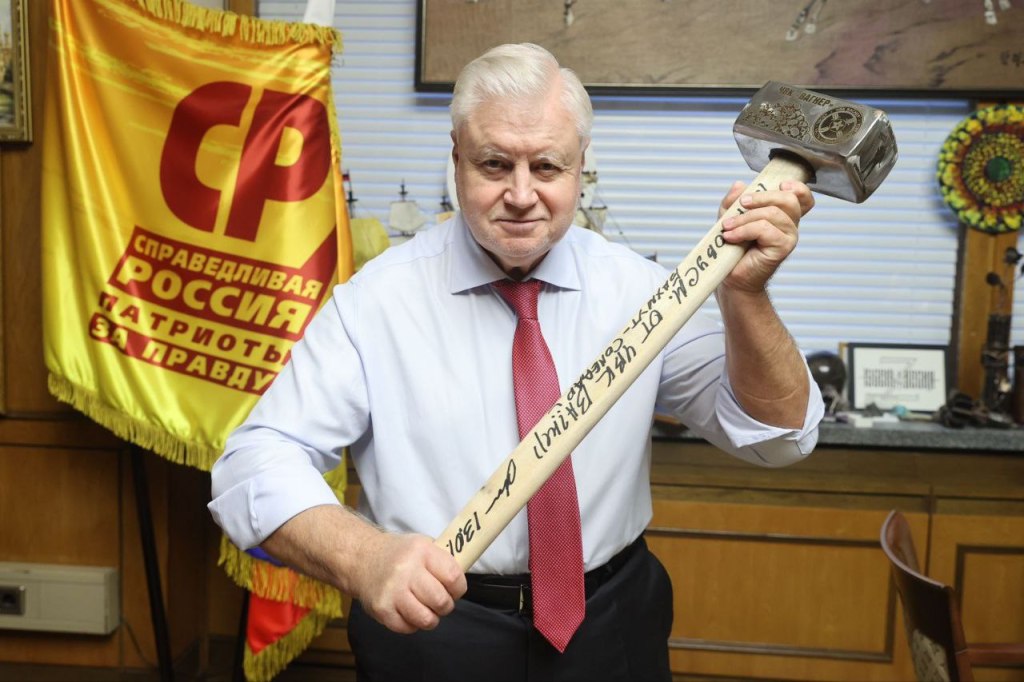
Sergei Mironov receives sledgehammer as gift from Yevgeny Prigozhin: “Together we will punch a hole in the Nazi ideology”

Sergei Mironov, leader of the party A Just Russia and a State Duma deputy, thanked Wagner Group founder Yevgeny Prigozhin for the sledgehammer, which the businessman sent as a gift to the politician. “With its [the tool’s] help, together we will punch a hole in the Nazi ideology, which has set itself the goal of destroying our country. May all our enemies finally realize that they will not succeed,” Mironov wrote on his Telegram channel, adding the hashtag #the_sledgehammer_rules.

The sledgehammer presented to Mironov has a mound of skulls depicted on it and bears the Wagner Group’s trademark stamp. The tool gained notoriety after the death of ex-Wagner fighter and former convict Yevgeny Nuzhin. He was brought back to Russia from Ukrainian captivity and executed with a sledgehammer.

Source: Rotunda (Telegram), 20 January 2023. Translated by TRR


In the early noughties, Oskar Kuchera was the star of Muz TV, a popular music TV channel. Twenty years later, he vigorously criticizes Ukraine, and supports Putin and the Russian army. We met and talked.

0:00 Opening 0:42 Why did Kuchera agree to the interview? 4:47 When people of my generation found out about Kuchera 9:36 A place where it is convenient to work for remote work 12:41 “Soldiers”: a serial about the army in which there was no war 14:40 “I knew what would happen in September 2021.” How? 20:16 Why did Russia start the war? 36:25 Is it okay to bomb infrastructure? 37:08 Are there Nazis in Ukraine? 39:29 The ultra-right is fighting on Russia’s side: Can Russia be denazified? 51:58 “The geopolitical right to be friends with Ukraine” What the heck is that? 59:09 Russia is meddling in Ukraine’s affairs, although it has problems of its own. Is that normal? 1:11:27 Crimea 1:15:30 Why America’s and Europe’s help bad? 1:21:54 Why do you enthusiastically follow the news from the US? 1:25:31 Why does your son have a US passport? 1:27:47 “The Stars Converge” on NTV. What happened? 1:32:17 Did you put up with it for three years for the money? 1:37:13 Why is it a bad thing to flee the war? 1:43:43 How can you support the army but oppose the war? 1:50:15 How would you react if your children were conscripted? 1:51:39 Why do you support Putin? 1:55:12 “I believe we’ll stroll the streets of Berlin and Paris again.” Do you want to conquer Europe? 2:01:51 Germans supported their army in 1939–1945. Were they right? 2:04:25 Is Zelensky bolder than Putin? 2:11:52 Why does Putin lie so often? 2:20:16 Is it normal to support the regime and have real estate in a NATO country? 2:26:32 Why do you need a Telegram channel about politics? 2:29:45 Oh 2:33:56 What future do you see for children? 2:38:21 Does it suit you that you don’t know anything about Putin’s personal life? 2:47:10 Could you have imagined, twenty years ago, that someday you spend three whole hours excusing Putin and the regime?

Source: “The supporter of Russian troops,” vDud (Yuri Dud), YouTube, 16 January 2023, with English subtitles. Annotation translated by TRR. As of today (21 January 2023), the interview has garnered almost sixteen million views.


After an interview with Yuri Dudyu [sic]* (recognized as a foreign agent), the actor and TV presenter Oscar Kuchera fell into a new avalanche of fame. The release of a three-hour conversation, where the actor, including expressing his position on the situation in Ukraine, provoked thousands of posts on social networks. For the most part, the characteristics for Kuchera were not complimentary. On January 18, in an interview with a RIA Novosti correspondent, he told what he thinks about this.

“I did not expect that there would be such an amount of support. And the fact that I support our guys is something I can only be proud of. Well, it’s better to be a fool than a scoundrel,” says Kuchera.

He noted that before the interview, he agreed with Dud to discuss work on Muz-TV and the TV series Soldiers, music and citizenship. In the published three-hour talk, the first three topics are given a few minutes. The rest of the time, Kuchera confusedly explained why he was against military operations, but for the military, who are now in Ukraine.

“But it turned out what happened. Probably, I should have got up and left, but I am a passionate person. So I’m responsible for everything myself, ”the artist complained.

The audience ridiculed Kuchera for his incoherent and illogical speech, as well as for his position. The TV presenter said that he supported Russia, but did not deny that his son was born in Miami and received an American passport. Commentators immediately stated that they recognized their elderly relatives in the hero. The facial expression of Yuri Dud during a conversation with Kuchera also became a meme.

* The Ministry of Justice added Yuri Dud to the list of foreign media agents

Source: Russia Posts English, 18 January 2023

The Wagner Group’s Suicide Squad

For several months, inmates in Russian penal colonies have been recruited by the Wagner Group — hundreds, if not thousands of convicts who had several years left in their sentences have already gone to Ukraine. It is likely that many of them have already been killed, but so far only individual deaths have been confirmed. One of them is Yevgeny Yeremenko from Petrozavodsk, who had eight more years left to serve on his sentence. In mid-June, he unexpectedly informed his mother that he was being transferred to another region. In mid-August, two strangers brought her a death notice: Yevgeny had been killed near Bakhmut on July 24.

Around noon on August 14, Tatiana Koteneva, a pensioner from Petrozavodsk, opened the door to two strangers who had buzzed her on the intercom and said they had been “sent by Zhenya.” Zhenya is her 44-year-old son Yevgeny Yeremenko, who had been sentenced to ten years in a maximum security penal colony. He was serving his sentence in Correctional Colony No. 9 in Petrozavodsk. He usually telephoned his mother every week, but she hadn’t heard from her son since early May — except for a strange call in mid-June, when Yevgeny said briefly that he was being transferred to another region.

So the pensioner willingly opened the door to the strangers, invited them into the kitchen, and poured tea. They handed her a reward and her son’s death certificate. “We have come with bad news,” they said, “Zhenya has died.”

According to Koteneva, the certificate, issued by the self-proclaimed Luhansk People’s Republic, indicated the date and place of her son’s death. He was killed on July 24 in Bakhmut, a Ukrainian-controlled city in the Donetsk Region, which has been heavily fought over all summer.

A call from the train: “Don’t worry, Mom — I’m doing what I have to do”
The pensioner does not know how her son ended up in Ukraine. Between early May and mid-June, he did not call her from the penal colony, although he used to do it regularly. Instead of Yevgeny, the pensioner was once called by a penal colony official and informed that her son was “alive and well, but undergoing punishment.” Koteneva refers to punitive confinement as “the cellar,” and she is sure that her son had been put there.

“[The official] introduced himself, but I don’t remember his name,” she says. “I tried to make an inquiry. He replied that my son had violated some article of the law there, and he had been punished. I said, ‘You tortured him and probably beat him.’ And this one who called me said, ‘There isn’t a scratch or a bruise on him.'”

Only on June 14 did Yevgeny unexpectedly telephone his mother and say that he was being temporarily transferred to another penal colony.

“He called me and said, ‘Mom, we are being convoyed at two o’clock in the morning to another colony,'” recalls Koteneva. “A tumor had formed on his cheek near his nose. He says, ‘There are no doctors here [in Petrozavodsk Colony No. 9], so maybe I’ll get treatment there.’ And that was it. I said, ‘I’ll be expecting a letter from you and the details of where I should send you a package or money.'”

According to her, her son did not say that he was going to Ukraine, probably because he knew that she would be opposed to it.

“I would probably have gone into hysterics and all that to prevent it,” the pensioner argues. “I would have run to the colony and bent over backwards. But I couldn’t get into his head… He’s a grown man. He just said, ‘Mom, don’t worry. I’m doing what I have to do.'”

A week later, according to Koteneva, her son sent an SMS to a friend, asking him to inform his mother that he was alright. He added that the prisoners were still traveling on the train, where “even their watches had been confiscated.”

Recruitment in the penal colonies: “You finish your service and you get amnestied”
Yevgeny Yeremenko was probably recruited by the Wagner Group and sent to Ukraine as a mercenary. The fact that mercenaries are being recruited in correctional colonies became public in early July, but, apparently, it began in May. Yevgeny Prigozhin, the Wagner Group’s founder, a man known for his proximity to the Russian authorities, personally went to some colonies to persuade inmates to join up. Recruiters promised convicts a large salary and release after six months of combat — to this end, those who agreed to join the mercenaries would have to write petitions asking for clemency.

It is unclear how many people have been marshaled this way, but recruiters, judging by the prisoners’ reports, have already visited between fifteen and twenty colonies, and in each of them a hundred or more inmates have agreed to go into combat. (Although relatives have managed to dissuade some of them.) The head of the Russian Behind Bars Foundation, Olga Romanova, noted that her organization has already received about two hundred appeals from relatives of convicts who have lost contact with them and assume that they have been sent to Ukraine.

Yevgeny Yeremenko. Photo courtesy of his VKontakte page and Mediazona

In June, people really did come to Petrozavodsk’s Correctional Colony No. 9, where Yevgeny Yeremenko was imprisoned, and tried to persuade the inmates to go to fight in Ukraine, convict Marat Najibov told Mediazona. He himself turned down their offer. “You finish your service and you get amnestied,” he says, adding that he does not know exactly where the recruiters were from.

Petrozavodsk lawyer Ivan Varfolomeyev, who represents ten convicts in Correctional Colony No. 9, believes that they were probably from the Wagner Group. “Ten people were persuaded to go to Ukraine, but after consulting with me, no one went,” says Varfolomeyev. I didn’t see [the recruiters]. The convicts asked me what they should do. I said, ‘You have parents, wives, and children — I would not recommend it.’ My clients, at least, are not serving such long sentences.”

The convicts did not tell Varfolomeyev that they had been coerced by recruiters or the colony’s wardens. They talked to the prisoners, as he puts it, “about pies”: they vividly described the benefits to which the inmates would be entitled after being in combat.

“[They were not threatened with] solitary confinement, AdSeg, or beatings,” says Varfolomeyev. “On the contrary, all the offers were tempting.”

Little is yet known about the deaths of the prisoners recruited by the Wagner Group to go to Ukraine. In late July, iStories reported the deaths of three prisoners from Petersburg Correctional Colony No. 7. Their papers did not contain their real names, but only their nicknames. Among the dead was Konstantin Tulinov, nicknamed “Red.” it was about him that filmmaker Nikita Mikhalkov spoke in [the 6 August 2022] episode of his program [Exorcist TV] on Rossiya 1. According to Mikhalkov, Tulinov “wanted to atone for his past life,” so he himself petitioned to be sent to the front. In Ukraine, his legs were “crushed,” after which Tulinov “blew himself up with a grenade.”

“And the state responded with gratitude to him for his courageous deed. He was posthumously pardoned and, in addition, was designated a full-fledged combat veteran with all the ensuing benefits and payments,” Mikhalkov assures his viewers.

Olga Romanova of Russian Behind Bars has written that relatives of the recruited prisoners constantly appeal to her organization for help.

“What an outrage! They promised to pay [him] 200 thousand [rubles], but they paid [only] thirty thousand,” she wrote, paraphrasing the kinds of appeals her foundation has received. “And my [relative] was wounded, but [the wounded] are being treated only in the LPR; [they] are not taken to Russia. Help us save him! And then another one was killed near Luhansk; the relatives were not informed, and the body was abandoned in the combat zone so that they wouldn’t have to pay for a coffin.”

The Karelian office of the Federal Penitentiary Service has not yet responded to Mediazona‘s request for information as to how Yevgeny Yeremenko ended up in combat in Ukraine eight years before he was to be released from prison.

Since the Russian invasion of Ukraine began, the Governor of Karelia, Arthur Parfenchikov, has been publishing posts on his VKontakte page about the residents of the republic who have perished in the war. But he did not even mention the death of prisoner Yevgeny Yeremenko.

The funeral: “young men” come to pay their last respects and reimburse expenses
Tatiana Koteneva calls the strangers who brought her the death notice “the young men.” They told her that her son’s body was “in an iron coffin in Leningrad, at Pulkovo [airport].” As for additional questions, according to the pensioner, she was told that “everything is classified.” The men did not respond when she asked them who they worked for.

“What can I do now? You can’t bring anything back,” she argued resignedly two days before the funeral. “Well, that’s how it turned out, so that’s how it’s going to be. What matters to me is burying him and having a grave to go to and cry. Things turned out the way they turned out.”

On August 18, Yevgeny Yeremenko’s body was brought to Petrozavodsk by a private driver: the pensioner paid 26 thousand rubles for transportation. Yeremenko’s funeral took place the next day, recalls Marina Gorodilova, a friend of Koteneva, whose son is also an inmate at Correctional Colony No. 9. (This was how she and Tatiana met.)

“The coffin was closed and there was a strong smell of decomposition,” she recalls. “Tatiana Ivanovna stood over the coffin lid the whole time and cried.”

According to Gorodilova, at the wake and the funeral there were none of the military officers or civilian officials who make speeches on such occasions. But in the funeral hall, she noticed “two strange guys.”

“One [was] forty years old, the other [was] younger, both of them [were] powerfully built. They laid the flowers [on the coffin] and took three or four steps back. They stood at attention and didn’t talk to anyone. I picked up my phone and poked it with my finger and out of the corner of my eye I saw that they were watching me — very attentively. Tatiana Ivanovna asked them, ‘Who are you?’ But they didn’t say anything. She then asked again, ‘Do you know Zhenya?’ One of them nodded his head quietly and kept standing there.”

The day after the funeral, Tatiana Koteneva refused to meet with her friend, citing the fact that “the young men” were coming to see her again. A few days later she reported [to Gorodilova] that she had been reimbursed 145 thousand rubles [approx. 2,400 euros] for the funeral.

“Either they hold them [in solitary] before sending them, or they hold those who don’t want to sign up”

Dmitry Gorodilov. Photo courtesy of Marina Gorodilova and Mediazona

Dmitry, Marina Gorodilova’s son, is serving his sentence at Correctional Colony No. 9, where he met the deceased Yevgeny Yeremenko. He has not been in touch with his mother for a month and a half — since July 4 — and she fears that Dmitry, like Yeremenko, was put in punitive detention before being sent to Ukraine. Human rights activists from Russia Behind Bars have spoken of this practice. For example, in Correctional Colony No. 7 in Karelia and Correctional Colony No. 19 in Komi, some convicts at first agreed to go into combat, but then changed their minds. Prison officials then began pressuring them, and some were sent to punitive detention.

“Now it’s the same story: now my Dima is missing,” says Gorodilova. “He doesn’t write and doesn’t call — this has never happened. The lawyer called the prison and asked them whether Dima was there. They said he was there. I went to the colony to visit him, and they said to me, ‘He is undergoing punishment.’ It’s one of two things. Either they are held [in solitary] before being sent [to Ukraine] so that they do not receive information and do not share it with anyone. Or those who don’t want to sign up are held [in solitary, where] they are forced [to sign up].”

Gorodilova is sure that her son would not left officials force him to go to Ukraine even under torture.

“Only if they lie to him or tell him that he would cleaning up after the war, maybe he would agree to sign up. But he’s a guy that won’t sign anything until he reads it. I know that Dima will definitely not agree to it. Even if he is promised his freedom, he will not go to kill people.”

Source: Alla Konstantinova, “Sent down for ten years, enlisted in the Wagner Group, killed in Ukraine: the example of one inmate from Karelia,” Mediazona, 26 August 2022. Thanks to Dmitry Tkachev for the heads-up. Translated by the Russian Reader

Two Russian Nationals Jailed in Tripoli

Two Russian Nationals Jailed in Prison in Tripoli Suburbs
RBC
July 6, 2019

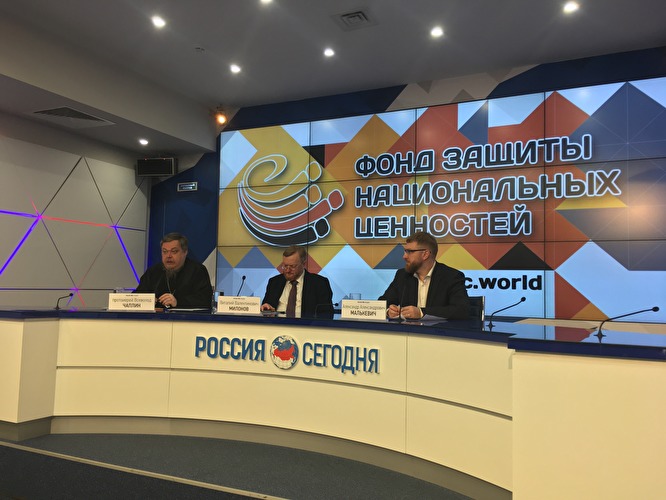
Two Russian nationals, previously detained by Libyan authorities, have been jailed at Mitiga Prison in the suburbs of Tripoli, according to Alexander Malkevich, president of the National Values Defense Fund [sic], as reported to TASS.

Malkevich confirmed that two Russian nationals, sociologist [sic] Maxim Shugaley and interpreter Samer Hasan Ali, who is a  dual Russian-Jordanian national, had been jailed. There were a total of three people in their research group [sic]. Malkevich also claimed fund staff members had not meddled in election campaigns in Libya. Their work was limited to monitoring the situation there.

The Russia-based National Values Defense Fund (FZNTs) reported on July 5 that their staff members had been detained in Libya. It claimed they had only been carrying out sociological surveys and researching humanitarian, cultural, and political conditions in Libya.

According to Bloomberg, the Russian nationals were detained in May of this year. In particular, two of them had arranged a meeting with Saif al-Islam, son of former Libyan leader Muammar Gaddafi. Saif al-Islam is considered a possible Libyan presidential candidate.

As noted in a letter sent by the Libyan Prosecutor’s Office to PNE [sic], the information found on laptops and flash drives confiscated from the detainees proved both of them worked for a company “specializing in meddling in the elections scheduled in several African countries,” including Libya. The prosecutor’s office also noted a third Russian national had managed to leave Libya before the special services arrested the men.

Thanks to Grigorii Golosov for the heads-up. Translated by the Russian Reader

fundRussian Orthodox Archpriest Vsevolod Chaplin, Russian MP Vitaly Milonov, and Alexander Malkevich presenting the National Values Defend Fund at a press conference at Rossiya Segodnya News Agency in Moscow in April 2019. Photo courtesy of Znak.com
Grigorii Golosov
Facebook
July 7, 2019

As for the National Values Defense Fund, which sent a poor spin doctor (identified as a “sociologist”) to Libya, it is a new project, obviously run by [Yevgeny] Prigozhin. Its website makes it clear it is going to defend Russian national values primarily in Africa.

You can read more about the project here.

I realize Putin’s ex-chef Prigozhin has long been more than an errand boy for the man with whom he has been involved in the asymmetrical albeit profitable relationship of vassal and liege lord. Prigozhin has his own business interests in Africa. Russian foreign policy is now so arranged that Prigozhin’s business interests are Russia’s national interests.

So be it. China also has interests in Africa. They are backed by colossal investments that are gradually exchanged for political influence. This happens really slowly because the Africans are quite touchy about it: Chinese influence makes people unhappy. But the investments it makes go a long way toward containing the unhappiness.

Russia has taken a different route. It helps its cause to educate African army officers at the relevant Russian universities, but that is a long-term deal. The powers that be want things to happen quickly, hence the appearance on the continent of mercenaries [like Prigozhin’s Wagner GroupTRR] and spin doctors to aid dictators in fixing their so-called elections and squashing protests through trickery.

In other words, the Chinese approach involves spending money now to obtain influence later, while the Russian approach involves trying to gain influence now in order to make money later. I don’t need to tell you there is no better way to make “Russia” a swear word in Africa and elsewhere, and all Russian nationals into automatic personae non gratae.

Our current rulers will surely take pride in the fact they managed to make as many countries and regions as possible hate Russia. This how they imagine defending national values.

Thanks to Louis Proyect for the link to the article about Jane Goodall’s campaign against Chinese influence in Africa. Translated by the Russian Reader

#MONSTERS

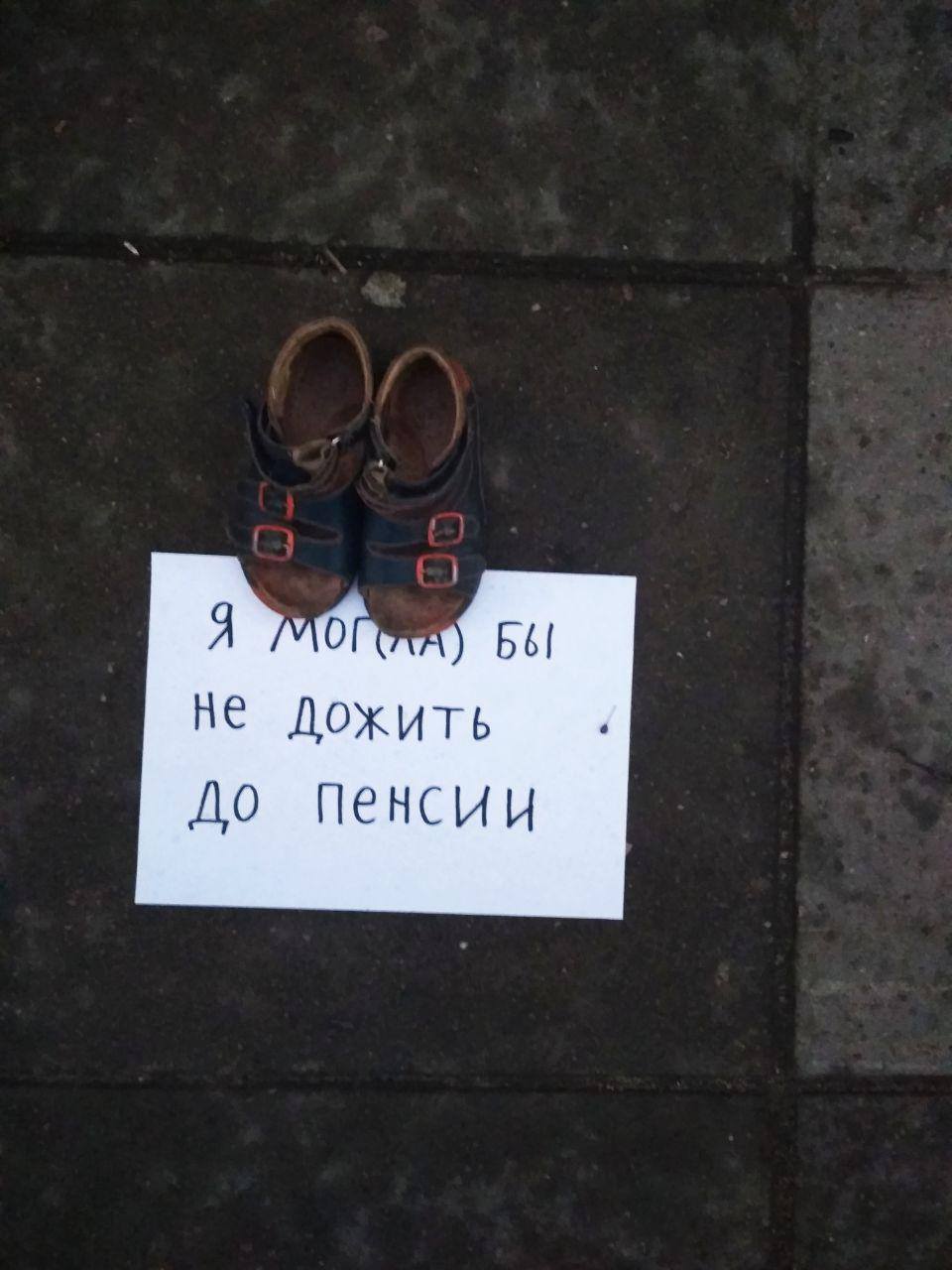
monsters-nonretirement“I could have failed to live until retirement.”

MONSTERS
Facebook
September 18, 2018

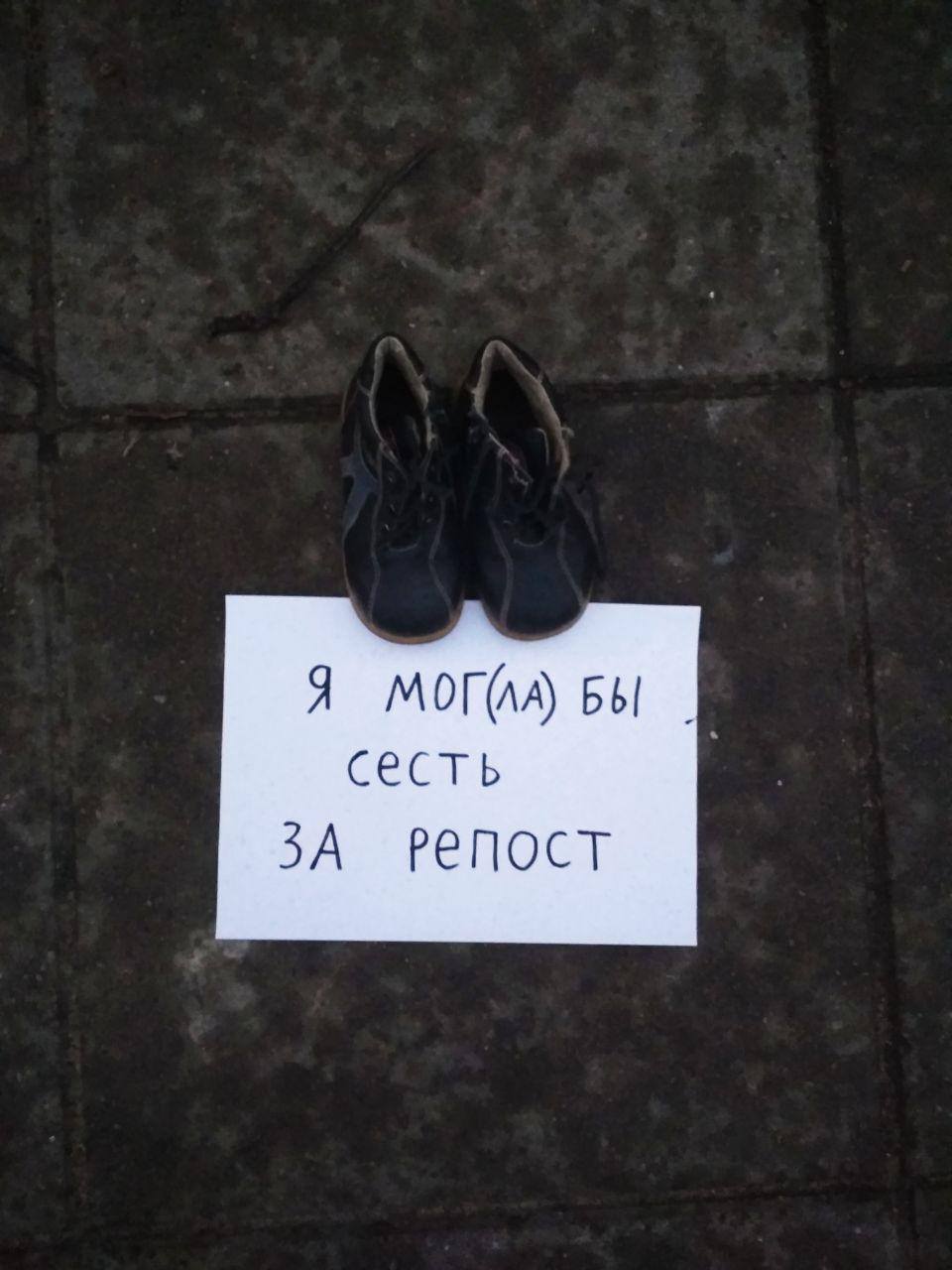
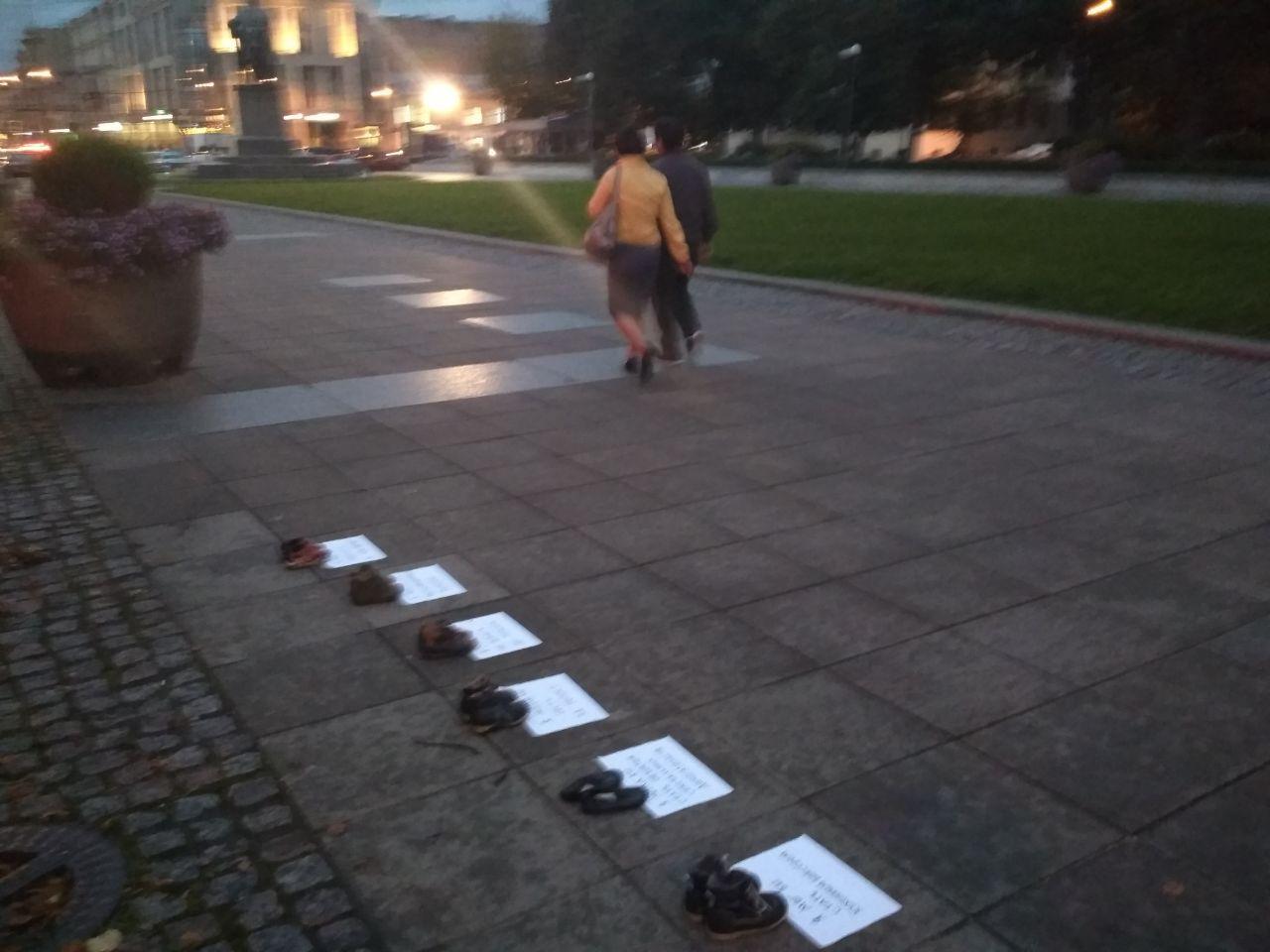
A powerful anti-anti-abortion protest took place today in Petersburg, but you will not hear about it in any of the mass media.

monsters-wagner“I could have worked for the Wagner Group.”

Until we fail to put a halt to abortions, which, fortunately, annually do away with enough people to populate the city the size of Petersburg, there is no point in discussing or contemplating anything serious.

monsters-repost“I could have been sent to prison for reposting.”

Russia is not only the land of the dead, which has been said more than once, but it is also the land of the unborn.

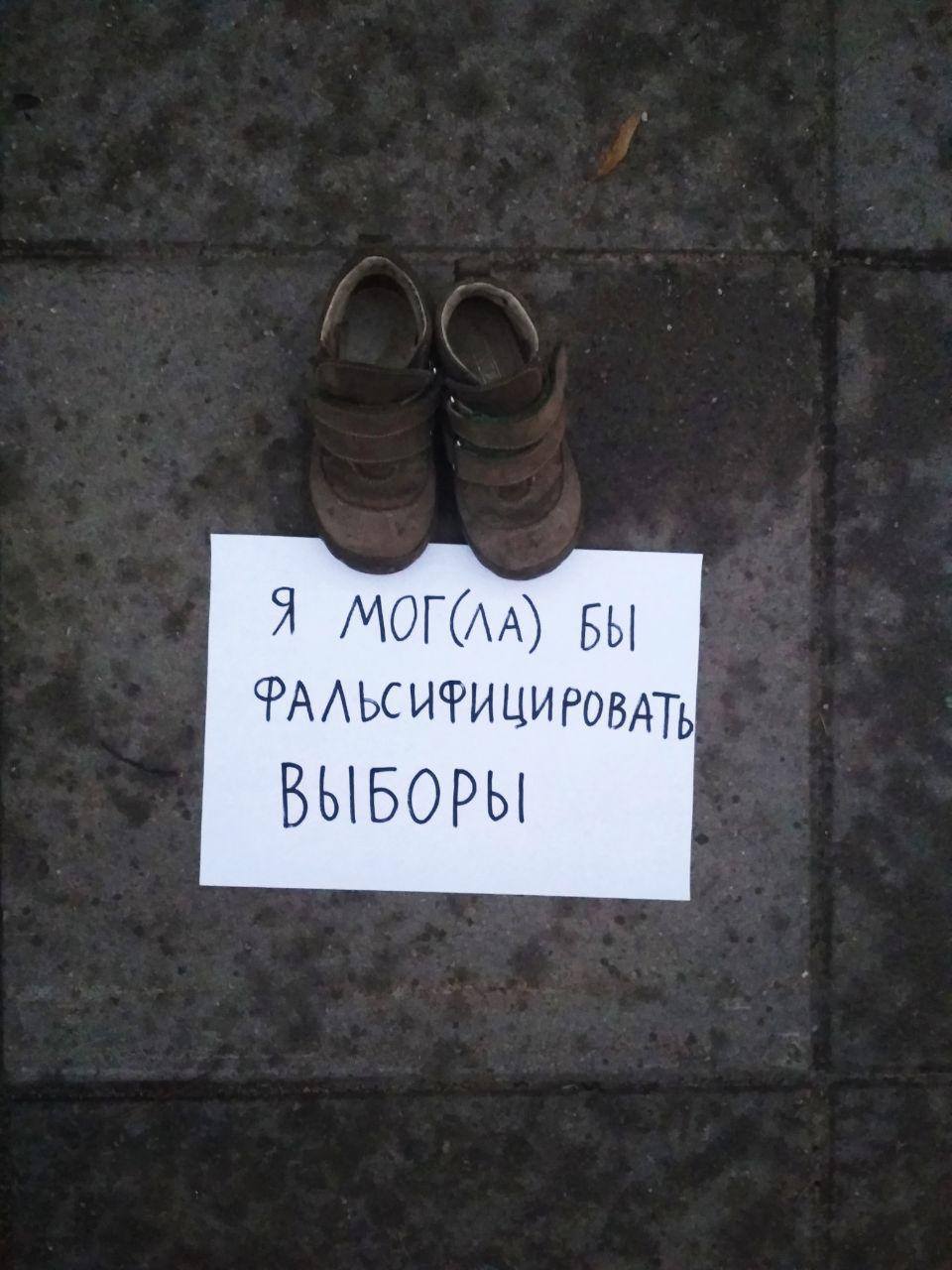
monsters-election rigger“I could have rigged elections.”

The Russian Federation not only has a past that never was. It also has a future that will never be.

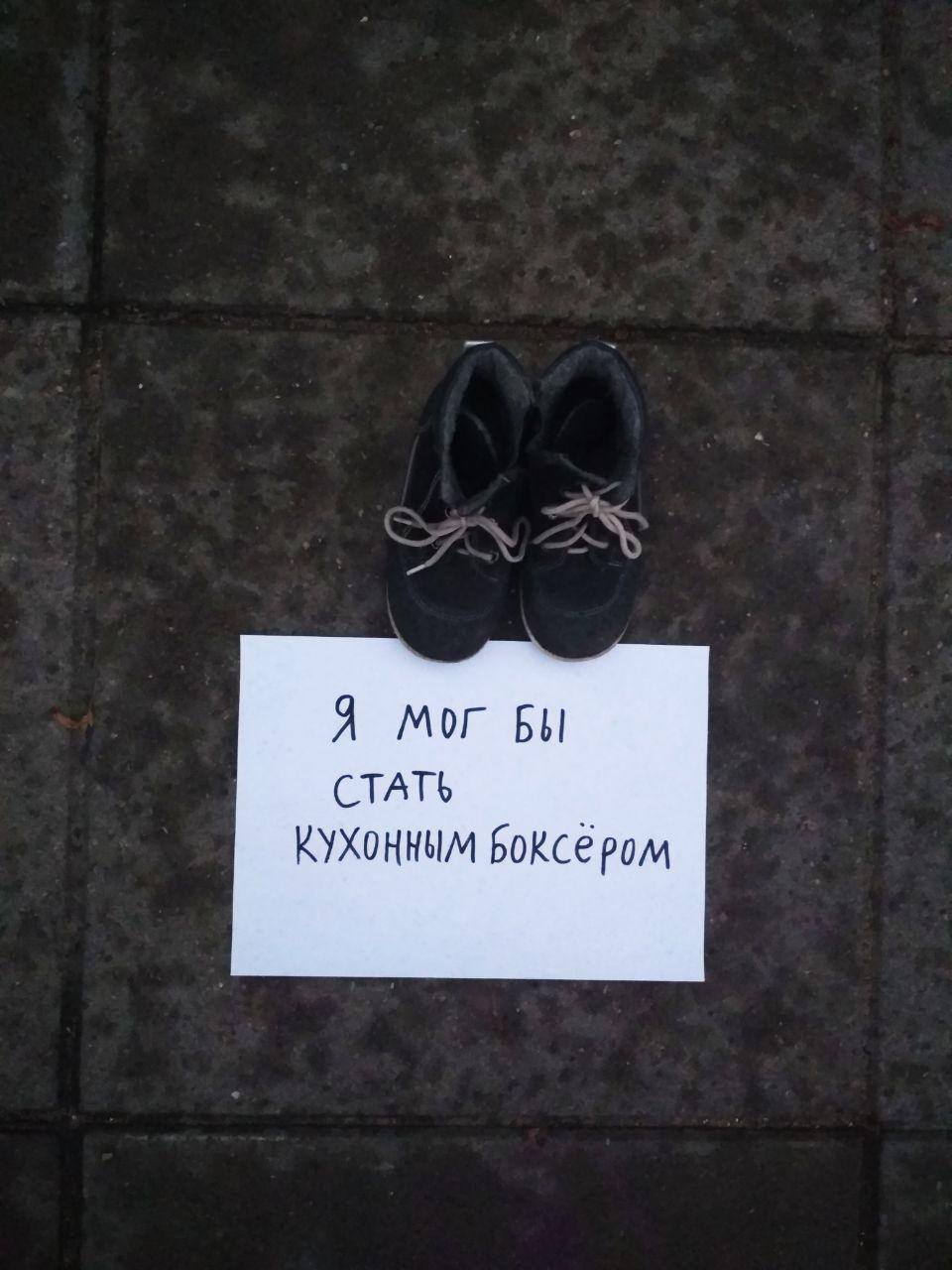
monsters-kitchen boxer“I could have engaged in domestic violence.”

Russia is a failed state. Russia is a fake state.

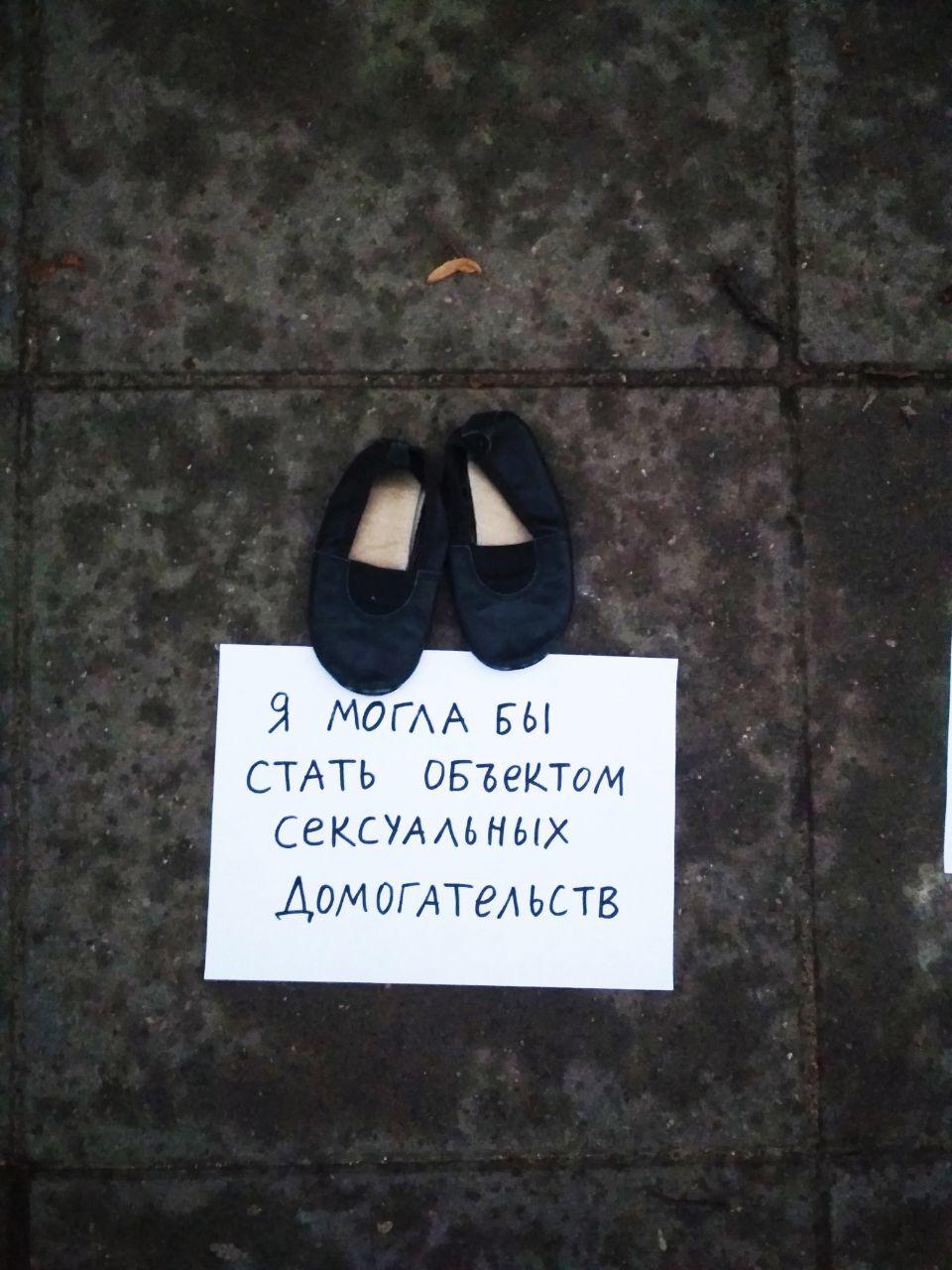
monsters-sexually harassed“I could have been an object of sexual harassment.”

All Russians, men and women, are in some respect dead men and dead women, but they are also embryos.

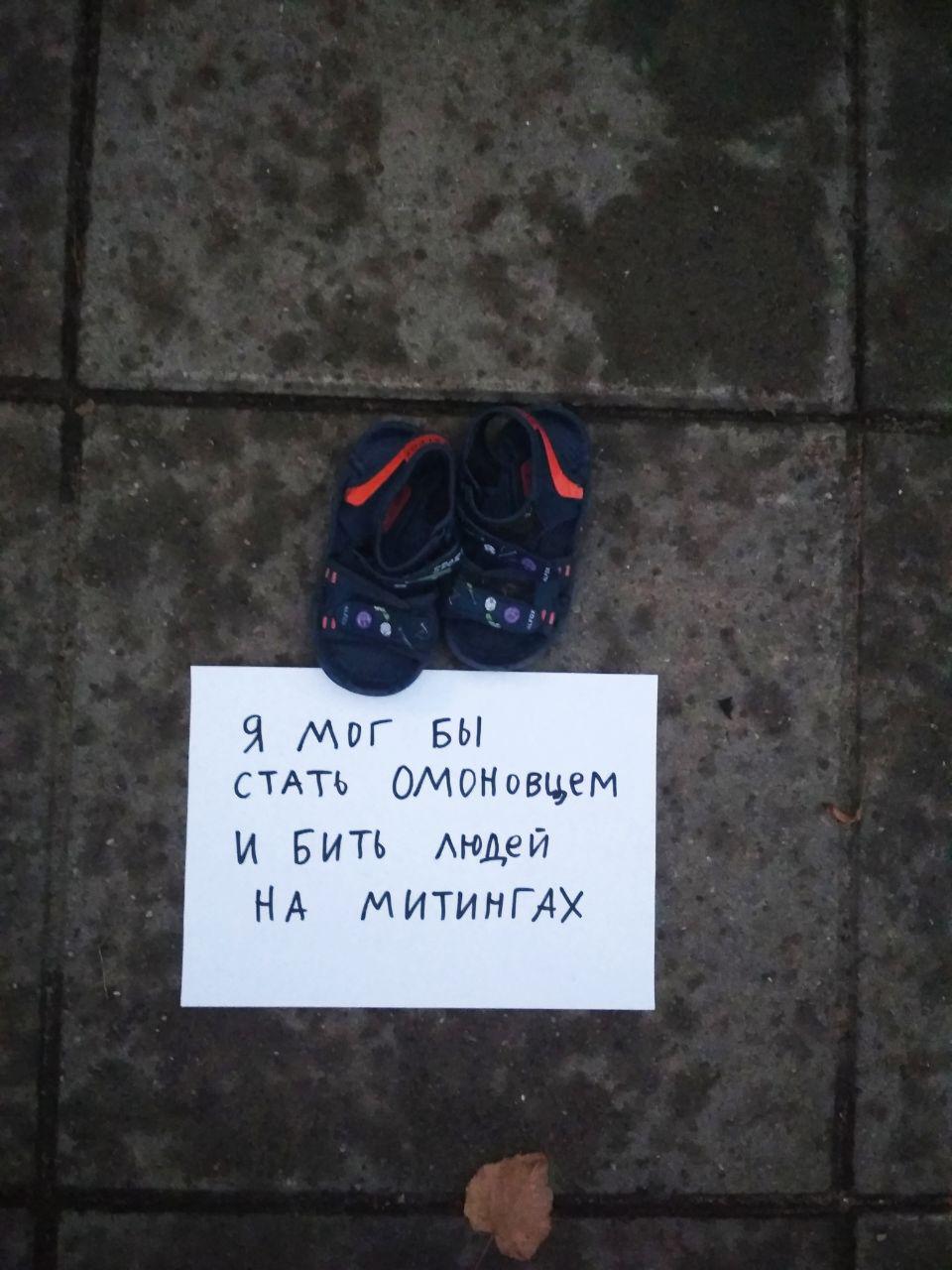
monsters-omon“I could have been a riot cop and assaulted people at protest rallies.”

No wonder the stage of (para)political theater has recently been occupied by such figures: aborted embryos telling us they could have been soldiers, for example, and dead women and men, who worked to the grave, but did not live to see a single kopeck of their pensions.

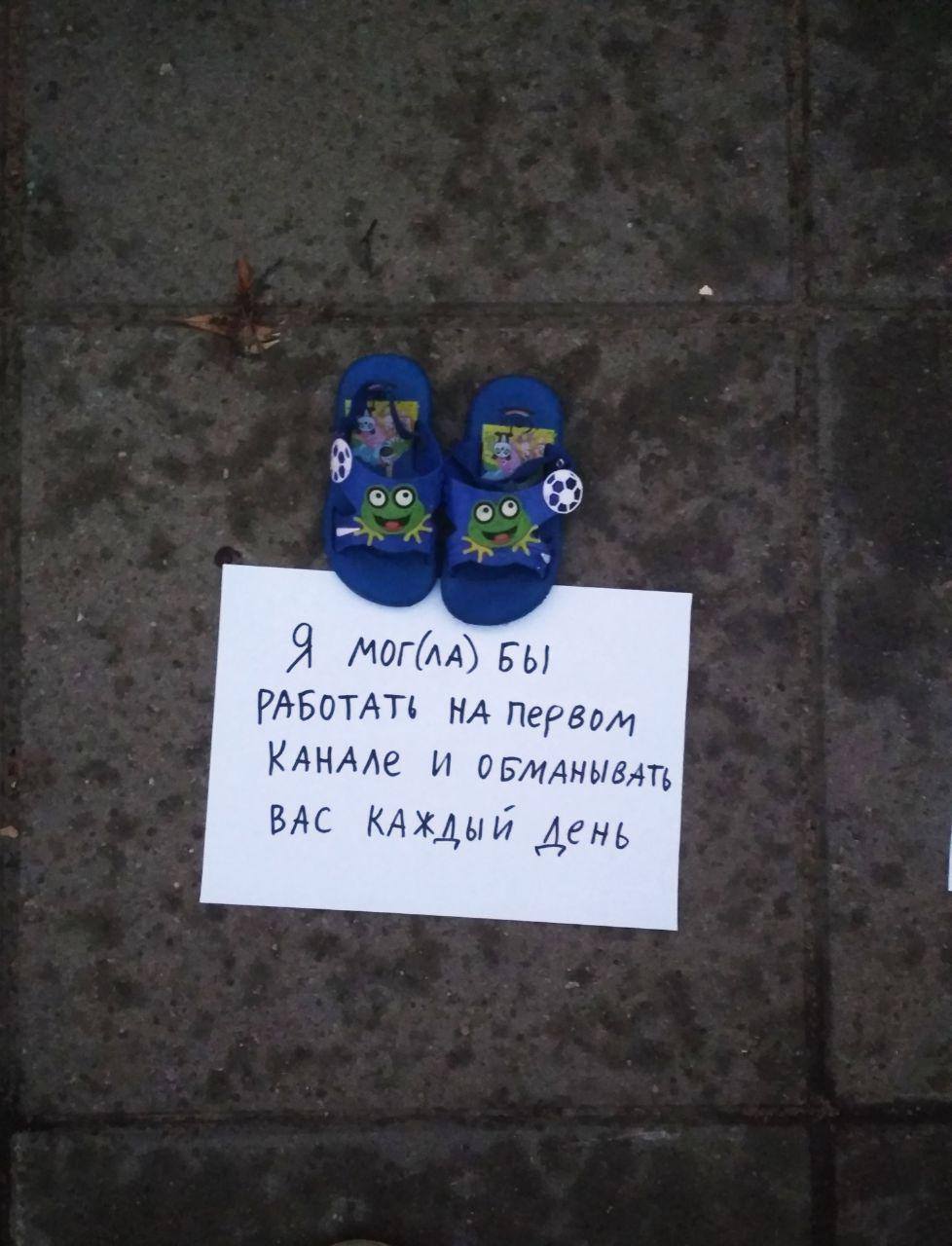
monsters-channel one“I could have worked for Channel One and hoodwinked people every day.”

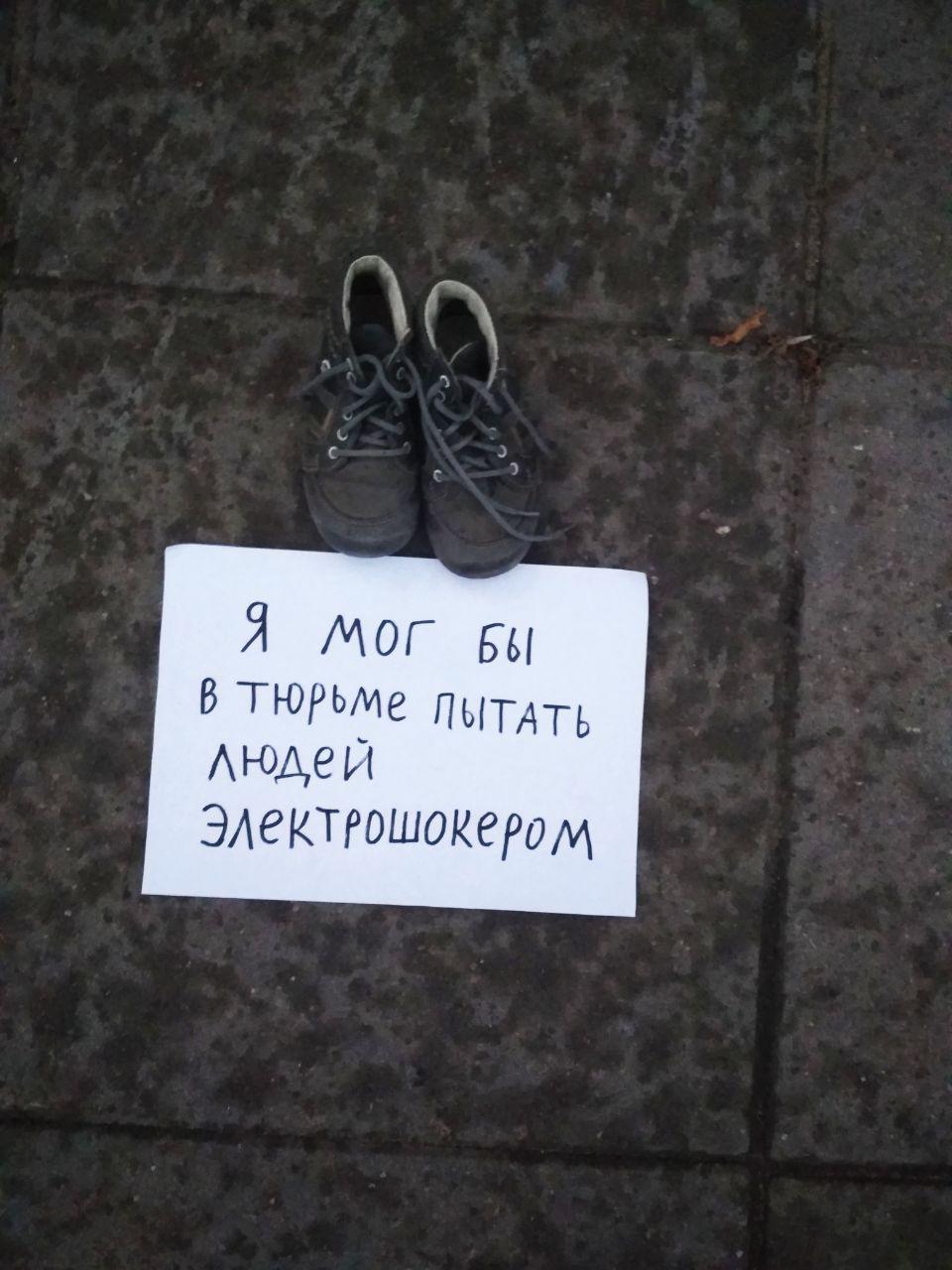
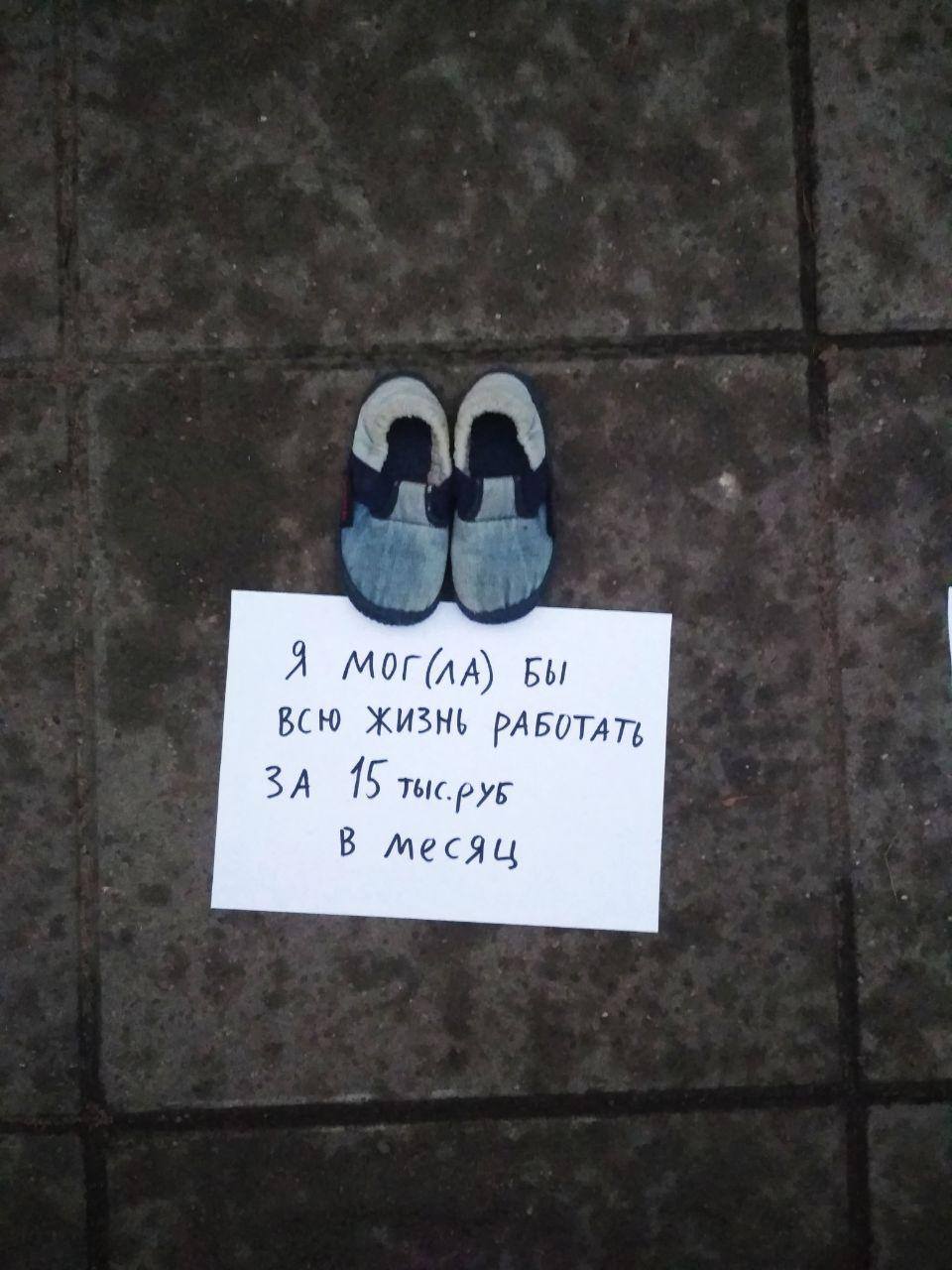
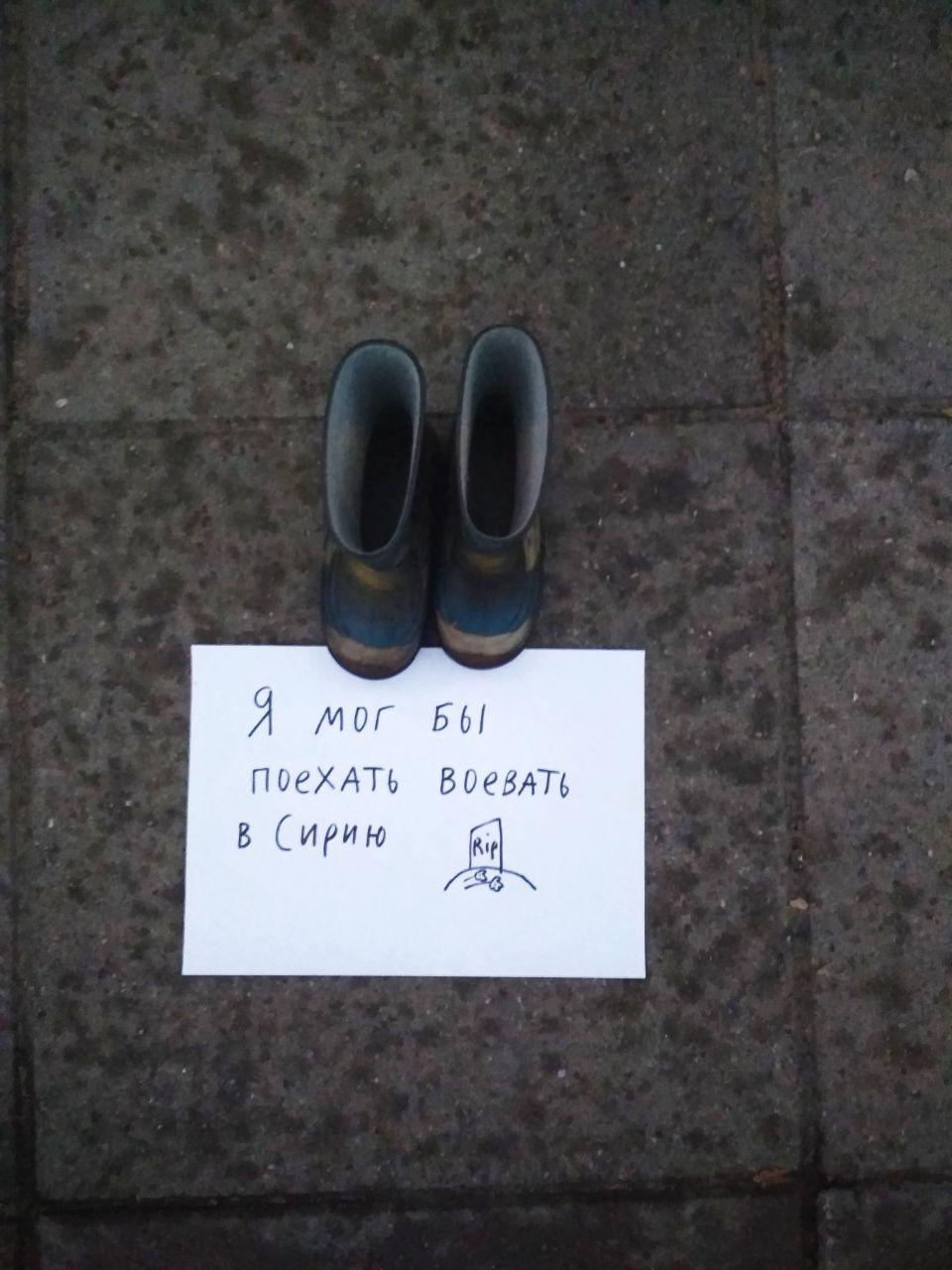
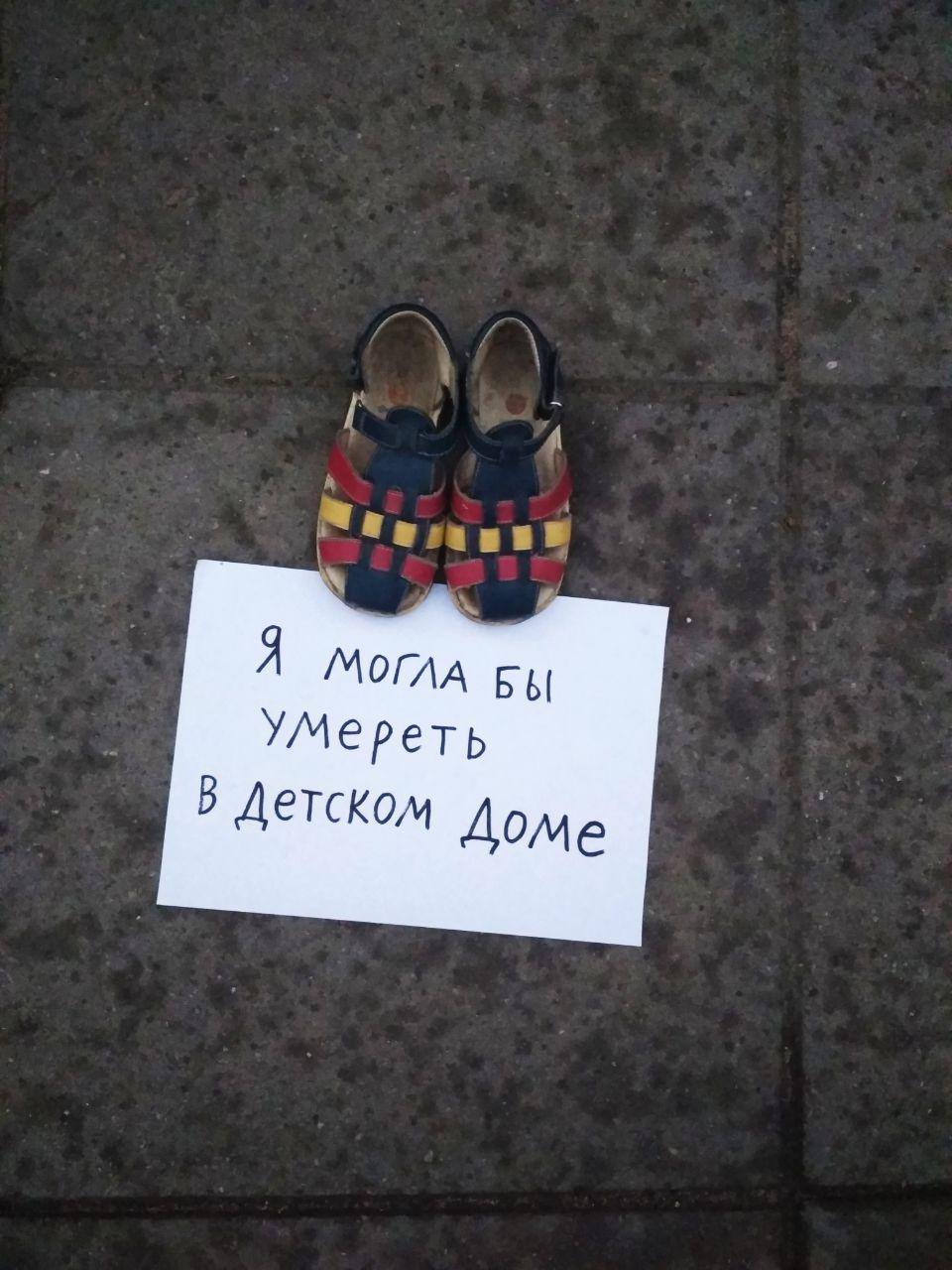
Bringing together the dead and the unborn was long overdue. This is just what we have done in our protest. We are MONSTERS, a new group of militants in the field of political art in Petersburg.

monsters-torturer“I could have tortured people in prison with a taser.”

We staged our protest in response to the latest move by the pro-lifers, who played heavy on people’s heart strings.

monsters-15000 a month“I could have earned 15,000 rubles a month my whole life.”

We profess and practice monstrous political art. We thus decided to do something even more sentimental.

monsters-syria“I could have gone to Syria to fight.”

You thus see before you dead embryos. They might not have lived until retirement, but in any case they did not survive until retirement.

monsters-died in orphanage“I could have died in an orphanage.”

#MONSTERS

monsters-installation viewA view of the silent protest on Pioneer Square in Petersburg’s Central District

Translated by the Russian Reader