The Continuing Struggle of the Crimean Tatars Against Russian Oppression

Crimea’s Tatars: “They drive us from our homes, just as they did to our grandparents 80 years ago”

By Katya Aleksander, who interviewed activists supporting more than 100 Crimean Tatar political prisoners. First published in Russian by Important Stories (Vazhnye Istorii) on 18 May, the 80th anniversary of the deportation of the Crimean Tatars.


On 18 May 1944, eighty years ago, the Soviet government accused an entire people of “collaboration with the Nazis” and “betraying the fatherland” – and deported the Tatars from the Crimean peninsula. It took the Crimean Tatars more than forty years of constant struggle to return to Crimea. But in 2014 the peninsula was annexed by Russia. The war began, and, with it, repression by the new authorities on a massive scale.

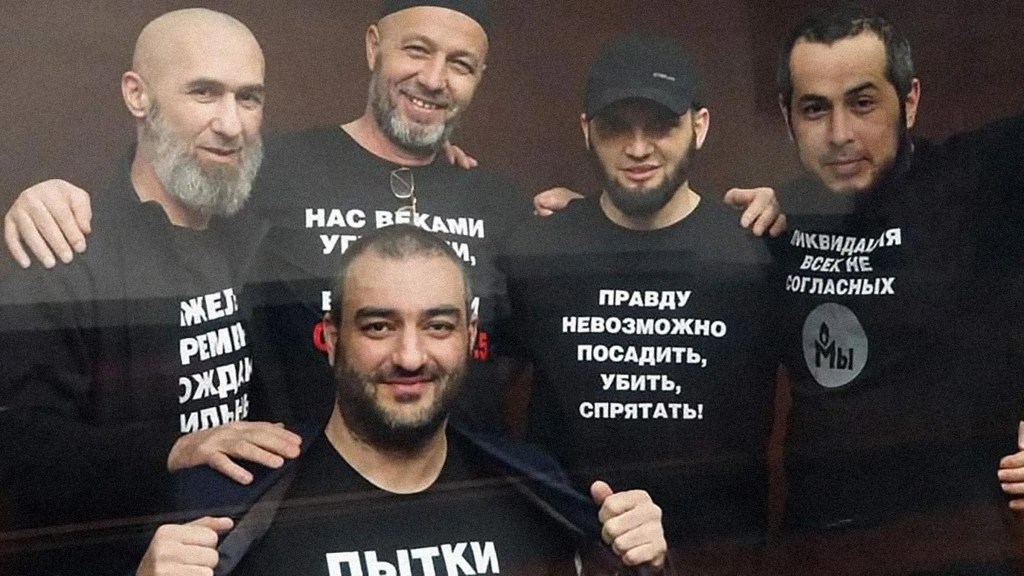
Political prisoners Tofik Abdulgaziev, Vladlen Abdelkadyrov, Izzet Abdullaev, Medzhit Abdurakhmanov and Bilial Adilov, among those falsely accused of “terrorism” and “preparation to seize state power” in 2019, and sentenced to 12-14 years’ imprisonment. Abdullaev’s T-shirt says, “the truth can not be imprisoned, killed or hidden”. Photo by Crimea Solidarity

On the anniversary of that tragedy, which Ukraine demands be categorised as genocide, Important Stories spoke with Crimean Tatars who continue the struggle to live freely in their historic homeland.

Every Crimean Tatar family has its stories of deportation. They all start in the same way. On 18 May 1944, at five o’clock in the morning, soldiers burst in to the house and gave people 5-10 minutes to collect their belongings and go to the nearest train station. No explanations. At dawn, everyone was forced into cattle wagons and taken away.

It was all over by 4:00 pm on 20 May: one of the fastest deportations in world history. All the deportees’ property passed to the Soviet state.

“Many people thought they were being taken away to be shot. The Soviet Union was an atheist regime, and many Crimean Tatars were of Islamic faith”, said Azime (her name has been changed), the wife of a present-day Crimean Tatar political prisoner. Her family were deported to Uzbekistan.

“They put everyone in cattle wagons, with no windows and locked doors. There was no sanitation. No water, no food. People died from hunger, thirst and dysentery. The soldiers just threw their bodies out at the train stations. Some people were able to hide their relatives’ bodies: those families hoped that they would soon arrive somewhere and be able to bury their loved ones like human beings.”

The transport took 2-3 weeks. About 80 per cent were taken to Uzbekistan, and the rest were sent to special places of exile in other parts of the Soviet Union.

“Part of my family was deported to Uzbekistan, part perished in those cattle wagons, and my grandfather was taken to the Urals”, said Ismail (his name has been changed), who today acts as a defence lawyer for Crimean Tatars. “Grandad said that, while he and his mother tried to find accommodation, they could not go to work for two days. And so [for breaking the labour laws] his mother was sent to prison for five years.”

Soviet propaganda prepared local people to receive the deportees. Uzbeks were advised to keep well away from the newcomers, who were “cyclops” and “cannibals”. In exile, Crimean Tatars faced hunger, dangerously unsanitary conditions and an absence of health services. Between 18 May 1944 and January 1946, about 200,000 Crimean Tatars lost their lives, according to estimates by the National movement.

The struggle to return home

People could not return to Crimea. Until 1956 the Crimean Tatars had the status of “special settlers” with limited civil rights. They had to report regularly to police commandant’s offices. They were permitted to move to a different region only by invitation from close relatives. Attempts to leave without permission were punished by up to ten years’ imprisonment.

Although their language was banned, the Crimean Tatars preserved their culture and traditions. Parents told children what their home looked like, and how to get there, so that they could find their way to it when they returned.

“Everyone lived with thoughts of going back”, Ismail said, telling his family’s story. “My uncle somehow found a way to travel to Crimea. My grandmother asked him to bring a bottle of water from home: she wanted to drink Crimean water. When my uncle got back from his trip, he realised that he had forgotten about the water. He took a bottle, filled it from the tap, and took it to Grandma [telling her it was from Crimea]. She cried. For her, that bottle was almost sacred. She kept it, and never drank a drop.”

In the 1960s, the Crimean Tatars began independently to collect information about the victims of the deportation. They demanded that the Soviet authorities revoke the slander that they were traitors, and allow them to return home. That is how the Crimean Tatar national movement was born.

On 5 September 1967, after many attempts to secure justice, came a decree of the Presidium of the Supreme Soviet of the Union of Soviet Socialist Republics (USSR), which revoked all accusations against the Crimean Tatars and allowed them to live in any part of the country. But to return to Crimea, they had to secure a residence permit, and find work. [Residence permits, linked to employment, were used to discipline labour in the Soviet Union.]

By the end of September 1967, about 2000 Crimean Tatars had already returned to the peninsula. But the majority of them could neither get a residence permit, nor any chance of work, from Crimea’s new inhabitants. Many were deported again, and brought to court for breaches of the internal passport regulations.

Azime’s family was one of the first that returned to Crimea and found a way to stay there. “My grandfather, an activist of the national movement, left behind all that he had worked for in Uzbekistan, took his four children, and went home. We are not even talking about returning to his own village, where his grandparents were buried – only returning to somewhere on the peninsula where the family would be allowed to stay. They found a place in Dzhankoi district, where several other [Crimean Tatar] families also moved in. The street was named International Street, because we, the non-Russians, lived there.”

Crimean Tatars demonstrating in support of national rights, 1988. Photo from the Mejlis of the Crimean Tatar people

Azime was born at the end of the 1980s, already back in Crimea. Among people of her age, that is very unusual, she said. “I know literally two other people [of her age] who were born back there [on the peninsula].”

[In the 1970s and 80s] the Crimean Tatars had to build their homes all over again. The homes from which their families had been deported now belonged to other people. The work they could find was always the hardest. The attitude of the new local population was hostile: they continued to accuse them of treachery.

“Our grandparents were often dismissed from work”, Azime remembers. “They were constantly searching for new jobs, in order not to be deported again. My mum went to school in Crimea: when the family returned, she was eleven years old. She was admitted to university only on the fourth or fifth attempt. The dean of Simferopol medical school told her father outright that he would not accept Crimean Tatar students, not for any amount of money.

“My mum was the only Crimean Tatar woman in her university. [When her fellow students and teachers learned that she was a Crimean Tatar], she was told to her face that she had no business being there. Many teachers simply marked her work down. Our people felt everywhere that Crimean Tatars were strangers in their own land.”

The Crimean Tatar national movement had already taken shape, and its activists fought for the right to live in Crimea and for the freedom of those imprisoned for breaches of the internal passport regulations. They monitored attacks on human rights, and took part in hunger strikes and other forms of protest. In 1978 the activist Musa Mamut burned himself to death as an act of protest: this became one of the symbols of Crimean Tatar resistance.

Crimean Tatar hunger strikers in Moscow, 1987. Photo from the Mejlis of the Crimean Tatar people

But even twenty years after the decree of 5 September 1967, the situation had hardly changed. “The mechanisms to obstruct the Crimean Tatars’ return had been so finely tuned by the Crimean authorities, that I never heard of a single instance of a new Crimean Tatar family buying a house”, the Crimean Tatar activist Bekir Umerov wrote in his memoirs. His family was also prevented from returning to Crimea: in the 1980s they moved to the Krasnodar region [of southern Russia], to be nearer to home.

After the beginning of perestroika [the reform of the Soviet system started under Mikhail Gorbachev, from 1986] in the spring of 1987, the Crimean Tatars gathered in Tashkent [in Uzbekistan] for their first All-Union Assembly. They agreed on a document that called on Mikhail Gorbachev, then the general secretary [of the Communist Party of the Soviet Union] to meet a delegation. This call went unanswered, and so on 18 May, the anniversary of the Crimean Tatars’ deportation, the activist Bekir Umerov announced a hunger strike in protest.

This met with a powerful response, and not only among Crimean Tatars. The scientist and human rights defender Andrei Sakharov mentioned the action in his call to Gorbachev to resolve the problem of Crimean Tatars being able to return home. Umerov ended his protest a month later, when the Second All-Union Assembly of Crimean Tatars elected him to a delegation that travelled to Moscow. But the Kremlin refused to meet the Crimean Tatars, as it had done before.

The activists then began protests at the Lenin mausoleum [on Red Square], at the building of the CPSU Central Committee, at the Kremlin. Each day the number of participants grew. One of the biggest rallies was held on Red Square in the middle of July 1987. The Crimean Tatars staged a peaceful sit-down protest, and the police held back from using force. A week later, on 26 July, more than 1000 Crimean Tatars took part. This time the police blocked the way to Red Square and so the demonstrators went along Vasilevsky Spusk, sat on the ground, raised their placards and shouted: “Crimea! Our homeland!” The action went on for 26 hours.

Many of the participants were arrested and deported from Moscow to the places where they lived. No official documents sanctioning a return to Crimea were issued by the authorities – but there were fewer obstructions.

The Crimean Tatar protests continued through the whole perestroika period.

Occupation of the peninsula

Many families could return to their homeland only after the collapse of the USSR. The move was difficult, even without the authorities interfering. “For more than 20 years, the Crimean Tatars had been finding their feet in the places to which they were deported. They had settled down. And now they had to leave everything again, return home empty-handed, and again start to get on their feet”, Azime explained.

“After all that had happened to our people [as a result of deportation], we stuck closer together and helped each other. My parents told me about how someone had got land in Crimea, gathered 30-40 families and built a house on it together. And then they built another. We are not just a people, we are one big family”, Ismail, the human rights defender, said.

“In general the Crimean Tatars are Muslims. This means a sense of collectivism, which means brotherhood, giving moral support to each other, good neighbourliness. These are traditions going back to the [Crimean] khanate [of the 15th-18th centuries]. The Prophet says, ‘if you laid down to sleep well-fed, and your neighbour was hungry, you will not sense the scent of paradise’. And it makes no difference whether your neighbour is Muslim or not.”

The Crimean Tatars were only able to live a relatively quiet life in their historical homeland for a little more than twenty years.

“It turned out that my generation was the only one, in the past century, who could spend their early years at home, living in peace”, Azime said. “I just recently said to my children that I could not now myself imagine how carefree those years were. We just lived, and did not think that things could be different.”

That life changed at the beginning of 2014. “I was then pregnant with my third child”, Azime recalled. “I was already preparing for the birth when I heard on the news that the Russian [armed forces] were coming. I knew that for decades Russia had imprisoned Muslims simply for professing their faith. I can not tell you how terrified I was, for my child, for my husband, for all of us. Then tanks appeared on the streets, and men in uniform, and the occupation began.”

Some Crimean Tatars decided to move to Ukrainian-controlled territory. Azime and her husband also discussed that, but decided to stay. “We both agreed that here is our home, our land, for which our parents had fought. Why should we leave? It was they who came to us, no-one asked the Russians to come here. We decided that we would not allow Russia to drive us from our homes a second time.”

Most of the Crimean Tatars were against the occupation, and boycotted the “referendum” [of March 2014, on joining the Russian Federation]. Consequently, after the annexation, the Russian authorities took repressive measures: Crimean Tatars were arrestedkidnapped, and accusations under the laws on terrorism were fabricated en masse. People were accused of membership of [the transnational Muslim organisation] Hizb ut-Tahrir, which is banned in Russia. As proof, “secret witnesses” were produced, together with the fact that the accused professed the Islamic faith.

“We did not know what to do”, Ismail remembers. “We did not know the new legal code, or what to do when three brothers by faith were falsely accused of terrorism. From the start, the new ‘authorities’ were determined to show that they would liquidate anyone who opposed Russia. They only wanted people loyal to them in Crimea.”

Ismail himself suffered intimidation and harassment. In 2015 an officer of the Federal Security Service (FSB) planted drugs on him [and he was arrested]. When being questioned, he was asked about Crimean Tatar affairs. They tried to convince him to work for the security services. Thanks to the prominent Crimean Tatar lawyer Emil Kuberdinov, the case did not go any further than the prosecutor’s office.

“At that time the Russians were still trying to work out the extent to which their hands were tied in Crimea”, Ismail said. “But I already understood what was on its way. Crimean Tatar lawyers came on the scene, not only helping people who were arrested, but also support political prisoners’ families, explaining how to send parcels to prison, what to do on prison visits and so on.”

In 2016, Crimean Tatar activists, together with lawyers, formed the Crimea Solidarity organisation.

In 2017, about one hundred Crimean Tatars across peninsula simultaneously staged one-person pickets against Russian repression. About 60 people were served with administrative summonses, for breaching the regulations on picketing (Article 20.2 Part 5 of the code on administrative offences [similar to civil law]). The hearings were all arranged on the same day, in different districts. As well as Crimea Solidarity’s lawyers, the interests of the accused were represented by civil society activists. One of these was Ismail. “People began to offer support to Crimea Solidarity. I did so myself. We had no legal education, but the lawyers helped us to prepare. So the Crimean Tatars continue to help each other.”

Repression under occupation

Criminal cases under terrorism laws have become the main instrument of repression against Crimean Tatars. Military courts deal with these cases in closed hearings that even close relatives can not attend. The sentences under these laws are 10-20 years’ imprisonment.

The Russian security forces have conducted searches at mosques, arrested clerics, cases have been put together alleging failure to inform on “terrorist groups”. Family members of political prisoners have also been subject to surveillance and harassment.

Every arrest and raid becomes a matter for the whole community. People gather at any time of day or night, often bringing children along, to support families who have been singled out for searches. Azime, along with her elder sons, has often gone to support her neighbours. She tells her children not to fear people in uniform, that those people’s fear is even greater.

Azime also prepared the family for the fact that they might be raided at home. Her husband Rinat (his name has been changed) is an activist in the national movement, has written a great deal about the repression of the Crimean Tatars, and has spoken out openly against repression and against the occupation. He had been arrested on administrative charges several times, and the family understood that sooner or later he could face criminal charges. Some time ago Azime started to sleep wearing her clothes and a hijab [expecting a raid].

The security forces came for Rinat at 6:00 in the morning, but he was not at home.

“Before sunrise every day we read prayers. My mother asked me in Tatar (in the family we use our native language) how she would be able to perform ablutions. I told her not to be afraid and to stay calm. The armed men told us that we could not speak in Tatar. That was offensive to me, as a woman and as a mother. They insulted our faith: they said that instead of ‘beating the floor’ five times a day, which should behave like normal people.”

Protesters and Russian armed forces in Crimea, 2014. Photo by Krym.Realii/RFE-RL

During the raid, Azime’s three children were much calmer than she had expected them to be. “I tried to stay confident and not to fear these men and their automatic weapons, hoping that that would also help the children to stay calm. Only my daughter was crying, at the start when she first saw the guns, she is the youngest.

“When I woke up, the room was dark, but I could see floodlights being shone from the street directly into our windows. The shadows were dancing around the courtyard. I understood that it had started. Then wild knocking at the door”, Azime recalled. “I asked my mum to dress and open the door. A big crowd of armed men in masks ran in, shouting. They turned the shelves upside down, everything from outer clothes to underwear. They paid closest attention to the books.

“My sons are still in primary school, I don’t think they understood exactly what was going on. For them it was like something out of a fairy tale, where we needed to defy evil. They did not sit in the corner like mice, but walked between these people with the automatic rifles, as though everything was OK. The men did not touch them. Just once, they tried to find out [from the children] the password for my phone, which I refused to unblock. I did not want them to see photographs of me unveiled.”

It only became clear later how stressful the children had found the raid. “For years afterward, my elder son started to fear the whole world that surrounds him. He thought that the FSB was everywhere, he saw all people as a threat. When we went into town, he would stick close by me and say, ‘I am afraid that they are going to take me away’. For a year or two, my daughter developed a nervous tic. She works with a psychotherapist, but still fears me falling asleep before her, fears being alone.

“At least the children didn’t see how their father was set upon and thrown to the ground with an automatic pointed at his temple. That’s a rare thing for a Crimean Tatar family nowadays. I have talked with the children many times, I saw to them that the Almighty is with us, and that his wisdom also oversees what is happening with their dad”, Azime said.

Wives of Crimean Tatar political prisoners

Azime’s husband was beaten, and arrested, when he travelled to Rostov to deliver parcels to other Crimean Tatar political prisoners being held there. While Rinat’s case was in court, Azime could at least see him at the hearings. But when the sentence was announced, neither Rinat’s wife nor other Crimean Tatars were admitted to court. Rinat was sentenced to nearly 20 years in a maximum security facility, under two Articles of the criminal code: “organisation of the activity of a terrorist group” and “preparation for a violent seizure of power”.

Azime said: “My husband is big, kindly man, like a bear in a cartoon. He went out to work, went to court hearings [of other arrestees], publicised the repression of our people, and always found time for our family. I lived like a princess. And now all that has finished. A new life has begun: I have to survive, and to try to understand what comes next.

“At night I cry into the pillow, so that the children can not hear. I have to learn to do things in the household that were previously done by my husband: what documents have to go where, how to pay for the electricity, how to read the meters. I have had to give up studying and my teaching work. Before all this, I had more time for the children: now I often have to leave them to look after each other.”

Azime’s health has suffered as a result of all that has happened, and she has had two operations. She is supported not only by her family but by the community. “There was a knock at the door, and a woman I don’t know was standing there, offering me eggs and cheese.  She said: ‘That’s for you, my dear. You don’t know me, but your husband gave court support to my son.’ Around here there are already many women with the same, bitter experience. I turn to them for advice, about where to buy things for prison parcels, where to send documents for this and that. I am walking along a well-trodden road.”

It is now five years since Rinat’s conviction. In that time, Azime has not been able to meet her husband once. Her only contact with him is through letters, that are passed on by his lawyer. In prison, Rinat has continued to write about the repression against the Crimean Tatars. Azime receives his articles, retypes them electronically, publishes them and sends them out. “My husband constantly writes to me, thanking the Almighty for the fact that his wife is here. He says, ‘when my book comes out, that will be your doing – you are my censor, editor, proof-reader and publisher!’

“Like the wives of other Crimean Tatars, I have chosen to continue the fight taken up by my husband. Up until 2022, we used to travel, to explain what is happening to our people. We were in Kyiv, Kherson and Mariupol. We continue to campaign now, but we can not travel anywhere. Our husbands have been deprived of free speech. Who, if not us, will speak about their cases and convey their arguments? They, also, became activists not by choice. And now we stand in their place.

“In our letters to our husbands, we sound very strong, like stone, their bastion. I always write to my husband, ‘this is your challenge from the Almighty. If you meet it, you will earn yourself a place in paradise’. It’s at night-time that I cry in my pillow. I feel sorry for my husband, and it is hard for me too. I have to be both mother and father to my children; I have to support my husband; and be an activist. But you cry, and you keep going – and that’s how I earn a place in paradise too.”

The all-out war

With the Russian army’s all-out invasion of Ukraine in Feburary 2022], many Crimean Tatars were again forced to leave their homes. The biggest exodus took place when military mobilisation was announced. According to the Mejlis of the Crimean Tatar people [the national representative council, now based outside Crimea], since September 2022 between six and eight thousand Crimean Tatars have left the peninsula. Azime said that Crimean Tatar families that have sons of conscription age try to leave Crimea. “Everyone fears that their sons will be taken by force to the war.”

Ismail said: “Many people have left because they do not want to fight on Russia’s side – although the mobilisation turned out to be more a moral pressure than a physical one. Of those who have been sent to the front from Crimea, only about 5 per cent are Tatars. I reckon that, of those who did go to the front in autumn of 2022, 60-70 per cent have already returned.”

Those who have moved to territory controlled by Ukraine can not return to Crimea, due to the risk of repressive action. In 2023 the Crimean Tatar Leniye Umerova tried to get to Crimea to see her father, who was very ill. She travelled from Ukraine via Georgia. She was arrested at the border on suspicion of spying. Umerova has already spent a year behind bars in Russia. The case will be heard in secret and she is threatened with 20 years’ imprisonment.

Since 2022, repression against Crimean Tatars has been stepped up. The Russian authorities have conducted at least 71 searches, and there have been at least 110 convictions – more than in the preceding eight years. In the autumn of 2022 a second pre-trial detention centre (SIZO) was opened in Crimea: Crimean Tatars, and Ukrainians kidnapped in the occupied territories, are sent there. Since the all-out war began, there have been a much greater number of cases, compared to the previous eight years, related to the “voluntary Noman Chelebidzhikhan battalion of Crimean Tatars”, that has been fighting on the Ukrainian side since 2014.

There was also a wave of repressive measures against Crimean Tatars when parts of Kherson and Zaporizhzhya regions were occupied: about 100 people have been arrested there. Some cases have been initiated by informers who write on the Krymsky SMERSH telegram channel that was set up in 2022.

“Informing has become a big thing in Crimea”, Ismail says. “Someone says something at the market, and that’s it, you get a knock on the door. The regional authorities have acquired an extra repressive tool against the peninsula’s citizens: the Article [in the code on administrative offences] on discrediting the army. There have been many administrative cases as a result, some for people writing comments on social media.”

Azime said: “Today, deportation of Crimean Tatar people takes a hybrid form. Now it’s not in cattle wagons: people are taken away in prison transport vans. From many families they have taken all the menfolk: for example they will take the husband, son and father. I have a neighbour who is 75, they have taken both her sons. Every time I see her she says, ‘my dream is just to be able to hug them once more in this life’.”


Azime has decided to stay on the peninsula, as long as possible. “In our lives we have seen hundreds, perhaps thousands, of families that have been broken up, which fought for so long to be able to return home. I have decided for myself that I will never leave our homeland. We understand that the repression will intensify, that whatever has to happen, will happen.

“What’s the point of cowering like a mouse, of living in fear? If they succeed in shutting our mouths, that would be a betrayal of our people who have suffered so much. We must not stay silent. As long as our husbands are imprisoned, and as long as they continue to try to destroy the Crimean Tatar people, we won’t stop fighting.”

Ismail, too, has no intention of leaving the peninsula. He continues to support Crimean Tatars in court. “I have decided for myself to take this position. I see how the families of my close friends are punished and repressed, how people are imprisoned. As a Crimean Tatar and a Muslim, how should I react? Do I sit here and say, ‘it’s nothing to do with me’ – or give some help. For me, this is a test from God.

“The best example to me in this situation is the Prophet Muhammad. Yasir’s family was taken to the desert and tortured by infidels for their religion. What did the Prophet do? He did not sit at home saying a prayer; he did not stand to one side. He went there, where Yasir’s family was under attack, and gave his support. That shows how we, today, faced with this repressive machine, need to react.

“It does not depend on us, whether they imprison a person or not. But it depends on us what we do, what support we give. Can we help the defence in court? Then we’ll go to court. Can we help the family? Then we will visit their home, bring things that they need, and money, and help with the children.

“For the Crimean Tatars it is very important to preserve our spirit of unity. We have faced many trials. When a person is left to face a problem on their own, that is very hard to bear. If someone just sits down for coffee with that person, and says, ‘you are not alone, we will help you, we are right alongside you’, this helps to deal with tragedy.

“I was recently in touch with the mother, and aunt, of a Crimean Tatar who was sentenced to ten years, in a case related to the ‘voluntary Noman Chelebidzhikhan battalion of Crimean Tatars’. They kept telling me how people had come to visit them, to help and support them, how they felt the support of our people. Without this, they said, they would have been broken.

“Russia is trying to give the appearance that everything is fine in Crimea, and now they don’t lay a finger on anybody. That is a lie. We can show the world that we have already had ten years of this. We understand, of course, that the repressive machine pays little heed to laws, let alone to moral and humanitarian values. If an instruction comes down to lock someone up, they do it, no matter what defence is presented in court.

“But we continue to go to court, to record videos showing how Crimean Tatars face harassment and intimidation. We continue to fight. We don’t keep quiet or swallow all this silently. We will take a stand and say, ‘we are not guilty’. I think that if we had not done this, if we had sat quiet, then Crimea would already have been turned into another Chechnya.”

□ Translated from the version in Russian by Important Stories (Vazhnye Istorii)

More about Crimea

The links in the article are from the original Russian version, to sources in Ukrainian and Russian. Web sites in English include the Mejlis of the Crimean Tatar people; Crimea Platform, recently launched by the Ukrainian government; the Crimea Human Rights Group; and Crimea SOS. Reports on human rights abuses have been published this year and last by the UN and the Council of Europe. A history of the Crimean Tatars, ‘A Seditious and Sinister Tribe’: the Crimean Tatars and their Khanate, by Donald Rayfield, has just been published, and reviewed. There are more than 100 political prisoners listed (Russian only) on the Crimea Solidarity web site currently detained.

Source: People and Nature, 16 August 2024. Thanks to Simon Pirani for translating this important overview of the Crimean Tatars’ struggle and for permitting me to reprint his translation here.

New Blood

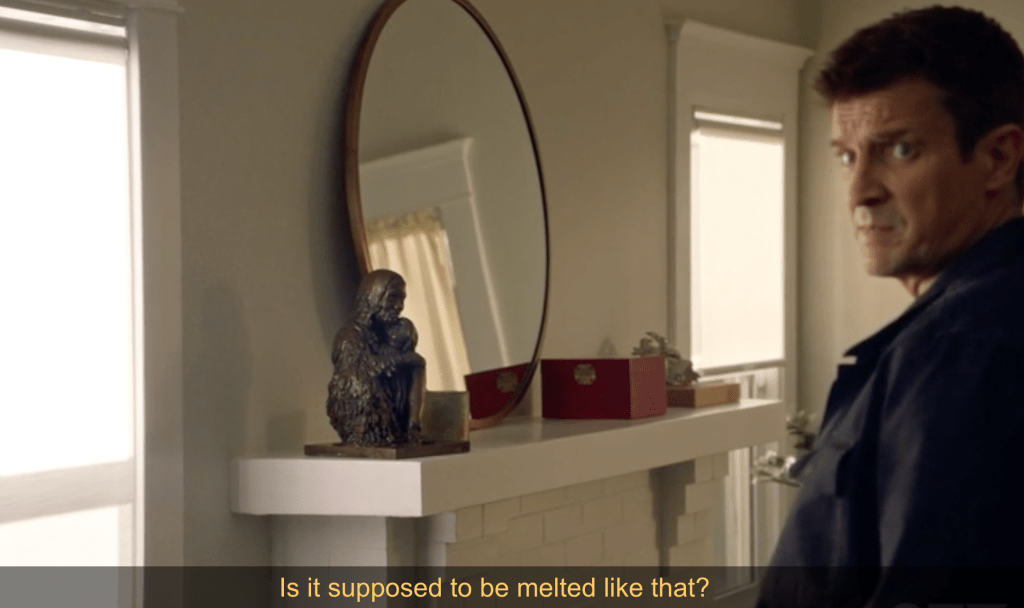
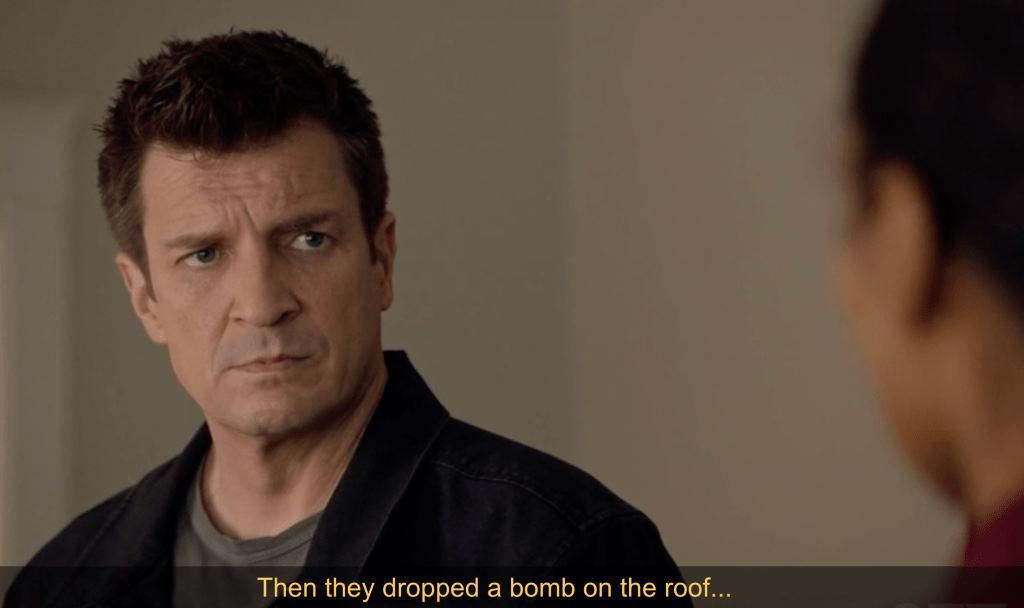
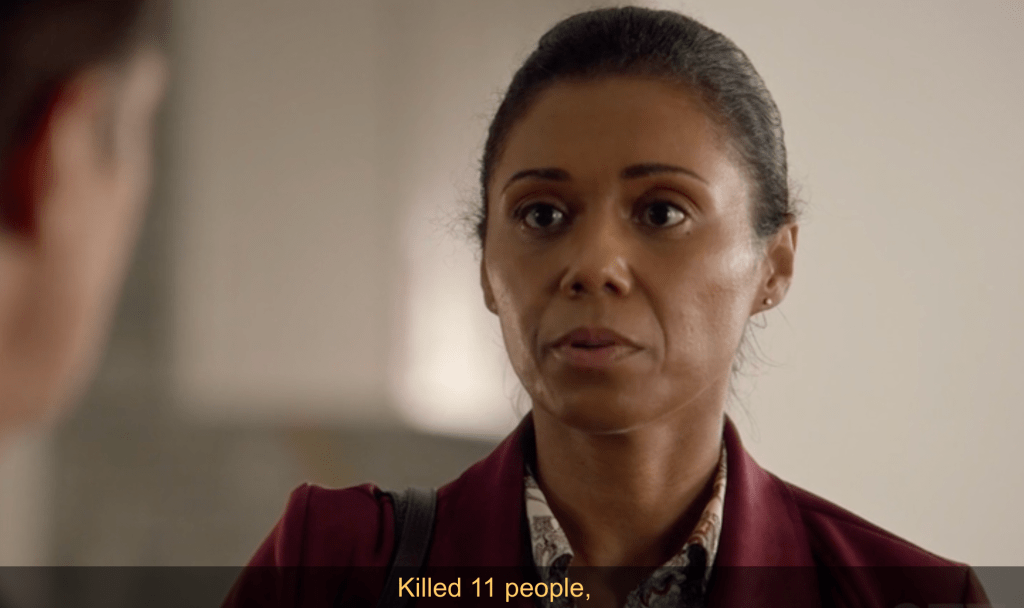
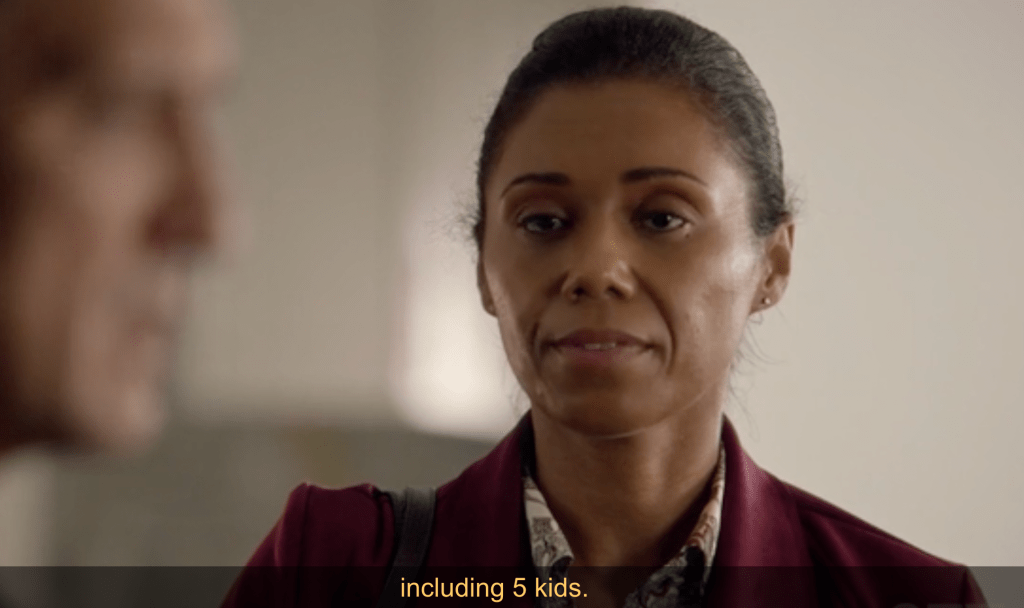
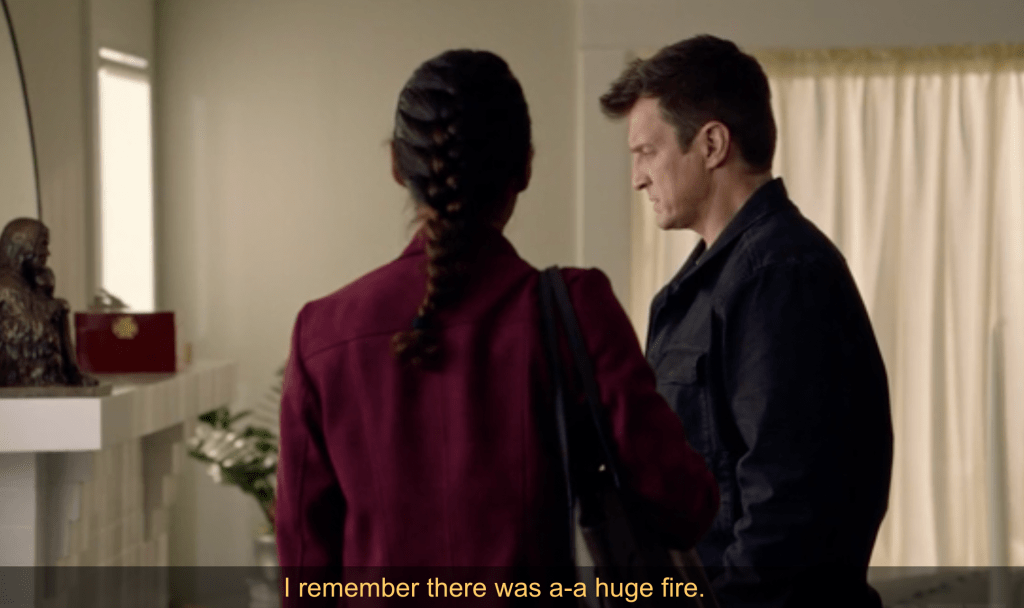
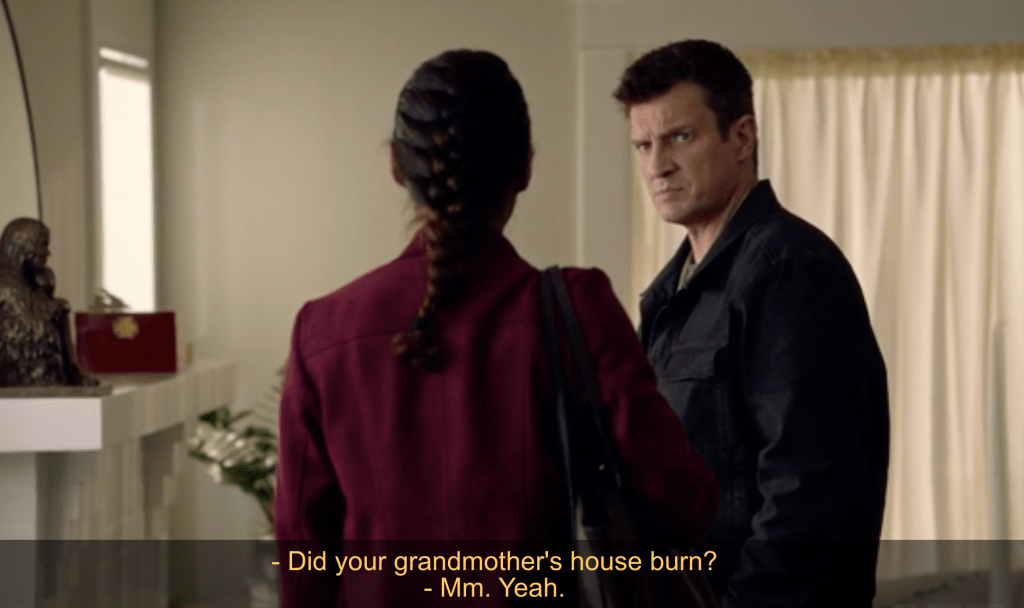
Professor Ryan mentions the events of May 13, 1985. On that day, about 500 police officers arrived at a row house at 6221 Osage Avenue in West Philadelphia to serve arrest warrants against several members of the militant black anarcho-primitivist group MOVE which has been called a terrorist organization by city officials and which had been in conflict with neighbors. After refusing to surrender to police, officers lobbed tear gas into the house and fired more than ten thousand rounds of ammunition in the house with residents returning gunfire. After a long standoff, the police commissioner ordered that the compound be bombed, in part because of fear there was a fortified gun bunker on the roof of the building. Six adults and five children died in the fire that followed.

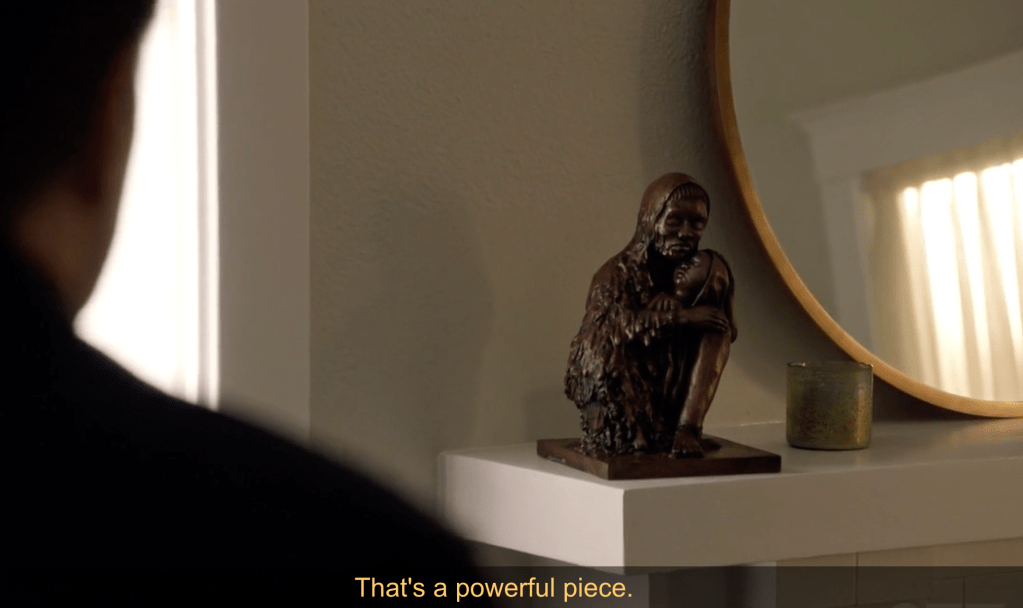
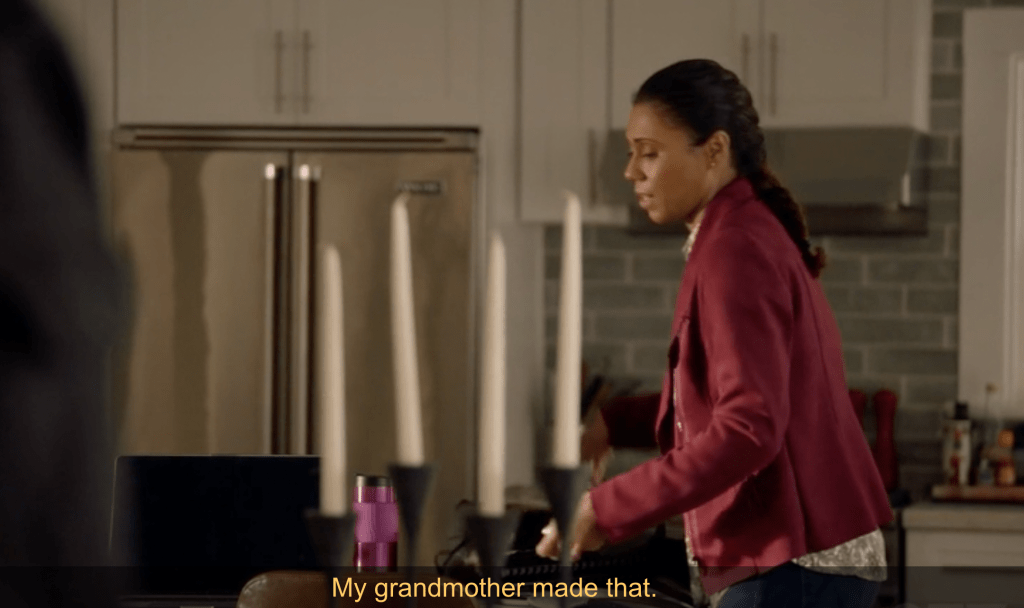
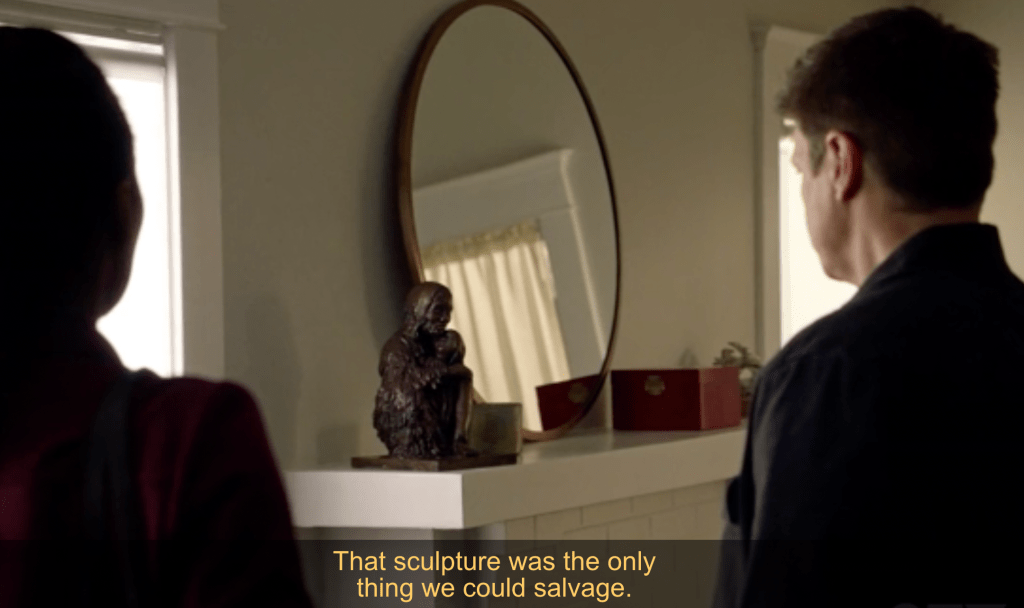
In the aftermath of the bombing, the police and fire department let fires burn out of control for almost one and a half hours at the order of the Mayor which destroyed sixty-five houses in the neighborhood. Professor Ryan mentions that her grandmother’s house was one of those that was destroyed by these fires.

A commission instituted to investigate the events found that dropping a bomb on an occupied row house was unconscionable. While no one involved was criminally prosecuted, the city was later ordered to pay $1.5 million to the survivors of the bombing and $12.83 million to other residents displaced by the bombing and the fires. In November 2020, the Philadelphia City Council approved a resolution to formally apologize for the MOVE bombing.

Source: “New Blood” (The Rookie, S3.E11; aired 18 April 2021), IMDb


Daniil Bazel, candidate for the Zaporizhzhia regional Duma in Russian-occupied eastern Ukraine
Social media photo via Important Stories

The Russian authorities plan to hold “elections” in the parts of Ukraine they have annexed—the parts of Kherson and Zaporizhzhia regions held by Russia, and the so-called people’s republics of Donetsk and Luhansk—on September 8–10. The “lawmakers” elected to the parliaments thus formed will appoint the heads of the regions and municipalities. Local residents will play no part in this process.

The “elections” will be held on the basis of party lists, which Important Stories and the Conflict Intelligence Team (CIT) perused together. On those lists we found collaborators, acting members of the Russian State Duma, corrupt officials, and even mobilized men. For example,

  • One of the candidates is State Duma member Igor Kastyukevich, who is running as United Russia’s number two candidate in the elections in the Kherson region. Kastyukevich has been implicated in the deportation of Ukrainian children to Russia. A year ago, he recounted how he had assisted in moving over fifty children from the Kherson Children’s Home to Crimea.
  • Roman Batrshin, the appointed head of the Zaporozhzhia regional court, is running for the Zaporizhzhia regional duma. Previously, Batrshin was acting head of the Smolensk court. He became a “local” in the occupied region quite recently.

    When our correspondent called Batrshin’s number, the voice on the other end of the line sounded like Batrshin’s. When asked about the elections he said, “It’s not me you’re talking to. He’s not here.”
  • Among them is Daniil Bazel, a 23-year-old mobilized soldier. In Moscow, he worked in the one of the arms of the Russian National Guard, but is now trying his hand at entering the Zaporizhzhia regional “parliament.”

    “I’ve decided to run because I’ve come to like the region a lot,” Bazel told Important Stories. “It has to be developed. I myself am a mobilized soldier. I spent eleven months in Zaporizhzhia and and now I am directly performing tasks related to the service in the Zaporozhzhia region [sic]. I saw it all from the inside and I wanted to help fix everything.”
  • It is apparent from the candidate lists that the main problem faced by the organizers of the “elections” was finding people willing to run. Thus, 27% of LDPR’s candidates are pensioners and housewives far removed from politics, while such people make up nearly half of the candidates on the CPRF and A Just Russia lists.
  • LDPR is also running several serial candidates, that is, people who have run in dozens of elections at various levels but who have never once been elected. But there is one federal politician on the LDPR list—party chair Leonid Slutsky, who is running simultaneously in all four occupied regions.
Source: Important Stories, email newsletter, 28 August 2023. Translated by the Russian Reader


The General Radio Frequency Center, which is subordinate to Roskomnadzor, and the company Crib Room, which develops solutions for locating and analyzing destructive content on the internet, have drafted a white paper entitled “Russia’s Gaming Industry.” The authorities see online gaming communities as a channel for communicating with young people and “a tool for state information influence on society.” According to the paper, the state can use games “to promote political ideas, brands and attitudes among young people,” which may require the development of technological tools for working with gaming communities.

Market participants note that the authorities’ growing interest in the industry creates problems for companies negotiating with foreign studios to launch games in Russia. Foreign companies do not want to deal with excessive regulation and censorship. “The Russian market is already small in global terms, and foreign studios were beginning to restore a cautious interest in it, but [the Russian authorities] are trying to regulate it rigidly, while the economic feasibility of such an approach is not broached by the people behind the initiative,” stresses Vasily Ovchinnikov, CEO of VIDO [the Videogame Industry Development Organization].

Source: Moscow Times Russian Service, daily email newsletter, 28 August 2023. Translated by the Russian Reader

International Children’s Day (June 1)

Important Stories • “Putin, Lvova-Belova and their crimes: how Ukrainian orphans are registered as Russians” • 31 May 2023

The Russian authorities have been removing children en masse from occupied Ukrainian territories and do not consider it a crime. But the International Criminal Court in the Hague thinks differently, accusing Vladimir Putin and Russian children’s ombudsman Maria Lvova-Belova of war crimes—namely, the illegal deportation of minors from Ukraine.

Orphans and children left without parental care have been sent all over Russia, even to the Far North. Important Stories found out how this system works and how abducted Ukrainian orphans are forcibly turned into Russian nationals.

[…]

Timecode

00:00 Why Putin and Lviv-Belova have been accused of kidnapping Ukrainian children

01:12 How 2,500 new children appeared in Russia’s database of orphans

02:32 The story of Sasha from Donetsk and his two sisters

03:56 The environment in which Ukrainian children are raised in Russia

05:23 “The children categorically refused to go to the Far North, where we live”

07:12 “The parents were killed there. The children told us terrible things”

07:48 Ukrainian orphans are provided with housing, for which Russians spend years on the waiting list

08:39 “There have never been such crimes in the history of humankind”

Source: Important Stories (YouTube), 31 May 2023. Annotation translated by the Russian Reader


SOTA • “Putin is readying young people to rebuild the army” • 31 May 2023

It won’t be possible to wage wars forever, but Putin is trying very hard. Since February 24, 2022, the lives of young people have changed. Starting in kindergarten, children are now taught that serving in the army is the best job in the world, and that the most beautiful thing in life is dying for the good of the Motherland.

[Endlessly repeat the message that] Russia is surrounded by Nazis, the whole world is against it, its soldiers are defenders, and you’re good to go. You’ve raised a whole new generation of soldiers.

This assembly line for producing soldiers has existed for several years. Even before the war, schoolchildren were inspired with imperialism and a desire to go to war. Now, however, everything has reached new levels. Military parades are organized in kindergartens. Schoolchildren are taught to dig trenches, shoot, and render first aid in combat. And university students are trained to serve in the military.

See more about how children are turned into soldiers in our new video.

Source: SOTA (YouTube), 31 May 2023. Annotation translated by the Russian Reader


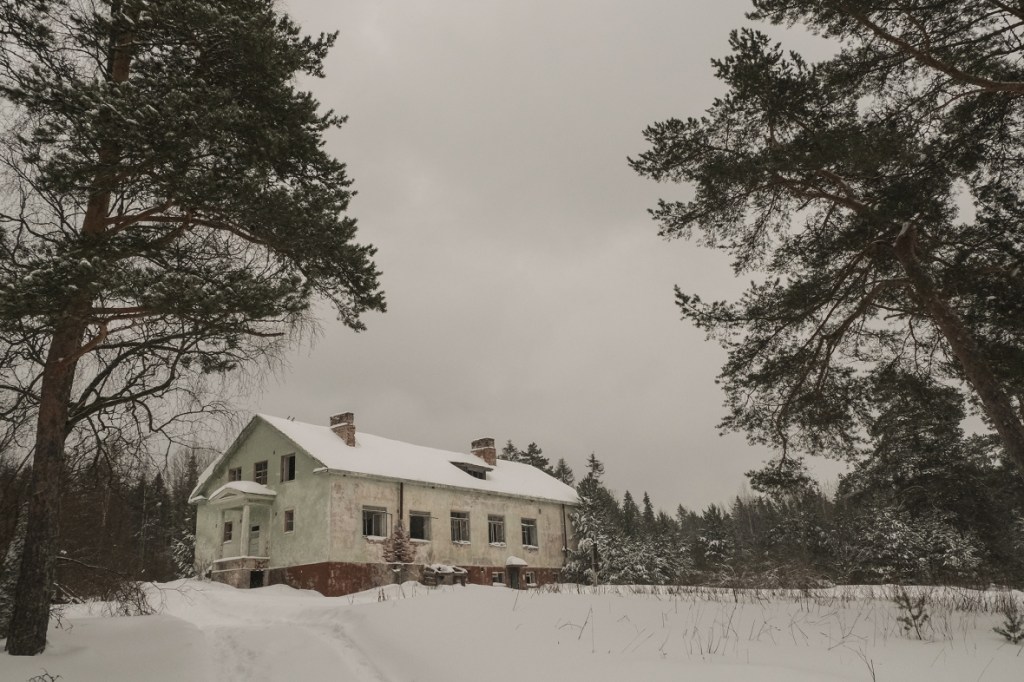
A ruined building of the Burenevo Auxiliary Boarding School for Mentally Retarded Children.
Village of Burnevo, Priozersk District (Leningrad Region), 2021. Photo: Olga Matveeva/Republic

“Hello Irina Alexandrovna! This is your pupil writing to you. I decided to write to you. Please write a letter here so that they let me go on my own, whatever date you need, so that I can study from the beginning of the school year, that is, beginning September 1. Say hello to everyone at the school. When you write the letter, address it to the 11th department… Irina Alexandrovna what was the reason you sent me to the mental hospital again. I told you that I would remain at camp…”

This is an excerpt from a letter written by a pupil to the director of the Burnevo Auxiliary School for Mentally Retarded Children. I found the letter in his personal file.

In 1970, the Priozersk Sanatorium Forest School was reorganized into an auxiliary boarding school for mentally retarded children. According to the school’s fact sheet, “Forty-eight mentally retarded children studied [sic] at the school. Ten of them are disabled. All of the children are from at-risk families. Classes are held in one shift, five days a week. On weekends and holidays, ten to fifteen of them, mostly orphans, stay. There are twelve of them in the school.”

It seems that many of the pupils were not mentally retarded or disabled, but they were neglected. Sergei, a resident of the village of Burnevo, spoke to this fact: “Half of the children there were sick, while half of the healthy ones were from dysfunctional families. I attended this school until 1970, and my mother worked there as a minder.”

The school was closed in 2005 due to poor epidemiological conditions. There was only stove heating in the building, and the water was pumped from the lake. The school consisted of several buildings. In the main building there were four classrooms, a teacher’s room, a curriculum office, and the director’s office. There were sleeping quarters in a wooden building. Carpentry workshops, sewing workshops, a recreation and sports equipment room were located in separate buildings. There was also a medical unit with an isolation ward and a speech therapist’s office. There I found an archive containing the personal files of the school’s graduates.

“His grandmother telephoned. She said that her grandson was very bad, it was hard to deal him, his socks were wet and dirty. He gave a jacket to a girl, but lied to his grandmother that he had dropped it off at the laundry. At the class meeting, it was decided to refer him to the psychiatrist to prescribe treatment.”

“Slava ended up the border zone this summer: he told the border guards that he was flying in a spaceship. I had a frank talk with him. He still wants to go see his mother in Vyborg (she does not live with their family). He didn’t find her, got lost, and ended up in the border zone. Slava, smiling, told how me he deceived a border guard and a policeman. Slava was referred to a psychiatrist, who detected no abnormalities.”

“Oleg systematically wipes the dust from his bed badly. This was discussed at a class meeting. There are no results.”

“If children skip classes, they should be reported to the police without delay.”

These are quotes from pupil observation logs. Along with memos, letters, and assessments, they were kept in the students’ personal files. These records about the children were kept for years—from the first grade to graduation. Perusing them, you begin to imagine these children, how they lived, what they worried about, what they did. Their childhoods are written down in slim notebooks. You watch them grow up and go out into the world, or to a psychoneurological residential treatment facility, or to prison.

For bad behavior, children were referred to a psychiatrist and prescribed treatment. There is no data on how many orphans are placed in psychiatric clinics nowadays. The roots of what is happening in this system to this day must be sought in the past.

This project is based on archival materials and interviews with graduates of the Burnevo Auxiliary School for Mentally Retarded Children whom I managed to find.

[…]

Source: Olga Matveeva, “‘A slight degree of imbecility’: the stories of graduates of an auxiliary boarding school for mentally retarded children,” Republic, 31 May 2023. Translated by the Russian Reader


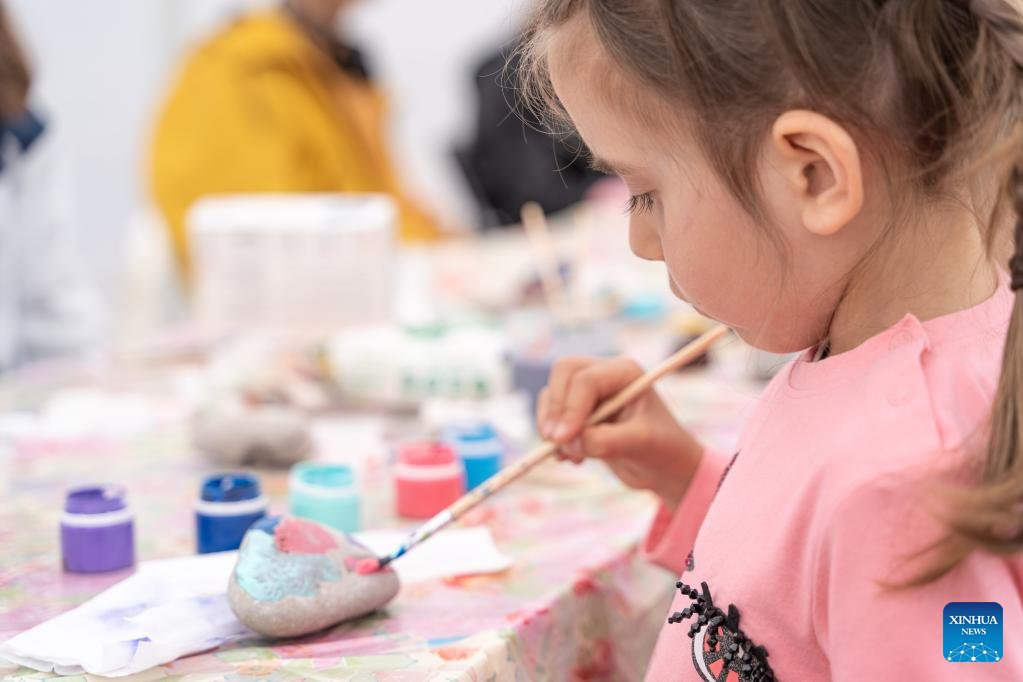
A girl paints a pebble during an event to mark the International Children’s Day in Vladivostok, Russia, June 1, 2023. (Photo by Guo Feizhou/Xinhua)

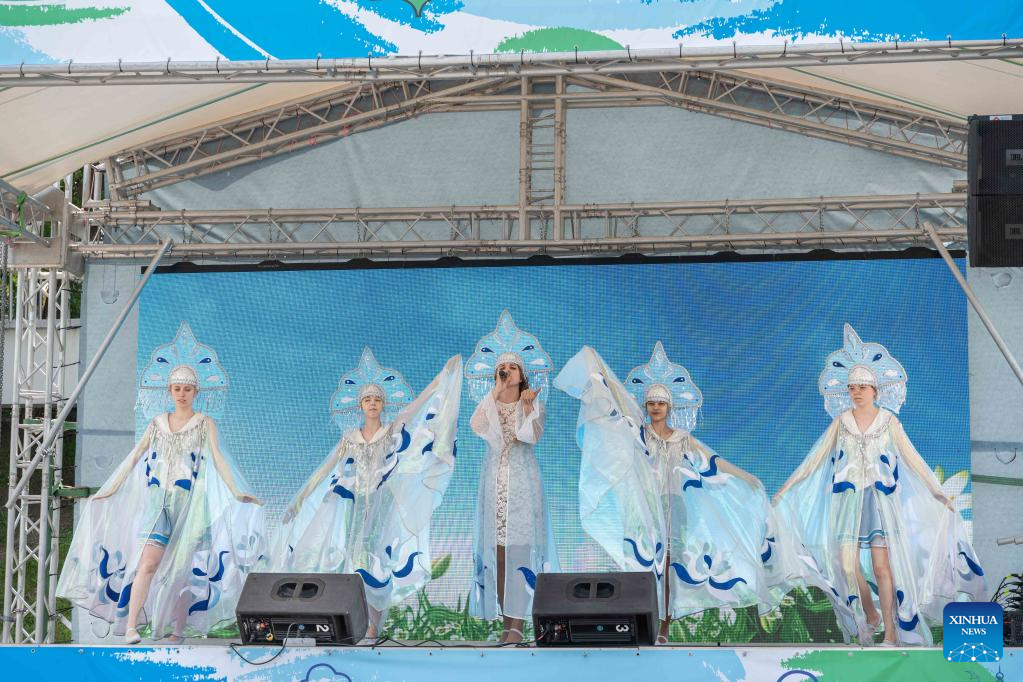
Students from a special education school perform during an event to mark the International Children’s Day in Vladivostok, Russia, June 1, 2023. (Photo by Guo Feizhou/Xinhua)

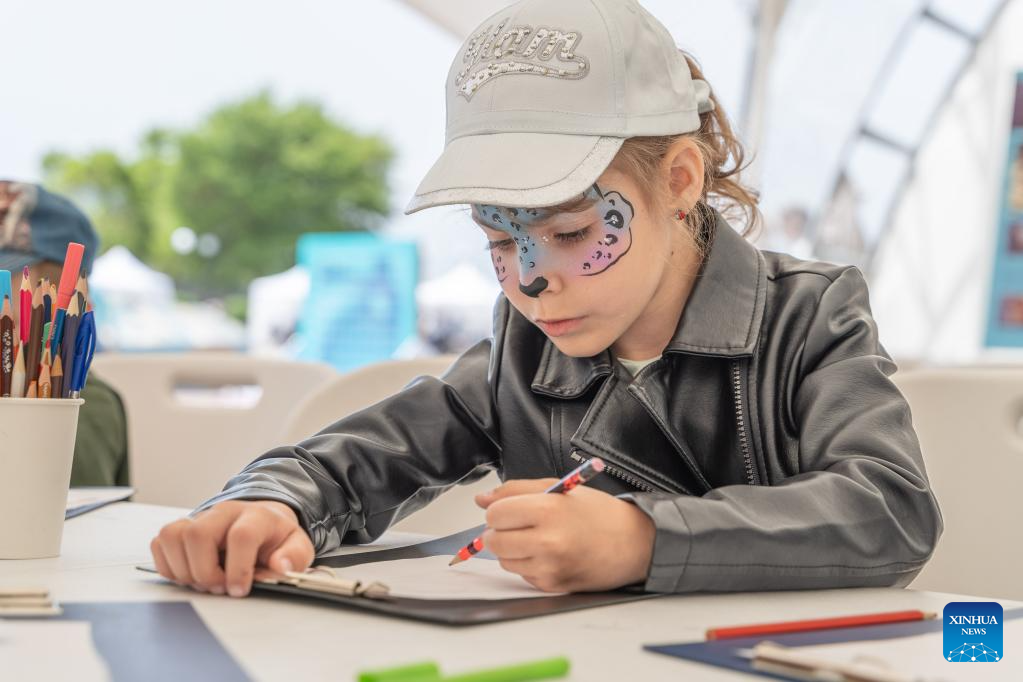
A girl draws during an event to mark the International Children’s Day in Vladivostok, Russia, June 1, 2023. (Photo by Guo Feizhou/Xinhua)

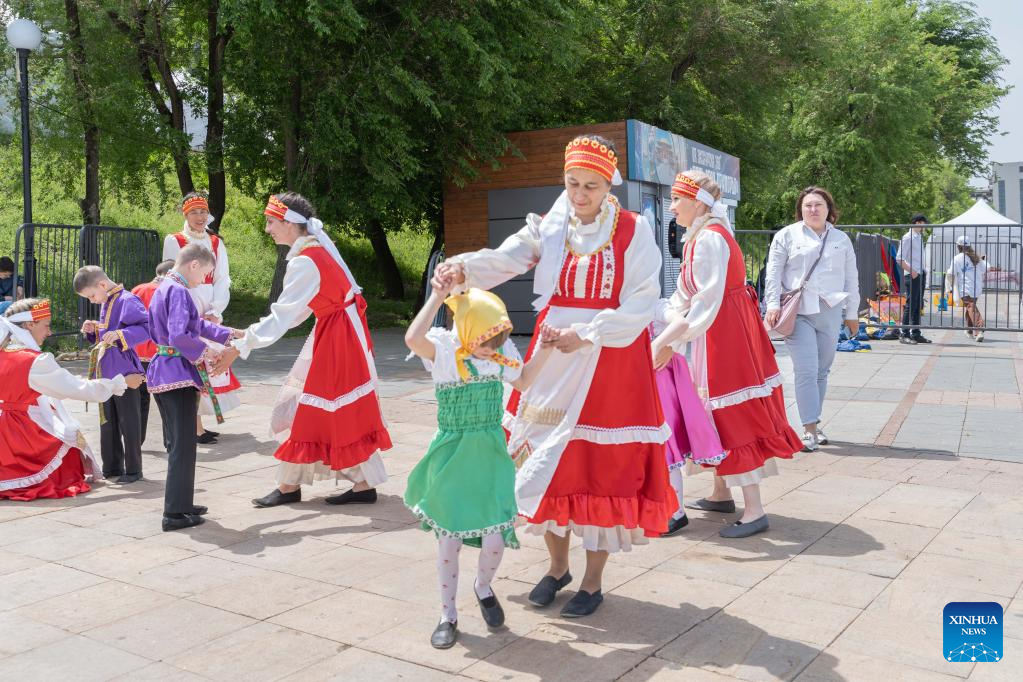
Teachers and students in traditional attire dance during an event to mark the International Children’s Day in Vladivostok, Russia, June 1, 2023. (Photo by Guo Feizhou/Xinhua)

[…]

Source: “Int’l Children’s Day marked around world,” Xinhua, 1 June 2023

HIV on the Rise Again in Russia

The number of new cases of HIV infection in Russia has been growing again. In 2022, 63,150 people were diagnosed with HIV, while a year earlier this figure was 61,098 people, according to the Russian Health Ministry. During the pandemic, fewer cases of HIV infection were detected in Russia due to reduced testing coverage and lockdowns.

The HIV detection rate in Russia increased by eight percent per 100,000 people in a year. There was an even bigger jump in particular regions. Compared with 2021, this figure almost doubled in the Belgorod Region. It increased by 76% in the Kaluga Region, by 66% in Yakutia, and by 60% in Ingushetia and the Altai Republic.

HIV infection rates in Russia per 100,000 people between 2004 and 2022, according to the Russian Health Ministry.

However, the Health Ministry’s data encompasses only people who have registered as outpatients at AIDS centers. They do not reflect those who have tested positive for HIV, but were not registered. The number of such people is as high as twenty percent of all confirmed cases of infection, estimates Vadim Pokrovsky, head of the Epidemiology and AIDS Prevention Research Department at Rospotrebnadzor’s Central Epidemiology Research Institute. Nor does this figure include foreign nationals and anonymous positive tests.

In 2021, 1,138,000 people with a confirmed diagnosis of HIV diagnosis resided in Russia. In 2022, another 60,000 people were diagnosed with HIV. To these groups we need to add around 300,000 people (according to Pokrovsky’s estimates) who have HIV but don’t know it because they haven’t been tested. Thus, the number of HIV-positive people in Russia is one and a half million, which is one percent of the country’s population.

2.6% of pregnant women in the Irkutsk Region are HIV positive.

At the Congress on Infectious Diseases, Pokrovsky said that almost a third of Russia’s regions are undergoing the generalized (third) stage of the HIV epidemic. He explained that there are three stages of the epidemic. The first (initial) stage involves isolated cases. The second (concentrated) stage occurs when more than five percent of any high-risk subpopulation is infected (for example, prison inmates, drug addicts, or sex workers, while the third (generalized) stage occurs when more than one percent of pregnant women are infected with HIV.

According to Pokrovsky, nine Russian regions are in the first stage of the epidemic, while forty-eight are in the concentrated stage, and twenty-seven are in the generalized stage. In the Irkutsk Region, 2.6% of pregnant women have been diagnosed with HIV, he noted. Ten percent of Russian prison inmates are infected with HIV, and four percent of Russian men over the age of forty have HIV, adds Pokrovsky.

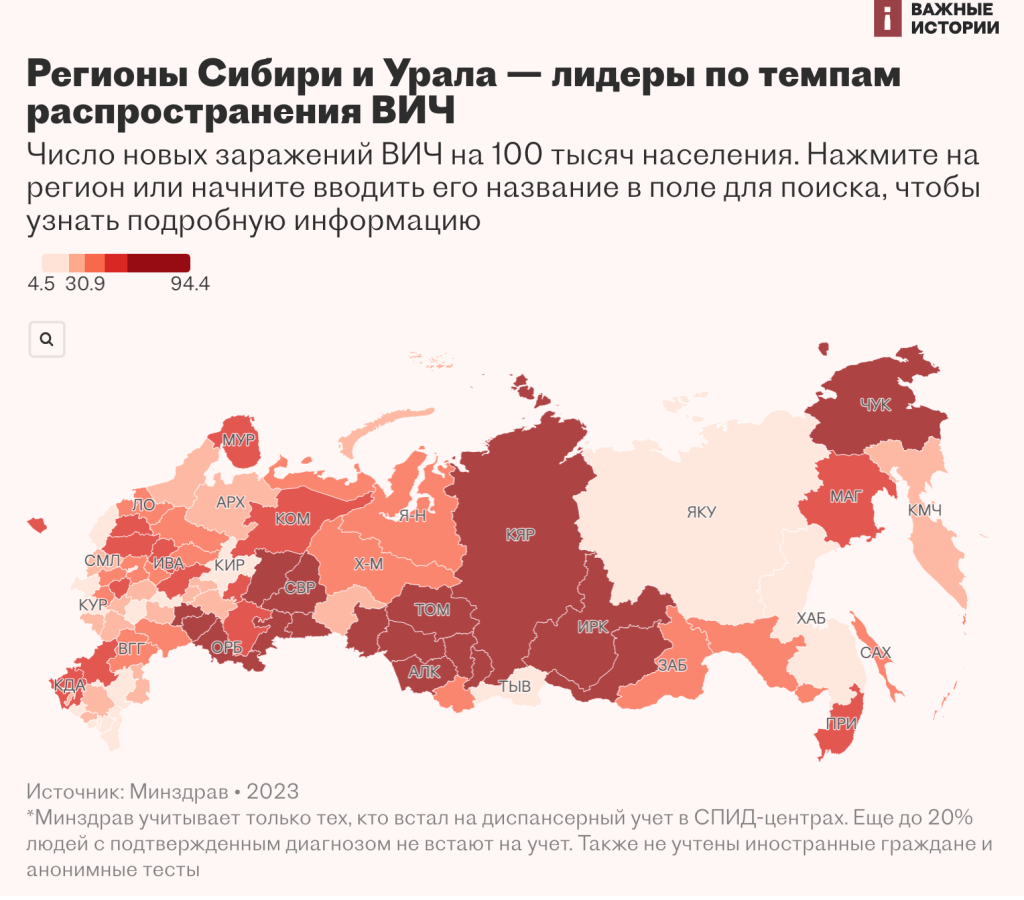
In 2022, regions of Siberia and the Urals — Krasnoyarsk and Perm Territories, Orenburg, Kemerovo, Irkutsk, Tomsk, Chelyabinsk, Novosibirsk, Kurgan and Sverdlovsk regions — remained the leaders in the rate of HIV spread, as in previous years.

“Regions of Siberia and the Urals are leaders in the rate of HIV spread. Number of new HIV infections per 100,000 people.
Click on the region or start typing its name in the search box to see specific figures.”
This map is interactive in the original article, as published on the Important Stories website.

And yet, flying in the face of its own data, which showed an increase in cases, in March of this year the Health Ministry reported a reduction in the number of new cases of HIV infection in 2022.

According to the UN strategy for eradicating HIV, a country should seek to hit the “90–90–90” treatment target if they want to beat the epidemic. This means that ninety percent of people with HIV should know their status, ninety percent of people who know they are HIV positive should receive sustained treatment, and ninety percent of patients undergoing treatment should have an undetectable (i.e., very low) viral load. When this is the case, an HIV-positive person undergoing antiretroviral therapy cannot transmit the virus to another person.

Antiretroviral (ARV) treatment is the principal means of combating HIV. Every person living with the immunodeficiency virus should receive this therapy. But that is not the case now.

In 2021, 82% of people who had regular medical check-ups and 56% of all those living with a confirmed diagnosis of HIV infection received ARV treatment, according to Rospotrebnadzor’s AIDS Prevention and Monitoring Center. An undetectable viral load was attained by eighty percent of those receiving ARV treatment.

The rest — more than half a million people with a confirmed diagnosis — do not receive treatment. Their viral load remains detectable, so they risk spreading the infection.

By law, Russian citizens should receive ARV treatment for free. However, the Health Ministry procures less medicine than HIV-positive people need, and has not increased the treatment budget despite the fact that the number of patients has been growing every year. Every day, the project “Interruptions.ru” fields messages from patients complaining about the unavailability of treatment.

49% of Russians registered as HIV positive are covered by drugs purchased by the state.

In 2021, Russia procured only 391,000 annual doses, according to the International Treatment Preparedness Coalition. This covers approximately 49% of the number of people who receive follow-up care, and 34.4% of all people registered as HIV-positive. Therapy coverage was thus fifteen percent lower in 2021 than in 2020.

The drugs procurement budget for 2023–2025 must be increased by at least fifteen billion rubles annually in order to provide all patients with the necessary treatment. However, the Finance Ministry is willing to allocate 31.7 billion rubles for drugs procurement annually during the period 2023–2025 — that is, it does not plan to increase spending.

And yet, according to one estimate, Russia spent ten trillion rubles on the war over the past year. This same amount of money could provide all Russians in need of it with ARV treatment for 270 years in a row.

The Health Ministry procures drugs for ARV treatment on the federal level, while the regions must purchase the drugs they lack themselves, an activist who helps people with HIV explained to Important Stories on condition of anonymity.

According to her, AIDS centers in the regions submit applications to the Health Ministry for the amount of drugs they need. But the Health Ministry buys less than requested — for example, AIDS centers might apply for ten thousand doses, but the Health Ministry buys them only seven thousand. The regions have to find the money to make up for the shortfall in drugs.

“We must increase the number of patients in treatment and increase coverage,” our source told us. “At the moment, it is unclear what to do without additional allocations of money for purchasing medicines.”

If the Russian authorities spent ten trillion rubles on medicines, rather than on the war in Ukraine, they could provide HIV-infected Russians with the treatment they need for 270 years in a row.

The regions are not required to buy additional medicines, nor do all of them do it. Consequently, patients find themselves in unequal conditions: in richer regions, they receive the appropriate treatment, while in poorer regions they do not. Moreover, spending on drugs does not depend on how bad the HIV epidemic is in a particular region. This can be seen by looking at procurements of the drug Dolutegravir. According to our source, it is a well-researched and rather expensive drug that is suitable for many patients. But the Health Ministry has been reducing its purchases of the drug, while the country’s richest regions — the Tyumen Region, Moscow, St. Petersburg, and the Khanty-Mansi Autonomous District — spent the most of their own funds on it in 2022.

More than half of Russia’s regions did not purchase additional Dolutegravir for their patients at all, including, for example, the Sverdlovsk Region, where almost three thousand new patients were registered in 2022.

More than 77% of the money spent on Dolutegravir was spent by regions where only 23% of new HIV patients live.

Cutting-edge HIV treatment is available mainly to residents of rich regions

More than 77% of the public funds spent on procuring the drug Dolutegravir in 2022 were allocated by regions where only 23% of new cases live

A table showing how much Russia’s regions spent, in rubles and as a percentage of nationwide spending, on the ARV drug Dolutegravir in 2022, versus new cases of HIV infection last year, both in sheer numbers and as a percentage of the national total. The list includes Tyumen Region (at the top), Moscow, St. Petersburg, Khanty-Mansi Autonomous District, Chelyabinsk Region, Irkutsk Region, Tula Region, Novosibirsk Region, Yamalo-Nenets Autonomous District, Murmansk Region, and “all other regions.”

In 2022, Kommersant wrote about the reduction of purchases of expensive drugs for which there are no less-expensive substitutes. In 2021, such drugs accounted for 67% of the total volume of ARV treatment purchases, while in 2022, this figure was 55%. Cheaper drugs are being purchased to replace them.

Reducing the choice of drugs available makes it more difficult for patients to choose a treatment that suits them without causing side effects. It happens that only one drug out of four is suitable for a person, but the region where they live does not supply it.

Pokrovsky notes that the 63,000 new cases in 2022 is a high rate of infection. In reality, there are even more HIV-positive people in Russia, since the country’s most vulnerable groups are less likely to be tested.

“In part, the large number of new cases is due to the fact that we do test a large portion of the population: more than forty million tests were done in 2022. (But we must take into account the fact that, for example, pregnant women and donors are tested several times a year.) On the other hand, people who are particularly vulnerable to HIV infection — drug users and men who have sex with other men — are not tested enough,” Pokrovsky says.

68% of new HIV infections in Russia were the result of heterosexual sexual contact,
so sex education is needed to combat the epidemic.

Pokrovsky argues that to effectively combat the epidemic, the Russian government should promote sex education and fund social advertising campaigns.

“Nowadays, the biggest chunk of funding, over 30 billion rubles [per year], is spent on procuring drugs,” he says. “Treatment is supported by the pharmaceutical companies, so that is where the bulk of the funds are allocated. But there are no market-based solutions to prevention. In this case, you can only count on public funds. Very little is allocated for prevention, literally 500 million rubles [per year], and this amount does not grow from year to year. Most of it is spent on appeals to get tested, rather than on teaching people how not to get infected with HIV. Sex education is now practically prohibited [in Russia].”

Russia was among the top five countries in terms of new HIV case numbers in 2021. According to UNAIDS (the United Nations HIV/AIDS program), Russia accounted for 3.9% of the one and a half million new cases of infection in the world. Russia was bested, in 2021, only by South Africa (14% of all new cases), Mozambique (6.5%), Nigeria (4.9%), and India (4.2%). The Russian Foreign Ministry dubbed the news a “dirty information campaign” on the part of the West. Instead of receiving support, many Russian NGOs campaigning for HIV prevention and patient care have been labeled “foreign agents” by the Russian authorities.

Contrary to the stereotype that drug addicts are the most infected segment of the populace, heterosexual sexual contact is now the primary mode of HIV transmission in Russia, accounting for 68% of new cases.

You can take an HIV test free of charge and anonymously at AIDS centers in all regions of the country.

Source: “Every third region of Russia is experiencing a third-stage HIV epidemic. But the authorities refuse to recognize the growth of infections and purchase the medicines needed. Cutting-edge drugs are available to patients only in the wealthiest regions,” Important Stories (IStories), 13 April 2023. Translated by the Russian Reader


In Russian prisons, they said they were deprived of effective treatments for their H.I.V. On the battlefield in Ukraine, they were offered hope, with the promise of anti-viral medications if they agreed to fight.

It was a recruiting pitch that worked for many Russian prisoners.

About 20 percent of recruits in Russian prisoner units are H.I.V. positive, Ukrainian authorities estimate based on infection rates in captured soldiers. Serving on the front lines seemed less risky than staying in prison, the detainees said in interviews with The New York Times.

“Conditions were very harsh” in Russian prison, said Timur, 37, an H.I.V.-positive Russian soldier interviewed at a detention site in the city of Dnipro in central Ukraine, and identified only by a first name, worried that he would face retaliation if he returned to Russia in a prisoner swap.

After he was sentenced to 10 years for drug dealing, the doctors in the Russian prison changed the anti-viral medication he had been taking to control H.I.V. to types he feared were not effective, Timur said.

He said he did not think he could survive a decade in Russian prison with H.I.V. In December, he agreed to serve six months in the Wagner mercenary group in exchange for a pardon and supplies of anti-viral medications.

“I understood I would have a quick death or a slow death,” he said of choosing between poor H.I.V. treatment in prison and participating in assaults in Russia’s war in Ukraine. “I chose a quick death.”

[…]

Source: Andrew E. Kramer, ‘”A Quick Death or a Slow Death’: Prisoners Choose War to Get Lifesaving Drugs,” New York Times, 21 April 2023