Ramil Niyazov: This War Didn’t Begin Only Eight Years Ago

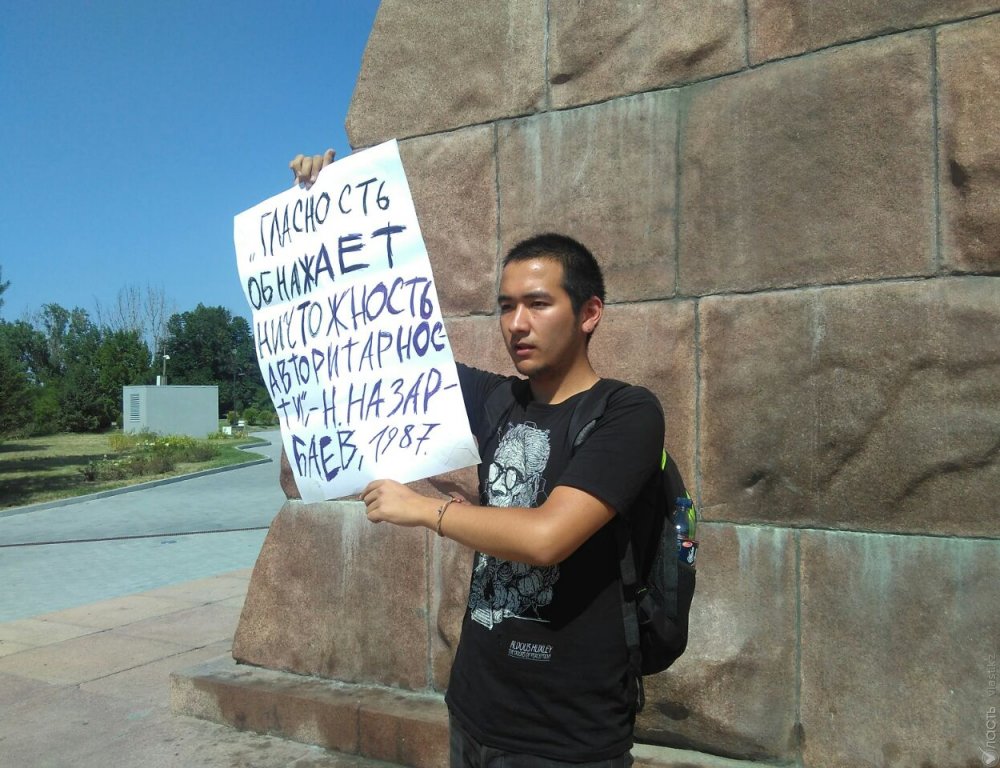
Ramil Niyazov, protesting next to the Abai Qunanbaiuly monument in Almaty in July 2019 with a placard that reads, “‘Glasnost exposes the paltriness of authoritarianism,’ N. Nazarbayev, 1987.” Photo courtesy of Vlast (Kazakhstan)

What, for so many centuries, has your soul been seeking here, Rusich? / You have so much land that you cannot embrace it all.

My heart has grown rooted to these bare gorges and cliffs. / So why have you come here to die again?

Khas-Magomed Hadjimuradov, “New Year’s Eve in Grozny” (1999)

You can point to various dates: fourteen years ago, when Russia invaded Georgia; twenty-eight years ago, when Moscow went to war in Grozny; thirty-one years ago, when the Kremlin got involved in the conflict in Moldova. Or we could quote Timur Mutsurаyev, who sang that “We’ve been three hundred years at war with Russia…” This would also be true, though that is a whole other story, of course. But for me, a person known in Russia as a khach and a churok [common Russian racial slurs for Central Asian, Caucasian, and dark-skinned people], it makes the most sense to say, “Dear Russians, welcome to New Year’s Eve in Grozny! We’ve been waiting for you. It’ll last forever for you, until it ends. And it’ll definitely end soon, and then it will be a New Year.

What is this “New Year’s Eve in Grozny” on a symbolic level? It’s not just a tragedy. It’s the beginning of History, which, according to Francis Fukuyama, was supposed to have ended already. The tragicomedy is that the “end of history” didn’t occur in 2001. It occurred—as we can see now—in 1995, with the start of the First Chechen War, which painfully resembles the one underway right now in Ukraine. For examples, see here, here, and here, as well as this, of course:

“Grozny. Aleppo. Mariupol. Kharkiv. Fascists Z Murderers.” Image courtesy of Radio Svoboda

But why was the continuation of the Russian Federation’s terrible, bloody, and inhumane war against its former colonies on February 24, 2022, such a shock for me, a Kazakhstani and, I’m sure, for many of you?

The simplest and most correct answer lies in the fact that its previous phases did not affect us. It all happened (I have in mind primarily the Chechen Wars) somewhere else, and involved non-white Muslims, gangsters, and terrorists. It was Russia’s internal affair, to which all so-called progressive humanity more or less gave its blessing. Well and what do you expect? It would hardly have befitted the US, after the Gulf War and in the midst of bombing Iraq, to stand up for Muslim Chechnya. But not everyone let Russia off the hook and forgot about this. The first foreign volunteers in unrecognized Ichkeria were, in fact, not Arabs or Afghanis but Ukrainians (see the interview with Aleksandr Muzychko, a.k.a. Sashko Bily). But even I (as, again, a Kazakhstani) thought before February 24 that if Russia were ever going to change, it would be due to civil war rather than military defeat. And so much more terrifying is the irony in the fact that people who previously didn’t care about the fate of Chechnya massively reposted an interview with [Dzhokhar Dudayev], the first president of the Chechen Republic of Ichkeria, in which he predicted this war with Ukraine a full twenty-seven years ago.

But the reasons that prompted me to write this text have nothing to do with a foreigner’s apparent decolonial attack against white masters, one full of ressentiment along the lines of “Did you really think that the slaughter in Bucha wouldn’t happen after the ‘mopping-up’ (this term actually first came into use then) in the village of Novye Aldy? Did you really think there wouldn’t be a strike on the Kramatorsk train station after the missile strike on the Grozny central market? Did you really think that Russian soldiers wouldn’t commit war crimes if, after two wars in Ichkeria, only two people were convicted of war crimes—Budanov and Lapin? If all the people who gathered evidence and conducted investigations (Anna Politkovskaya, Natalia Estemirova, and Stanislav Markelov) were murdered, all three of them?”

No, not at all. First and foremost, I want to repeat for everyone in Central Asia, the Baltics, the North Caucasus, and Eastern Europe who hasn’t yet understood it (and there are fewer and fewer of these people with every passing day): our life didn’t just change into a “before” and “after” on February 24. Those thirty years since the collapse of the USSR took shape as History. That whole viscous, formless time—in which we had led our private lives, built nation-states, felt that we were, as Sergei Timofeev’s poem has it, “the underbelly of Europe” (or Asia), and watched wars in the Middle East—that whole time the History of the post-Soviet space had been going on outside of our private lives. Every attack by Russian officials on various minorities and every minute of propaganda TV broadcasts (as we all found out after the war was continued) were not just a way of consolidating the electorate of Russia’s ruling party, which allegedly had no ideology. No, they were all drops in the ocean of Russism, as Dzhokhar Dudayev called it, something with which we all collided on February 24, 2022. For thirty-one years it had been growing and maturing, and all of our hopes (including my own) for decolonizing Russian and Russia without a military defeat in a monstrous war, were lost. Future historians will describe this time as “the years of Russism and the struggle against it.” While we thought we had been living in an era of local conflicts, nation-states, and gradual democratization!

I thus declare with confidence that the most decolonial (in all senses) decision right now for everyone, for the whole world, is to completely support Ukraine. Because if it’s permitted to bomb even white Christian Europe, then it’s okay to “not sweat it” like China with the Uyghurs and just build concentration camps in downtown Paris. For anyone you want.

To sum up, I want to quote a poem by the Soviet poet Vladimir Burich, who was born in Kharkiv (cruel irony)—a poem we can all feel right now with our whole bodies:

The world is filling up with

postwar people

postwar things

among my letters I found

a bar of prewar soap

I didn’t know what to do

wash

cry

The prewar era is 

a lost Atlantis 

And we

the miraculous survivors

Our prewar era has truly gone under, and we are its last witnesses. Just as the Second World War turned the Great War into the First World War, the thirty-one years between the collapse of the USSR and the bombing of Kyiv on February 24, 2022, have crystalized. Our political philosophy, historiography, and humanities will change. Our whole understanding of social reality will change, whether we want it to or not. History, as is still often the case, is unfolding before our very eyes. Better not blink and miss it.

Source: Ramil Niyazov-Adyldzhyan, “This War Didn’t Start Eight Years Ago,” Sibir.Realii (Radio Svoboda), 8 July 2022. Mr. Niyazov is a Kazakhstani poet. Translated by the Fabulous AM
A Skeleton in the Closet

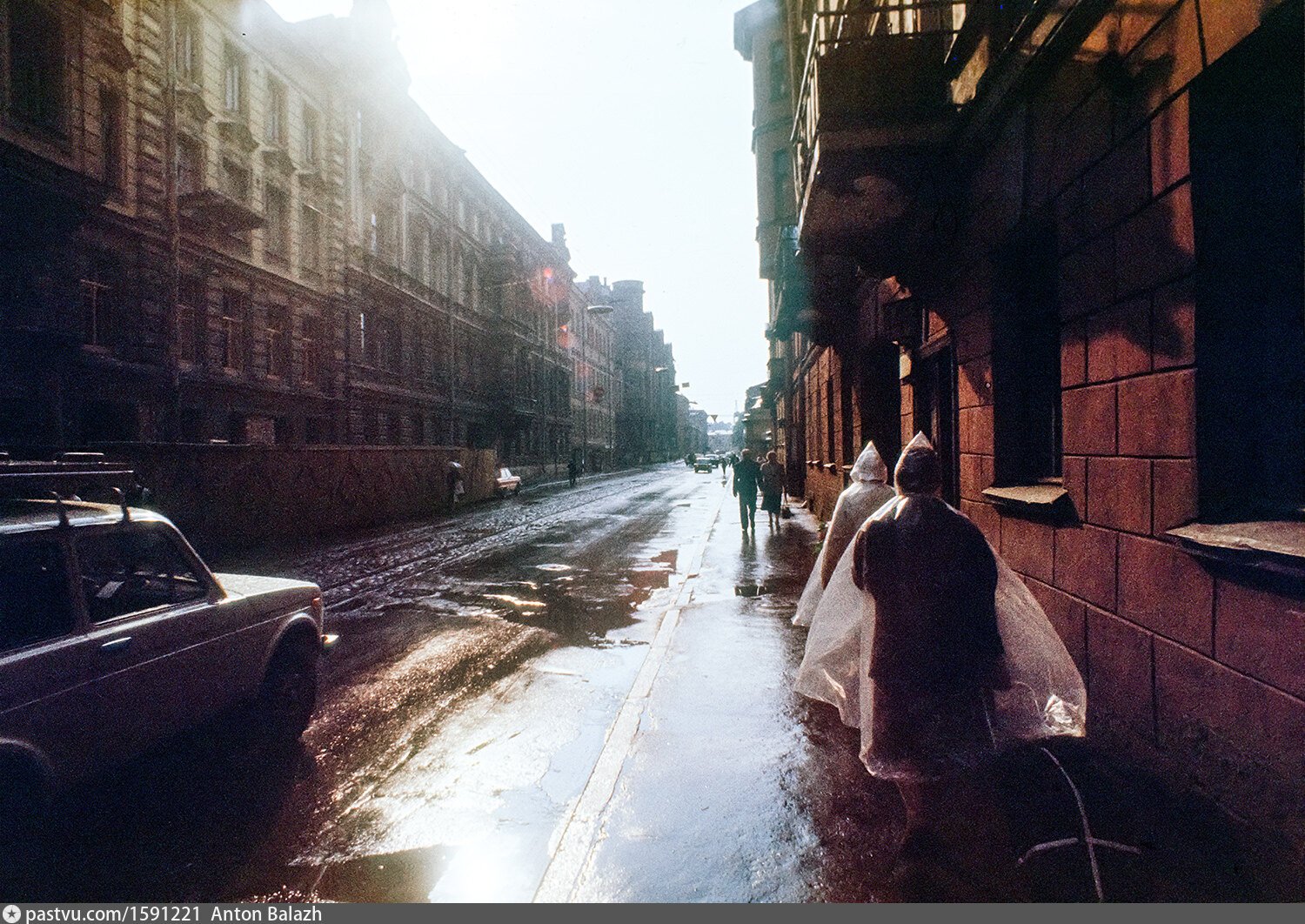
Anton Balazh, Kuznechny Lane (Leningrad), 1988-1990. Courtesy of Vladimir Golbraikh

When it rumbled and rattled,
And the soup in the pot bounced on the table,
He jumped up, and then crumbled.
The toys turned their faces straightaway—
It was not their toyish business.
He climbed into the closet.
He lay inside it and slept.
Then he woke, wailed a bit and wept,
Nibbled at the mushy potatoes on the floor,
And grabbing the blue dog,
Went back into the closet.
He was not long for this world.
Someday they’ll find his skeleton
Among the moldering blazers and skirts.
Those who find it might laugh—
A skeleton in the closet! But no one will laugh.
They will remove this little skeleton,
Clutching the colorless dog,
And carry it out into the terrible white world.

30 June 2022

Source: Vadim Zhuk, Facebook, 30 June 2022. Thanks to PZ for the heads-up. Vadim Zhuk (born 1947) is a well-known Russian actor, screenwriter, TV presenter, and poet. Translated by the Russian Reader

Pleased to Meat You

Dana Sideros

In English lessons at school
it was dictations that scared me most
because I would mix up meet and meat,
ship and sheep, chick and cheek.

I would write
The ship eats green grass.
The big sheep goes to sea at dawn.
I like this fried meet.
Grandma’s cheeks are yellow and funny.

If a native speaker hears you,
one of the teachers told us,
if a native speaker hears you,
they’ll find it painful, and you’ll be embarrassed.

My English has grown a bit since then,
but it is still hamstrung and stunted.

On an island in the middle of the ocean
My clumsy English and I
chatted once with a hostel mate, a Chinese woman.
She told me she had traveled by bus
through Texas, Louisiana, and Florida,
but then in Florida, in Miami,
homesickness had caught up with her,
because she did not find a Chinatown there.
Her story was exactly the same as mine.
I had traveled the same route,
and for some reason it was in Miami,
a city of dancing in the streets, beaches, cocktails, happiness, and sunshine,
where I’d also felt like going home
to the dirty gloom of Moscow in November.

But earlier, on the outskirts of Orlando,
my poor English and I
told a homeless guy,
sitting on the sidewalk in a bad neighborhood,
that my country
had, a year earlier, attacked its neighbor
and taken away the island of Cream
(I still don’t remember the word for “semi-island.”)
People always thinking up some shit, he nodded,
vaguely motioning
towards a better neighborhood.

My lopsided English and I
bought a summer dress
(baby, why do you hide your figure),
looked for a laundromat
(I had to wash my clothes),
explained the rules of a board game
(and then these guys die and go home the same way).

Language wasn’t the problem, it turned out.
I, a native speaker of Russian,
hear native speakers of Russian,
and all the words are muddled.
But my clumsy Russian and I
don’t despair — we memorize words
and phrases that come in handy in conversation.

If someone slaps you,
turn the other chick.
Pleased to meat you.

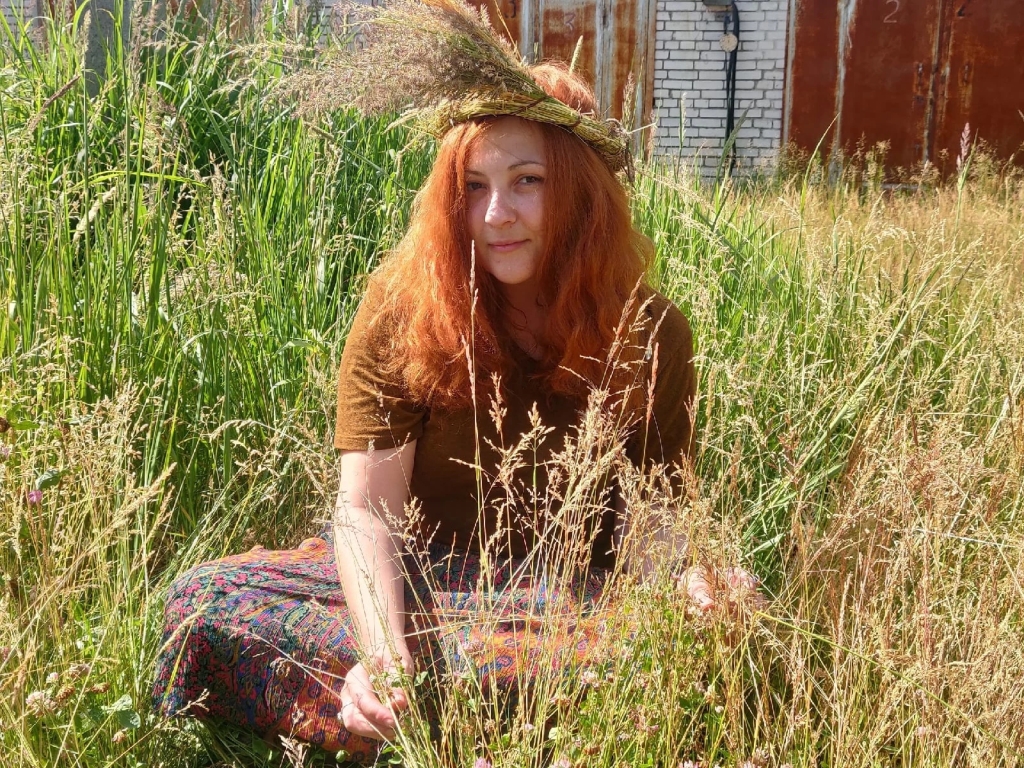
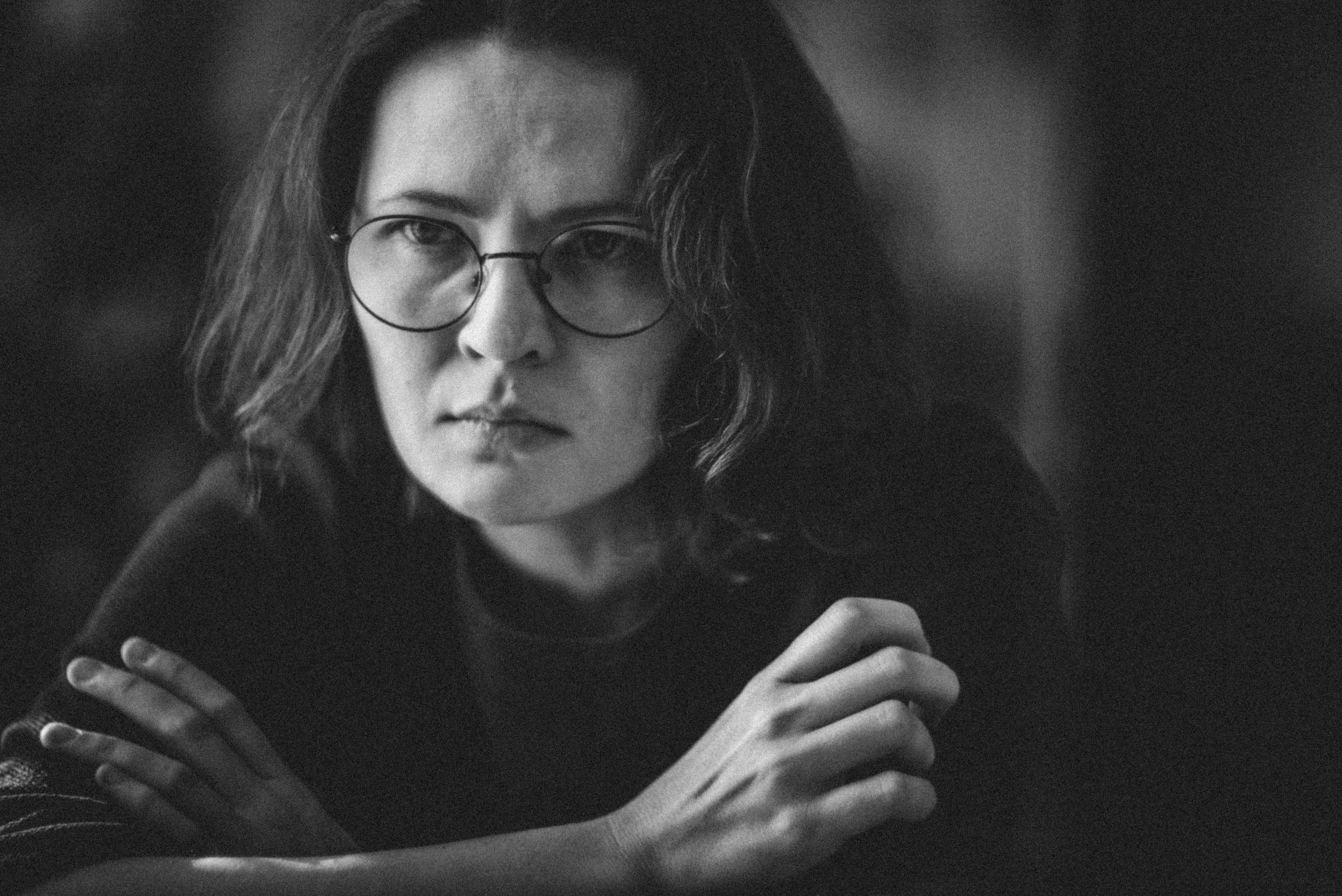
Source: Dana Sideros, Facebook, 26 June 2022. Translated by the Russian Reader. Dana Sideros is a Russian playwright and poet, currently living in Portugal. The photo of her, above, is by Slava Kovalevich.

Bir sum, bir som, bir manat

They brandish sabers and dig themselves trenches in the Caucasus,
they stride out on the balcony half-naked to admire the sunset,
they are lermontovs duelling on mount mashuks
and putins trading rubles for soms and manats,
they are an endless mishmash of Dostoevsky and ant, fancying themselves the universe’s biggest riddle,
they are a plague posing as a wacky mixup and a joke,
they are you, they are them, they are all of you, and — may you croak, you reptiles

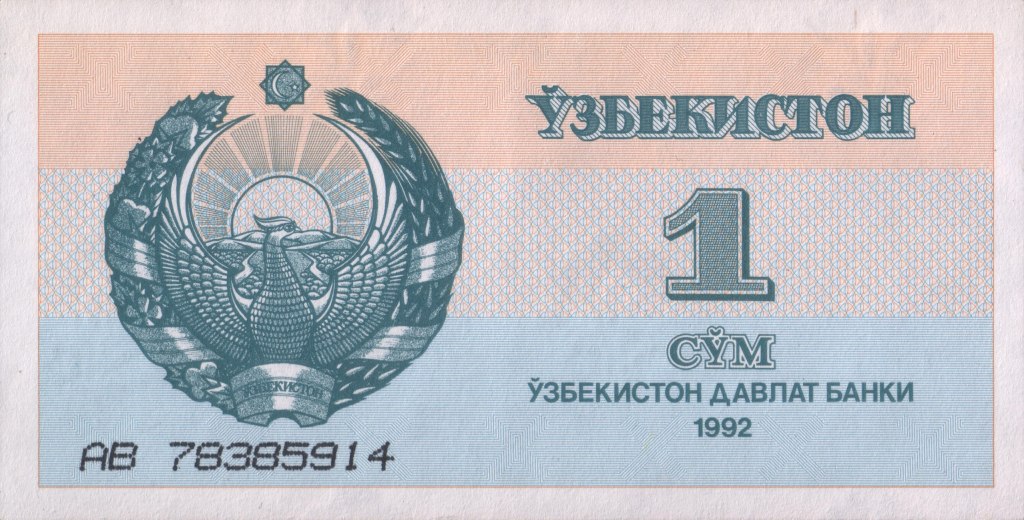
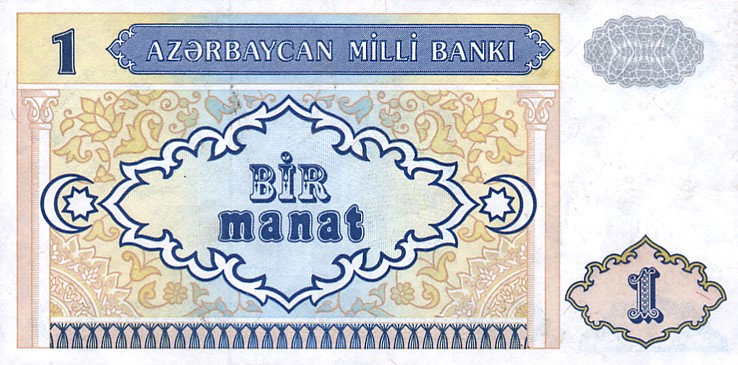
Source: Yuri Leiderman, Facebook, 30 May 2022. Thanks to him for his kind permission to translate and publish his poem, which he says was inspired by this Facebook post, an “explainer” for Russians traveling to Tashkent, the capital of Uzbekistan, to secure non-Russian bank cards (and thus be able to pay for services outside of Russia, whose payments and bank system has mostly been severed from the rest of the world). The author includes recommendations for “cultural fun” along with detailed advice on how to secure the desiderata. Images courtesy of Wikipedia. A commenter (on Mr. Leiderman’s Facebook page) wrote that the explainer “reeked of cannibalism.” Translated by the Russian Reader

Becoming Animal

To become wolf, wild boar,
badger or marten,
dig a hole secretly at dawn,
lie all the way down,
eat ravenously, and praise
the lumps of red loam.
The sun shall rise and say,
Tarry there,
Russian soldier.
Those the butchery has belched out
are not welcome anywhere.
Give a thought to your daughters:
don’t drag a scoundrel of a father
back home.
Become newt, wood snake, hare.

To become whelk, walleye,
seahorse, sturgeon,
sink into the Black Sea
far beyond the buoy.
The sun shall rise and say, Oh!
Well done, soldier, lesson learned.
You were a mediocre monster,
but now it’s the reverse:
you’re a magenta medusa,
a winsome bottlenose dolphin.

To be pelican, oriole,
wood grouse, seagull,
you don’t need to do anything at all:
you can just jump and yell.
You can flock together in a beautiful V,
sing in unison in a shambolic choir,
dwell among oak and snowball trees,
mountains and springs,
fly over what was recently a town,
but is only ashes and blood now.
The sun has risen long ago:
turn into hawks and loons.

There’s no need to return home.
Why would we want a murderer in the house?
Start squirming, crawling,
growling, chirping, branching,
pollinating lime trees and chestnuts,
gobbling mice,
bellowing outside the window in April
so that someone barefoot runs out into April
and gets cross
that they were woken.

Dana Sideros, 4 April 2022

Source: Michael Basin, Facebook, 5 April 2022. Thanks to Leonid Gegen for the link. Originally posted on VK by Dana Sideros on 5 April 2022. Meta deleted a post containing the poem from Sideros’s Facebook page. Various attempts to get them to restore the post have failed, apparently. Translation and photo by the Russian Reader.

Joseph Brodsky’s Playlist

Arzamas recorded a concert in which members of the project Brodsky Ad Libitum played the poet’s favorite pieces and discussed his relationship with music.

“Una furtiva lagrima” (1832)
Nemorino’s aria from Gaetano Donizetti’s opera L’elisir d’amore
Arranged by Alexei Chizhik

“La Cumparsita” (circa 1914)
Tango by Gerardo Matos Rodriguez
Arranged by Alexei Chizhik

“A-Tisket, A-Tasket” (1938)
Jazz standard by Ella Fitzgerald and Al Feldman

“Lili Marlene” (1938)
Norbert Schulze (music), Hans Leip (words)
Arranged by Alexei Chizhik

Minuet in G minor (1725)
Johann Sebastian Bach
Arranged by Alexei Chizhik

Stabat Mater (1736)
First movement (“Stabat mater dolorosa”) of Giovanni Battista Pergolesi’s cantata
Arranged by Alexei Chizhik

“Joy Spring” (1954)
Jazz standard by Clifford Brown and Max Roach

“Remember Me” (1689)
Dido’s aria from Henry Purcell’s opera Dido and Aeneas

Arranged by Alexei Chizhik

Concerto for Flute and Orchestra in E Minor
Saverio Mercadante
“Rondo Russo”
Arranged by Alexei Chizhik

Brodsky Ad Libitum:
Irina Chizhik – project designer
Alexei Chizhik – vibraphone
Stanislav Chigadayev – piano
Vladimir Volkov – double bass
Anton Alexeyevsky – flute

Producer: Yulia Bogatko
Operators Sergei Tishchenko, Sergei Davidyak, Alexandra Kallistova, and Utromedia Studio
Sound engineers: Sergei Yermakov and Yulia Glukhova
Editing: Alexander Kallistov
Motion design: Seryozha Okhta
Editor-in-chief: Victoria Malyutina-Lukashina

Arzamas thanks Anatoly Naiman for his voice and photograph, as well as Anna Narinskaya, Anna Malenkova, Anton Alexeyvsky, and the Room and a Half Joseph Brodsky Museum for their help in filming.

Arzamas is a cultural history education project. You can listen to our courses and podcasts on the Radio Arzamas app.

To keep from missing new material, follow us on social media:
Instagram: https://www.instagram.com/arzamas.academy
Facebook: https://www.facebook.com/arzamas.academy
VK: https://vk.com/arzamas.academy
Twitter: https://twitter.com/arzamas_academy
Telegram: https://t.me/ArzamasLive

Translated by the Russian Reader

“Lishnii cheloveks”

‘The cast is a collection of privileged, mournful lishnii cheloveks (as the “superfluous men” in 19th-century Russian literature were known) in late middle age, squabbling in rural exile, wondering what the world is coming to and regretting the past.’

‘We are all lishnii cheloveks.’
Guardian Weekly, 4 February 2022, p. 57

Pushkin Square, on Pushkinskaya Street in Petersburg’s Central District. Photographer (or artist?) unknown. Thanks to Sveta Voskoboinikova for pointing it out to me. Our house is on the right side at the end of the street, and I miss it and the view from it (which includes the square) very much. I’m prejudiced, but I think our Pushkin is the most fitting monument to Russia’s national poet because he is the most human and humane of the ones I’ve seen. Our Pushkin stands above us, of course, but he’s also our neighbor rather than a (literal) titan towering over us. ||| TRR

“One Person and God Are Already a Majority”: The Petersburg Teacher Fired for Reading Kharms and Vvedensky to High-Schoolers

“She had never read Vvedensky. It was so disgusting that I still feel physically sick.”Teacher Serafima Saprykina recounts how Kharms and Vvedensky were put on trial during an emergency meeting at a Petersburg high school • Venera Galeyeva • Fontanka.ru • February 6, 2022

The class in which tenth graders listened to poems written by “fascist accomplices” and “enemies of the people” was guest-taught by the young teacher-organizer, who had been invited by the social studies teacher. Everything started because the school’s “literary sector was lagging” and they had been having a hard time finding a library director.

Serafima Saprykina, whose Facebook post detailing the unusual approach of the 168th Gymnasium’s principal to the avant-garde OBERIU poets has gone viral, spoke to us about what exactly the director didn’t like about the work of [poets Daniil] Kharms and [Alexander] Vvedensky, why she decided to make the story public only now, and what she hopes will come about as a result.

Serafima Saprykina

Serafima, why did you decide to tell the story of your departure from Gymnasium No. 168 just now?

I watched the latest film from [journalist] Katerina Gordeyeva, about the children of people who were persecuted [under Stalin]: Mama Won’t Come Back: Women of the Gulag. I became terribly ashamed, I even started crying. I realized that I was doing the wrong thing. I had a chance to stand up for the repressed and I didn’t do it. I don’t hold a personal grudge against the person who fired me, otherwise I would have made the situation public right away. I just want evil to be called by name.

So why did you keep mum back in December?

I figured that I would go on working in the school, or maybe in a different one. And if I told the story no school would ever hire me. But after working in various schools for seven years I have seen all kinds of things and I understand that school, the system that schools are part of, is not going to change. When I was in school in Volgograd I was subjected to bullying. I was different, I read a lot and my classmates disliked me. I would never have thought that I would become a teacher myself but at a certain point I found my calling there.

How did you come to teach the OBERIU poets?

I wrote a dissertation about religious imagery in the work of the OBERIU poets for my master’s at the St. Petersburg State University philosophy department. I’ve been into this topic for a long time and wanted to tell the kids about it. But this wasn’t a one-off lecture, it was part of a series of lessons. The first one was about the [classical modernist] Silver Age poets, then the OBERIU poets, then a lesson about the stadium poets [of the late 1950s—Yevgeny Yevtushenko, Bella Akhmadulina, and others—trans.] and [Joseph] Brodsky, with contemporary literature at the end. Unfortunately, I only got to the second lesson. The series had been officially approved and accepted by my immediate supervisor, head teacher Tatyana Nikolayevna Golerbakh.

The lesson on the OBERIU poets came after the students’ regular classes?

No, I taught it in place of their social studies class—the teacher had invited me to take over that hour. This is standard procedure at the school, the librarian must ask the other teachers for permission to run a “library hour” during their classes. But I didn’t talk to the kids about the precise circumstances in which Kharms and Vvedensky died after their arrests in 1941, or about the arrests either. What’s the point in scaring the kids like that, anyway? I told them about the OBERIU group.

OBERIU (the Association of Real Art—Obedinenie realnogo iskusstva) was a group of writers and cultural figures that existed between 1927 and the early 1930s in Leningrad (now Petersburg).

When we got to Vvedensky, I gave the kids his poem “I regret that I’m not a beast” [Mne zhalko, chto ia ne zver’]. And that really sparked the whole situation that followed. All the people who participated in the emergency meeting called by the principal, including the director of the school museum, had been working with me for half a year and had nothing but praise for me. If the principal had said that I needed to quit because she didn’t approve of my work, I would have understood. But she said, “What a filthy title: he regrets, you know, that he’s not a beast.” She had never read Vvedensky. It was so disgusting that I still feel physically sick.

Actor Boris Dragilev reading Alexander Vvedensky’s poem “I regret that I’m not a beast” at the Anna Akhmatova Museum at Fountain House in Petersburg in 2013. Courtesy of Fontanka.ru

Your Facebook post went viral within three hours, it’s all over social networks and the media. What has changed in your life since then?

Absolutely everything in my world has changed. When I was writing the post, I thought that I’d get like five likes and three comments, with two of those claiming I was making it all up. I didn’t think that my post would elicit such a response and that people would start calling me a hero. What kind of hero am I? I haven’t even read all the messages and comments yet. But I am sure that the homeroom teacher for the tenth-grade class where I taught the Kharms/Vvedensky class will confirm that I didn’t tell the kids anything horrible during the lesson.

How long did you work at the 168th?

I was hired there in late August of 2021. The school was looking for a library director, and they saw my resume on a recruiting site and liked it. The principal called me and said that the school was very interested in me. At the interview she explained that their literary curriculum was lagging, and they really needed lessons on extracurricular reading, which I as library director could teach. When I came in to get registered for employment, it turned out that they couldn’t hire me as director without my having librarian experience or education, so they hired me as a teacher-organizer and tacked on 25% of the librarian salary.

Surely that is no grounds for firing someone?

Within this system it’s enough for there to be even a hint that they don’t want you around anymore. And whatever you do after that, however hard you try, you just have to leave. I’ve never had a serious conflict with anyone in my life, that’s just not who I am. This is just the systematic stigmatization of teachers with initiative. It’s happening everywhere.  

What exactly were your duties at the 168th?

What does the school library director do? There are two options. Either she just sits there and doesn’t let anyone into the library, and if a pupil comes and asks for a book, silently hands it over. Or she doesn’t [hand it over], if the book isn’t in the library. Or the director runs classes on extracurricular reading, reading competitions, talks about what’s going on in contemporary literature. For instance, I invited Kira Anatolyevna Groznaya, head editor of [youth journal] Aurora, and she talked to the kids about literary journals and how to publish in them. They really liked it.

And how much were you paid for this work?

Schools pay well, I never had any problems with how I was paid. But I won’t tell you exactly how much. Even if I never have work ever again, it won’t turn me into a person who thinks the wrong way. I really want to do research, to do graduate study. And more than anything I would like to work for Memorial (an organization declared to be an “NGO-foreign agent” by the Russian Justice Ministry and liquidated in December 2021 by order of the Russian Supreme Court—Fontanka.ru), to help keep alive the memory of repressed people. But Memorial is gone. I really love my country and don’t want to emigrate. Everyone is ruled by fear right now. You asked what I experienced in the three hours after publishing my post. It would be better to ask what I experienced during the month and a half since getting fired. And what I experienced was, probably, everything that a person in the 1930s experienced.

Why? No one’s being lined up for the firing squad and there’s no Gulag, right?

It seems like that, yeah. But meanwhile I’m being fired for reading poems by “enemies of the people.” And I’m afraid that no one will hire me again if I speak up. But what does it mean for me to speak up? My voice is the voice of one little person who wants to live her little life. I’m not a hero. I’m a coward who was brave enough to speak up one time. But the worst thing already happened — I got fired, because the principal thinks that Kharms and Vvedensky are “German accomplices” and “enemies of the people.” There is plenty of work out there, I’ll find something. And if I can’t, I’ll just live with my husband. But maybe with my silly little voice I can inspire others to speak up as well. And then we definitely won’t find ourselves back in 1937.  

Are you not afraid that the school will accuse you of making everything up? You don’t have a recording of that meeting, after all.

No, I’m not afraid. I know I’m telling the truth. One person and God are already a majority. Now I’m not afraid of anything. And you shouldn’t be either.

Translated by the Fabulous AM. Photo courtesy of Fontanka.ru via Serafima Saprykina

Loneliness

Masha Ivashintsova, Red Cavalry Street, Leningrad, Winter 1977. Shot with a Zeiss Ikoflex 6×6. Courtesy of Facebook

When your weary mind
loses its balance,
when the steps of this staircase
give way beneath your feet
like a ship’s deck,
when your nocturnal solitude
doesn’t give a hoot about humanity,

you can
reflect on eternity
and doubt the purity
of ideas, theories, modes
of art appreciation
and, interestingly, the conception
by Madonna of her son Jesus.

But it’s better to worship what’s given
with its deep graves.
Later,
many years from now,
they shall seem so dear.

Yes, better worship what’s given
with its short roads.
Later, you’ll find them
strangely
large,
wide,
dusty,
strewn with compromises.
They’ll seem like large wings.
They’ll seem like large birds.

Yes, better worship what’s given
with its wretched standards.
Later, to the nth degree,
they’ll serve as a railing
(though not a particularly clean one),
keeping your hobbling truths
in balance
on this chipped staircase.

1959

Original text. Thanks to Katya Vidre for the suggestion. Translated by the Russian Reader

Remembering Aron Atabek

Aron Atabek: poet, rebel, Kazakh samurai (People & Nature, 6 December 2021)

The dissident poet Aron Atabek has died in Kazakhstan, weeks after being released from 15 years as a political prisoner.

Atabek, 68, died in hospital on 24 November, where he was being treated for Covid-19. Years in prison, beatings by guards, and long stretches of solitary confinement had taken their toll on his health.

Aron Atabek after his release from prison. Photo from bureau-kz

In the weeks prior to his death, Atabek’s family had released photos of the poet, weighing 50 kilos and emaciated – down from a healthy 85 kilos when he was jailed in 2006.

Atabek had been arrested for his part in defending the Shanyrak shanty town, set up by homeless people outside Almaty – a key chapter in the history of resistance to the authoritarian regime of Nursultan Nazarbayev.

Friends of Aron Atabek, members of his family and participants in opposition movements gathered on 28 November at the statue of the poet Abai Kunanbaev in Almaty. They read poems, and demanded that the Shanyrak case be reviewed.

The human rights campaign group Oyan, Qazaqstan issued a statement, saying:

We believe that the responsibility for the death of the poet Aron Atabek lies entirely with the [Kazakh] authorities. They passed an illegal sentence on Aron when they imprisoned him. The deterioration of Abatek’s health, and his death, is on their conscience. Aron Atabek stayed true to his principles to the end of his life. He did not agree to an amnesty, he did not once beg for forgiveness from Nazarbayev, and he never became disillusioned with what he himself did. For us he remains the same, unbending, a Kazakh samurai.

Atabek had been politically active in democratic and nationalist circles since late Soviet times (the 1980s). In the 2000s, the price of oil, Kazakhstan’s main export, rose, the elite accumulated vast wealth, the gap between rich and poor yawned still wider – and Atabek paid the price for defending the dispossessed.

The Shanyrak shanty-town was a sanctuary for those who suffered most in the oil boom, and the construction frenzy that it financed, when developers grabbed land with scant regard for the law. It is estimated that, when it was destroyed by a violent, illegal police operation, it comprised more than 2000 dwellings with up to 10,000 residents.

The notorious police clearance of Shanyrak took place shortly after the promulgation on 5 July 2006 of the law “On Amnesty and Legalisation of Property”.

The city authorities, citing shanty-town dwellers’ failure to register their properties correctly, ordered them to leave. Atabek and other oppositionists argued that the real reason was that the authorities wanted to make more land available to developers.

Atabek lobbied parliamentarians, wrote articles, organised petitions and reminded the shanty-town dwellers of constitutional rights that protected them. But pleas by Atabek and other activists went unheeded.

Remembering Aron Atabek in Almaty, 28 November. Photo from the-village-kz

The police tried to clear the shanty-town forcibly, and a violent clash ensued in which a police officer died. A round-up of activists followed.

Atabek was tried and convicted in October 2007 of “orchestrating mass disorder” – despite there being no evidence that he was nearby when the clashes occurred. Atabek was offered a pardon in exchange for admitting guilt, but he vehemently refused.

Atabek continued to write in prison, detailing illegal and inhumane prison conditions on his website. An international campaign in his defence was supported by PEN Internationalthe International Times, and others.

In 2011, a six-month strike by Kazakh oil workers was brought to an end by a police massacre at Zhanaozen that left at least 16 dead and 64 wounded. Campaigners linked Atabek’s case to the wider clampdown on labour and opposition groups that followed.

In an obituary of Atabek in The Diplomat, Paolo Sorbello wrote:

At his core, Atabek was a nationalist. He was on the square in December 1986 when students and activists in Almaty protested the appointment of Gennady Kolbin, an ethnic Russian, to head the Kazakh Soviet Socialist Republic. The police repression of the riots turned the events into a dark page in the country’s history. During “Jeltoqsan” (December in Kazakh), the authorities ordered a violent repression of the demonstrations, which resulted in several dead. The Soviet establishment never allowed for a transparent investigation and trial over the violence.

Aron Atabek at his trial in 2007

On the eve of independence in 1991, Atabek was instrumental in the creation of the Alash National Independence Party. In the 1990s, fearing repercussions for his political positions, he continued his activism from Russia and Azerbaijan. He returned to Kazakhstan in the early 2000s and founded the public association “Kazakh Ulty” (Kazakh Nation), through which he criticised Nazarbayev, at a period of heightened political struggle.

In the mid-2000s Kazakhstan’s most important oil contracts were finally drawing financial windfalls, while Nazarbayev was consolidating his power in the face of growing opposition movements. Furthermore, the economy’s reliance on the US dollar and the housing boom in Almaty were a foreboding tale of the long-lasting effects of the global financial crisis of 2007. The Shanyrak events were essentially an explosive cocktail, the product of the unstable situation in the country.

The repression of opposition movements, the arrest of Atabek, and later on the violent reaction to the strikes in the oil town of Zhanaozen were stepping stones in the consolidation of Nazarbayev’s grip on power and the insurance policy on a season of political stability.

Remembering Aron Atabek in Almaty, 28 November. Photo from the-village-kz

Follow People & Nature on twitter … instagram … telegram … or whatsapp. Or email peoplenature[at]protonmail.com, and I’ll send you updates.

Originally posted on People & Nature on 6 December 2021. Thanks to its editor, Simon Pirani, for encouraging me to repost his obituary here. ||| TRR