If all crustaceans “want” to look like crabs, then tenrecs “want” to look like basically any other small mammal. These weird little guys are endemic to Madagascar—they’re native to nowhere else on Earth.
Source: Bizarre Beasts (YouTube), 7 April 2023. Thanks to Comrade Koganzon for the link and the BBC Radio 4 programme “Nature Table” for the inspiration.
Prominent Russian liberal in exile Gennady Gudkov wrings his hands over what the “coloreds” are doing to his Russian liberal fantasy “Europe”: “Europe’s new cultural (or multicultural?) code (if that really is Finland).” ||| TRR
Source: Gennady Gudkov (X), 6 July 2024
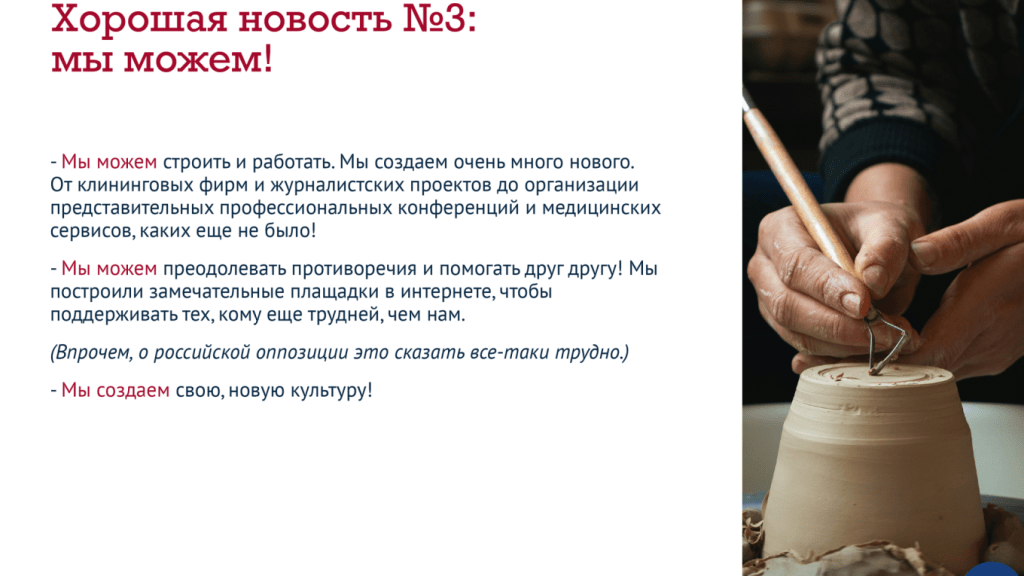
Good News No. 3: We Can Do It!
- We can build and work. We have been creating many new things — from cleaning firms [kliningovykh firm] and journalism projects to organizing impressive professional conferences and medical services the likes of which have never been seen!
- We can overcome animosities and help one another! We have built outstanding platforms on the internet to help those who have it worse than we do. (However, it is still difficult to say this about the Russian opposition.)
- We are creating our new culture!
Source: “A Time Without a Place, or How to Survive New Circumstances,” Moscow Times Russian Service, 5 July 2024. Translated by the Russian Reader
Sciences Po and its Provost Sergei Guriev, a world-renowned Russian academic and economist who had to flee his country in a day in 2013, were honoured to welcome @Ekaterina_Schulmann for a very exclusive conference on 20 April, 2023. This political scientist and social media sensation guest speaker addressed the serious matters of the Russian regime stability and the dynamics of public opinion.
Source: Sciences Po (YouTube), 8 May 2023. My question, had I been in the auditorium for this fascinating lecture, would have been to the audience: how many of you are neither Russian nationals nor speak Russian? I suspect that the numbers of such non-Russian nationals and non-Russian speakers were quite low. And why was this lecture delivered in English, not French? ||| TRR
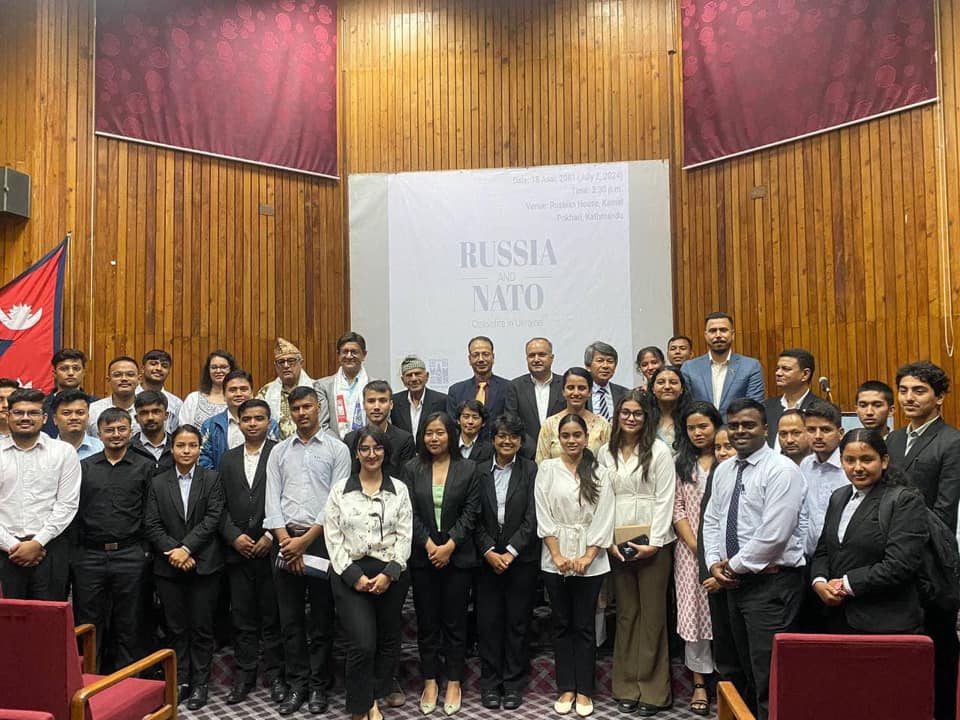
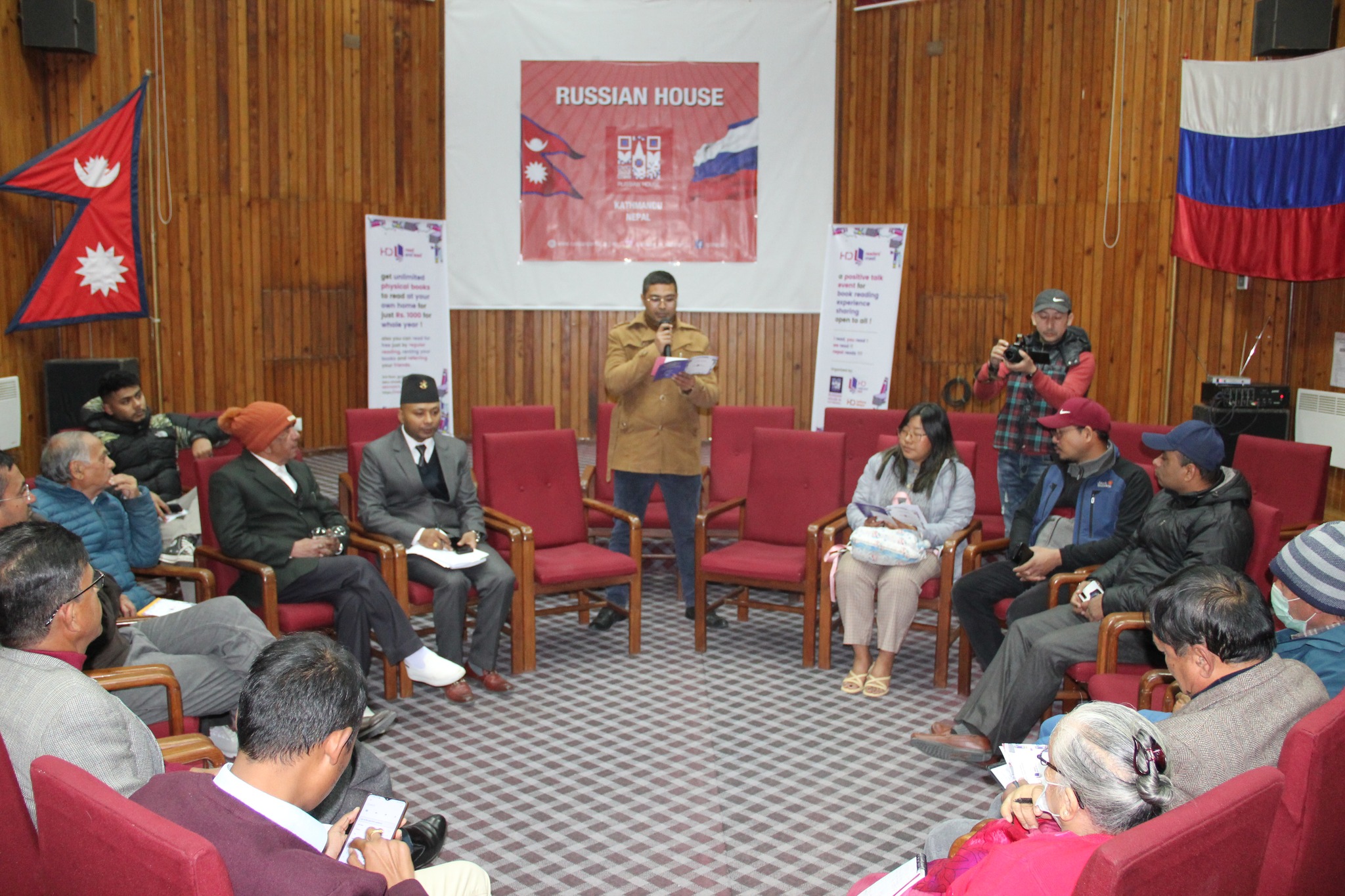
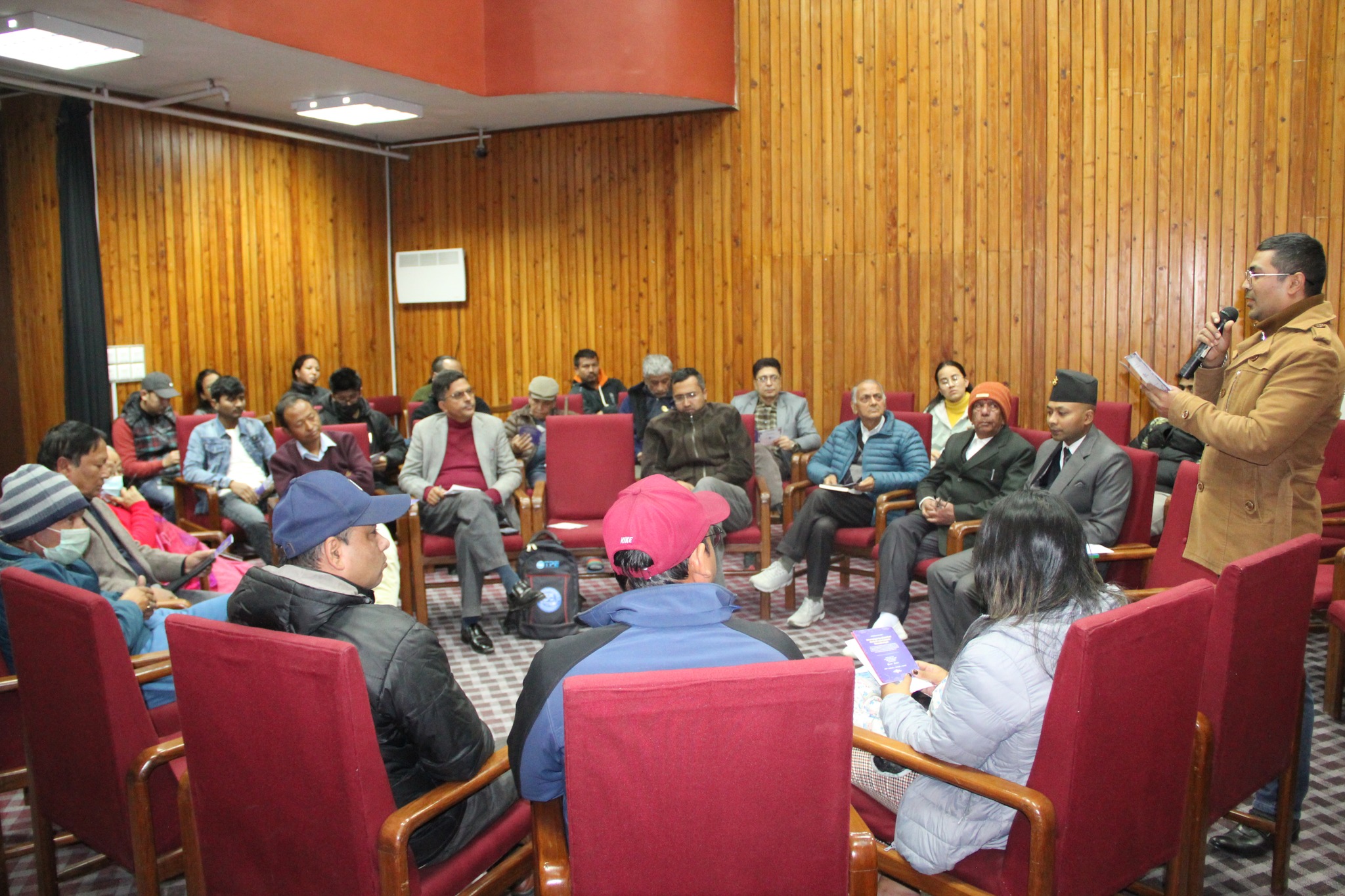
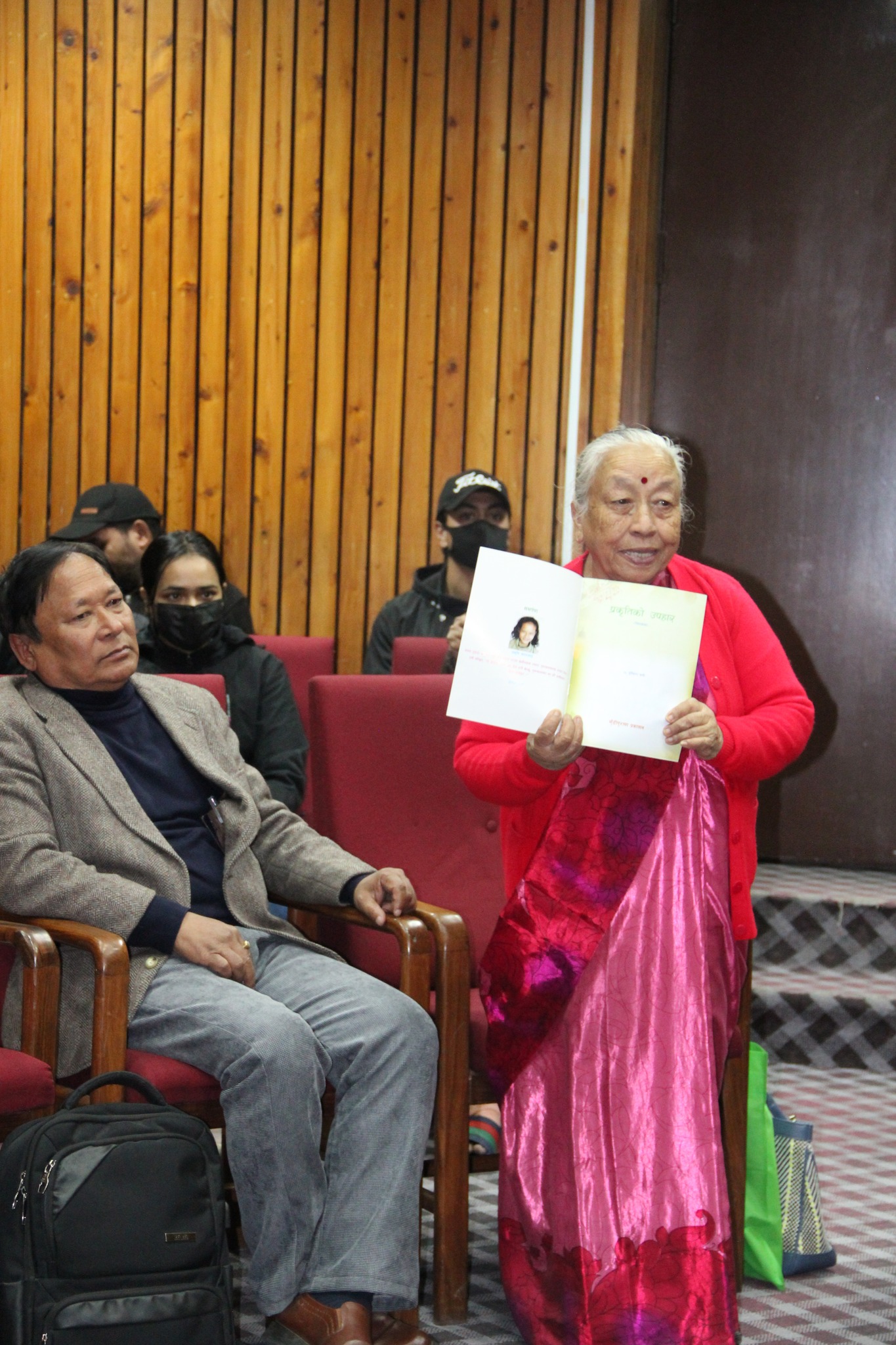
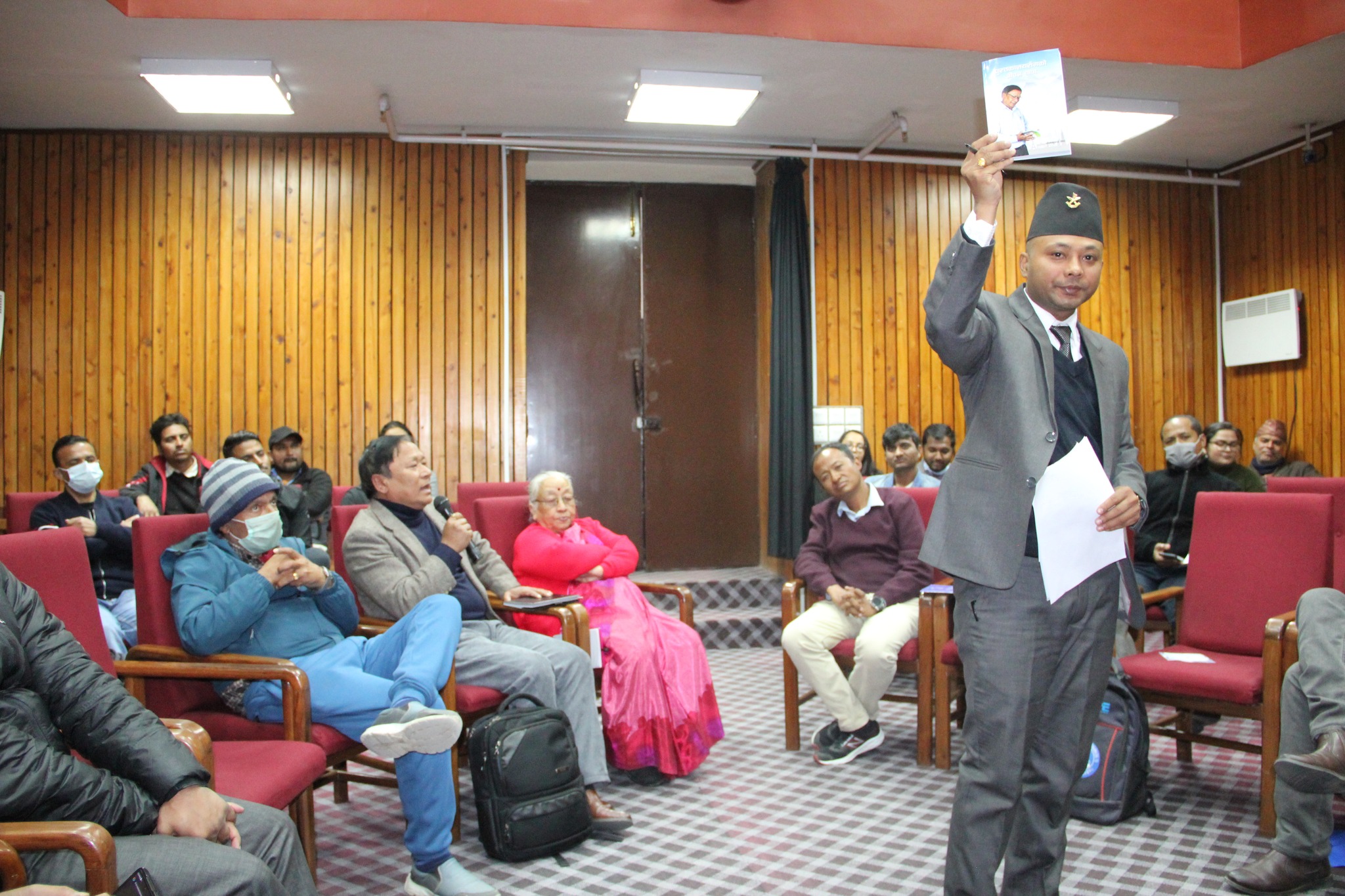
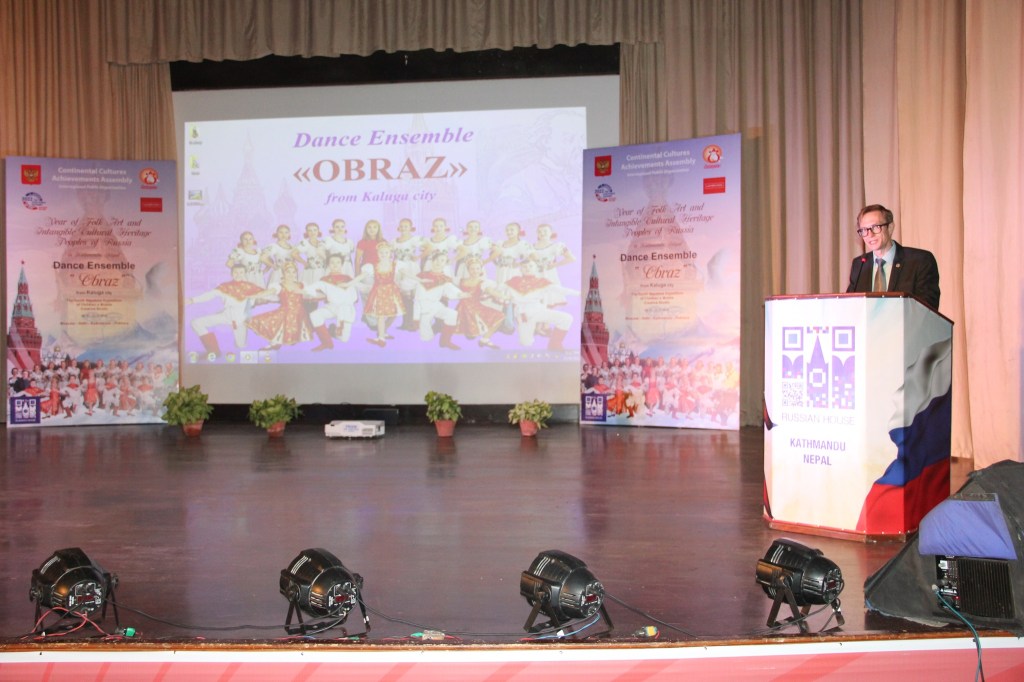
On 2 July 2024, International Law Club successfully organized an academic discourse entitled “Russia and NATO: Ceasefire in Ukraine.”
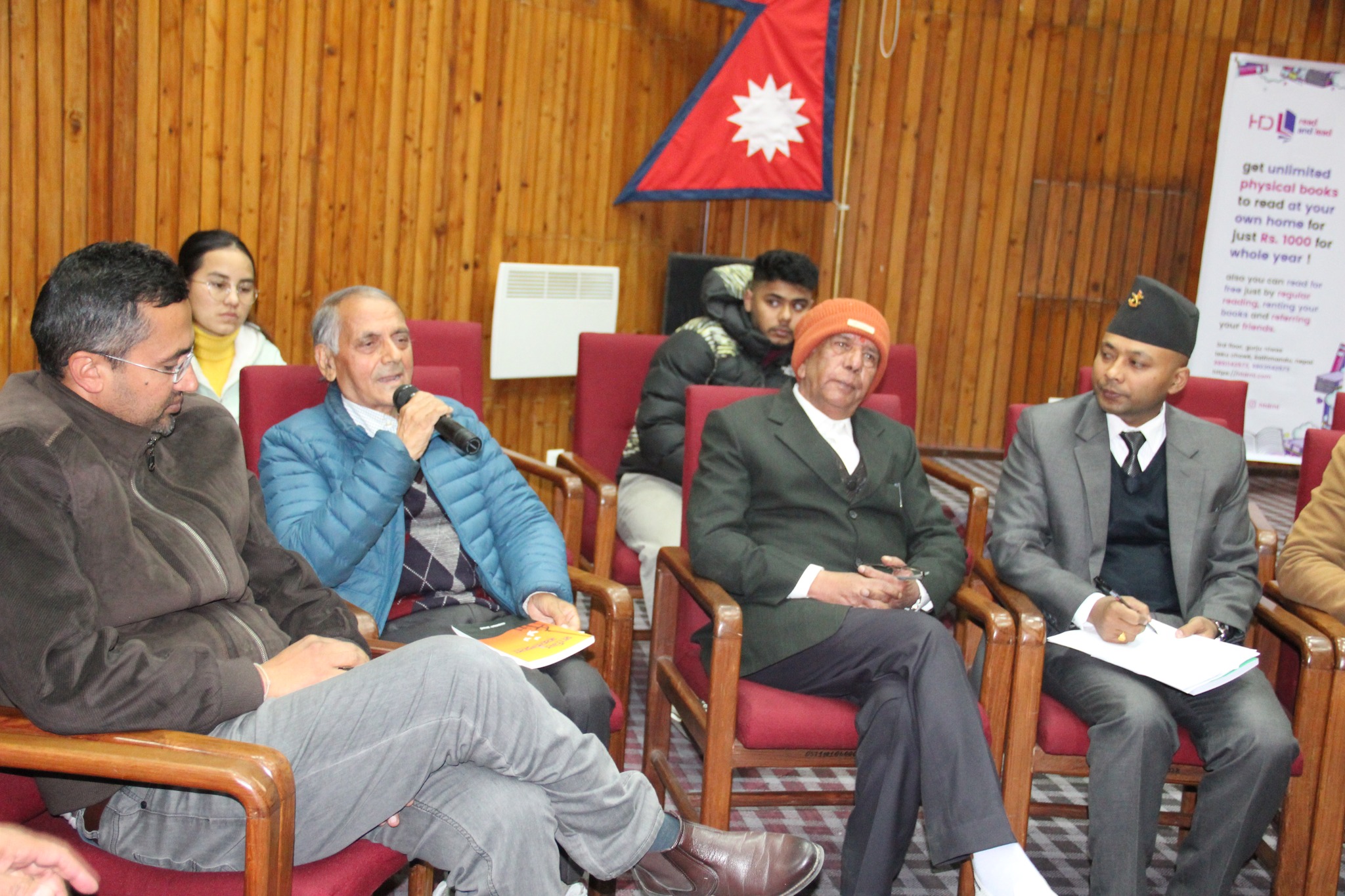
The speakers for the program included Dr. Yubaraj Sangroula (Professor of International Law), Dipak Gyawali (Former Minister of Ministry of Water Resources, Nepal), Dr. Govind Kusum (Former Secretary of Ministry of Home Affairs), Prem Chandra Rai (From Himalayan Development Affairs Council, Nepal), Yugichha Sangroula (Masters in International Humanitarian Law from Geneva), Dmitry Stefanovich (From IMEMO RAS, Moscow)
The welcoming remarks for the discourse were delivered by Anton Maslov, First Secretary and Director of the Russian House. The distinguished Chief Guest of the program was Seniormost Advocate Krishna Prasad Bhandari.
Dr. Dipak Gyawali provided valuable insights into the historical context of the Russia-Ukraine conflict, emphasizing its longstanding nature within the framework of NATO-Russia dynamics.
Professor Dr. Yubaraj Sangraoula shed light on the hegemonic influences and Western interference in global affairs, highlighting the concept of a rule-based international order that has been divisive.
Assoc. Prof. Yuggichhya Sangroula emphasized the importance of interpreting international law in a balanced manner, noting the significant contributions of Asian nations to its development alongside European nations.
Assoc. Prof. Prem Chandra Rai advocated for adherence to the UN Charter as the foundation of international law, stressing the need for inclusive peace initiatives that engage all relevant parties, including Russia.
Dr. Govind P. Kusum underscored the disproportionate impact of global conflicts on developing nations and emphasized the urgent global need for peace and security.
Mr. Dmitry Stefanovich discussed the inadequacy of mere ceasefires and called for sustainable solutions and increased global cooperation, particularly from the Global South, to address ongoing conflicts.
The subsequent question and answer session facilitated critical discussions on ceasefire strategies and institutional reform. Speakers analyzed geopolitical dynamics, and Western dominance, and proposed measures for achieving global peace and security, with a focus on strategies applicable to third-world nations.
Overall, the seminar provided a platform for robust dialogue and strategic insights into resolving international conflicts and fostering a more peaceful world order.
We sincerely express our gratitude towards the speakers, guests, and participants for their involvement.
The Club would like to thank the Russian House, especially the Director of Russian House, Mr. Anton Maslov for supporting us in organizing this academic discourse and acknowledge the presence of Ms. Alena Danilova, Press Secretary from the Russian Embassy at this program of ours.
Source: Russian House in Kathmandu (Facebook), 4 July 2024. See “How to Escape from the Russian Army” (New York Times, 27 June 2024) for a slightly less sanguine perspective on Russian-Nepalese relations.