Yulya Tsimafeyeva
Facebook
September 18, 2021
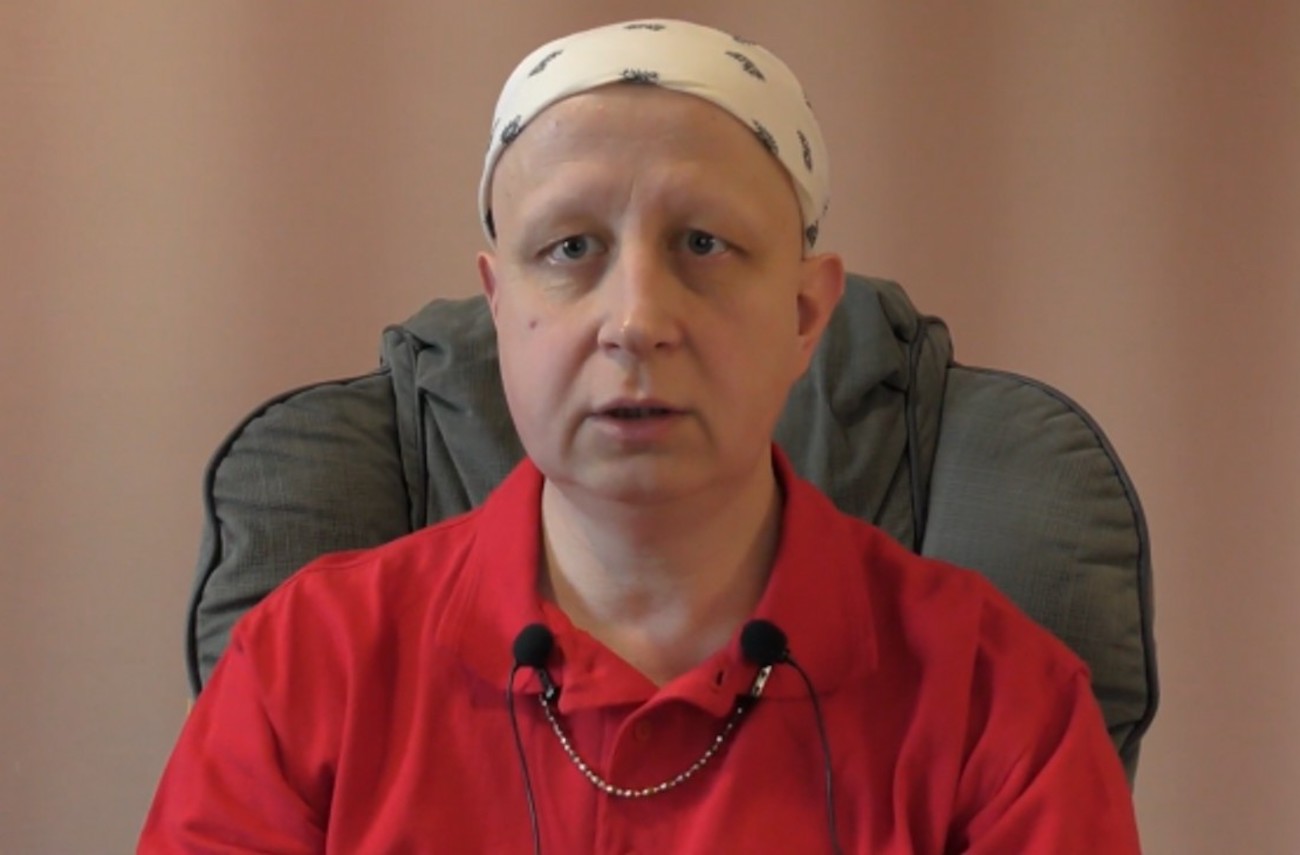
Belarusian actress and journalist Kacia Karpickaja spent a month in the detention center in Akrescina street. She has been recently released. Here is her story of how innocent women (about the “crimes” of her cellmates you can read in the end of the posting) are tortured just in these very minutes. I translated her story into English. If you want to share it, please, copy the English text as you could share only the Belarusian variant.
“I am breaking a month of my forced silence that I have spent at Akrescina (pre-trial detention center) with this funny photo. For the sake of additional security, this fact was not reported anywhere.
Why I was taken to the pre-trial detention center is a story for another Facebook post, and in this, I would just like to remind you that along with our political prisoners, people at Akrescina are still being tortured. 30 days there in today’s conditions was enough for me to come out with a bunch of new diseases — from pharyngotracheitis to cystitis and COVID (by the way, it was the vaccination that helped me to overcome the latter quite easily compared to my cellmates). And people spend there up to 60 days or more, depending on how many detention reports the officials would make up for them.
They are in insanitary conditions — they are never taken to the shower and are not even given toothbrushes. Sometimes you have to beg for centimeters of toilet paper.
They are not taken for walks for months (the air could only penetrate to our cell №15 from the corridor through the “feeding trough”, but all the time it was intentionally closed).
They stay there without mattresses (mouldy bread served us as a pillow, it would still be possible to sleep on the bare floor or a bunk bed, but the nights had been wildly cold for a long time – even hugging each other and holding a bottle of hot water between the legs we could not stop trembling. Our nights were full of exercises – squats, push-ups, planking – they helped us to warm up and fall asleep).
They have no dreams (at 2 and 4 am we were waken up to the roll call; there is no need to remind about a bright artificial lighting that is on day and night).
They are not given parcels from relatives (many women were taken from work or their dachas in skirts, dresses, and at night they had to lay on the cold floor until one of those who were to be released soon, took off her sweatshirts or pants or socks and passed to them. The toothbrush I inherited had been used by five people before me <…>).
They are half hungry (I had to pay more than 400 rubles (about 150 euros) for a month of detention, and for the money I had received an empty soup a liquid with a couple of potatoes and potato peels, mouldy bread and half a cup of tea or thin jelly two times a day. How these portions can refresh our men, I can’t imagine).
They are there without adequate medical care (in the cell №15 meant for two at most 20 women were kept – in the cold and stuffy air they all quickly began to get sick. All of them were attacked by coronavirus, which, like other diseases, was treated with paracetamol. Without any ability to move around the cell 3 by 4 meters in area, with poor nutrition all abruptly stopped going to the toilet. Sorry for these details, but in 30 days I was able to poo only three times).
They are kept there like guinea pigs. It even feels creepy to tell you how grown-up women and men, the detention center employees, are thrilled to watch in the peepholes and cameras how we cope with a new experiment invented by them. First, they put lice-ridden Alla Ilinishna and Marinka to our cell and waited that we should start being hysterical. But we found common ground with them, and a few days later, it were the guards who were “hysterical” and had to take so-called marginals from our cell to “roast”, because the situation was close to the epidemic of pediculosis. The staff was very worried about the state of their uniforms — they had to to toss our cell two times a day and fan us out, and it was so easy to catch at least a few insects.
Then another Marina was housed with us — she had intestinal disorders, she was all in shit, and in ulcers that flowed with blood, in the fungus. And she had a severe withdrawal syndrome. The detention-center staff were watching and expecting us to fail. But we just started washing Marinka over the hole in the floor and begged the nurse to give us antiseptic green dye to treat her wounds. We were forbidden to sit and sleep, we were insulted, but we didn’t stop joking and our laughter was heard from the cameras – all this was very annoying to the detention center staff.
I have some more things to remind, but I will describe all the tortures and crimes against Belarusians in detail in complaints to the authorities (although they will later say that these facts have not been confirmed, Azaronka (a notorious propagandist on the state TV) liked Akrescina). But for now, let me just briefly remind you what for so called delinquents in Belarus are tortured:
– For going out in a red dress with a white cape.
– For coming to support Maria Kalesnikava’s dad in the court (they wrote in the report “I wanted to release Maria Kalesnikava”).
– For bringing a flower to the place of Taraikouski’s murder.
– For messaging a news article from “extremist” telegram channels to her husband.
– For filming a demonstration in Lošitsa (district of Minsk).
– For telling a soldier “We will win”.
– For reading books by Belarusian writers on the train.
– For being not wanted by the new authorities of the Academy of Public Administration under the Aegis of the President of the Republic of Belarus.
– For chatting with Lebiadziny (district of Minsk) neighbors.
– For returning from France, where she married a Frenchman.
– For working in “Korpus” (an independent cultural venue), and when GUBAZIK came there, she “disobeyed” them (in fact, of course not).
– For being an IT-specialist who can know cyberpartisans.”
Kacia Karpickaja
Facebook
September 18, 2021
Гэтым вясёлым фота перарываю свой вымушаны месяц маўчання, які правяла на Акрэсціна. У мэтах дадатковай бяспекі факт гэты спецыяльна асабліва нідзе не афішаваўся.
Як я трапіла ў ЦІП – гісторыя на асобны пост, а ў гэтым я проста хацела б нагадаць, што разам з палітзняволенымі па крыміналцы нашых працягваюць катаваць на Акрэсціна. 30 сутак там у сённяшніх умовах мне хапіла, каб выйсці з букетам новых хвароб – ад фарынгатрахеіту да цыстыту і кароны (дарэчы, менавіта прышчэпка дапамагла перанесці апошняе досыць лёгка ў параўнанні з маімі сукамерніцамі). А людзі сядзяць там па 60 сутак і больш, у залежнасці ад таго, колькі пратаколаў ім захочуць накінуць.
Сядзяць у антысанітарыі – іх ніколі не водзяць у душ і не выдаюць нават шчотак з асаблівых рэчаў. Туалетную паперу часам прыходзілася выбіваць па сантыметры.
Сядзяць месяцамі без шпацыроў (паветра ў камеру №15 магло паступаць да нас толькі з калідора праз “кармушку”, але яе спецыяльна ўвесь час зачынялі).
Сядзяць без матрацаў (падушкай нам служыў спляснелы хлеб, а на голай падлозе ці шконцы спаць было б яшчэ магчыма, але ночы даўно дзіка халодныя – нават абдымаючы адна адну і заціскаючы паміж ног бутэльку з гарачай вадой мы не маглі супакоіць дрыжыкі. Ночы ператвараліся ў цыкл фізічных практыкаванняў – прысядаць, паадціскацца, пастаяць у планцы – неяк пагрэцца і заснуць).
Сядзяць без сноў (у два і чатыры ночы нас падымалі на пераклічкі; пра тое, што там суткамі гарыць яркае штучнае асвятленне, і нагадваць не трэба).
Сядзяць без перадач (многіх жанчын забіралі з працы ці лецішч у спадніцах, сукенках, і яны так і ляжалі начамі на халоднай падлозе, пакуль нехта з тых, хто выходзіў на волю, не здымаў з сябе байку ці трусы-шкарпэткі. Шчоткай, якая ў спадчыну дасталася мне, карысталася яшчэ чалавек пяць да гэтага, здаецца. А ў майцы хадзіла сама маці “Хлопотного дельца”).
Сядзяць на палову галодныя (за месяц харчавання я мусіла заплаціць больш 400 рублёў (каля 150 еўра), і за гэтыя грошы на абед атрымлівала пусты суп – вадкасць з парай бульбін і лупінай ад яе, спляснелы хлеб і два кубкі гарбаты ці кісель, якія запаўнялі толькі палову кубка. Як мясцовых порцый хапае нашым хлопцам, я не ўяўляю).
Сядзяць без адэкватнай медыцынскай дапамогі (у пікавы момант у двухмеснай камеры №15 утрымлівалася 20 жанчын – у холадзе і духаце ўсе хутка пачыналі хварэць. Усіх атакоўваў каранавірус, які, як і іншыя хваробы, лечыцца там з большага парацатамолам. Без магчымасці рухацца ў хаце 3 на 4 метры, з дрэнным харчаваннем усе рэзка пераставалі хадзіць у туалет. Ужо прабачце за падрабязнасці, але за 30 сутак я змагла зрабіць гэта толькі тры разы).
Сядзяць як паддоследныя. Мне нават неяк не па сабе расказваць, як дарослыя цёткі і дзядзькі з ЦІП кайфуюць, назіраючы ў вочкі і камеры за тым, як мы будзем змагацца з новым прыдуманым выпрабаваннем. Спачатку да вас падсяляюць Аллу Ільінішну і Марынку з вошамі, чакаючы, што ў вас пачнецца істэрыка. Але мы знаходзім з імі агульную мову, і праз некалькі дзён “істэрыка” здараецца ў дзяжурных, якія ўсё ж вядуць так званых маргіналаў з нашых камер на “пражарку”, бо сітуацыя блізкая да эпідэміі педыкулёзу. Супрацоўнікі вельмі перажываюць за стан сваёй формы – яны вымушаныя два разы на суткі праводзіць шмон у нашых камерах і прашчупваць нас, а так лёгка падчапіць як мінімум адзежных насякомых.
Пасля да вас падсяляюць новую Марыну – у яе расстройства кішэчніка, яна ўся ў гаўне, а яшчэ ў язвах, якія сцякаюць крывёю, у грыбку. А яшчэ ў яе жорсткі абстынентны сіндром. Супрацоўнікі ЦІП назіраюць і чакаюць, што мы сарвемся.
Але мы проста бяром і пачынам мыць Марынку над дзіркай у падлозе і выбіваем у медсупрацоўніка зялёнку, каб апрацаваць яе раны. Нам забраняюць сядзець і спаць, абражаюць, але мы працягваем жартаваць і з камер чуецца смех – усё гэта вельмі раздражняе супрацоўнікаў ЦІП.
Мне ёсць яшчэ што згадаць, але больш падрабязна я апішу ўсе катаванні і прамыя злачынствы ў дачыненні да беларусаў у скаргах у дзяржустановы (хоць яны пасля і скажуць, што дадзеныя факты не пацвердзіліся, Азаронку ж у нас падабалася). Але пакуль проста коратка нагадаю, за што ў Беларусі так здекуюцца з людзей у статусе правапарушальнікаў:
-Была на вуліцы ў чырвонай сукенцы з белай накідкай.
-Прыйшла падтрымаць тату Марыі Калеснікавай на суд (у пратаколе напісалі “хацела вызваліць Марыю Калеснікаву”).
-Прынесла кветку да месца забойства Тарайкоўскага.
-Пераслала мужу ў асабістыя навіны з “экстрэмісцкіх” тэлеграм-каналаў.
-Зняла на відэа дваравы марш у Лошыцы.
-Сказала вайскоўцу “Наша возьме”.
-Чытала ў электрычцы кніжкі беларускіх пісьменнікаў.
-Была непажаданай новаму кіраўніцтву Акадэміі кіравання.
-Перапісвалася ў чаце Лебядзінага з суседзямі.
-Вярнулася з Францыі, дзе выйшла замуж за француза.
-Працавала ў “Корпусе”, а калі туды прыехаў ГУБАЗІК, “аказала” ім непадпарадкаванне (насамрэч, вядома, не).
-Айцішніца, якая можа ведаць кіберпартызанаў.
…