Cotton in Volgograd: An Immigrant’s Story

The White Gold Immigrant
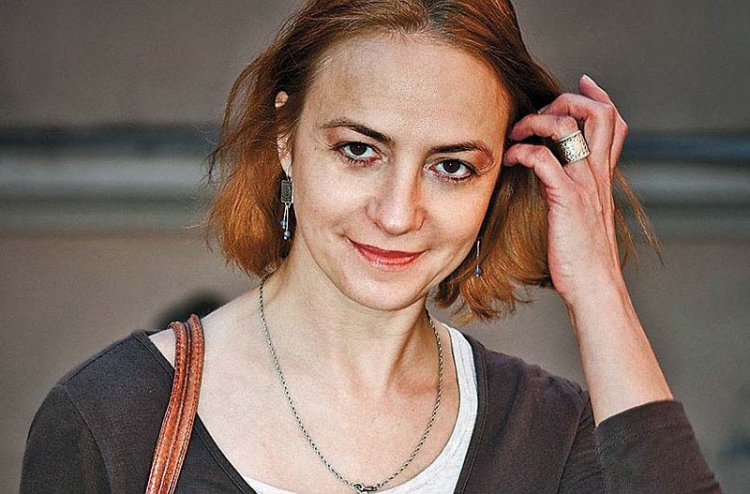
Alexandra Dontsova
Takie Dela
December 5, 2017

Oybek Kimsanbayev’s life is like a Hollywood film: a brilliant scientific career, crushing failure, departure from his native country, work on a construction site, and his first experiments with cotton in Russia.

A heated discussion was underway at Volgograd State Agricultural University. Local and university officials were telling a visiting deputy agriculture minister about the local curiosity: cotton. Imagine, they told the deputy minister, it grows here, and the quality is even excellent. They dreamed aloud how it would be grown on an industrial scale. All that was needed was state support and processing complexes.

While the officials were singing cotton’s praises to the deputy minister from Moscow, a man with a haggard face stood in the doorway of the conference hall. He nervously bit his lips, alternating his gaze between the floor and the audience. Oybek Kimsanbayev heads a group of scientists who have developed varieties of cotton capable of growing in the Volgograd Region’s climate. The region is recognized as the northernmost point in the world where it is possible to grow cotton. Although he was the most important person in the room, Kimsanbayev was not on the list of speakers.
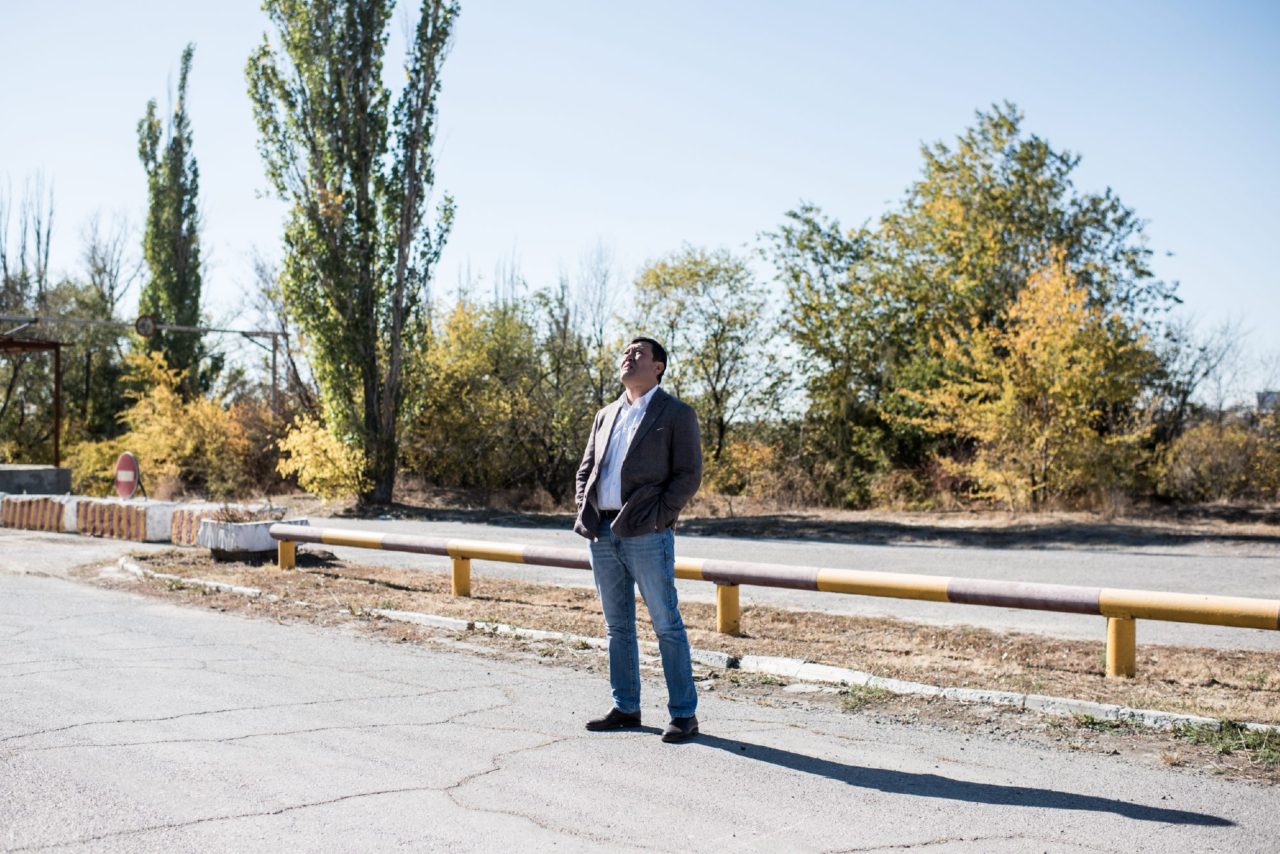
Oybek Kimsanbayev waiting to be interviewed. Photo by Alina Desyatnichenko for Takie Dela

Everyone except the man who had made the conversation possible talked about cotton and the prospects of its cultivation in Russia. (Given a skillful approach, Russian cotton might challenge the US and China’s hold on the market.) However, at some point, the university’s rector realized the discussion lacked something and gestured for Kimsanbayev to come and sit down at the round table at a place that had happily been  vacated.

Construction and Cotton

Kimsanbayev tells journalists nearly the same story when asked why he started researching cotton in Russia, adding that he is very grateful. Were it not for reporters, few people would know of his work, and he scarcely would have been able to get the ear of the authorities.

“In 2006, a cooperation agreement was concluded between Taskhent State Agricultural University and Volgograd State Agricultural University. Researchers launched projects on alternative crop production, meaning cultivatings crops that have not usually been grown in a particular area. One lab worked on reviving cotton growing in Russia. The outcome was a project for generating ultra-early ripening, high-quality varieties with a high fiber yield,” Kimsanbayev says at one go.

“And the non-official story? Why did you start researching cotton in Volgograd?”

We are sitting in small cafe in the Hotel Volgograd. It is pouring rain outside. Opposite our table is a group of foreigners. Judging the by patches on their blazers, they are FIFA officials, who have arrived in the city to monitor construction of the city’sstadium for the 2018 World Cup.

Kimsanbayev is forty-three years old. Aside from Tashkent Agricultural University, he has a degree from the University of Seoul, taught at Columbia University, ran a lab, worked for the president of Uzbekistan in the early noughties, and at the age of thirty-five became the youngest doctor of agricultural sciences in his country. He has published hundreds of scientific papers, and he has developed and co-developed some two dozen varieties of cotton. Until 2012, he led an international project for creating ultra-early ripening cotton varieties.
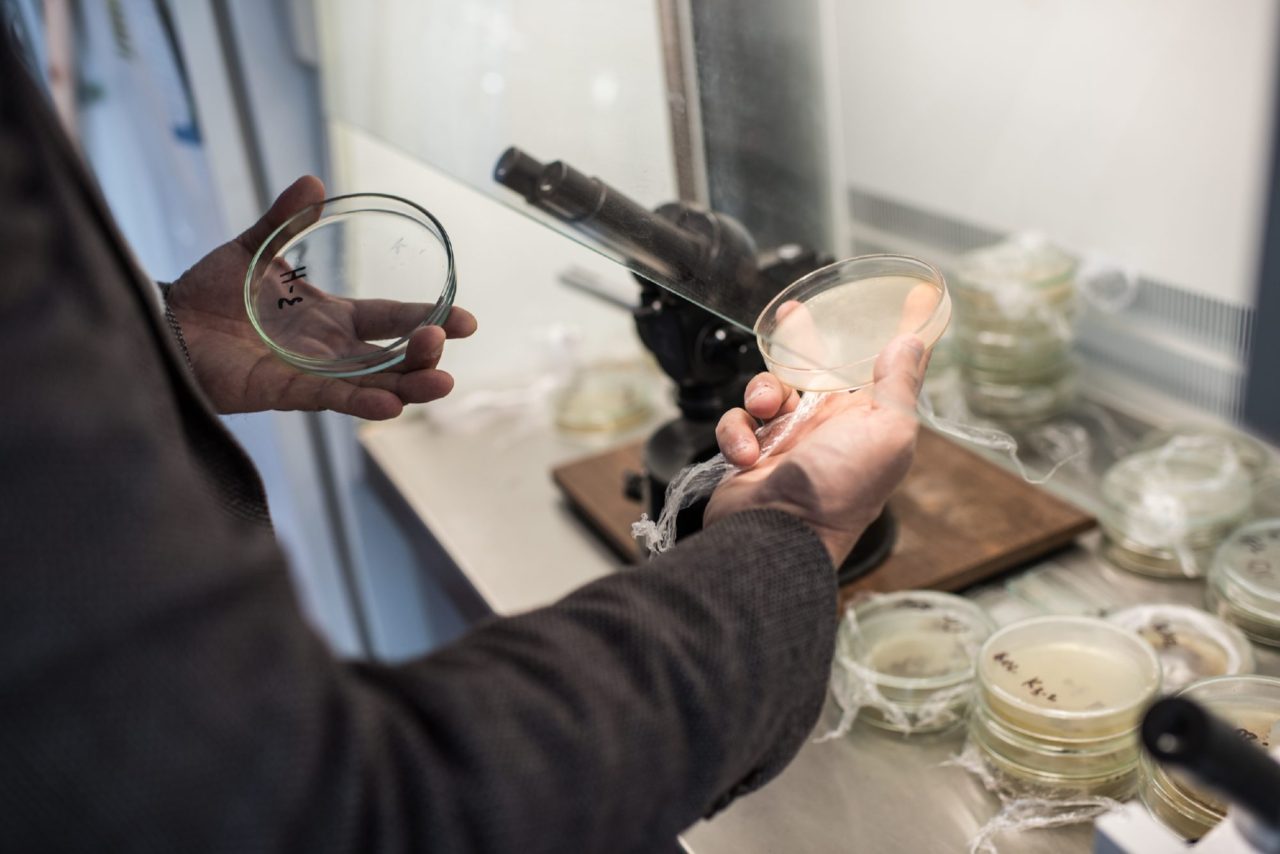
Kimsanbayev shows the work his lab does. Photo by Alina Desyatnichenko for Takie Dela

It was at this high point that Kimsanbayev’s life, chockablock with prospects and ambitious plans, fell apart overnight. Due to a mistake he discusses reluctantly, he was forced to leave Uzbekistan.

“Yeah, I have a big mouth. I was working with a Russian university. We had established a distance-learning platform for Uzbek children. But not everyone liked what we were doing. So it happened I lost my job and could not find another one.”

Professor Kimsanbayev was forced to go to Russia to work as an ordinary migrant worker. An acquaintance in Volgograd hired him to work for his company, to “make some moves,” as Kimsanbayev puts it.

“The helter-skelter was not my thing, and I went and got a job at a construction site. I was an ordinary unskilled laborer, along with other men from my country. I don’t see anything shameful about working with my hands. If I have to, I’ll wash floors. Or work on building the stadium.”

Chance brought Kimsanbayev together with good people who took him to Volgograd State Agricultural University. After a long interview with the rector and after he supplied the university with his academic credentials, Kimsanbayev was appointed a lecturer in the agricultural technology department. Realizing the worth of their new faculty member, the university rented a flat for him. He was given the chance to do what he does best: experiment with cotton.

Not Just Cotton Wool

The first year, Kimsanbayev planted only 25 acres. The professor did everything himself in a field the size of four typical dacha plots. He sowed it, plowed it, watered it, and did battle with weeds and pests. Many people doubted the seeds would sprout.

“I brought an international collection of cotton seeds to Volgograd: 97 varieties from all the cotton-producing countries, from Latin America, the US, China, India, and so on. I selected 25 varieties, which sprouted in the local climate. I narrowed these down to three varieties. That is how we arrived at an ultra-early ripening cotton in Volgograd, a variety that matures between April and September.”

The following year, the experimental cotton field had grown to eight hectares. To help him with the work, Kimsanbayev hired Uzbek agronomists and encouraged the university’s students to join them. The outcome: not only did the cotton seeds sprout, but the field turned into a white carpet in due time.

“As they say, I woke up famous one day. Reporters and local officials came to see me in the field. Now everyone believed Volgograd cotton was a reality. However, we are faced with other problems. We have to convince farmers it is worth growing cotton, that the crop is economically profitable: the price of one kilo of raw cotton is equal to the price of thirty kilos of wheat. In addition, we need specialist agronomists. So, basically, I promote cotton and, of course, train students. I don’t work alone. Several scientists, including Igor Podkovyrov and Taisiya Konotopskaya, have been working on cultivating new varieties with me and training specialists.”

Kimsanbayev now heads the university’s Center for Applied Genetics, Selective Breeding, and Cotton Seed Production. In total, 109 hectares were planted with cotton this year.
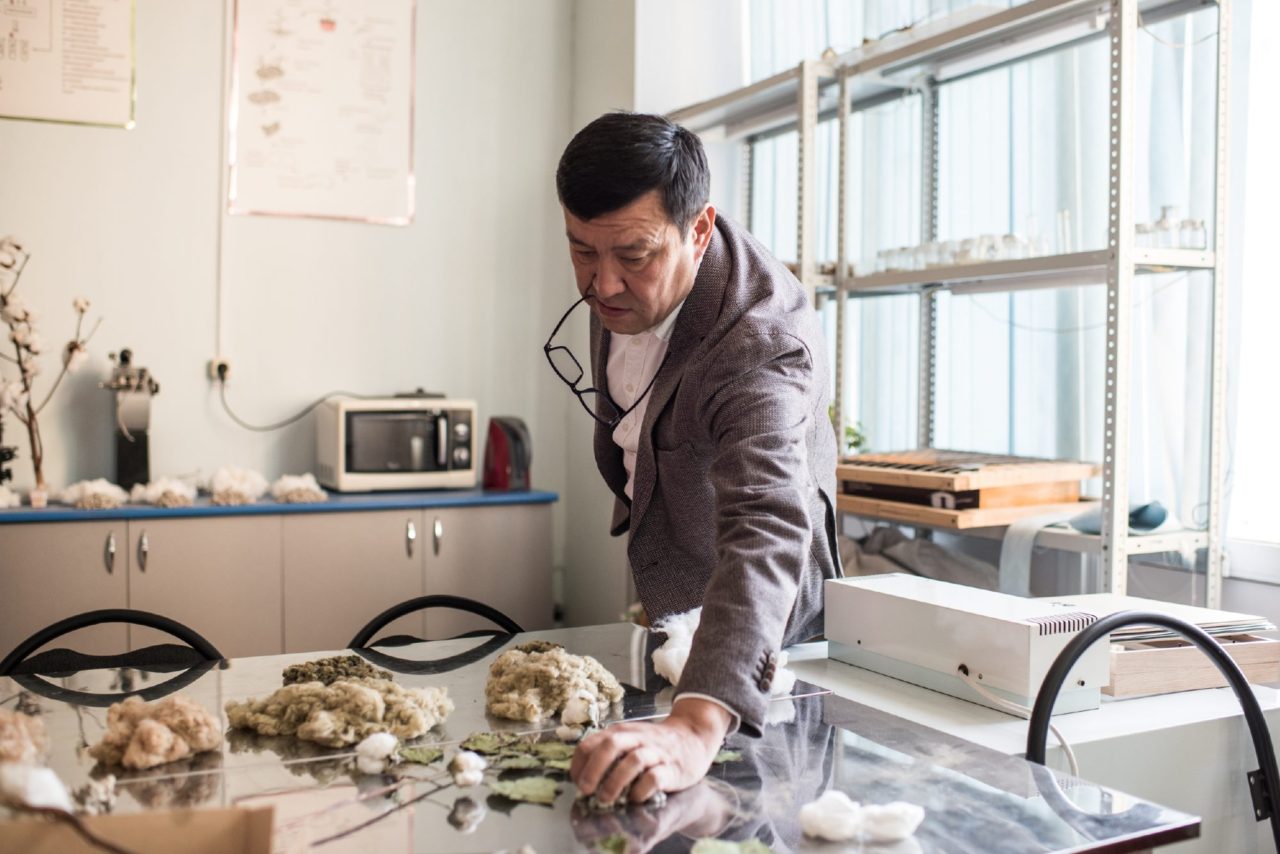
Oybek Kimsanbayev in the lab. Photo by Alina Desyatnichenko for Takie Dela

Kimsanbayev says that Allah loves him. Otherwise, he would not have sent him so many trials and so many people, willing to help him just like that, without asking anything in return.

“There have been deplorable circumstances when my life was not worth a penny. Yet people helped him. But there are things I really regret. I once behaved disgracefully and therefore moved away from my family. So the burden of guilt would not drag me down, I simply shoved off to Russia, frankly. That is why I have worked so hard, so that, down the line, my family—my dad, my brother, my wife and our three children—would be proud of me. That is my own real goal in the work I do.”

“What did you do that was disgraceful?”

“I don’t want to talk about it.”

“When was the last time you were in Tashkent?”

“I constantly have meetings and business trips. My schedule is crazy. I just got back from Astrakhan, where the region’s governor and I discussed a plan for sowing 200 hectares of cotton in the spring. I haven’t been home for four months.”

Kimsanbayev suddenly falls silent. The expression on his face changes noticeably when the conversation turns to family and children. His eldest daughter and son are seventeen and sixteen, respectively, while his youngest son is five.

“I miss them, of course. I’m really afraid of losing my family due to my work.”

“Why don’t you move them to Volgograd?”

“Where would I put them? In a rented flat on a monthly salary of 27,000 rubles [approx. 390 euros]? Listen, your questions are making me depressed, and it’s raining outside as it  is.”

Later, Kimsanbayev confesses he bought tickets for home right after our interview.

Potatoes on Mars

The cotton harvest is nearing completion in the university’s experimental field. The agronomist Bahadir or, as he introduces himself, Boris, specially recruited from Tashkent for the experiment outside Volgograd, shows me how to pick cotton. It is fairly straightforward. You pull the fiber from the boll. If it gives, you keep pulling until you have all the white cotton in your hand.

University students help pick the cotton. The white caps from the cotton plants are quickly deposited into sacks. Soft as a cat’s paw, the fiber is pleasant to the touch. The softness is a small reward for one’s efforts. Pulling the cotton from the boll without being pricked is nearly impossible.
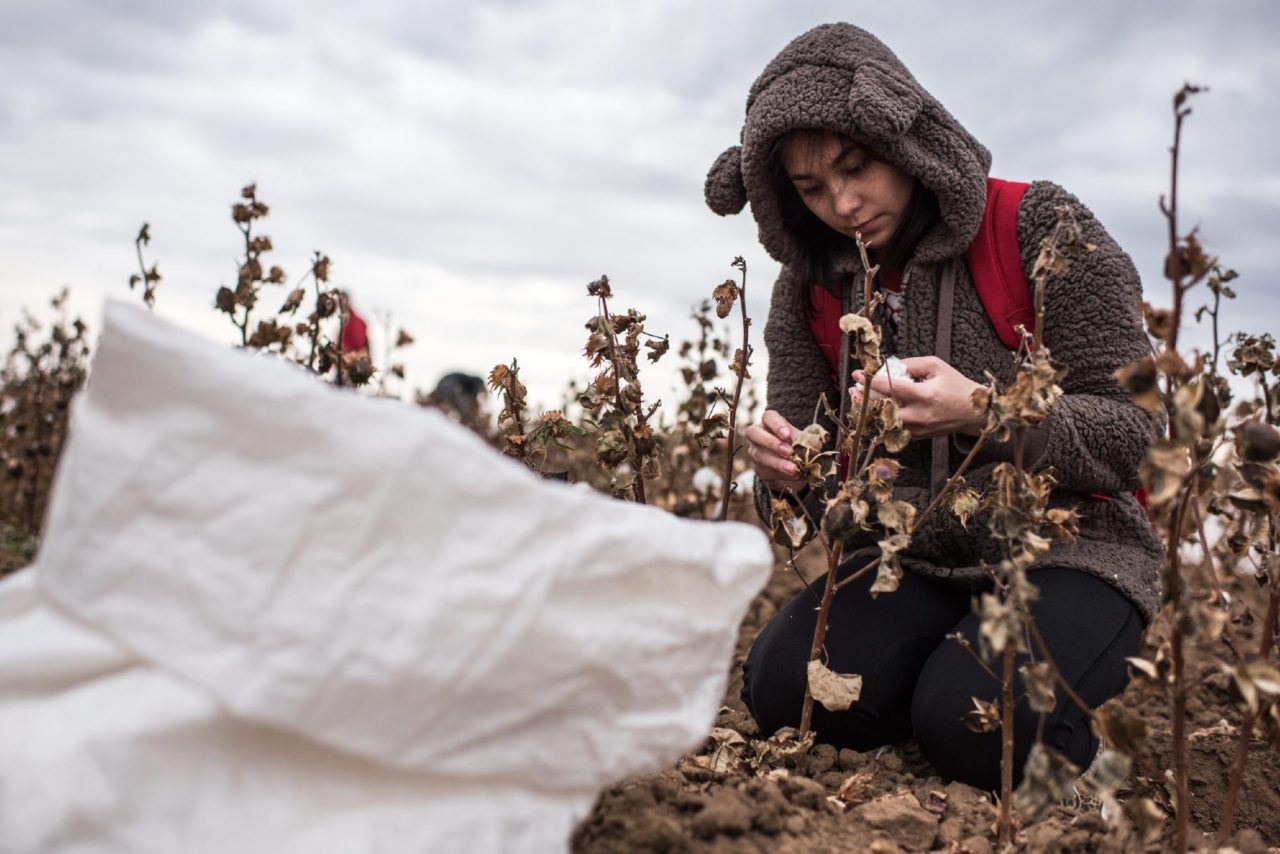
A student from Volgograd State Agricultural University picks cotton. Photo by Alina Desyatnichenko for Takie Dela

There are several unusual rows on the edge of the large field. The cotton there is not white, but dirty yellow and brownish green. It transpires that this year the Volgograd researchers bred a special variety of colored cotton. Someone joked the military ordered green cotton for sewing its uniforms.

Since Oybek Kimsanbayev joined its faculty, Volgograd State Agricultural University became the only university in Russia where cotton scientists are trained.

“Do you know how I enticed students into studying cotton? I said they would be rare specialists, and they would especially in demand abroad. But I hope, nonetheless, that Russian farmers realize the crop is quite profitable economically. This year, for example, there was overproduction of wheat in southern Russia. Farmers cannot sell the grain at a good price, while there is simply nowhere to store such yields. Consequently, they are making a loss. And this isn’t the first year we’ve seen this scenario. So, farmers need to switch to other crops, including non-traditional crops. Cotton could be one of those crops.”

“Where else in Russia could cotton be grown?”

“Currently, Volgograd Region is the northernmost area in the world where cotton is planted. The crop could be planted farther south, in Astrakhan, Kalmykia, Stavropol, and Krasnodar. Just imagine, in Volgograd Region, in one of the districts along the Volga River there are one and a half million hectares of cropland lying fallow. If you sow all that land with cotton, and the yield from one hectare is around one ton, Russia could reshape the world cotton market. It would simply crash it. Russia would not be dependent on imported cotton, which is especially vital given ongoing western sanctions and Uzbekistan’s refusal to export raw cotton to Russia. The really funny thing is that cotton was once grown in these parts. However, the technology was lost over the last decades. So now we folks at the university are once again developing techniques for cultivating cotton and breeding new varieties.”

The harvested cotton is loaded into a trailer for the journey to the warehouse. Photo by Alina Desyatnichenko for Takie Dela

The cotton from the experimental field is of very high quality. Its quality has impressed the local textile mill and a Moldovan company, almost the only full-cycle plant in the CIS where raw cotton is processed and fabric produced. It is they who are hurrying the researchers in Volgograd to breed varieties that would yield 3,000 kilos a hectare.

“Next year, six times more cropland will be sown with cotton seed in Volgograd Region alone: 630 hectares. Plus there will be 200 hectares in Astrakhan Region. We are negotiating with Kalmykia. We provide scientific support to all the farmers. Recently, at an ag expo in Moscow, I spoked with your agriculture minister, Alexander Tkachov. He told me a program for supporting cotton growing in Russia was in the works. I think the availability of state support would ultimately convince farmers to take up cotton.”

“Do industrialists try and recruit you? The salaries are definitely higher in industry than at a regional university.”

“I’ve had offers. But I turned them down. I would have to work as an agronomist or seed cultivator whose job would be to increase gross crop yields. I don’t find that interesting. I’m a scientist. I’ve created a variety, I’ve let it go to work, and I’ve set myself a new goal.”

“Do you have a new goal?”

“I do. Roughly speaking, our project aims to study alternative crop production. Meaning that we cultivate crops in places where they usually don’t grow. Have you seen the movie The Martian, in which an astronaut grows potatoes? They took the idea from reality. Thirty years ago, the Soviet cosmonaut Vladimir Dzhanibekov was the first person to grow cotton in outer space. My objective is to cultivate varieties of different crops that would adapt to all natural conditions, so that no amount of frost could damage them. I have proven this is possible. However grandiloquent it might sound, the job of farmers is to feed the world. If plants can yield crops under any conditions, imagine how that would change a country’s economy.”
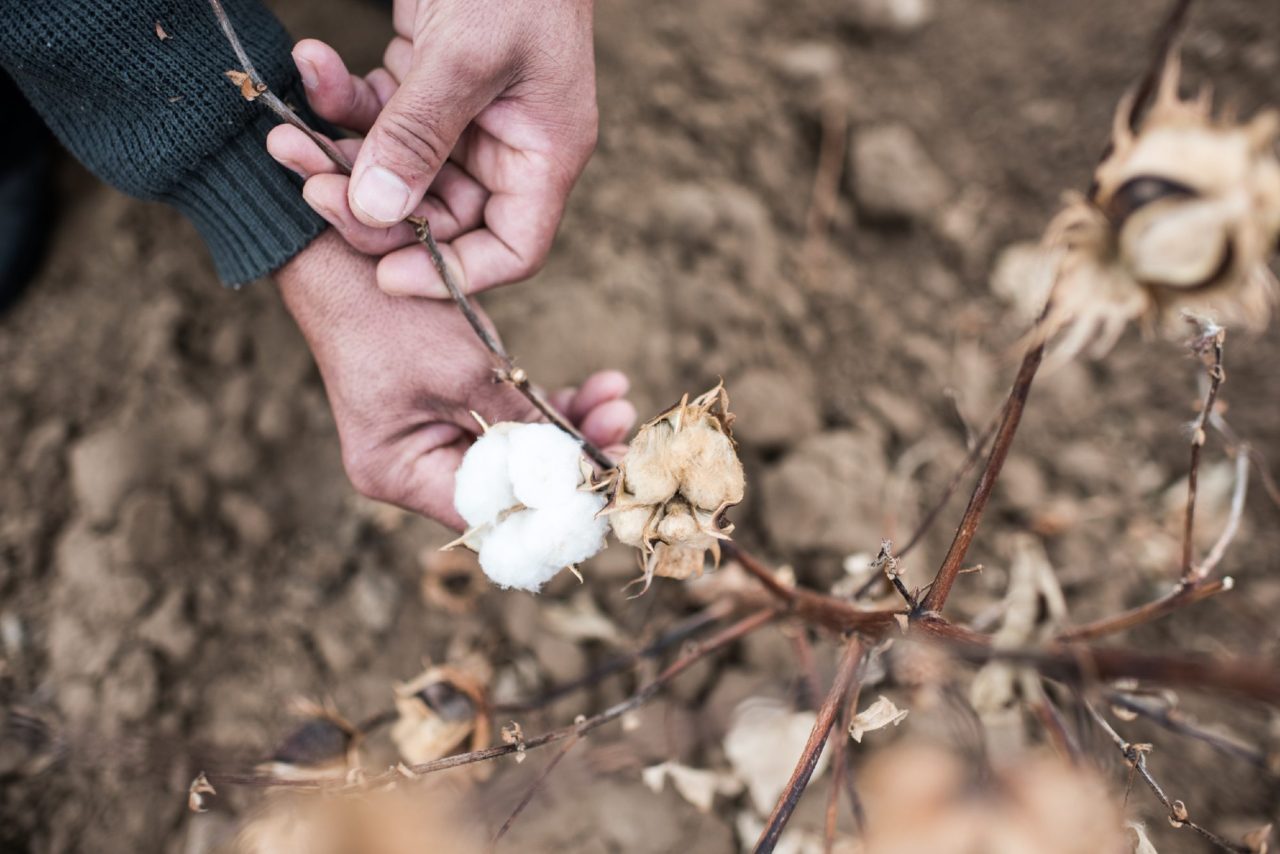
The agronomist Bahadir shows off Volgograd’s know-how: colored cotton. Photo by Alina Desyatnichenko for Takie Dela

Cotton is the only crop that has several sets of genetic chromosomes. That is why it is perfect for different experiments.

“How do they relate to your work and success in Uzbekistan? Are they kicking themselves for letting such a valuable employee go?”

“I don’t know whether they’re kicking themselves. But I have been offered a prestigious job and a high post. I’m not ready to go back yet.”

Translated by the Russian Reader
Return of the Wreckers

OLYMPUS DIGITAL CAMERA
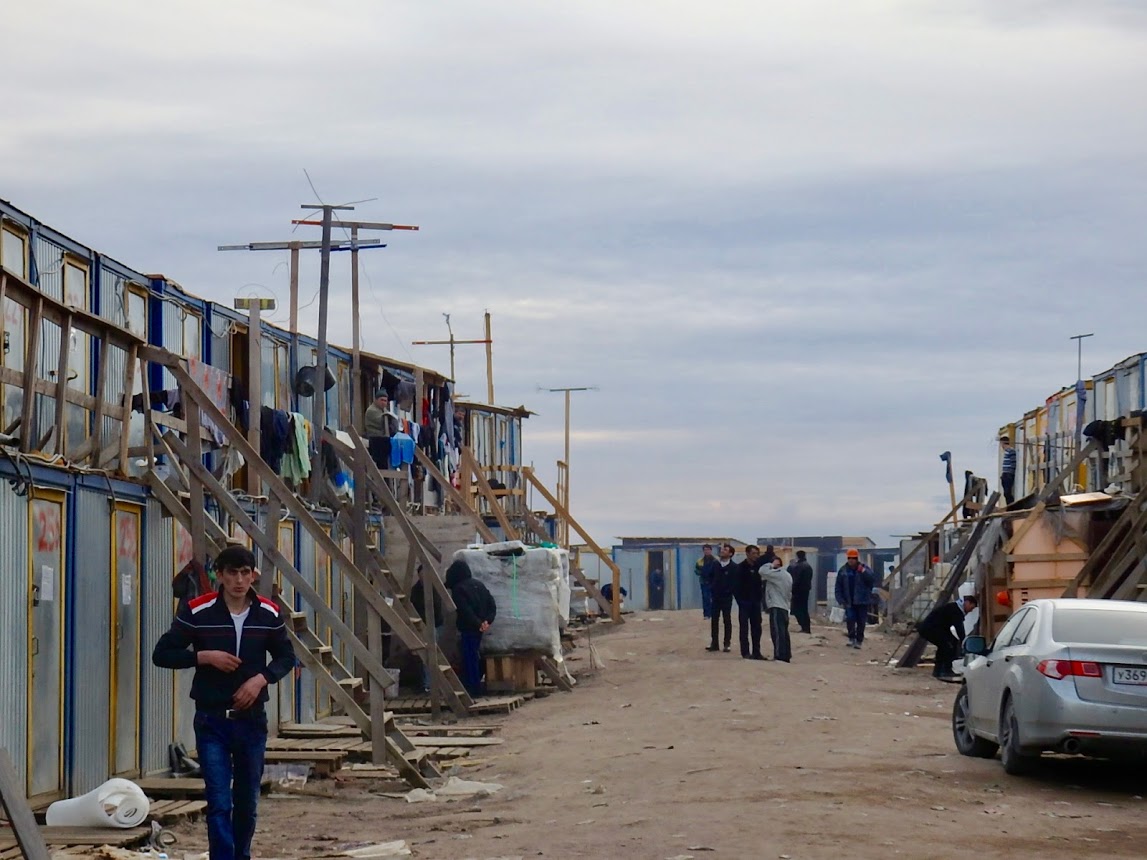
When they work on construction sites, migrant workers from Central Asia often live in shantytowns like this one in Petersburg. Photo by TRR

FSB director Alexander Bortnikov has claimed that migrant workers from the former Soviet Union constitute the bulk of terrorist groups operating in Russia. He called on businessmen who employ migrant labor and officials who insure compliance with immigration laws to act more responsibly.

This comes from an organization whose direct legal predecessor, the NKVD, arrested and shot fifty-four people on the street where I live during 1937–1938. All these people were found guilty on spurious, trumped-up charges, and all of them were “rehabilitated” in the later, more “vegetarian” times after Stalin’s death, as Anna Akhmatova called them. Meaning the Soviet state admitted then, at least to the families of the victims, that their loved ones had been arrested and shot for no reason at all.

And yet, when the Great Terror was in full gear, the country’s leaders and its henchmen in the NKVD (now known as the FSB) were convinced or feigned that the Soviet Union was chockablock with wreckers, saboteurs, provocateurs, and foreign spies.

Now, in the absence of a public investigation and any trials of the accused (or any accused, for that matter), the agency’s current director wants us to believe that migrant workers from Central Asia are rife with “terrorist groups.”

The street I live on is quite small. It consists of two short blocks and exactly twenty houses. I can imagine the sudden arrests and executions of fifty-four of their neighbors made quite an impression on the street’s more fortunate inhabitants in 1937–1938.

As far as I know, the FSB has never really renounced its direct line of descent from the Cheka, the OGPU, the NKVD, the MGB, and the KGB. On the contrary, if statements made by its more prominent veterans such as Vladimir Putin are to be believed, its past and current officers are extraordinarily proud of this legacy, although they may admit on occasion that the Great Terror was a bit excessive.

So, in the interests of the state (which are nowadays equated with the interests of the members of the Ozero Dacha Cooperative and the so-called Laundromat, not with the interests of the “international proletarian revolution”), the FSB is still capable, I would guess, of lying through its teeth and scapegoating entire groups of completely innocent people, i.e., in this case, migrant workers from Central Asia. According to one expert on Central Asia, whom I trust, there are currently around three million such migrant workers in Russia.

How do you think they are going to feel after hearing Bortnikov’s announcement? Would you like to live and work in a country where you are regarded as a de facto terrorist? TRR

Sergey Abashin: Reading About Migrant Workers

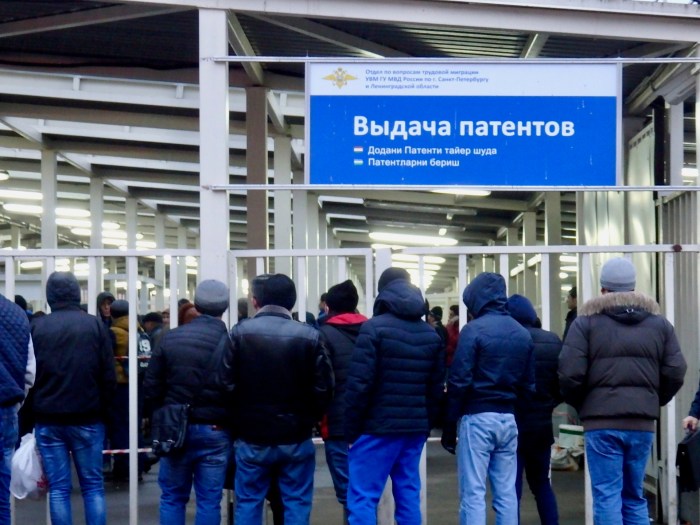
Central Asian migrant workers queueing to obtain work “patents” at the Russian Interior Ministry’s migrant workers processing center on Red Textile Worker Street in central Petersburg, March 10, 2017. Photo by TRR

Sergey Abashin
Facebook
March 19, 2017

Very few people are interested in reading about migrant workers in Russia. True, many people readily believe the myths and repeat them, but they don’t want to get to the bottom of things, even if you hand them the data on a silver platter. This apathetic attitude to figures and facts is also typical of how migration is regarded.

I wrote yesterday [see below] about the trends in the numbers of migrant workers from the Central Asian countries in Russia for 2014–2016. Let me remind you that the number of Kyrgyz nationals first fell and then began to grow, exceeding the previous highs by 10%. The figure is now about 0.6 million people. (I am rounding up). The number of Tajik nationals has decreased by 15–25% and has been at the same level, about 0.9 million people, for over a year, while the number of Uzbek nationals has decreased by 30–40%, to 1.5 million people.

Now let us look at the data on remittances, all the more since the Central Bank of Russia has published the final figures for 2016. In 2016, private remittances from Russia to Kyrgyzstan amounted to slightly more than $1.7 billion, which is 17% less than during the peak year of 2013, but 26% more than in 2015. Meaning that, along with an increase in the number of migrants, the amount of remittances has grown quickly as well, even at a faster pace. Remittances to Tajikistan amounted to slightly more than $1.9 billion in 2016, which is 54% less than the peak year of 2013. The amounts have been continuing to fall, although this drop has slowed as the number of migrant workers has stabilized. Remittances to Uzbekistan were slightly more than $2.7 billion in 2016, which is 59% less than in the peak year of 2013. Meaning the largest drop in the number of migrants has led to the largest drop in remittances.

*****

Sergey Abashin
Facebook
March 18, 2017

Data on the number of foreign nationals living and working in Russia has not been made public since April 2016, when the Federal Migration Service was disbanded. But this does not mean there is no such data. The figures exist, and they become available from time to time. For example, an article published in RBC [on March 16, 2017] supplies some data as of February 1, 2017. What follows from the figures?

The number of Kyrgyz nationals has increased since February 2016 by 5.6%, and since February 2015 by 8.9%, and amounts to 593,760 people.

The number of Tajik nationals increased by 0.7% over the past year, and by 13.3% over two years, and amounts to 866,679 people.

The number of Uzbek nationals has decreased over the past year by 15.2%, and by 31.7% over two years, and now amounts to 1,513,694 people.

So we see three different trends. After Kyrgyzstan joined the Eurasian Economic Community [now, the Eurasian Economic Union], the number of its nationals in Russia has continued to grown. After a decline of 15–20%, the number of Tajik nationals has stabilized, while the number of Uzbek nationals has fallen by 30–40%.

There are slightly less than a total of 3 million people from Central Asia living and working in Russia. (I did not take Turkmenistan and Kazakhstan into account. If I had, the figure would have come to about 3.6 million people.)

Sergey Abashin is British Petroleum Professor of Migration Studies at the European University in Saint Petersburg. His most recent book is Sovetskii kishlak: Mezhdu kolonializmom i modernizatsiei [The Soviet Central Asian village: between colonialism and modernization], Moscow: Novoe literaturnoe obozrenie, 2015. Translation and photo by the Russian Reader

Deported Mother Returns to Tajikistan with Baby Son’s Body

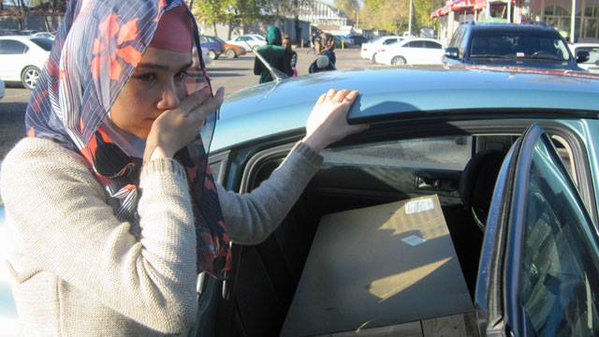
Yunusova after arriving in Tajikistan with the body of her five-month-old son Umarali Nazarov. Photo courtesy of Gogol's Wives
Zarina Yunusova after arriving in Tajikistan with the body of her five-month-old son Umarali Nazarov, who died in unexplained circumstances while in the custody of Petersburg police and medics. Photo courtesy of Gogol’s Wives

Mother of Deceased Tajik Baby Leaves Petersburg, Taking His Body with Her 
November 16, 2015
Mediazona

Zarina Yunusova, expelled from Russia by order of the court, has left Petersburg, writes Fontanka.Ru. Yunusova had been recognized as the injured party in the investigation into the wrongful death of her five-month-old son Umarali.

In the early hours of November 16, Yunusova left Petersburg’s Pulkovo Airport on Flight SZ204, bound for Dushanbe, the family’s lawyer, Oleg Barsukov, informed online news website Fontanka.Ru.

Yunusova took the child’s body with her in order to perform a forensic medical examination on it and bury the child there. Barsurkov noted that no problems had arisen while arranging for transport of the body.

Earlier, the October District Court in Petersburg had reaffirmed the decision to expel Yunusova from Russia since she was in the country illegally.

Face-to-face confrontations between Yunusova and police and Federal Migration Service officers had been scheduled for November 16 and 17 in Petersburg.

Five-month-old Umarali Nazarov died on October 14 at Tsimbalin Children’s Hospital, where he had been sent by police after local FMS detained him during a raid on the family’s home. According to the forensic examination [allegedly performed in Petersburg], Nazarov died of acute cardiopulmonary failure.

According to FlashNord news agency, citing relatives who attended the funeral, Nazarov has been buried in the Tajik village of Boboi Vali. The news agency did note whether a forensic medical examination had been performed before the funeral, as had been planned after the body arrived in Tajikistan. 

Translated by the Russian Reader. Thanks to Comrade GV for the heads-up

__________

Our Swimmer

Do Tajik lives matter in Petersburg? The official answer has so far been a resounding no. (And the “grassroots” answer has been a resounding yawn, actually).

Well, now that that pesky Zarina Yunusova and her creepy little dead baby are out of our hair, we can move on with our more important “European” lives, which here in the former capital of All the Russias are entirely built, swept and cleaned, and stocked and supplied with all the essentials for a pittance by expendable, utterly disempowered insectoid others like Zarina’s husband and Umarali’s father Rustam.

I don’t have the foggiest why anyone who lives in such a backward cesspool can imagine they have anything meaningful or helpful to say about the actual Europe and its alleged “Muslim,” “refugee,” “terrorist,” etc., problem, but as many of us know, nattering on endlessly and furiously about the “fate of Europe” is almost a national sport among the Tajik-loathing Russian jabberwockies.

Migrant Construction Workers Demand Back Pay from Baltic Pearl Subcontractor

Baltic Pearl Migrant Construction Workers Demand 780,000 Rubles from Employer
July 20, 2015
Rosbalt

PETERSBURG, JULY 20. Workers building the Baltic Pearl residential complex have demanded back pay from their employer, Trivium Group. As one of the construction workers, foreman Khusrav Kholmirzayev, told Rosbalt, the employees calculated the company has owned thirty workers approximately 780,000 rubles [approx. 12,600 euros] since last year.

IMG_8731
The Baltic Pearl. June 28, 2015. Photo by the Russian Reader

According to Kholmirzayev, last year, three crews were employed on the building site, and he supervised thirty men. He added that they worked without having signed labor contracts. Meanwhile, Russian authorities deported several migrants: the workers did not have enough money to pay for work licenses. Kholmirzayev noted that his crew was not paid fully from August to October 2014.

“We had only enough to survive. We stayed because we were promised the remainder would be paid,” he said.

IMG_8736
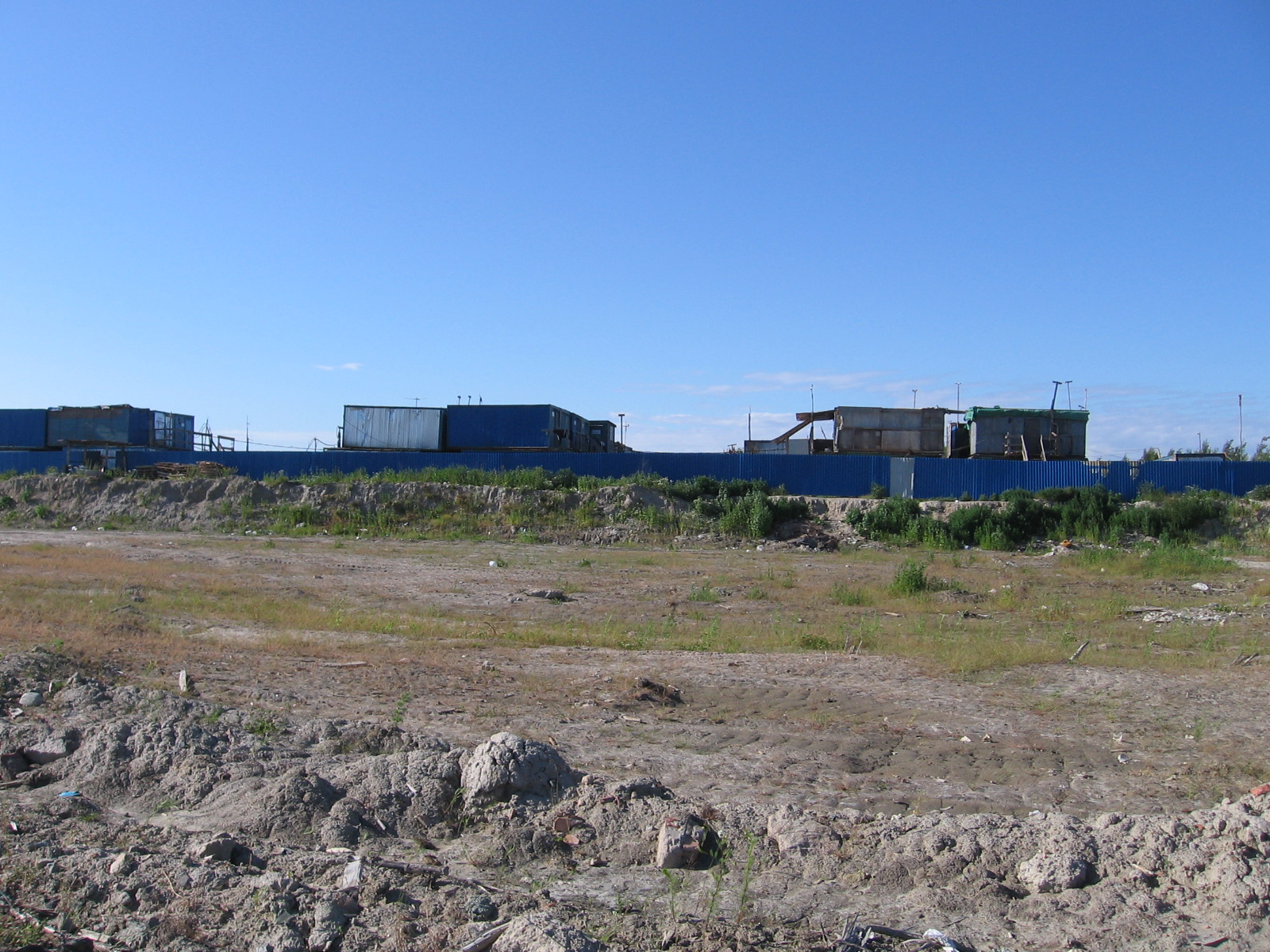
A makeshift container village, inhabited by migrant construction workers, with the Baltic Pearl in the background. Photo taken on June 28, 2015, by the Russian Reader

In 2015, the workers were not paid for March and April, after which they walked off the construction site. The workers who remained in Petersburg got jobs at other building sites, while Kholmirzayev has been trying to get the money from the previous employer.

“Relatives of the workers call me and say, ‘As foreman, you have to pay the workers.’ My parents have paid many of them,” he noted.

Today, the Trivium Group’s offices at Burtsev Street, 13, were supposed to be picketed by twelve migrant workers, but the protest did not take place. Only Kholmirzayev and Maksim Kulaev, an activist with the Interregional Trade Union Workers Association (ITUWA), showed up for the event. Moreover, the company could not be found at its registered address.

According to Kulaev, because of the crisis, “wage arrears are widespread in the housing sector and construction, especially if migrant workers are involved.”

IMG_8734
Another view of the container village for migrant construction workers, which is situated right next to the Gulf of Finland, where residents of the Baltic Pearl and environs could be observed swimming on June 28, 2015, when this photo was taken.

Rosbalt tried and failed, over the course of the day, to make contact with Trivium Group management over the phone via its listed numbers.

The website of the Petersburg and Leningrad Region Arbritration Court currently lists nine suits which Trivium Group has lost. According to the files viewable on the website, it transpires that Trivium Group has been ordered to play over fifty million rubles [approx. 808,000 euros] to other organizations. The claims have been appealed.

Trivium Group is one of the many companies engaged in erecting the Baltic Pearl complex.

This is the third in a series of posts dealing with Central Asia, Central Asians, immigration, and migrant workers in Russia. The first post in the series, a translation of Sergei Abashin’s essay “Movements and Migrants,” can be read here. The second post, “Why Migrant Children Are Being Expelled from Russian Schools,” can be read here. Translated by the Russian Reader
Why Migrant Children Are Expelled from Russian Schools

“Moscow for Muscovites”: Why Migrant Children Are Expelled from Moscow Schools
Darina Shevchenko
June 18, 2015
Yod

Russia had long made it possible for all children living in the country to get an education. The right of every child to an education was untouchable. Beginning this year, circumstances have changed. The Federal Migration Service (FMS) has obliged schools to expel unregistered children under the threat of stiff fines. Yod has tried to find out why Moscow schools are prepared to teach only children who hold Moscow residence permits.

28492

Alla, a Ukrainian national, arrived in Moscow last year from the city of Chernivtsi, located in Western Ukraine. Alla says that food prices have greatly increased in her hometown, and it has become hard to find work. In Moscow, she quickly found a manager’s job at a small company, rented a flat, and in spring of this year decided to move her son Alexander to Moscow. She went to School No. 1524 and asked what she needed to do to enroll him in the eighth grade.

Alla was told documents for enrolling in school were now submitted through the District Information Support Services (DISS). At DISS, she was informed that her child could be enrolled in school only if he had a yearlong temporary residence permit for Moscow. Alla and Alexander now have a three-month temporary residence permit. Their landlady has refused to register them for a longer period. At DISS, Alla was told that without this document her son had no right to study in a Russian school.

“Alla’s story is now typical. A family from Ukraine recently turned to us for help. For a whole year, a school had refused to enroll their son in the first grade. First, they needed a resident permit, and then they were denied enrollment due to the fact the child had turned eight, and eight-year-olds are too old to study in the first grade. This child’s parents were forced to return to Ukraine,” says Stasya Denisova from the Civic Assistance Committee.

According to the human rights defender, they now are dealing with a very large number of appeals from migrant and refugee families concerning expulsions and non-admission to schools. The most common reason is that their resident permits have run out. School directors cite Ministry of Education Decree No. 32, dated January 22, 2014. The decree divides children into two categories. Priority for admission to school is given to those who have permanent registration, while those who have temporary registration are admitted in second place.

“There is nothing in the decree about children without registration. Apparently, officials believe this means that such children do not have to be enrolled in school at all,” says Denisova.

Another human rights activist, Bakhrom Ismailov, says this year he has begun receiving many complaints from migrants whose children have been kicked out of school because they lacked documents.

“For a long time, Russia made it possible for all children who were living in the country to get an education. And the right to an education for all children was untouchable. The situation has changed this year. The FMS has obliged schools to expel children without resident permits,” says Ismailov.

“Just this week, I got several phone calls from Central Asian migrants who told me their children were going to be expelled from school because they had no medical insurance. Last year, a law requiring migrants to buy health insurance came into force. Without it, they cannot be employed. But we are talking about adult migrants. I don’t understand why high schools are making this demand on their pupils,” says Gavkhar Jurayeva, head of the Migration and Law Center.

Several teachers in different Moscow schools who wished to remain anonymous confirmed to Yod that at the beginning of the academic year, school principals were told at staff meetings that Moscow was now prepared to teach only children holding Moscow residence permits.

It is not only Moscow schools that now require residence permits.

“Our principal’s granddaughter, who is registered in Moscow, goes to school in the Moscow Region. At the school she attends, they demanded a Moscow Region residence permit from her. They said they were different budgets. Moscow was ready to educate only its own children at its own expense, and the region also educated only its own children at its own expense,” recounts a Moscow schoolteacher.

However, Isaak Kalina, head of the Moscow Education Department, does not agree with this take on the situation and says that stories of migrant children being expelled are myths.

“These stories are examples of journalistic myths. Any child who is legally in Moscow can study in Moscow’s schools,” says Kalina.

In February of this year, Uzbek national Nurbek, who has lived in Russia for ten years, was told by Vera Pankova, principal of School No. 34 in Tver, that his two teenaged sons, who had been pupils at the school since the first grade, would either have to be registered within five days or she would expel them.

“Not once in all these years had anyone at the school asked about my sons’ registration. The boys were good pupils, and they had no problems with their teachers. I also respect Russian law. I have always done all the paperwork for my family promptly,” recounts Nurbek.

The three-year residence permits of Nurbek’s sons had expired this past fall. Nurbek has a Russian residence permit, owns his own home in Tver, and is employed full time. Nurbek also wanted to apply for permanent residence permits for his sons and wife. But he was turned down on the grounds that his wife was unemployed, and the children were inscribed in her passport.

“I explained that my wife stays at home with our youngest son and our daughter. How can she work? And I own my own home and have a job. All the same, the boys were not allowed to get permanent residence,” says Nurbek, outraged.

The FMS also refused to register Nurbek’s sons, explaining that the boys had to exit and re-enter Russia.

“I earn forty to fifty thousand rubles a month [approx. 650 to 800 euros] for the whole family. I cannot afford to buy the children a two-way ticket. I have to set aside money and save up for this,” explains Nurbek.

In February, Nurbek was summoned by the principal, who demanded that he immediately present his sons’ registration. The school gave him five days to do the paperwork.

“The children were expelled the same day. They were required to turn in their textbooks. The school did not even suggest temporarily transferring them to home study. I asked that they be allowed to finish out the school year and promised to secure them their resident permits by this deadline. The principal replied that if she didn’t immediately kick out my children, the FMS would fine the school 400,000 rubles [approx. 6,500 euros]. The kids were very upset. The oldest loves school. He intends to study engineering at university, and then move to Germany. The teachers say he has great aptitude for foreign languages. After finishing school, my younger soon planned to study be a mechanic at vocational college. I have worked so much so that my children would not have to be uneducated street sweepers, and I decided to fight for them,” recounts Nurbek.

He filed a lawsuit against the school and won the case. According to the Civic Assistance Committee’s Stasya Denisova, the court ruled that the expulsion of Nurbek’s children had been illegal, because it violated the federal law “On Education,” the Russian Federal Constitution, and the UN Convention on the Rights of the Child, which Russia has ratified.

“The demands of the local FMS office to expel children due to a lack of registration also had no legal grounds. The court ruled it was not the school’s business to identify foreign nationals among its pupils and expel them due to a lack of registration,” says Denisova.

According to Nurbek, Principal Pankova came up to him after the trial and said she would challenge the court’s ruling.

“She was very indignant that, I, a migrant, had dared file suit against a Russian school. I tried to convince her I had not wanted to humiliate or insult anyone. I just needed my children to get an education. Then she said, ‘If you have money for lawsuits, you can afford to pay for your children’s education,’” recounts Nurbek.

Pankova told Yod she had no plans to prevent Nurbek’s children from attending school.

“I only ask that they register as soon as possible. No, the FMS is not pressuring me. It just has to be done,” said Pankova.

Nurbek claims that his children have already received a temporary residence permit. They have been registered, a

The Tver Region FMS office accommodated Nurbek only after Civic Assistance Committee lawyers intervened.

“Secondary schools now require registration not only from Central Asian migrant children but also from Russian citizens who have moved to a new town and from refugees. For example, in the Moscow Region town of Noginsk we opened a school for the Syrian refugee children, who are not admitted to Russian schools despite the UN Convention on the Rights of the Child. We were unable to find common ground with the FMS office in Noginsk. When we arrived to meet them, their staff illegally checked the documents of the human rights defenders,” recalls Olga Nikolayenko, director of the Adaptation and Education Center for Refugee Children.

The FMS was unable to reply to Yod’s request for a comment before this article went to press.

Nikolayenko says she does not understand what the FMS hopes to achieve by forcing schools to expel migrant children for bureaucratic reasons.

“Some migrants will leave Russia due to the fact their children won’t be able to go to school here. But most will remain. Their children will also continue to live here, because things are even worse at home. I don’t think they will have a good attitude towards a country that has deprived them of the opportunity to get an education. World know-how shows that first-generation immigrants are never integrated. But it is easy to integrate the second generation if the host country makes a minimal effort,” says Nikolayenko. “For some reason, our government is trying to make sure that neither the second nor the third generation is integrated. It generates a number of people in this country who are excluded from social processes, and so society cannot tap their potential. These people could get a high school diploma or a higher education and pay taxes. I don’t see any logic in the actions of the schools and the local FMS offices. First and foremost, we are wantonly sabotaging ourselves.”

Ismailov says that observance of immigration law has now been put above the right of children to get an education.

“In the past two years, the requirements for migrants have become tighter and tighter. Pressure has been put on them via minors,” says Ismailov. “Why pressure children? Let the adults be fined and penalized. Children should not be treated so cruelly.”

Nurbek’s friend Abdul-Aziz, from the town of Elektrostal in Moscow Region, is planning to send his children back home to Tajikistan this week. Due to the lack of registration, none of his school-age sons and daughters is admitted to Russian schools.

“They can go to school at home. They will grow up and come to Moscow to work. There is no work in Tajikistan anyway. But if they don’t know Russian and your customs, that will be your own fault,” says Abdul-Aziz.

This is the second in a series of posts dealing with Central Asia, Central Asians, and immigration. The first post in the series, a translation of Sergei Abashin’s essay “Movements and Migrants,” can be read here. Photo, above, courtesy of Yod. Translated by The Russian Reader.

“Smash the Kikes and Save Russia!”

Smash the Kikes and Save Russia (2015)
Hard on the heels of migrants and gays, another minority has begun to fear for its safety: Jews. Svetlana Reiter spoke with two women who feel directly threatened
Svetlana Reiter
March 2, 2015
Colta.ru

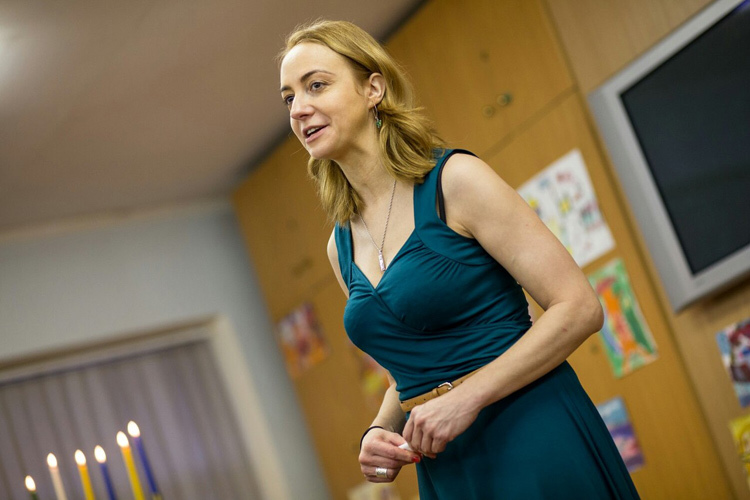
Leokadia Frenkel
Program Coordinator, St. Petersburg Jewish Community Center
I set up a volunteer program to help the children of migrants three years ago, in May. Basically, we teach Russian to children of migrants from Central Asia, primarily from Uzbekistan, but there are children from Kyrgyzstan and a few from Georgia. Twice a week, they have Russian lessons, and every Sunday in the summer we go to a museum, take a trip to Pavlovsk or Peterhof, or just walk around the city. The younger group, preschoolers and first graders, we teach conversational language through games. We teach the older children, who already know how to read and write, Russian as foreign language. There are fourteen children in the younger group, and eight in the older group. I cannot say that they attend constantly. Some get ill, while others leave the country.

I myself am a philologist by training. Previously, I taught Russian language and literature in schools. I am Jewish.

detailed_pictureLeokadia Frenkel

When we opened, practically no one was working with migrant children. There were no classes: it had occurred to no one that something needed to be done with them. Naturally, when we opened, various media visited us to shoot segments and write articles. When I read the comments to these articles, I often felt uneasy: people wrote very harshly about migrants and their children. But I could scarcely have foreseen what has happened now.

I posted an ad for volunteers in Facebook and VKontakte. We cannot take just anyone: we need professional philologists, people able to work with children. We cannot take the average person who just feels sorry for migrants, and real teachers are few and far between. So I am constantly posting ads in social networks: look at what wonderful children we have, come and help us.

Not long ago I posted two more ads. A group on VKontakte calling itself Morality reposted one. I had a look. Morality’s moderator, Mikhail Kuzmin, put together an album containing 161 photos of me and published a post in which he wrote that the kike-liberal public goes to protest rallies and teaches Russian to “black” (chernye) children. This group is absolutely fascistic and anti-Semitic. They are constantly writing that migrants commit the majority of crimes in Russia. That “black” children attend our schools and spoil our children, the migrant children are wild animals who are uneducable. And those are the mildest things they write.

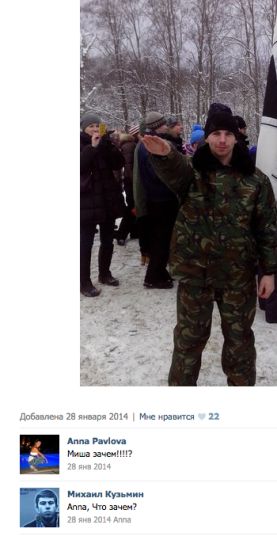
When this community was informed that a Jewish woman was teaching migrants, they were faced with what they understood as pure evil. Three and a half thousand people gladly lashed out at me. Kuzmin posted information about my son and my husband, and published an additional post about my family. He was outraged: how could it happen that kikes were teaching savages?! There is no place for either group in our society. Down with the kike-liberal opposition! Moreover, judging by his photographs, Kuzmin himself goes to LGBT rallies and beats up gay activists. He has an athletic physique: he practices boxing and fisticuffs at Sosnovka Park. In one photo, he is wearing a police uniform and sporting a badge. I don’t know whether he is really a policeman, but the photograph exists, just like snapshots where he is giving the Hitler salute or standing next to Deputy [Vitaly] Milonov [author of Petersburg’s infamous homophobic law].

The worst thing, of course, is that he not only haunts the social networks but that he walks the streets. I complained to the administration of VKontakte. They replied that if I didn’t like this group, I shouldn’t look at their postings, and that they close only those groups that directly threaten someone’s life.

I have said nothing to the migrant children. I am a good teacher; I know how to work with children. Ultimately, my job is to help those who have it worse than I do, not to make their lives even more unbearable. You see, in the schools these children accumulate hatred: teachers don’t like them and classmates fear them. These things give rise to reciprocal aggression.

It is hard to say whether the folks from Morality are threatening my life. If they practice fisticuffs at Sosnovka Park, what prevents them from visiting our Jewish center? Maybe one of their three and a half thousand subscribers will decide to harm me directly. And you know, I am less afraid to read things like “the black-assed bastards are uneducable, ask any teacher” and “the kike lady is out of her mind for black-assed goys” than to read what Kuzmin wrote about my son and my husband. I’m really afraid for my family.

The level of aggression is now completely crazy. Some moron could show up when I am teaching the children. We have no security guard armed with a machine gun at our center. The only thing I can do to protect myself somehow is talk about it publicly.

I always remember that the migrants have it worse off than I do. Their children have no beds. They sleep on the floor, and they are lucky if they have a mattress. And yet they go to school and study as much they can until they leave for home.

I have noticed that if I really come to like a pupil, he or she leaves immediately. Rarely do they study with us longer than two years. There were two lovely girls, half Kyrgyz, half Uzbek. They drew beautifully and sang beautifully. They were here for three years, now they have gone back home. I still correspond with one girl from Uzbekistan, Sitora, who is now seventeen years old. I remember she once told me she had never been to the theater in her life. Not once, can you imagine? But we take the children to the theater when we get free or discounted tickets.

During the winter break, we went to the Kunstkamera. Some Uzbek girls later asked why the Chinese have such strange, narrow eyes. And I told them, “Well, I have a big nose. What’s strange about that? All people are different.”

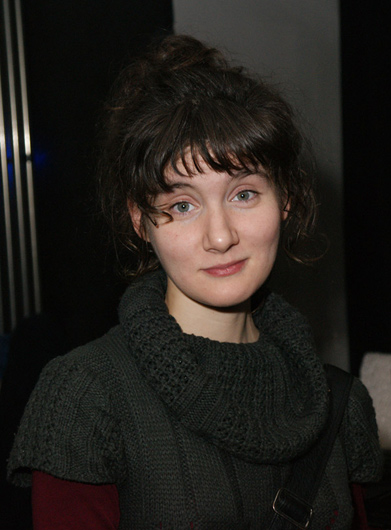
Tamriko Apakidze
Former lecturer at the Petersburg Institute of Jewish Studies
I moved to Germany this fall. I am trained as an Orientalist and religious scholar, and I taught at the Institute of Jewish Studies in Saint Petersburg. I encountered the Morality group quite by accident. A year ago, on March 14, I went to a demonstration at Kazan Cathedral. I had two small placards with me: “Crimea is Ukraine” and “Make love, not war.” Despite the warnings, I took the placards out periodically, not realizing that they turned my actions into a solo picket, especially because there were other people with placards.

fileTamriko Apakidze. Photo by Nikolai Simonovsky

The police nabbed me fairly quickly, at first along with my husband, but he was soon kicked out of the paddy wagon, and I spent four hours in the company of seven rather rude, in my opinion, police officers. It was they who took me to the station.

I had never been to a police station before, so at first I thought it was fun. But when they confiscated my internal passport and did not let me make a phone call, I was not amused. Aside from the rude cops, there was a nondescript young man who was quite polite. He listened courteously and attentively to the questions the police were asking me. He got quite excited when he heard I worked at the Institute of Jewish Studies. He asked what I taught there and whether I had worked there long. Then this guy was released, and I was given an arrest report and told to wait for a summons to court.

I left the police station late at night, believing I had got off very lightly. The next day, acquaintances sent me a link to the group Morality. It turned out that my companion at the cop shop had been Mikhail Kuzmin, the group’s moderator. He had posted his report, where he wrote something to the effect that he had being going to God’s temple to pray, but the police took him for a liberast and arrested him. The report was entitled correspondingly: “Who attends liberast rallies.” My entire biography was there. What surprised me most was that there were details there that he could not have found out from our conversation. He quite obviously had access to other sources.

Naturally, it said there that I worked at the Institute of Jewish Studies but that I pass myself off as a Georgian, although it is not clear who I am. There was this phrase: “The young woman herself is not involved in homopiggery, but she supports homos.” And the best part was an album of photos of me, twenty-five of them: one from the protest rally, and the rest pilfered from Facebook. This was so that the comrades would know their enemy by sight. The album’s crowning touch was a screenshot from the Institute of Jewish Studies website containing my schedule. I felt sick.

I looked at the pictures of Kuzmin himself: he was giving the Nazi salute and wearing a Nazi uniform. My husband wrote, “You shitty Nazi, remove the photographs of my wife immediately.” “I’m not a Nazi, because all Nazis are kikes,” Kuzmin eagerly replied. There was no more discussion with him, but his comrades in the struggle wrote comments under the photographs of me: how many Banderites had fucked me, and stuff like that. I never thought that I would encounter something like this in life. We sent a complaint to the management of VKontakte, but the group was not shut down.

For a while, I was very afraid. Of course, this was not the reason we left for Germany, but when I saw that screenshot of my schedule at the institute, I was quite scared to go to work. I became paranoid that I would be assaulted on the street or that our dog would be poisoned. I suspect that Kuzmin works in tandem with the police. First, I think he was with me at the police station as a provocateur. Second, when I was in the paddy wagon, the cops uttered his surname several times.

We moved to Germany at the end of August. We had been planning to do this for a long time, but had kept delaying and putting it off. After last March, my husband immediately found a job and we left Russia. I haven’t heard anything more about Kuzmin.

The community Morality has been active on the VKontakte social network for a year and a half. At present, the group numbers around four thousand subscribers. The group’s founder and moderator, Mikhail Kuzmin, was born April 12, 1986. He is married, a graduate of the Northwest Branch of the Russian Academy of Justice, and a member of the Petersburg branch of the Great Russia party.

______________________________

VKontakte group close for inciting hatred
Ethnic strife flares up on the social network. Petersburg woman with Jewish surname fears for her life
Polina Khodanovich
March 4, 2015
Metro

Petersburger Leokadia Frenkel, who teaches Russian to migrant children, has been victimized by the social network group Morality and its administrator Mikhail Kuzmin.

Screen Shot 2015-03-03 at 1

Mikhail Kuzmin. Screenshot courtesy of Metro newspaper

“He reposted 161 photographs of me and wrote a text to accompany them entitled ‘The Kike-Liberal Opposition,” Frenkel told Metro. “That Jews were teaching migrants was the ultimate source of indignation for him.”

According to Frenkel, openly threatening comments appeared under photographs of her, and she seriously feared for her life.

“But when my friends complained to VKontakte management, they got evasive replies to the effect that if you don’t like this group, don’t look at it.”

Mikhail Kuzmin himself likes to do the Nazi salute and have his picture taken in Nazi uniform. He invariably refers to Jews as “kikes,” and conducts surveys on topics such as “Should migrants be sterilized?” The group consists of about 3,500 active participants. Unfortunately, we were unable to reach Mikhail Kuzmin for comment.

Screen Shot 2015-03-03 at 2

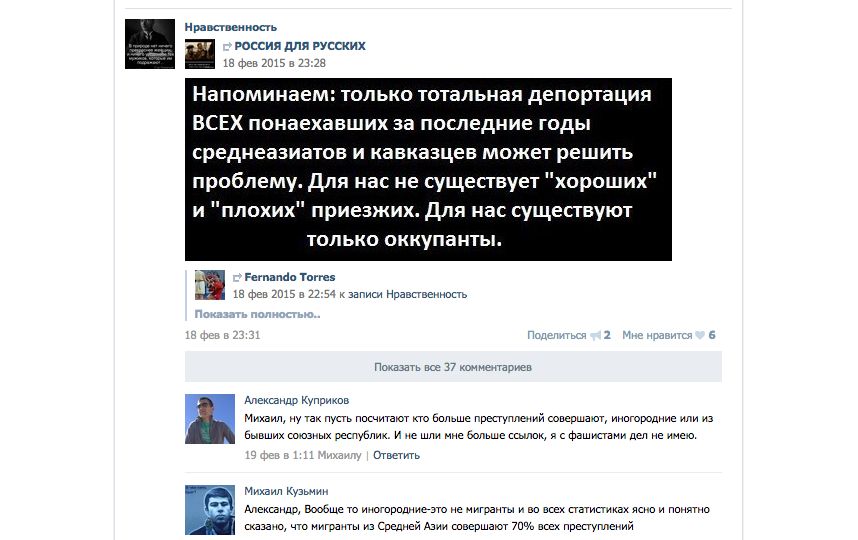
“Morality” group  page on the VKontakte social network. The highlighted passage reads, “Reminder: only the total deportation of ALL the Central Asians and Сaucasians who have overrun the country in recent years can solve the problem. For us there is no such thing as ‘good’ and ‘bad’ immigrants. For us there are only occupiers.” Screenshot courtesy of Metro newspaper

Metro asked the Saint Petersburg office of the Investigative Committee’s Investigative Department to comment on the situation. Sergei Kapitonov, head of their press service, was terse.

“Anything is possible anywhere. I don’t understand what the matter is. I suggest you send an official inquiry addressed to our general and explain what you want to him.”

Roskomnadzor told Metro that they could do nothing themselves.

“The law on extremism in the Internet is administered by the Prosecutor General’s Office,” press secretary Vadim Ampelonsky said. “Only they can send us a request to block the group.”

Ultimately, Metro had no choice but to personally ask VKontakte’s press secretary Georgy Lobushkin to pay close attention to the controversial group Morality. And soon the newspaper received the following reply: “Good day. Our moderators are now checking this group for violations of website rules and Russian federal laws.”

On the evening of March 3, the group was temporarily blocked “for incitement to acts of violence.”

Vera Alperovich, expert on nationalism and xenophobia, SOVA Center for Information and Analysis:

“Any incitement to ethnic violence is covered by Article 282 of the Criminal Code. The activities of this group and its administrator should definitely be investigated. That the Investigative Committee is paying no attention to this group means they are waiting until someone is killed. In addition to a criminal complaint, one could start with a warning, which can facilitate getting the offending content deleted. Aside from the Criminal Code, there are also ethical norms. Such groups should cause a wave of public outrage.”

______________________

The Fall of “Morality”
A neo-Nazi group on VKontakte that has bullied a Jewish woman was closed only after public pressure
Veronika Vorontsova
March 5, 2015
Novye Izvestia

Yesterday, after repeated requests by users, administrators at the social network VKontakte blocked the group Morality. The community had positioned itself as a platform for instilling “Slavic values,” but in fact it contained a lot of material prohibited by law, including neo-Nazi material. The group’s closure had long been sought by a female Saint Petersburg resident against whom group members had organized a genuine hate campaign. For a long while, administrators at the social network had turned a blind eye to her complaints, and she succeeded in having the group blocked only after broad publicity and intervention by the media.

The group Morality, which allegedly promotes “moral education based on historical Slavic values,” has been closed for a month for calls to unlawful actions, VKontakte spokesman Georgy Lobushkin informed Novye Izvestia. If the community’s creators do not remove the illegal content within thirty days, the group will be blocked in perpetuity.

The cause of the group’s closure was the campaign of persecution its members organized two week ago against Leokadia Frenkel, program coordinator at the Saint Petersburg Jewish Community Center, whose activities include teaching migrant children and helping socially adapt.

1425494405051Leokadia Frenkel

It all started when Frenkel placed an ad on the social network recruiting volunteers to work with the children at the center. The call was copied to the Morality group, where it was commented in an abusive and illegal manner. As Frenkel told Novye Izvestia, a genuine campaign of persecution was unleashed in comments to the post: group members insulted her ethnicity, and some threatened her with violence. Later, the group’s moderators made a selection of photographs featuring not only Frankel but also her husband and her son, placing it in open public access.

Frenkel decided to send a written request to VKontakte to close the group. Many of her friends followed suit. They soon received a rejection letter. The social network’s administrators explained there was nothing illegal in the information contained in the community. “If you do not like the group, do not look at their materials. We close only those groups which directly threaten someone’s life.” This was the response from VKontakte management.

This explanation did not hold water, says Frenkel. She notes that VKontakte’s published rules contain a list of actions prohibited by company management. Paragraph “e” disallows the “incitement of racial, religious, and ethnic hatred, as well as the promotion of fascism or racial supremacist ideology.” In the group Morality, which was completely open to the public, one could see many images of swastikas and direct calls for violence. Examining group moderator Mikhail Kuzmin’s personal page, Novye Izvestia also found many images of Nazi symbols. In some photos, he was posed in a Wehrmacht uniform; in others, in front of a Russian imperial tricolor.

Initially, VKontakte administrators really did see nothing illegal about the group, the social network’s press secretary Georgy Lobushkin explained to Novye Izvestia.

“There are many discussion communities where users discuss various issues. We do not block them, even if some comments are outside the scope of the Constitution,” he said in conversation with Novye Izvestia. However, “after a more thorough study of this group, experts nevertheless concluded that it contains incitements to violence.”

Two weeks passed between the time of Frenkel’s complaint and the group’s closure. She believes the reason for a more thorough review of her complaint was several reports in the media and the broad publicity they generated.

Although the group Morality has been closed, Novye Izvestia has found a number of similar communities where Frenkel’s identity and ethnicity continue to be discussed to the hilt.

As Novye Izvestia reported yesterday, early in the week, a court ordered Smolensk journalist Polina Petruseva to pay a fine of 1,000 rubles for “promoting Nazi symbols.” The court case was occasioned by Petruseva’s publishing a photograph of her own building’s backyard during World War Two on her social network page. The photograph shows German soldiers standing in formation next to the flag of the Third Reich. On Tuesday, the Russian Constitutional Court confirmed the ban on displaying any Nazi paraphernalia or symbols.

But law enforcement agencies have not yet responded to the controversy involving Leokadia Frenkel. The police are reluctant to accept such complaints, because there is almost no mechanism for working with such cases, Mikhail Pashkin, chair of the Moscow Police Union’s coordinating council, told Novye Izvestia. According to him, criminal charges are filed in such instances only to make an example of someone, “which is probably what happened in the case of the journalist from Smolensk.”