Muslims

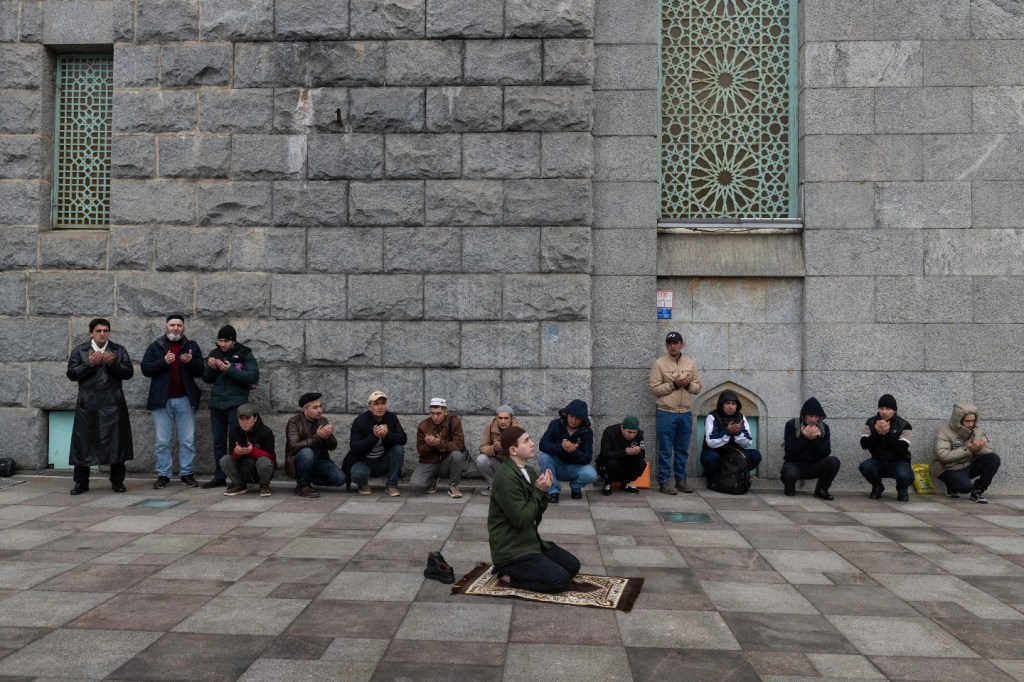
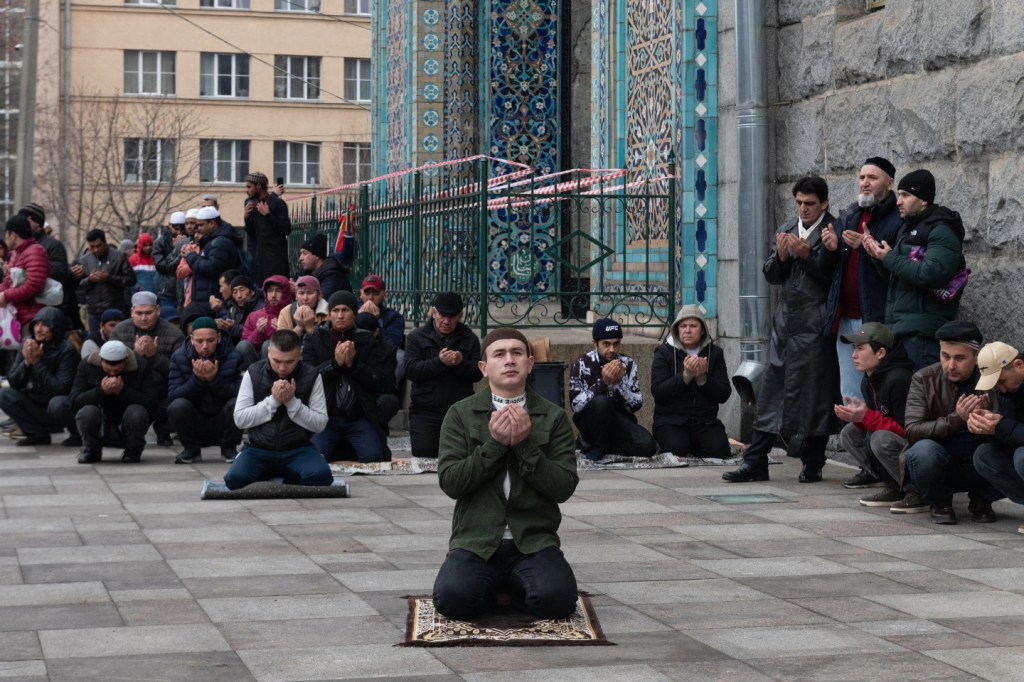
Muslims performing the morning prayer on Uraza Bayram [Eid al-Fitr] at Saint Petersburg Mosque, 10 April 2024.

Source: Andrei Bok (Facebook), 11 April 2024. Translated by the Russian Reader


In Russia where 14 million Muslims reside as of 2017, Eid al-Fitr is often known as Uraza Bayram (Russian: Ураза-байрам) and is a public holiday in the republics of AdygeaBashkortostanDagestanIngushetiaKabardino-BalkariaKarachay-CherkessiaTatarstan and Chechnya. Most festive dishes consist of mutton, but salads and various soups are also popular. As the Muslim population is diverse, traditional festive dishes differ between regions – for example in Tatarstan pancakes are popularly baked.

Russian Muslims go to festive worships at mosques in the morning of Eid al-Fitr, after which they often visit older relatives as a sign of respect. In the North Caucasian republics, children popularly go past various houses with a bag to get it filled with candy, specially stored by locals for the celebration. In Dagestan, eggs with bright stickers is a popular traditional dish served there during Eid al-Fitr. People generally dress more during this day – women choose bright dresses with beads while older people would wear papakhas. In many places in the country master classes are also hosted where families take part in activities such as embroidery and clay making.

Source: “Eid al-Fitr” (Wikipedia)


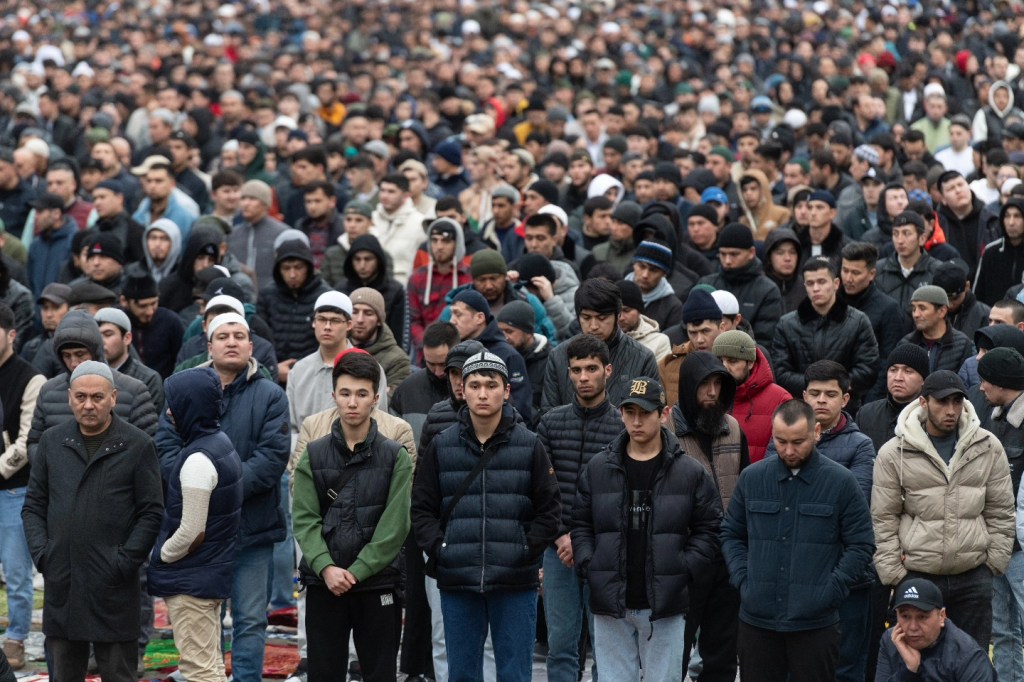
The festival of Eid Al-Fitr, or “Uraza Bayram,” marks the end of the holy month of Ramadan in Islam. This year 180,000 worshippers marked the event in Moscow, a figure below half of last year’s number.


Photo: Arthur Novosiltsev/Moskva News Agency

Source: Moscow Times, 10 April 2024

Don’t Stomp on the Ants, Sweetheart

KING CITY, Calif. — A group of men in masks opened fire at an outdoor party in central California, killing four people and injuring three others Sunday evening, police said.

Police responded to a reported shooting around 6 p.m. in King City and found three men with gunshot wounds who were pronounced dead in a front yard, the King City Police Department said in a statement.

Four other people sustained gunshot wounds, including a woman who died after being transported to Mee Memorial Hospital in King City, about 106 miles (170 kilometers) south of San Jose.

The three injured men were transported to Natividad Hospital in Salinas, police said.

Several people were at the party outside a residence when three men with dark masks and clothes got out of a silver car and fired at the group. The suspects, who were not immediately identified, then fled the scene in the car.

The investigation is ongoing, police said.

On Monday French lawmakers will vote on whether to enshrine in the country’s constitution a “guarantee” of women’s “freedom” to have an abortion. They will meet at a joint session of the lower and upper houses of parliament in Versailles, a rarely convened body known as the Congress. A constitutional revision requires three-fifths of the votes. 

Such cross-party support is widely expected. Last Wednesday the French senate, which is controlled by the opposition centre-right, voted overwhelmingly in favour of the bill. The revision also enjoys backing from the governing centre and the opposition left. Emmanuel Macron, the president, wants women’s freedom to have an abortion to be made “irreversible”. French politicians of all stripes have worried about the potential for a future rolling-back of such guarantees—especially since America’s [sic] Supreme Court overturned the ruling that protected abortion rights there in 2022.

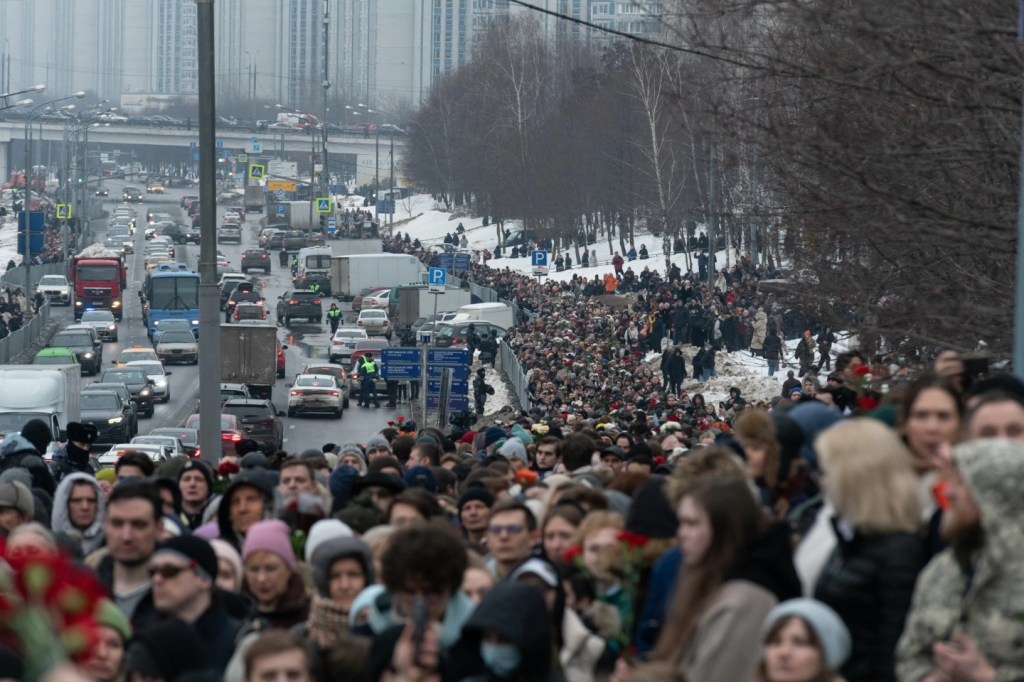
Sources: Spanishdict.com daily newsletter, 4 March 2024; Monterey Herald, 4 March 2024; Time, 4 March 2024; The Economist daily newsletter, 4 March 2024; the YouTube channels of The Insider (“Navalny’s Last Rally”) and Novaya Gazeta (“The Most Emotional Statements of People Who Came to Say Goodbye to Alexei Navalny”), with thanks to Tiina Pasanen; Andrei Bok (Facebook), 2 March 2024; Duolingo; random internet stock image.

Yegor Balazeikin: Six Years in Prison for “Attempted Terrorism”

“The 2nd Western District Military Court found Yegor Balazeikin guilty of attempted terrorist and sentenced him to six years in prison.”

Source: Andrei Bok (Facebook), 22 November 2023


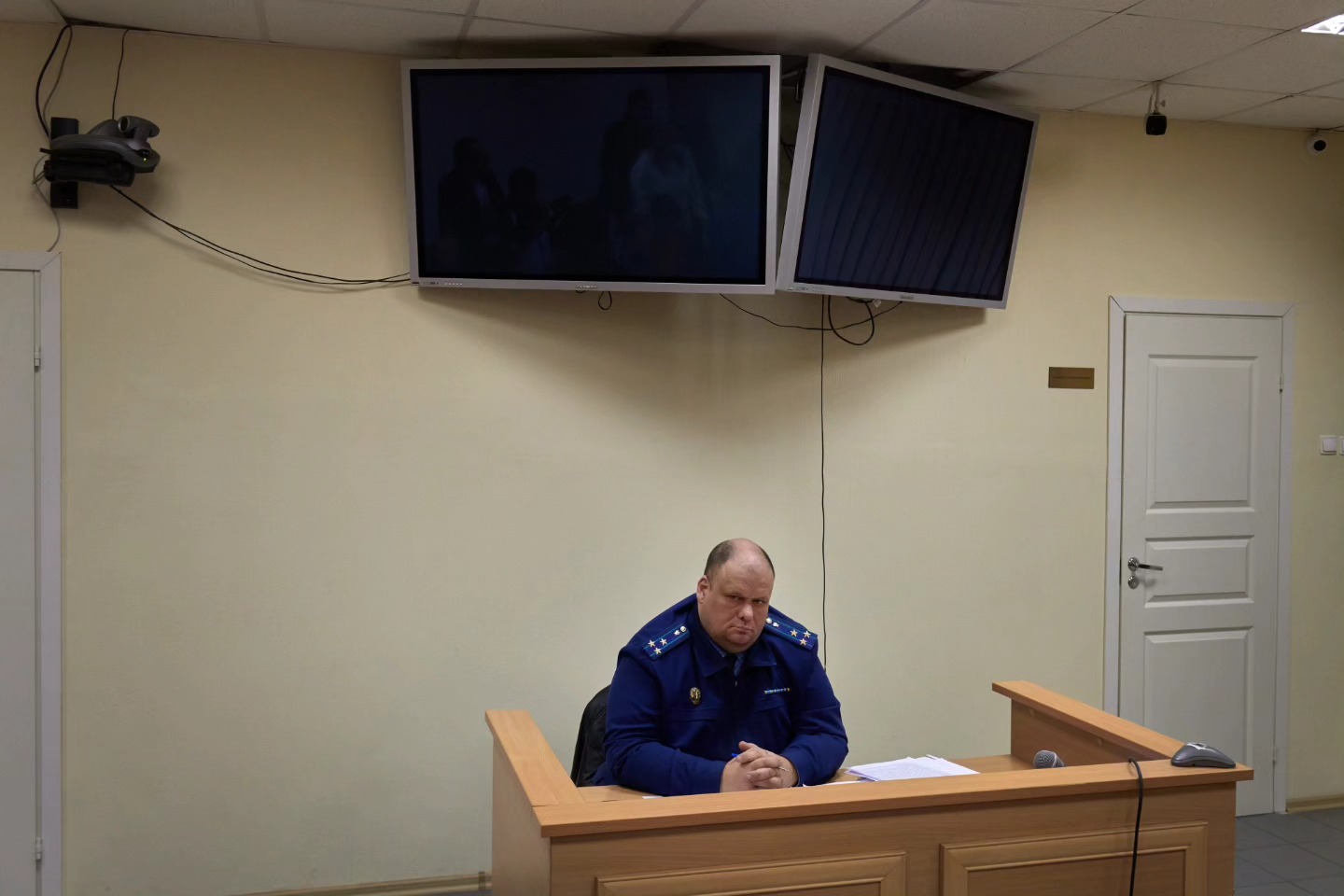
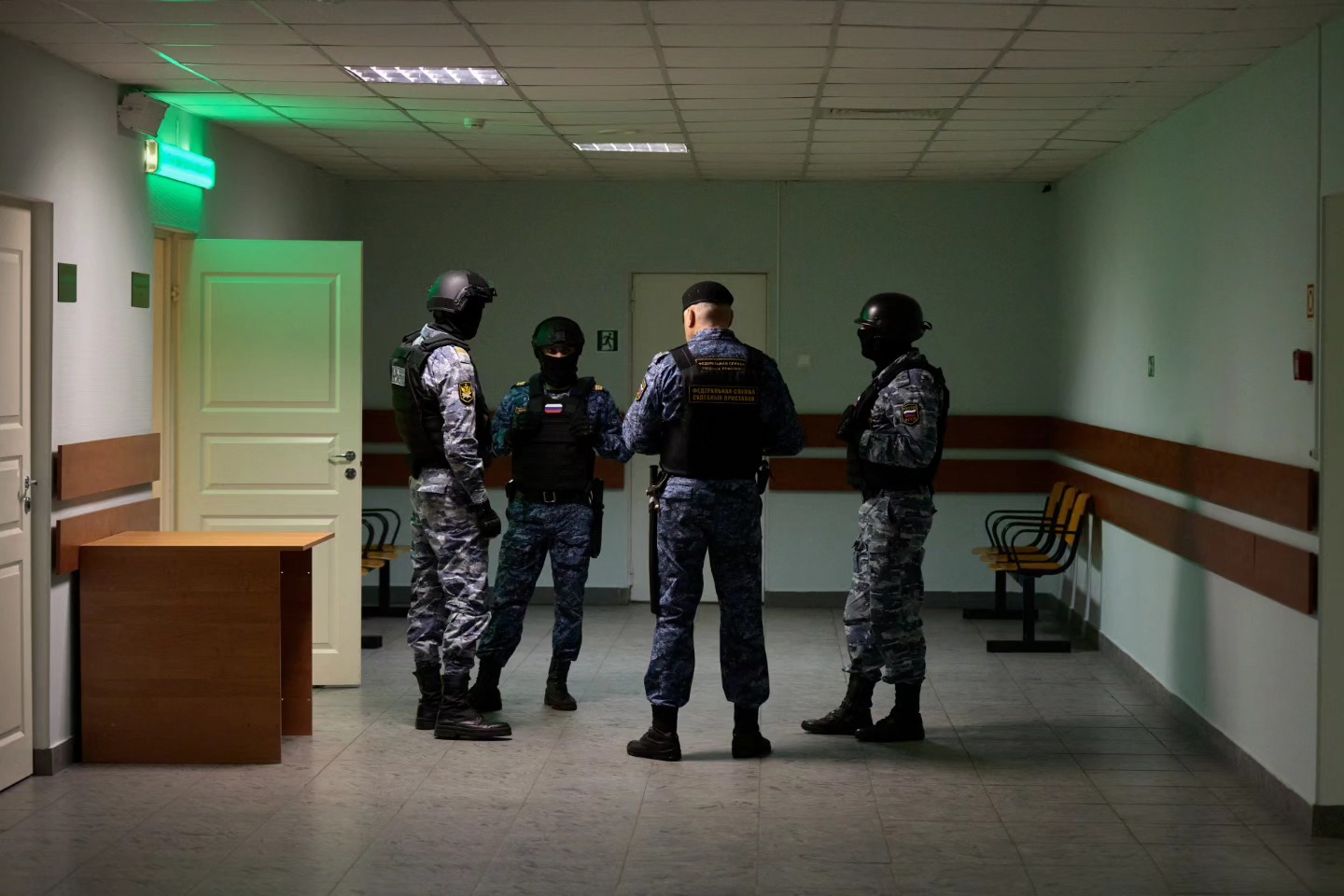
On Wednesday, November 22, 17-year-old Yegor Balazeikin was sentenced by a St. Petersburg military court to a harsh six-year prison term. The high school student, profiled by Le Monde in September, was found guilty of “attempting a terrorist act with the aim of destabilizing state institutions.”

He was arrested in February, at the age of 16, when he threw a Molotov cocktail at the gates of the military recruitment office in Kirov, near his village in the St. Petersburg region. According to the prosecution, he had committed a similar act a few weeks earlier in St. Petersburg.

Yegor Balazeikin has never denied responsibility for the first of these two acts. He explained that it was because of his opposition to the war in Ukraine. Since his arrest, he has not relented in the face of the investigators’ attempts to coax him, nor in the face of threats. In a letter to his mother, his sole ambition was to “remain a man,” both in Russia at war and in prison.

The prosecutor had requested a six-year prison sentence, relatively lenient in view of the verdicts handed down by the Russian justice system in recent months. On November 14, for example, a resident of Tolyatti received the same sentence for defacing posters showing “heroes” of the “special military operation” in Ukraine. Three days later, Alexandra Skochilenko, an artist from St. Petersburg, was sentenced to seven years in prison for pasting anti-war tags in a supermarket.

The court considered Yegor Balazeikin’s health status as a mitigating circumstance. The young man, who is passionate about history and karate, has been suffering since the age of eight from autoimmune hepatitis. It is an incurable and serious disease that has worsened since his detention in February.

Another mitigating circumstance is that he has always acknowledged the facts. On Wednesday, he once again explained his actions at the hearing. “I came to the conclusion that I could never approve of the presence of Russian armed forces on Ukrainian territory. I tried to talk about it to those around me, to help people realize this. But I realized that discussions were useless and I wanted to act differently.”

‘I don’t expect to be understood or acquitted here’

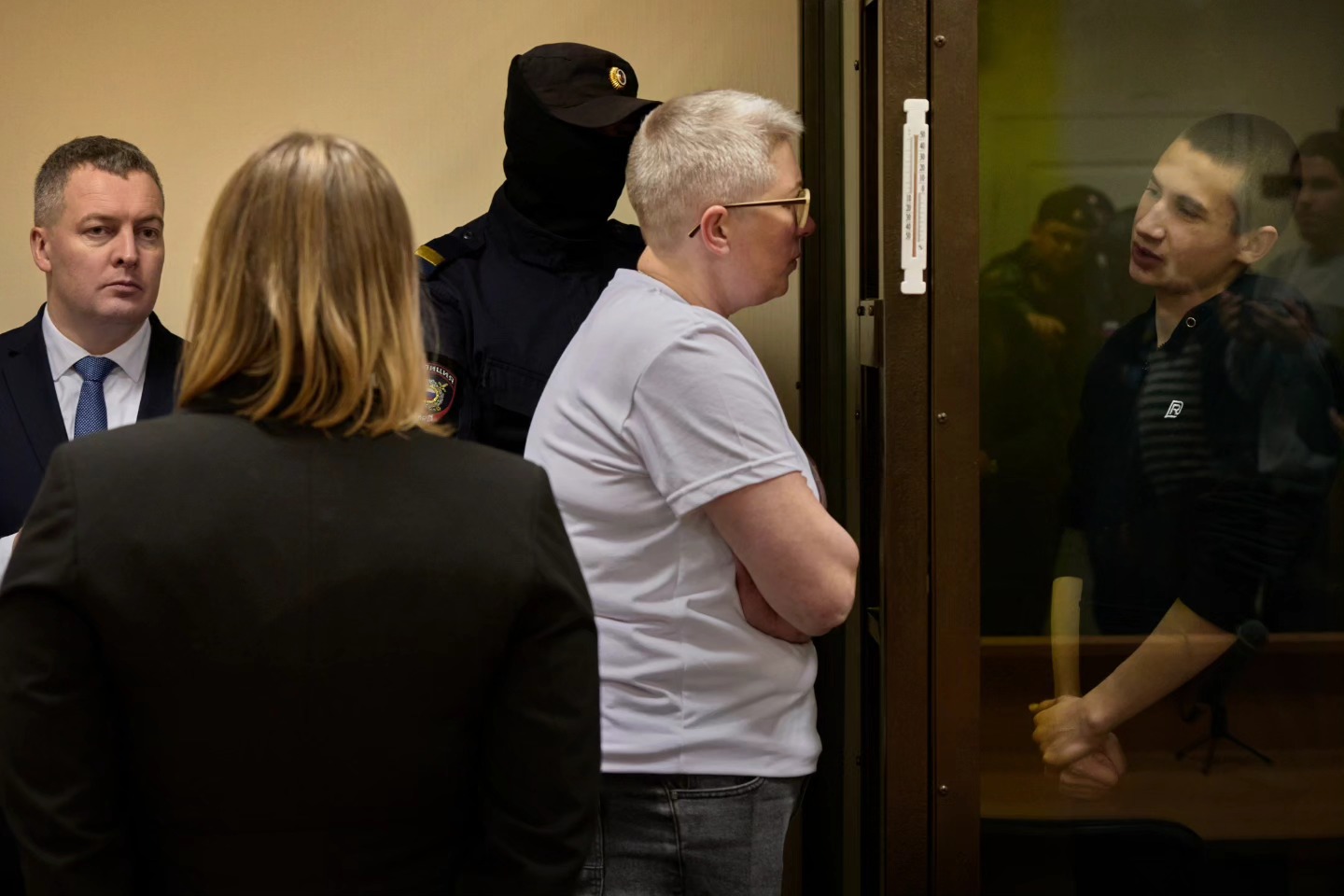
In the defiant posture that he has taken throughout the hearings, standing with clenched fists, he pronounced his last words to the court in front of a prosecutor who had fallen asleep, the press reported. “The person closest to me, my mother, would like me to be acquitted,” he said. But I’m not asking for acquittal – my conscience will judge me. Six years, eight years, it doesn’t matter… We’ll settle scores in the after world. […] I’m told to be patient and that everything will be alright in our country. But is that really the case? Two years have gone by and I still don’t see the link between bombed Mariupol and what’s happening in my little house [Egor’s family live in a wooden house that’s close to insalubrity]. And even if all this were to enable us to renovate our towns and open sports halls, would the price be acceptable? Lives… The date of February 24 [2022, the start of the war] has become more important to me than my birthday. I know I’m going to jail, but if I’m guilty of anything, it’s of being indifferent… At first, I didn’t care about any of this, which is the same as supporting [the war].”

Although he never denied his actions, the young man stressed that he had never meant to harm anyone, waiting until evening to throw his projectile against a metal door. It did not catch fire. The public prosecutor, for his part, felt that an agent from the recruitment office could have died.

His parents supported their son from the moment of his arrest. They respected his willingness to take responsibility for his actions and they acted as his spokespeople. His mother took an active part in the trial, doing her utmost to make it as transparent as possible, with publications on a support group on social media. At the hearing, she also pointed out that her son had been affected by the death of his uncle in June 2022. The uncle had been a volunteer on the Ukrainian front. “He betrayed him,” said the prosecutor.

Yegor Balazeikin, who was expecting a long sentence, wants to continue his studies in prison. His mother hopes he will be able to receive treatment there.

Source: Benoit Vitkine, “In Russia, Yegor Balazeikin, a 17-year-old ‘terrorist,’ sentenced to six years in prison,” Le Monde, 23 November 2023

Going Underground (Continuity)

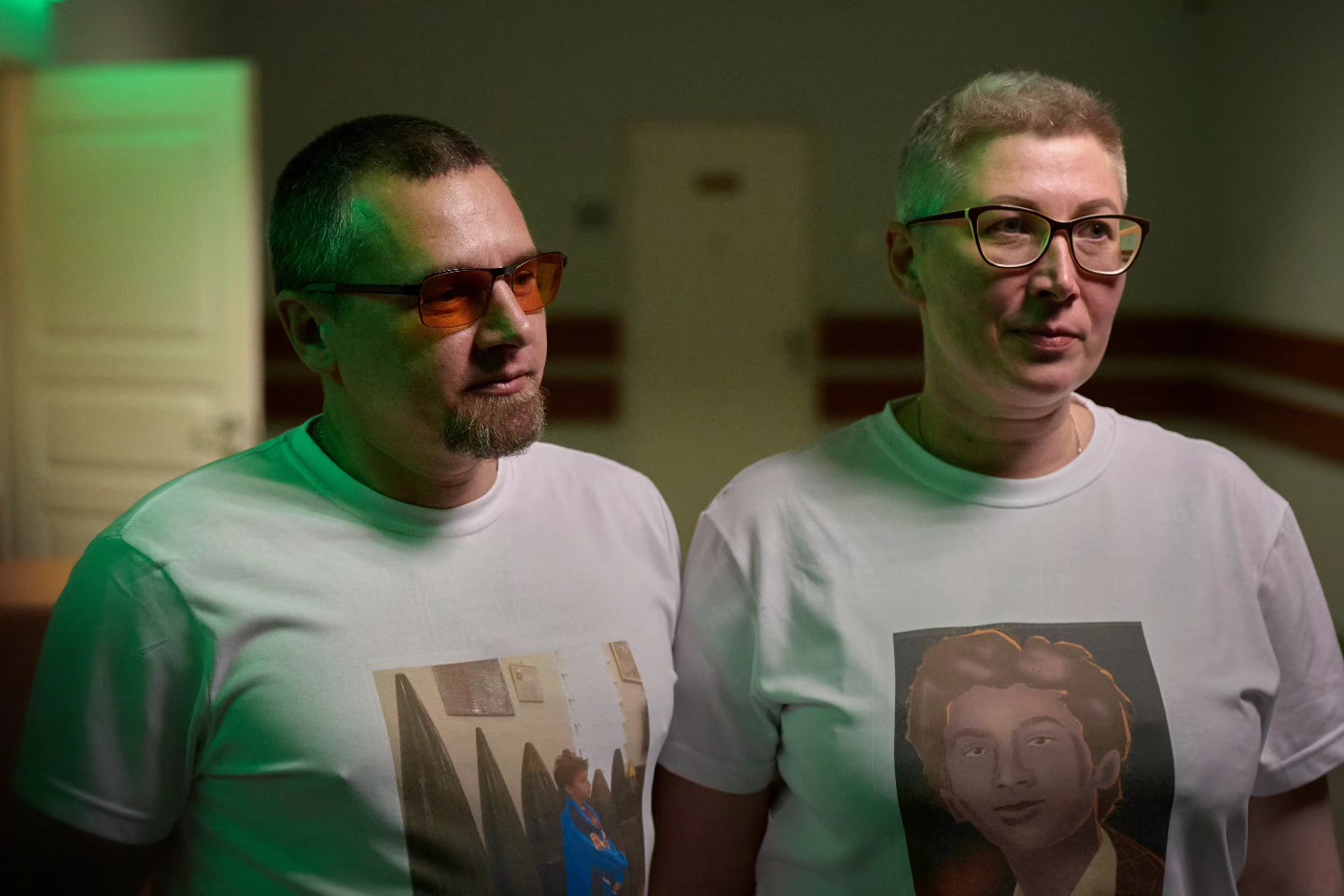
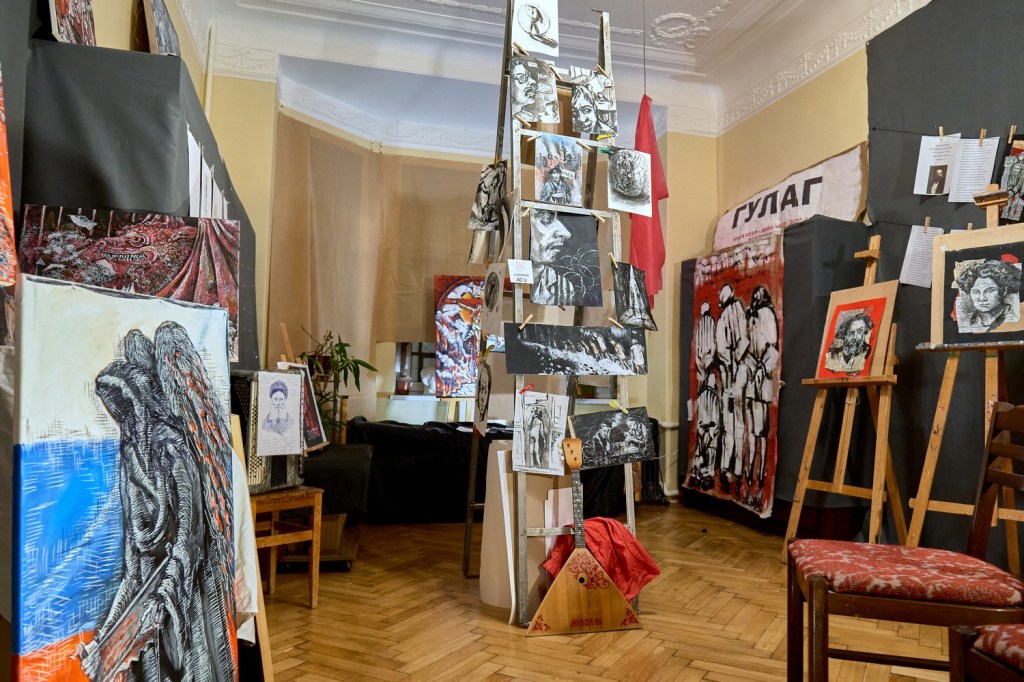
The “underground” exhibition Continuity [Sviaz’ vremen] has been underway in Petersburg since September. The parents of Yuli Boyarshinov, who was convicted in the Network Case, were involved in organizing it.

The exhibition is dedicated to political prisoners. They produced some of the works on display themselves using improvised means while in pretrial detention centers and penal colonies. Poetry readings and art therapy sessions at which postcards for political prisoners are produced also held in the space.

Bumaga visited Continuity and shows here how the exhibition is organized.

The “underground” exhibition opened in September in a private space. The organizers have already planned to close it several times, but people keep coming. “We didn’t think it would last that long. There is even a poetry reading scheduled for Saturday,” Nikolai Boyarshinov, Yuli Boyarshinov’s father, told Bumaga.

Photo: Andrei Bok

The exhibition features works by current political prisoners, including those involved in the Network Case. Some of the works are dedicated to the victims of the Great Terror.

Photo: Andrei Bok

The living room — the main exhibition space — contains paintings by the artist Ad’u. She says that exhibition spaces are reluctant to take her work. “They say, ‘Well, you know,'” she shares with us.

Photo: Andrei Bok

A portrait of Karelian historian Yuri Dmitriev and maps of Sandarmokh hang under the ceiling. Dmitriev was convicted of “sexual violence” against his adopted daughter. He was scheduled to be released in 2020, but the court toughened his sentence from three and a half years in a medium security facility to thirteen years in a maximum security penal colony.

Photo: Andrei Bok

There are paintings dedicated to Alexei Navalny. A protest action with flashlights, which took place in Russian cities on February 14, 2021, is depicted as a flashlight shining into the sky and signaling for help.

Photo: Andrei Bok

One of the paintings alludes to a protest action by Pavel Krisevich: a man on a cross, under whose feet dossiers of political cases burn. Next to it are drawings by Krisevich himself, which he made while in a pretrial detention center, using pieces of a sheet, improvised materials and homemade paints. In October, Krisevich, who had previously spent a year in pretrial detention, was sentenced to five years in a penal colony.

Photo: Andrei Bok

On the walls of the corridor outside the living room there are portraits of the young men convicted in the Network Case and their stories. Drawings by the men themselves are also presented. Nikolai Boyarshinov says that each of the convicts “has begun to draw to one degree or another.”

Photo: Andrei Bok

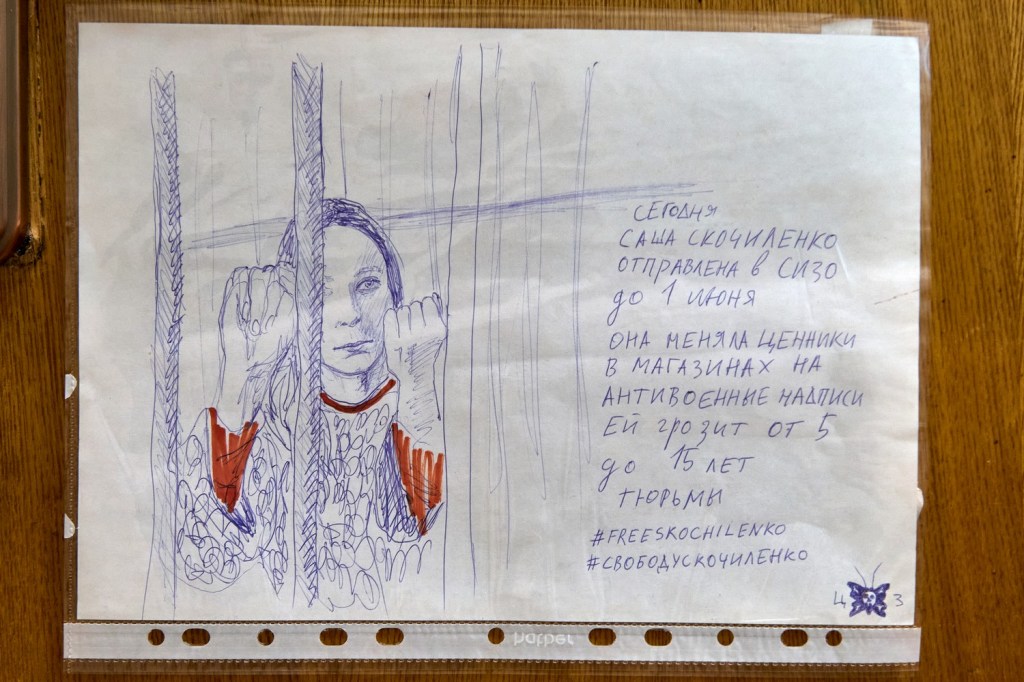
In a closet in the hallway there are drawings by the artist cyanide the angry [tsianid zloi]. Since February, he has been producing one image every day about the war and political crackdown. On the closet doors and inside it there are portraits of Sasha Skochilenko and Seva Korolev, who are charged with “discrediting” the Russian army, Kansk Teenagers Case defendant Nikita Uvarov, and scenes of Navalny in a cell.

“Today, Sasha Skochilenko was remanded in custody until June 1. She replaced price tags in shops [sic] with anti-war messages. She faces 5 to 15 years in prison. #FreeSashaSkochilenko,” Photo: Andrei Bok

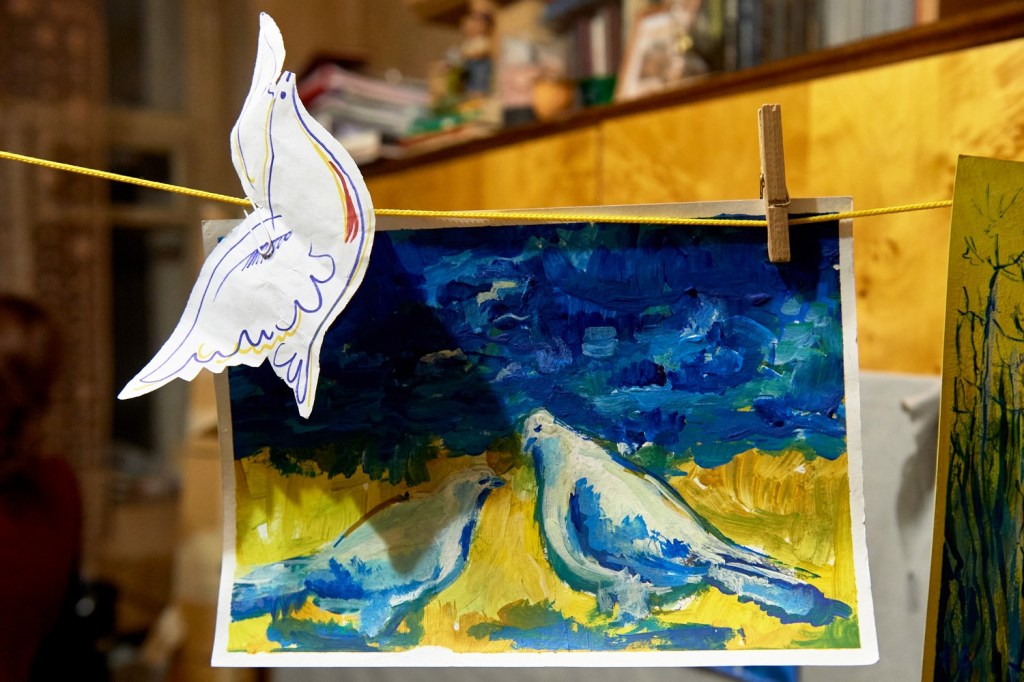
There are also anti-war drawings in the exhibition. They are painted in yellow and blue colors. They were created by Ad’u, who, along with other artists, was detained during a protest rally in April 2022, when she was painting riot police against the backdrop of St. Isaac’s Cathedral.

Photo: Andrei Bok

There is an art therapy group in the space, which has been led by Nikolai Boyarshinov’s wife Tatiana since May. The group’s members make postcards to fight burnout, stress and fear. They then send postcards to political prisoners.

Photo: Andrei Bok
Photo: Andrei Bok
Continue reading “Going Underground (Continuity)”