
To support the channel:
💵 Patreon: https://www.patreon.com/issafourteent…
💵 Buy Me A Coffee: https://www.buymeacoffee.com/1420
Paypal: 💵 https://www.paypal.me/daniil1420
PayPal email: issafourteentwenty@gmail.com
PayPal name: Daniil Orain
Cryptocurrencies:
🪙 ETH: 0x1F7402dE513afDB5906a174eF22C7030D19651DF
🪙 XTZ: tz1TPqCAiUP7X8YGLqWrN2K1LVK9vmeEsrCE
🪙 TRON: THeaev1R5fHLkqJPPnJG561WadH1nAThTu
🪙 BTC: bc1qvns4pkvcs6hzktpcnudvgz5sr06u7phwhej0cg
🧑 Brought to you by: https://www.instagram.com/daniilorain
✉️ Business: hello@1420.today
🧢 1420 clothes and accessories: https://1420.store/
Source: 1420 by Daniil Orain (YouTube), “Do you support Putin? 100 Russians,” 28 January 2023. A huge thanks to Tiina Pasanen and Outi Salovaara for the heads-up.
Source: 1420 by Daniil Orain (YouTube), “Should we give back Karelia to Finland, Kaliningrad to Germany and the Kurils to Japan?” 6 February 2023. Thanks to Tiina Pasanen for the heads-up.
Source: 1420 by Daniil Orain (YouTube), “Have you seen this recent photo of Navalny in jail?” 9 February 2023. Thanks to Tiina Pasanen for the heads-up.
You can support 1420 by buying merch here or donating money via the platforms listed above. ||| TRR
Source: 1420 by Daniil Orain (YouTube), “What young Russians in Saint Petersburg think about Putin?” 10 January 2023. Thanks to Outi Salovaara for the heads-up.
My name is Daniil Orain. I’m a YouTuber from Russia, and I run the channel 1420. In my videos, I try to create a montage of everyday Russians and a transparent representation of what they believe.
Since the start of the conflict in Ukraine, people from all over the world have come to my channel to try and understand how Russians think.
Before I started the channel about 2 years ago, I had some skewed thoughts about the world.
At the time, I was working as a software engineer with a three-hour commute, and my perspectives changed when I began to watch on-the-street interviews with people in faraway cities during those rides. Those videos showed me how people from different places and cultures thought, and they played a big part in my self-education.
I started to wonder: Why isn’t there something like this on YouTube but with people from Russia, like me? That’s when my friend and I created 1420.
People often ask me for the story behind the channel’s name, but there’s no secret meaning. It’s just the name of the school we went to together. Our whole goal with the channel was to go out on the streets of Moscow and ask people questions that interested us — things like, “Do you believe in God?” or, “What do you think about Americans?”
When the conflict in Ukraine began, we suddenly saw a huge increase in viewers.
Our increase came from around the world — not just Europe and America, which had been our main audience. With the increase in viewership, I decided to double down and try to publish videos daily.
I hired some people to help. My team of six includes editors, translators, and someone in Moscow who asks the questions. Recently, we’ve asked things like: “What do you think about Ukrainian President Volodymyr Zelenskyy?” “Do you want Ukraine to become part of Russia?” and “Are you feeling the sanctions now?“
To get enough material for a full video, we have to ask a large number of people. Given the nature of our topics at the moment, a lot of people decline to participate.
When shooting the Zelenskyy video, for example, we had 124 people decline to answer. Only 28 people agreed. Even when they do agree, they often hold back from giving their full thoughts.
Making these videos is risky, but we haven’t had any problems so far.
Unlike with TikTok and Instagram, access to YouTube is still normal in Russia. In the videos, I’ve always muted certain words (but kept the subtitles) to avoid censorship.
For example, you’re not allowed to say “war” when referring to the situation in Ukraine. We have to say “secret operation” instead. So if someone does say “war,” we mute that word.
Some people in the comments have accused me of being a Russian propaganda channel, so I’ve had to find new ways to show that I’m not. For example, in one recent video, we blurred the faces and changed the voices of the people in it so that they could be honest without fear of repercussions. Also, we started showing longer continuous clips of the interviews so that the viewers didn’t think we purposely cut them to tell a certain narrative.
I have seen a change in how people view not only our channel since the war started — but also our participants.
Just recently, the comments on my YouTube videos said things like, “Russians are just like us.” But as the situation in Ukraine has progressed, they now tend to be more like: “Russians are brainwashed.”
I’m glad people are watching the videos because I know from my experience how helpful YouTube can be. We’re lucky to be able to learn online.
You’ll notice that in my videos, there’s a pretty clear divide between the answers coming from people who grew up in Soviet times and the younger people. When the older generations were growing up, they got their education only from books or teachers — they didn’t have access to the world like people my age do. The position that I’m in, running this channel, wouldn’t have even existed back then.
Today, you can learn things from websites, videos, and even comments.
Just last week, on one of my own videos, one viewer wrote: “You are not scared, not because you are fearless, but because you just haven’t been scared yet.”
That blew my mind. I know what I’m doing is risky, but maybe I don’t feel worried about it because I’ve never actually been that worried. But at the same time, I’m just the storyteller. A lot of people direct-message me asking for my opinion on various topics, but I don’t answer them.
I see my role as being the person who helps tell people’s stories, and I’ll continue to do so to show how and what Russians feel.
Source: Stefano Montali, “I interview everyday Russians on YouTube. Viewers think we’re brainwashed — I’m trying to show we’re not,” Business Insider, 19 April 2022. Since this interview, Mr. Orain has fled the country, apparently, although he was just as apparently still in Russia two or so months ago. In October of last year, Neil’s Commonplace Book profiled Mr. Orain and tried to determine his whereabouts in the wake of the “partial” mobilization. ||| TRR
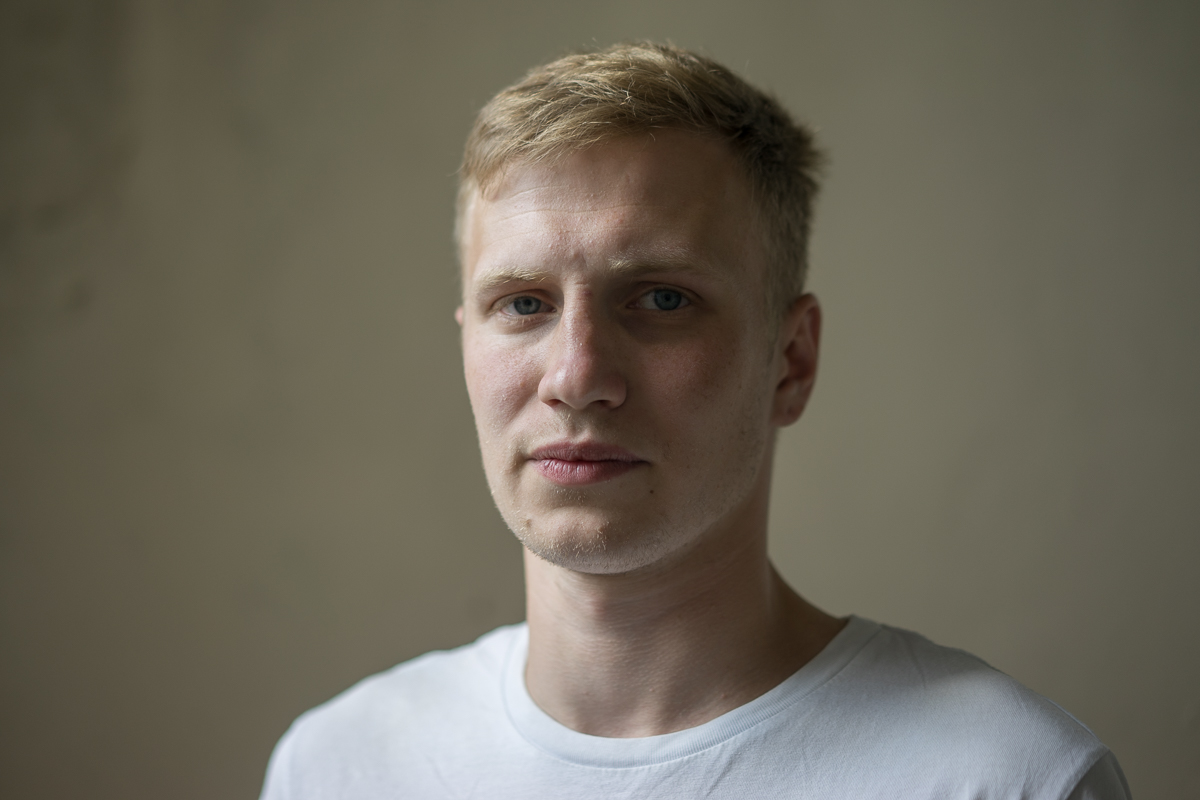 Viktor, 21, student and programmer. “Ideally, I would like to see all the candidates who were illegally barred put on the ballot and the Moscow City Duma dissolved, respectively. That would make sense to all of us.”
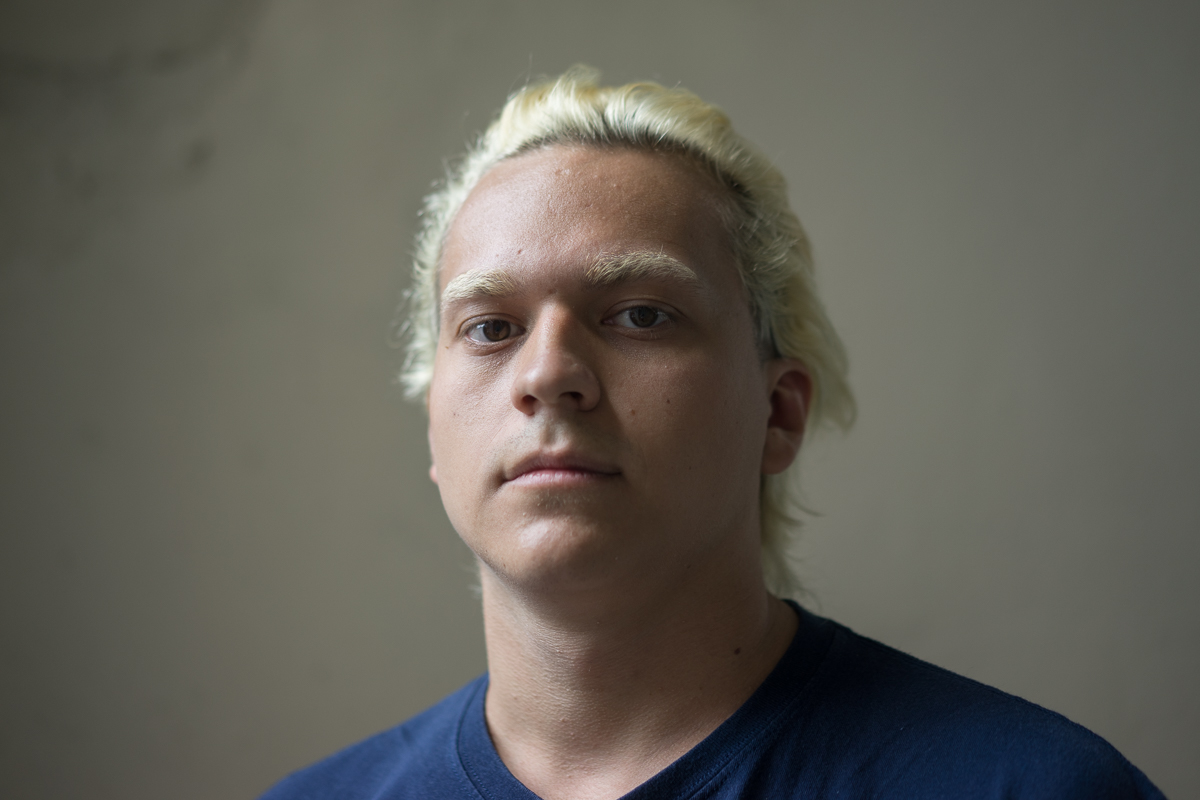 Mikhail, 23, web developer. “I came here to support
 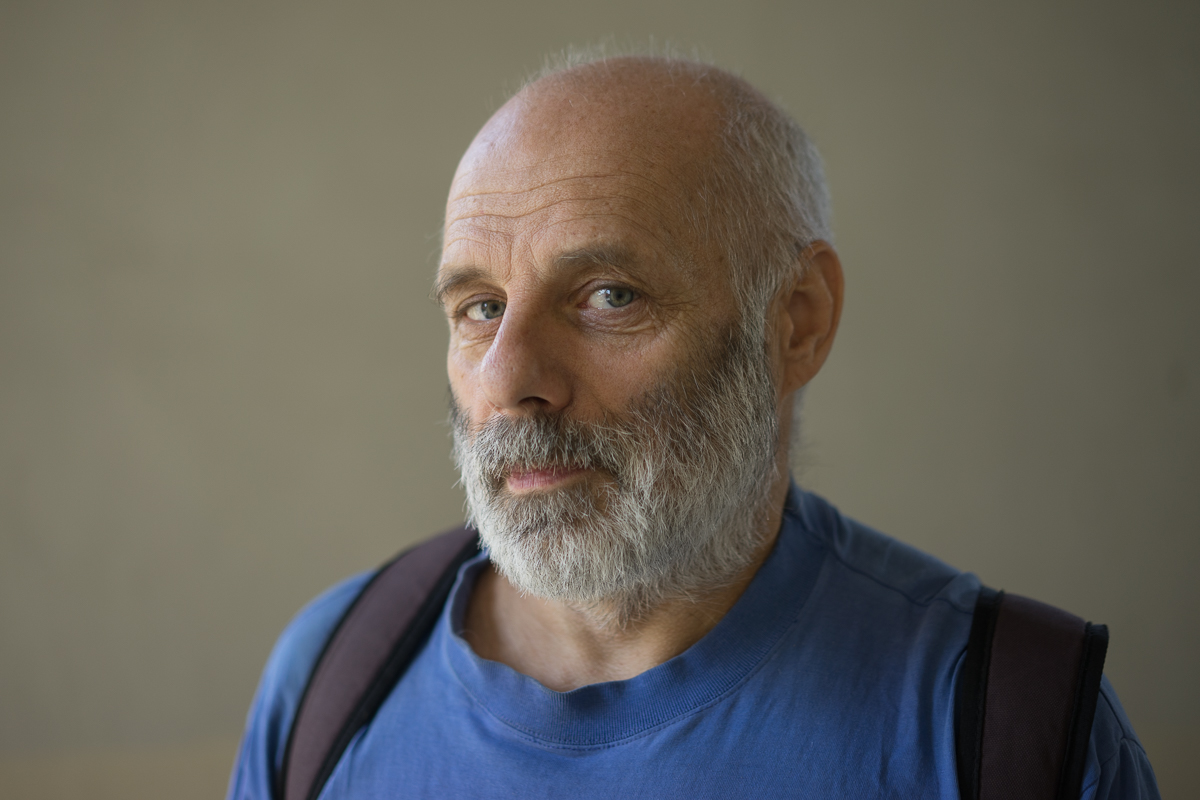 Vadim, 61, retired doctor. “I wanted to hear the barred candidates speak and support them, and defend our rights, which have been violated. A criminal offense has been committed and we must get to the bottom of it.”
 Ilya, 21, artist. “First of all, I would like to stop the lawlessness directed at the populace, the continuing poverty, arrests, and prison sentences. We need to see justice done and hold fair elections so the so-called government stops pushing us around. Because a country is not a bunch of people but a nation.”
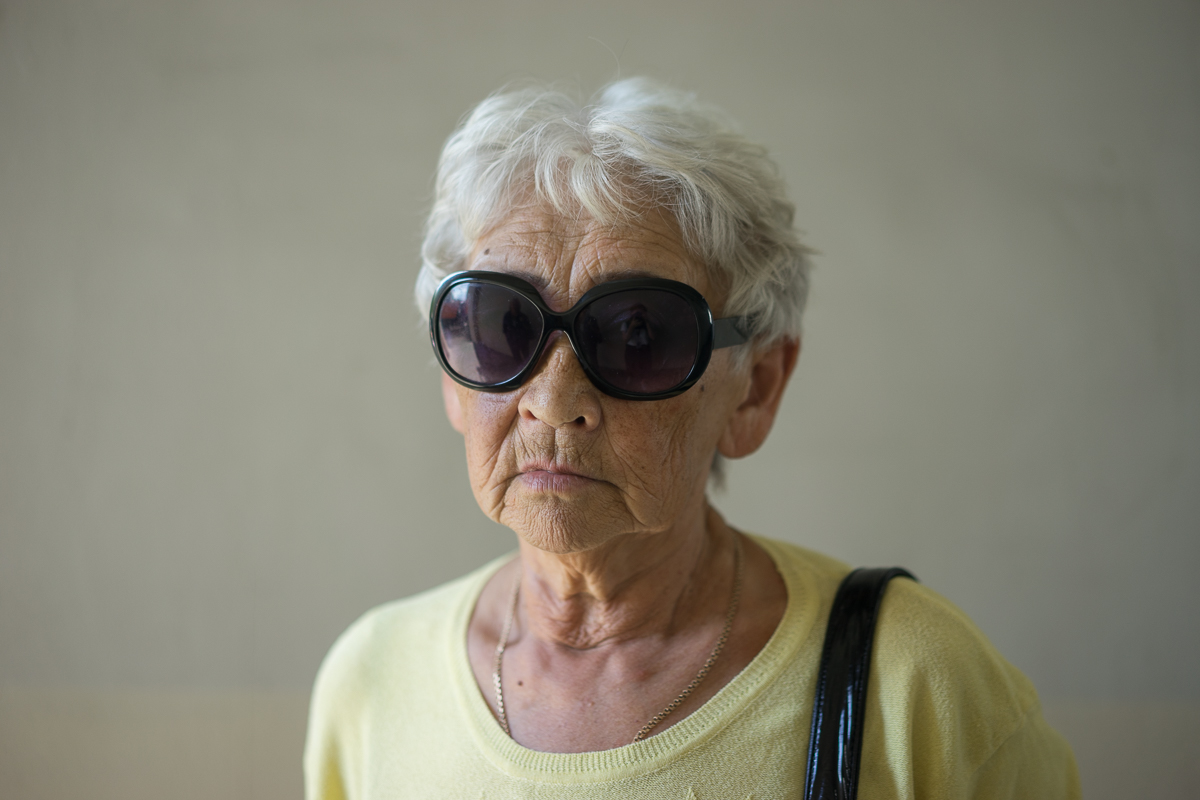 Klara, 75, retired engineer and metallurgist. “We came specially to defend our candidate,
  Marina, 56, psychology lecturer. “We basically cannot change anything at the moment. We are merely showing them we exist because it is impossible to change anything now. But everything will change after a while. When they see we are here, they take us into account.”
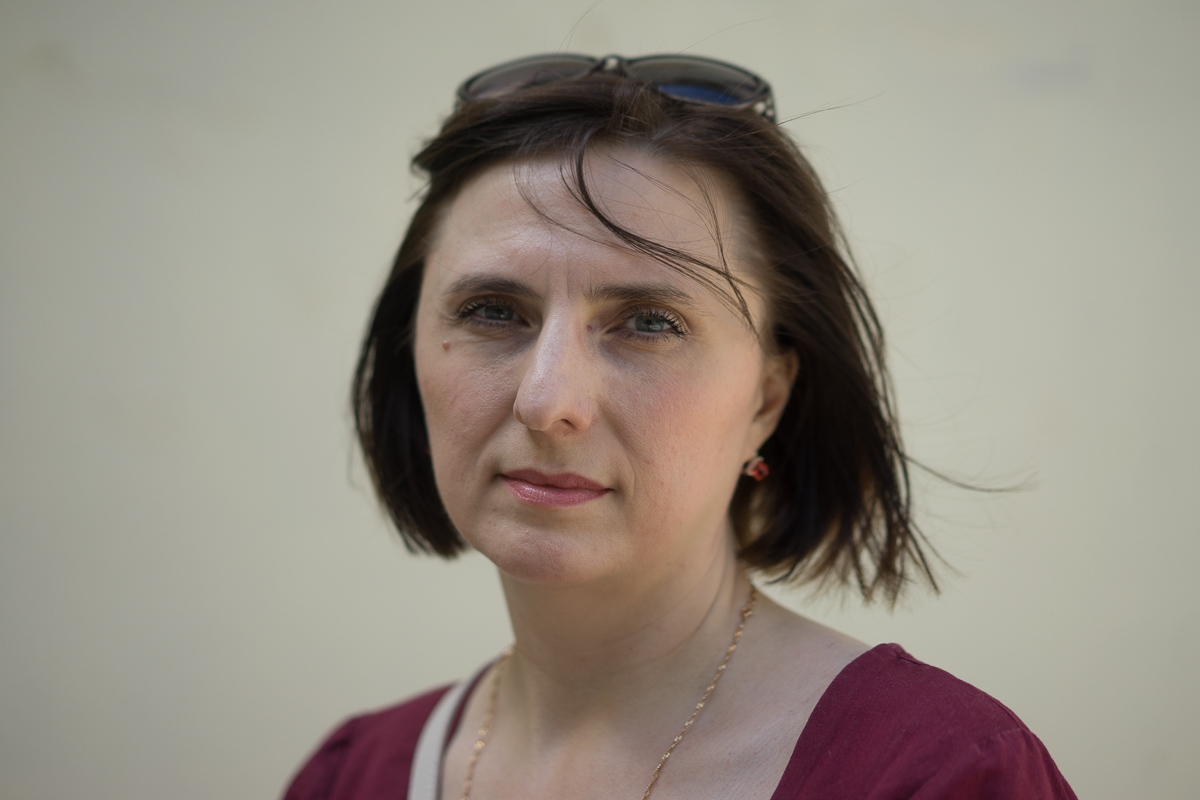 Yulia, 42, chief accountant. “I am here to get the candidates who met the legal requirements onto the ballot. We want to see an end to the manipulations, violations, and planting of drugs on people. We just want the laws to be obeyed. I want to be able to go to court and defend my rights.”
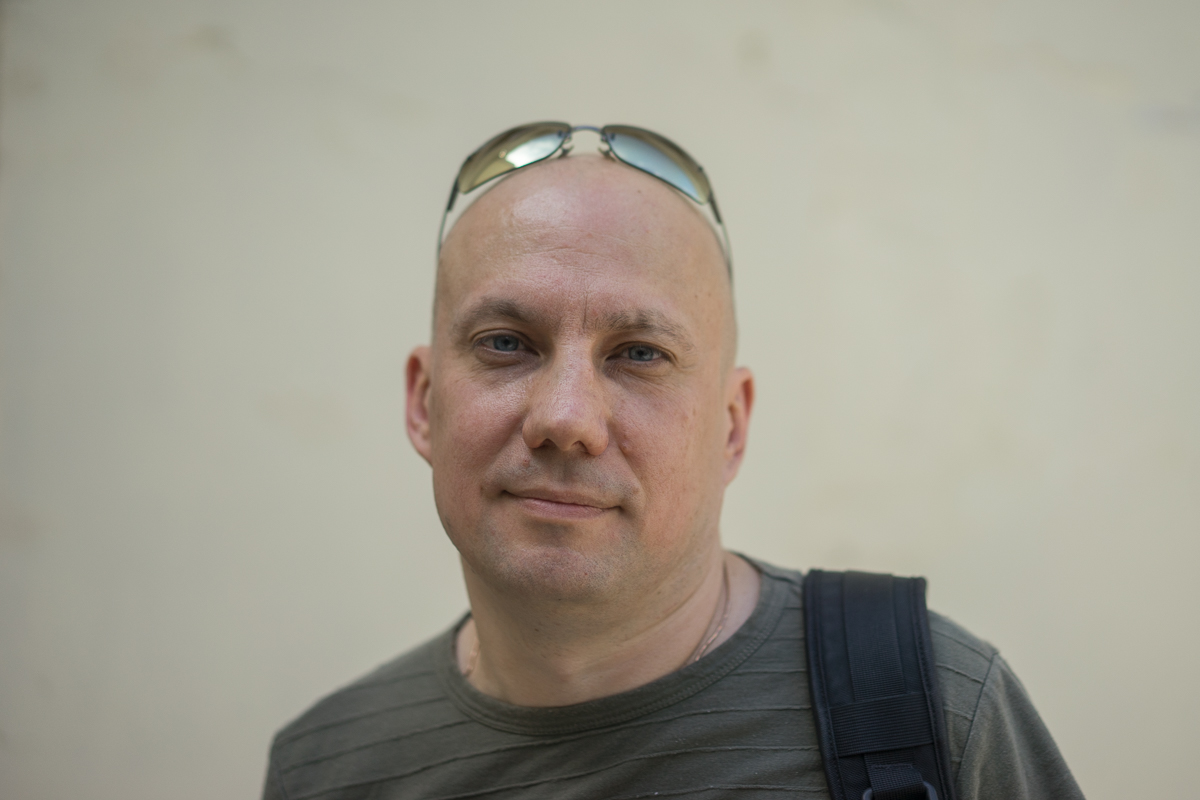 Andrei, 43, technical consultant. “It is the only thing left to us: we cannot do anything else. If we stay at home and ‘strike,’ we could die and no one would care. People have to take to the streets around the world. Otherwise, if you are not seen you are not heard. The prosecutor’s offices, courts, and police do not do their jobs. All the state agencies send formal replies or do not respond at all when you complain to them.”
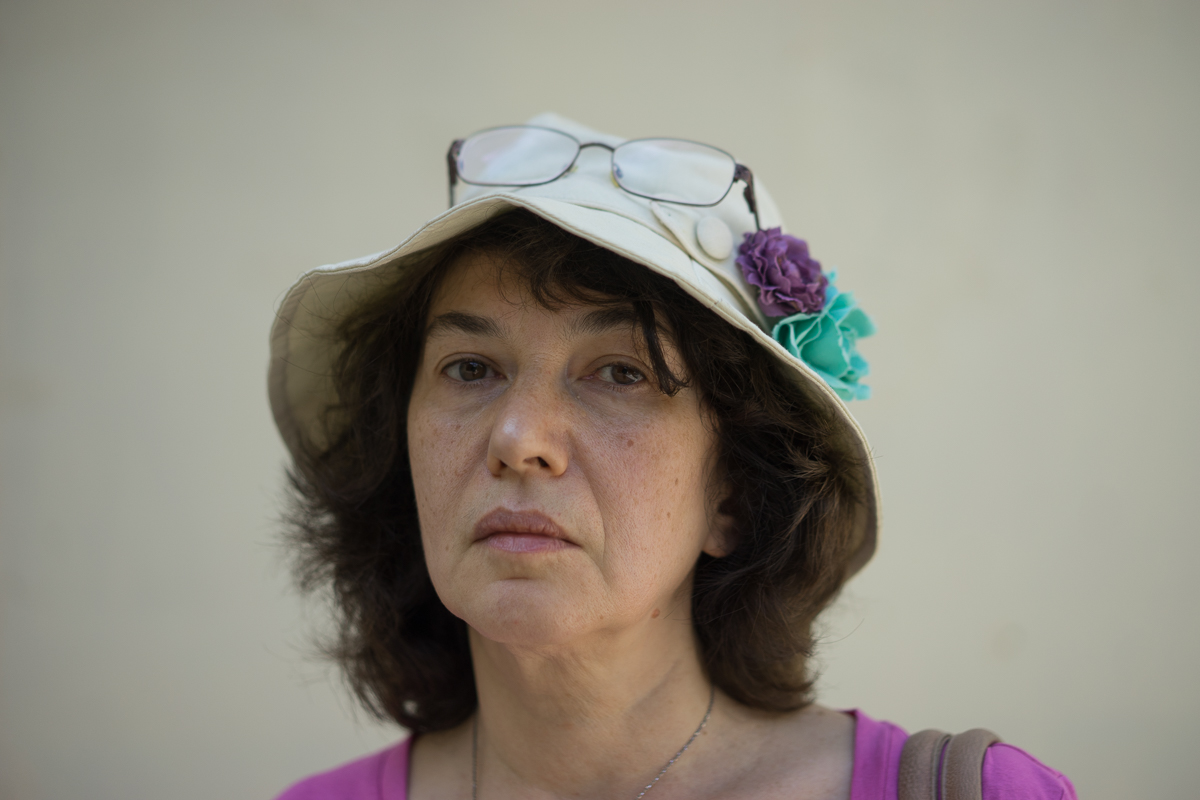 Vera, 56, oil geologist. “We have a problem with infill construction, but our candidate,
 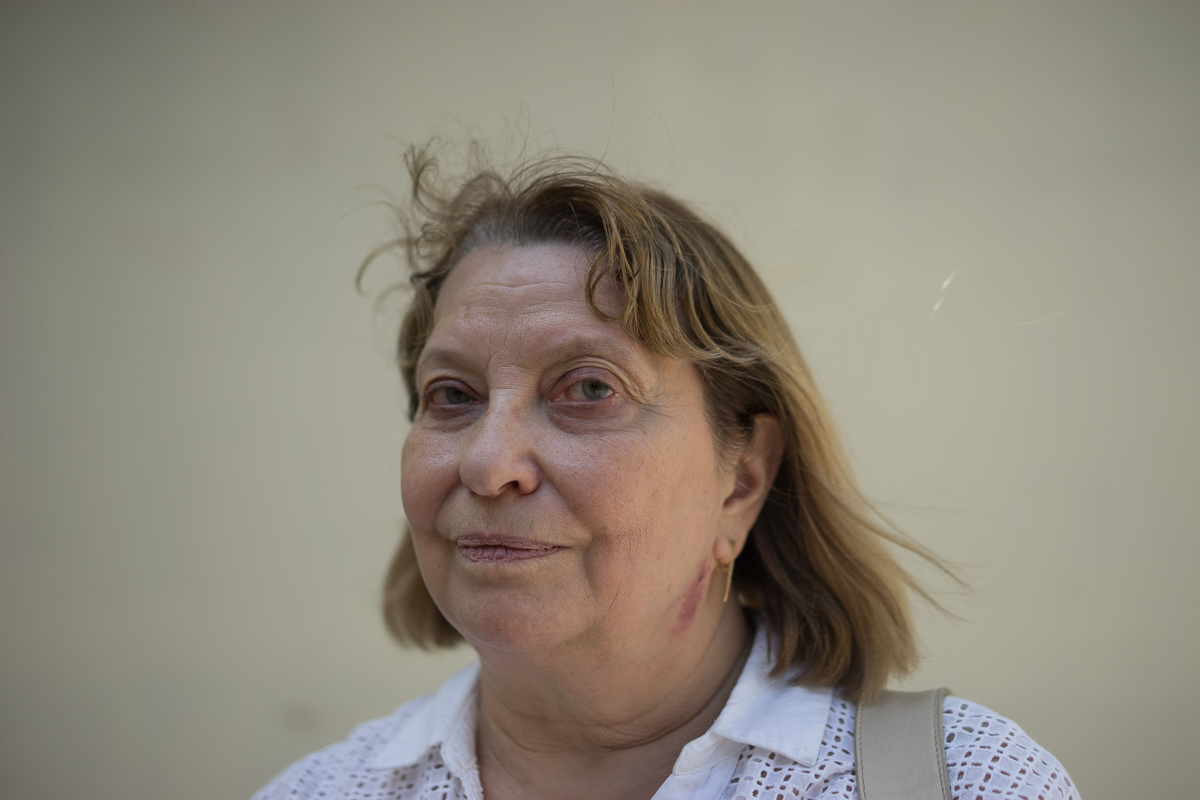 Natalya, 62, manager. “We lived in a nice green neighborhood. I was apolitical, but suddenly we were surrounded by construction sites, fences, sidewalks, and paving stones. They have been expropriating green spaces and cutting down trees. Candidates willing to fight against this are barred from holding political office. My mom is 94 years old. She survived the Siege of Leningrad. She does not leave the house anymore, but she told me I definitely had to come to this rally. Otherwise, she said, my children would live in a police state.”
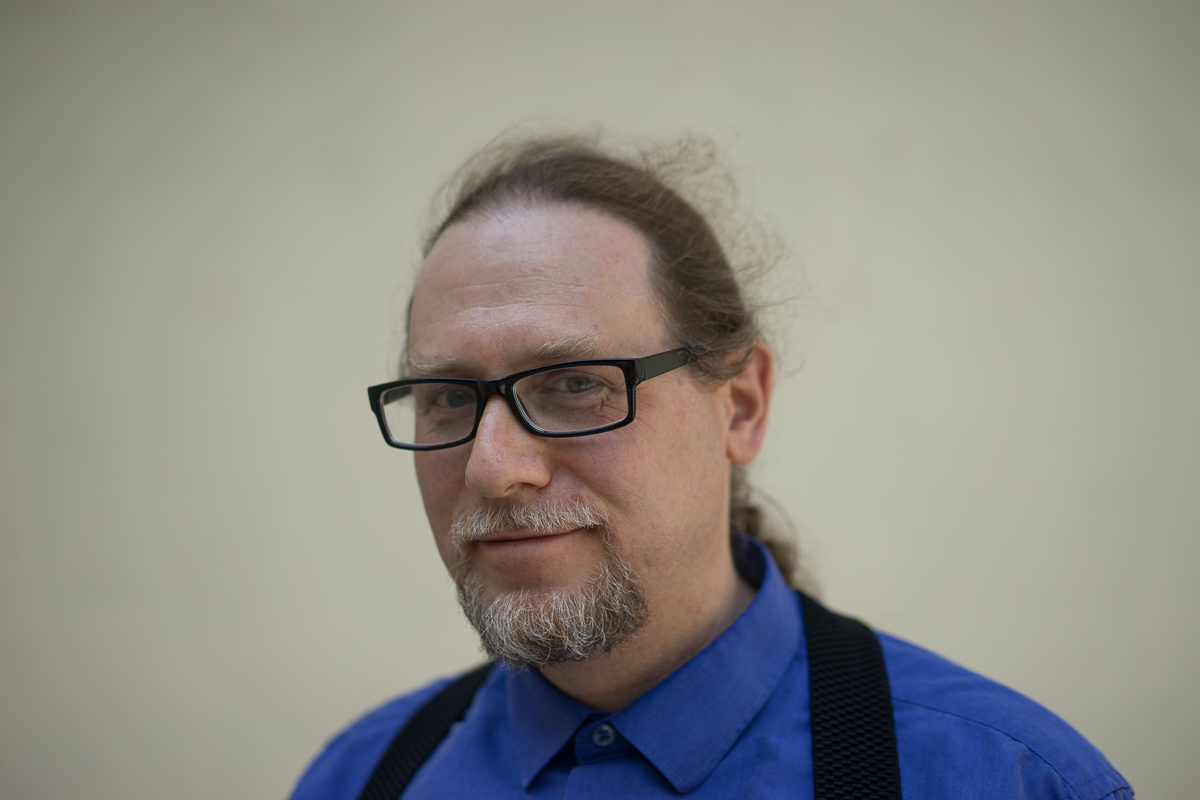 Alexander, 44, activist: “I filed a complaint with the European Court of Human Rights because my building has slated for [Moscow Mayor Sobyanin’s massive residential building]
 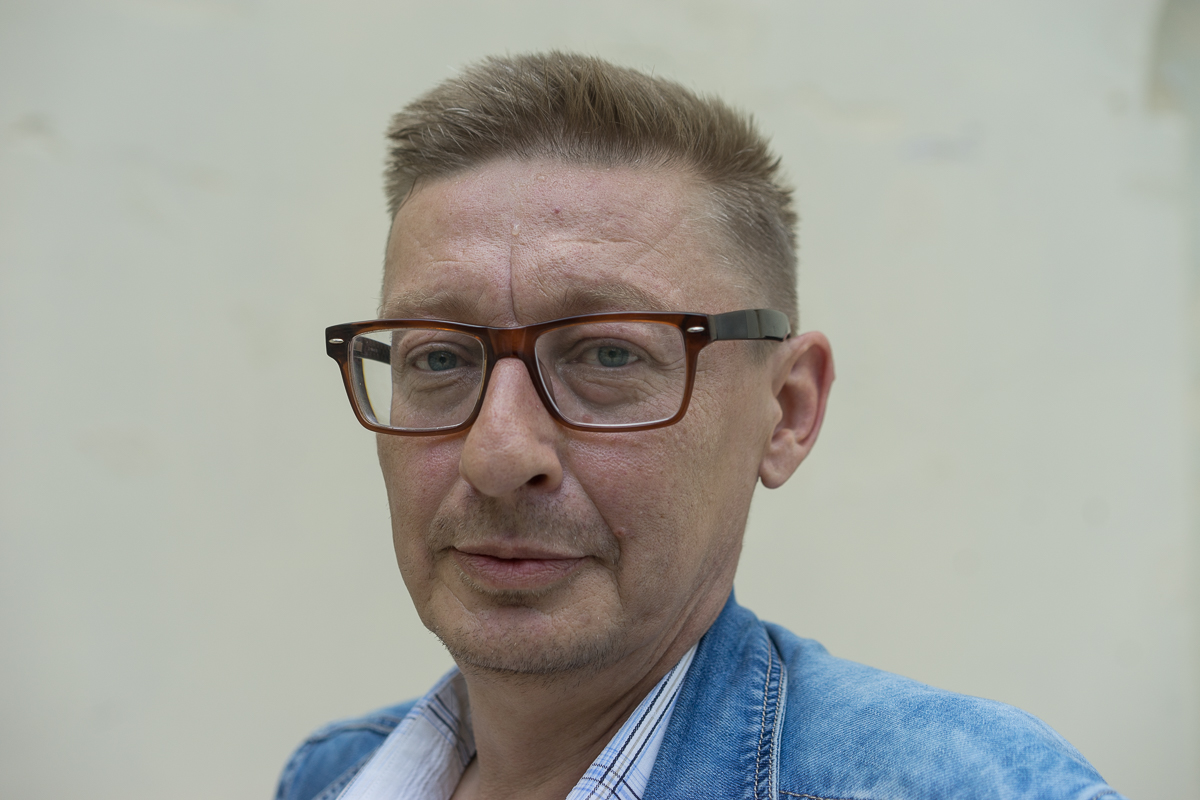 Anatoly, 48, programmer: “I came to the rally as part of a social experiment. I am not much interested in showdowns over who gets on the city council. I have more grudges against the current regime than everyone else here combined, but people are fighting for cosmetic changes. Even if [independent] candidates get on the ballot, I don’t believe improvements will follow. The regime has no feedback from the populace, but I don’t think protest rallies can solve the problem.”
 Svetlana Prokopieva. Courtesy of