
Experts Disagree on Effectiveness of Smart Voting: Some Candidates Recommended by Navalny Could Win, But the Strategy Has Split the Opposition
Yelena Mukhametshina and Svetlana Bocharova
Vedomosti
September 4, 2019
On Tuesday, politician Alexei Navalny published on his website a list of candidates running in the elections to the Moscow City Duma, scheduled for this Sunday, September 8, whom he has recommended for “smart” voters. They are invited to visit the website and enter their home address to see the name of the recommended candidate in their voting district.
The list covers all forty-five voting districts in Moscow and includes thirty-three Communist Party candidates, five candidates from A Just Russia, all three Yabloko Party candidates who have been allowed to stand in the elections, and one independent candidate.
In particular, in District 5, where ex-MP Dmitry Gudkov was not allowed to stand, Navalny has recommended voting for Anastasia Udaltsova (Communist Party). In District 37, where the Yabloko candidate, Elena Rusakova, was disqualified, he urged voters to cast their ballots for Nikolai Gubenko (Communist Party), the Moscow City Duma’s incumbent deputy chair. In District 43, where Lyubov Sobol, a lawyer at Navalny’s Anti-Corruption Foundation, was not allowed to run, he advised people to vote for Yabloko candidate Sergei Mitrokhin. Finally, in District 45, where Ilya Yashin, head of the Krasnoselsky Municipal District Council was disqualified, Navalny has recommended supporting Magomet Yandiyev from A Just Russia.
The smart voting strategy argues that opposition-minded Muscovites should vote in a consolidated manner for the recommended candidates in order to prevent as many covert and overt United Russia party candidates and other pro-regime candidates from being seated in the City Duma as possible. The idea is to seat forty-five different MPs in the City Duma.
As Navalny explained, “Five or six will be okay, one to three will be just great, and the rest won’t be from United Russia, at least.”
All of United Russia’s candidates and candidates supported by the mayor’s office are running as independents in the current elections. As our sources close to the mayor’s office and the party explained to us earlier, this was due to United Russia’s low popularity ratings in the capital.
On Tuesday, TV Rain quoted Valery Rashkin, leader of the Moscow branch of the Communist Party, as saying they intended to welcome Navalny’s call to vote for Communists in most of Moscow’s voting districts. When he was asked how the party’s national leadership would react, Rashkin said the Moscow branch was independent.
Political scientist Yevgeny Minchenko pointed out there were candidates in Navalny’s list who already had a good chance of winning. It was doubtful, he argued, whether Navalny’s recommendations would have a direct, large-scale impact on their vote tallies.
“The number of activists who are willing to respond to Navalny’s recommendations is not great,” Minchenko said.
In addition, there was the question of how to measure the effectiveness of the recommendations since it would be impossible to establish reliably why people voted the way they did, argued Mincheko.
The situation was a delicate one for the Communists, he noted.
“They have been trying to tune Navalny out any way they can,” he said.
Since the Communists were stronger electorally than Navalny, it was more advantageous to him to enlist them as his ad hoc allies.
Minchenko did not expect the regime to crack down on the candidates recommended by Navalny.
Judging by the attention rank-and-file voters have been paying to the current showdown, according to Levada Center polls, smart voting could prove to be the kingmaker in most voting districts, political scientist Abbas Gallyamov argued.
“People are wound up, not so much because of the refusal to register opposition candidates, but because of the aggressive actions of the security forces. The percentage of voters who show up to the polls as a way of voicing their protest will be quite high,” he said.
Many of the candidates supported by Navalny were not at loggerheads with the regime, but neither were they “regime people,” Gallyamov added.
“As soon as they feel they have the backing of real voters, especially protest voters, they will quickly become self-sufficient and the authorities will have to negotiate with each of them,” he said.
Smart voting had split the opposition, separating its more radical members from the moderates, noted political scientist Alexei Makarkin.
“The more radical politicians have the same principle: the worse things are, the better. If a Stalinist ends up in the Moscow City Duma, that would be okay, too. In reality, however, such people are usually quickly co-opted by the regime,” he said.
Besides, Makarkin said, Dmitry Gudkov and Mikhail Khodorkovsky had published their own lists of recommended candidates.
“Smart voting has not helped consolidate the opposition. It has generated more conflict among people whose relations were already far from sunny,” he said.
In addition, there were problems with specific candidates recommended by Navalny. For example, his list included Leonid Zyuganov, grandson of regime loyalist and Communist Party leader Gennady Zyuganov, said Makarkin.
Navalny’s recommendations would not do the Communist Party any harm, nor did Makarkin anticipate crackdowns against the party members on his list.
Image courtesy of Back in River City. Translated by the Russian Reader
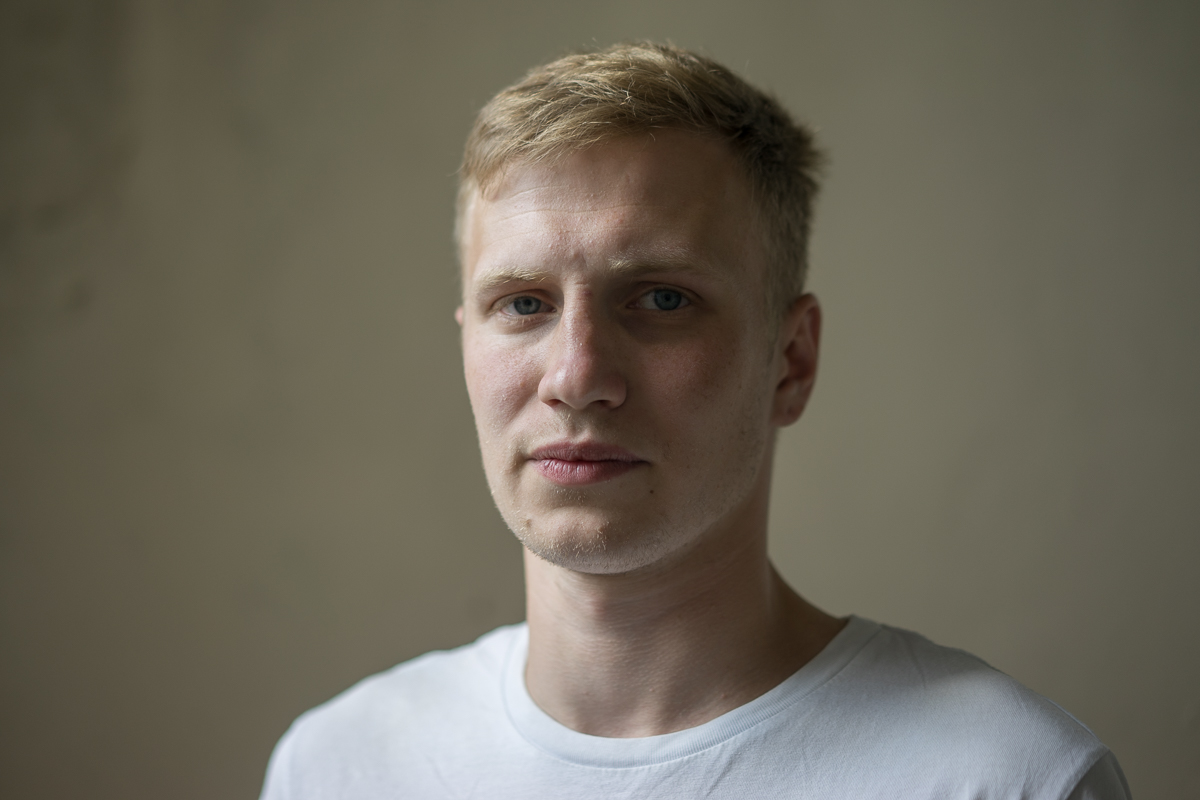 Viktor, 21, student and programmer. “Ideally, I would like to see all the candidates who were illegally barred put on the ballot and the Moscow City Duma dissolved, respectively. That would make sense to all of us.”
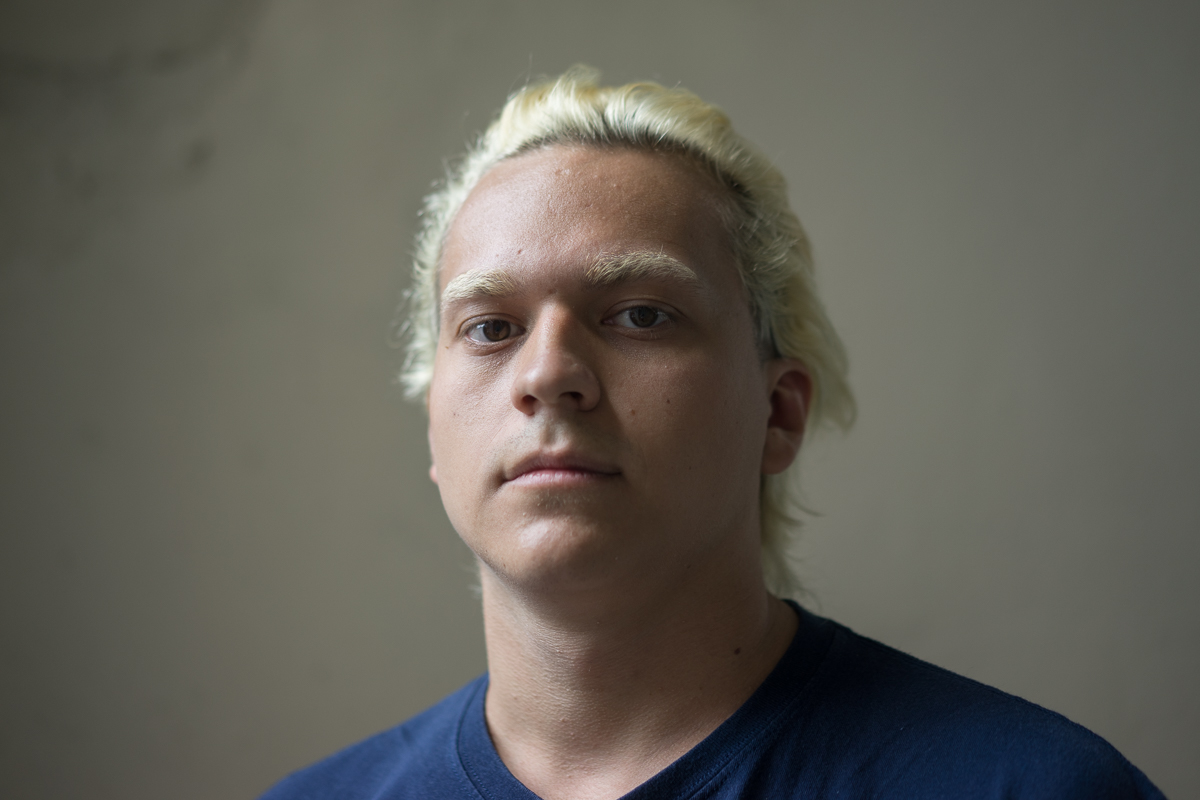 Mikhail, 23, web developer. “I came here to support
 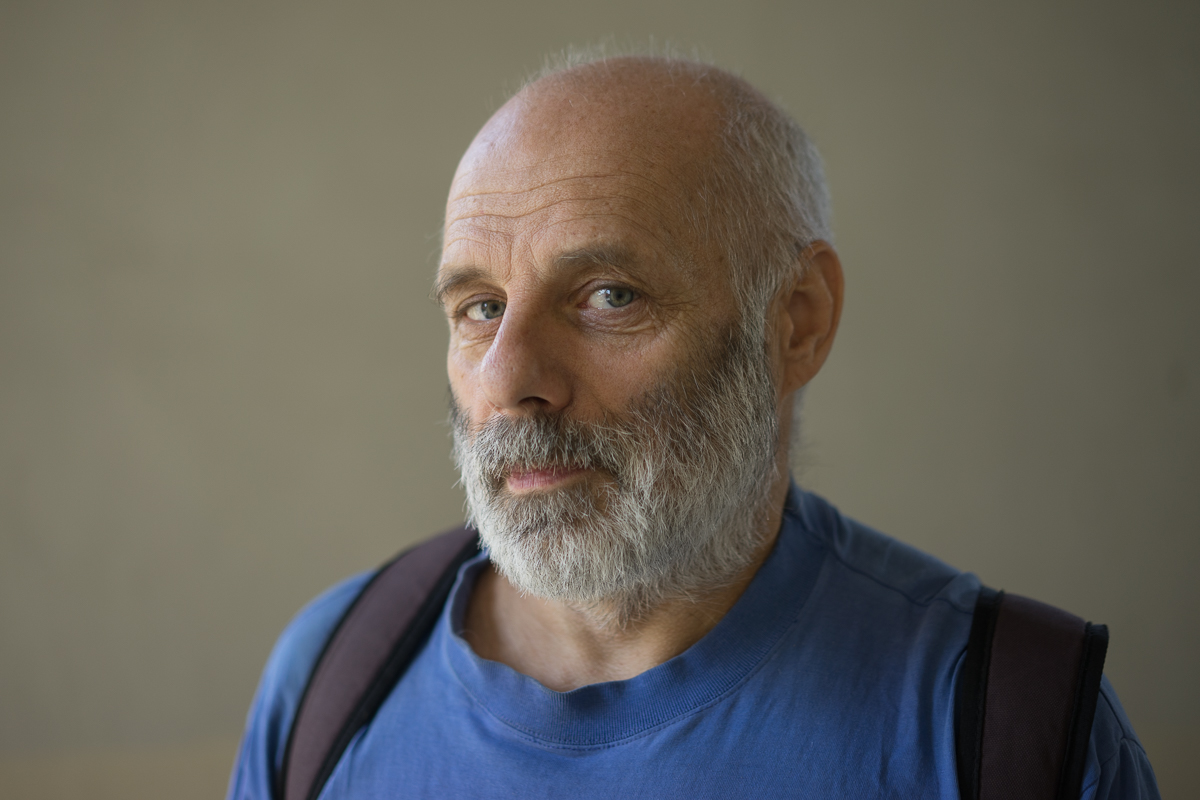 Vadim, 61, retired doctor. “I wanted to hear the barred candidates speak and support them, and defend our rights, which have been violated. A criminal offense has been committed and we must get to the bottom of it.”
 Ilya, 21, artist. “First of all, I would like to stop the lawlessness directed at the populace, the continuing poverty, arrests, and prison sentences. We need to see justice done and hold fair elections so the so-called government stops pushing us around. Because a country is not a bunch of people but a nation.”
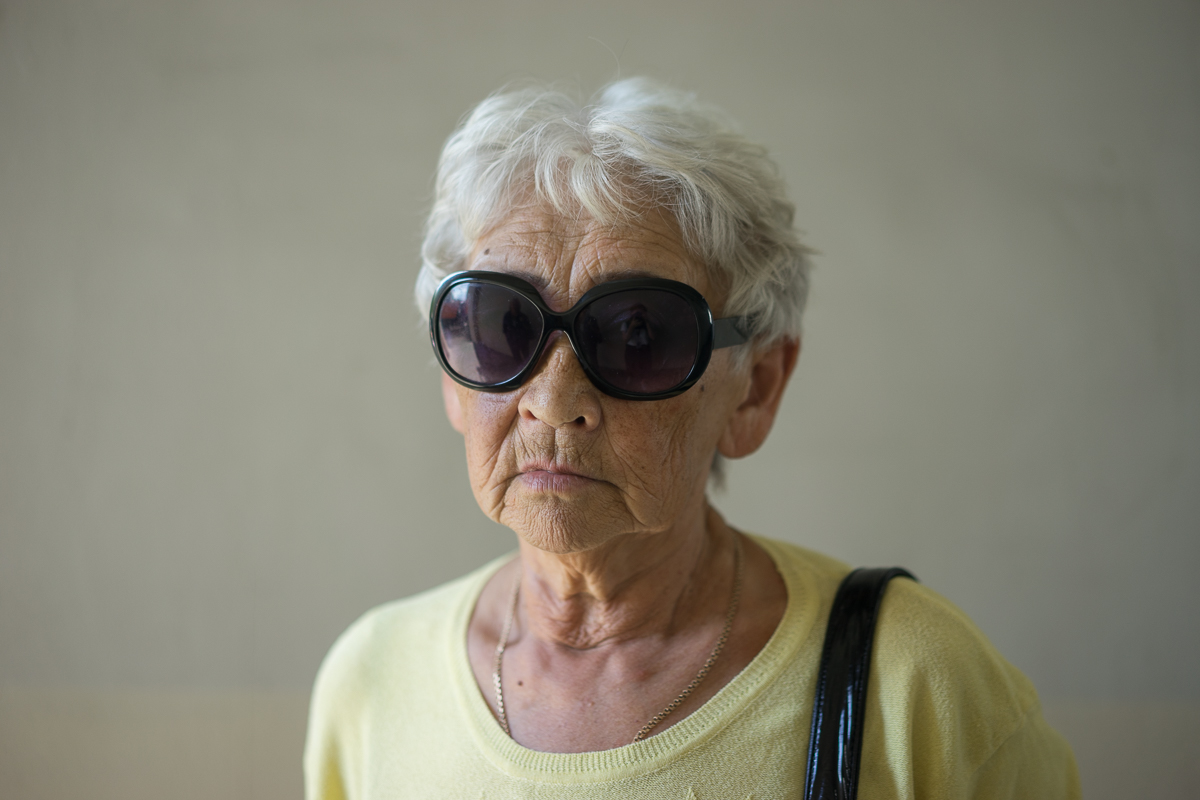 Klara, 75, retired engineer and metallurgist. “We came specially to defend our candidate,
  Marina, 56, psychology lecturer. “We basically cannot change anything at the moment. We are merely showing them we exist because it is impossible to change anything now. But everything will change after a while. When they see we are here, they take us into account.”
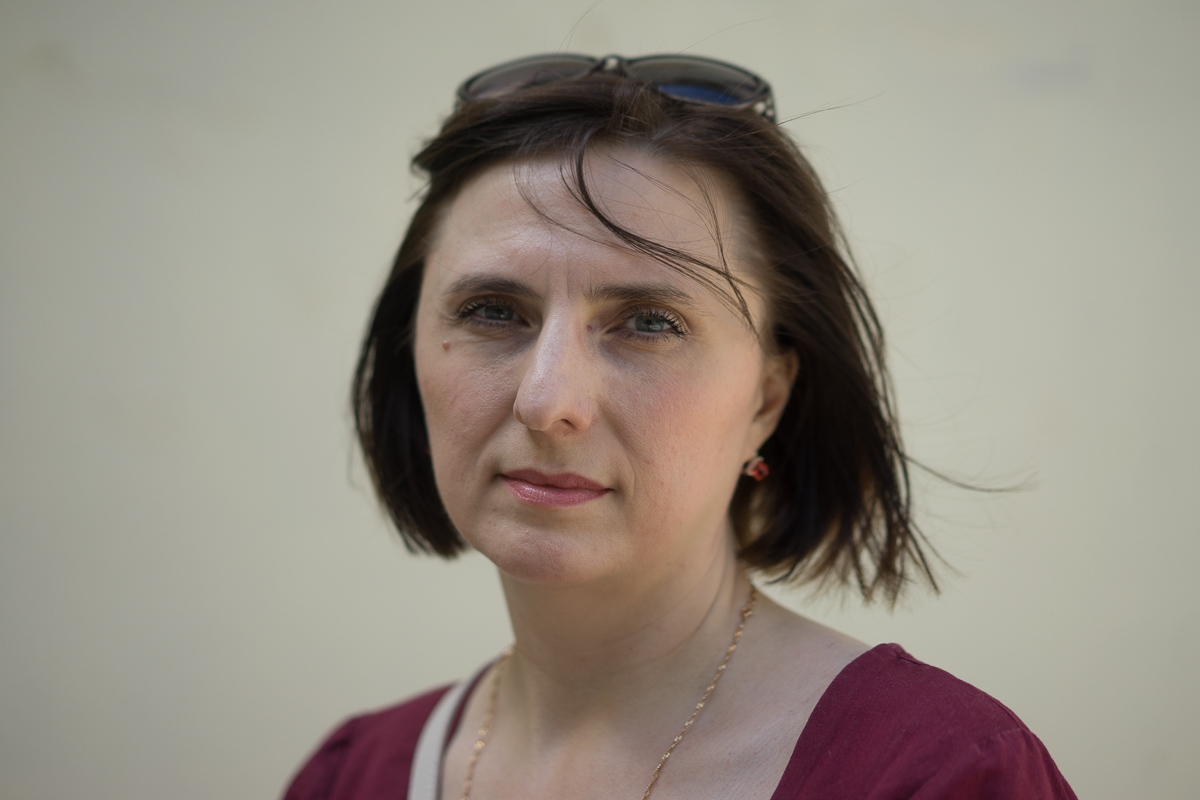 Yulia, 42, chief accountant. “I am here to get the candidates who met the legal requirements onto the ballot. We want to see an end to the manipulations, violations, and planting of drugs on people. We just want the laws to be obeyed. I want to be able to go to court and defend my rights.”
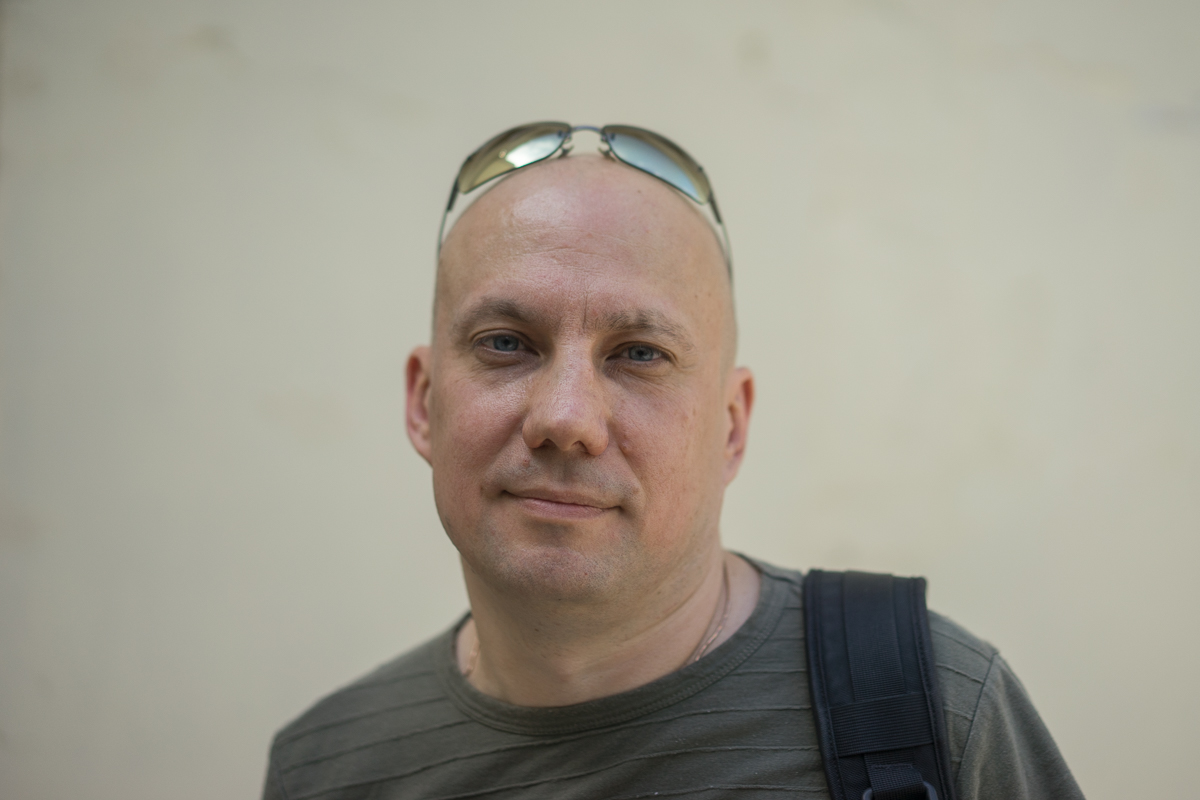 Andrei, 43, technical consultant. “It is the only thing left to us: we cannot do anything else. If we stay at home and ‘strike,’ we could die and no one would care. People have to take to the streets around the world. Otherwise, if you are not seen you are not heard. The prosecutor’s offices, courts, and police do not do their jobs. All the state agencies send formal replies or do not respond at all when you complain to them.”
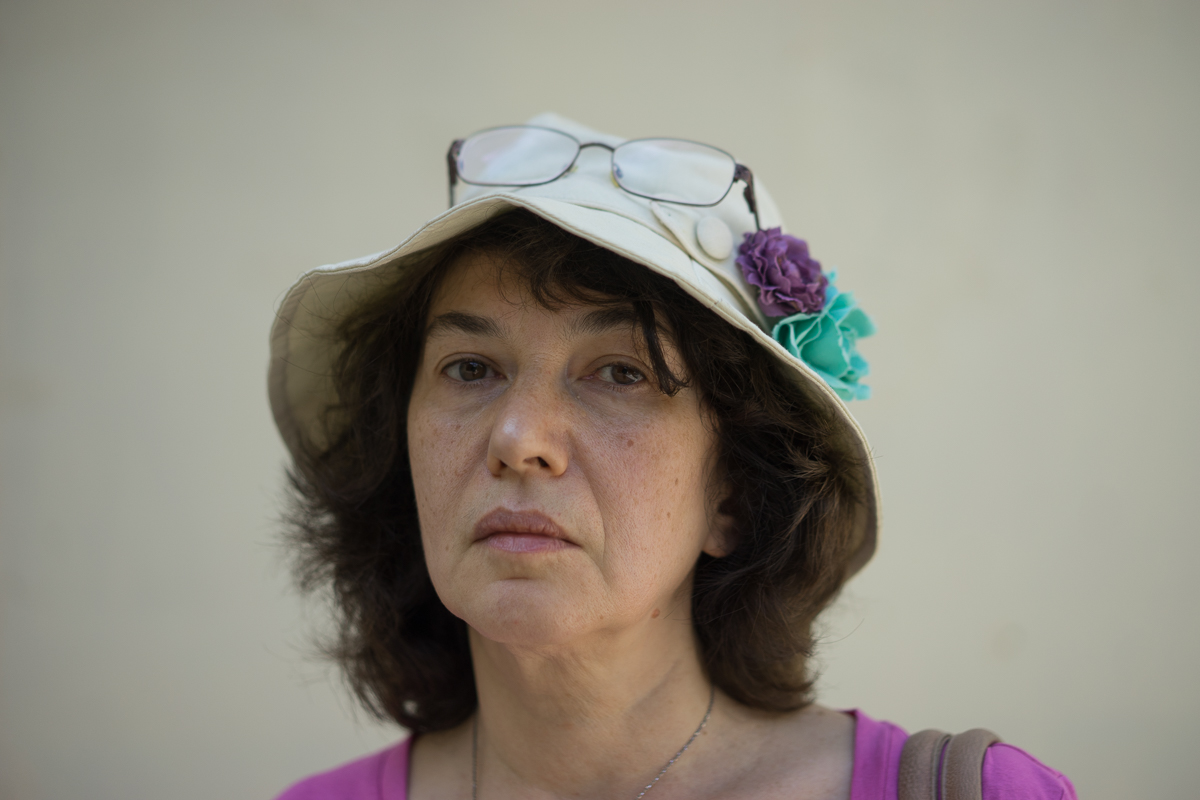 Vera, 56, oil geologist. “We have a problem with infill construction, but our candidate,
 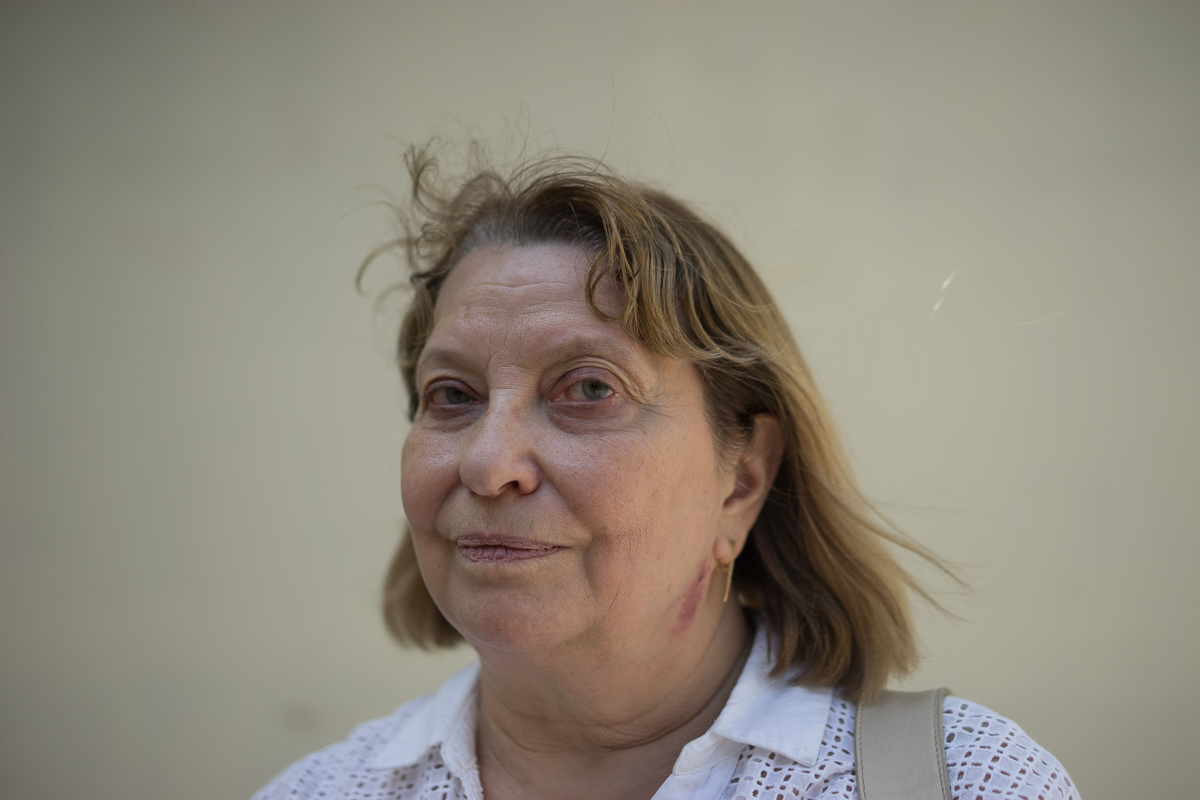 Natalya, 62, manager. “We lived in a nice green neighborhood. I was apolitical, but suddenly we were surrounded by construction sites, fences, sidewalks, and paving stones. They have been expropriating green spaces and cutting down trees. Candidates willing to fight against this are barred from holding political office. My mom is 94 years old. She survived the Siege of Leningrad. She does not leave the house anymore, but she told me I definitely had to come to this rally. Otherwise, she said, my children would live in a police state.”
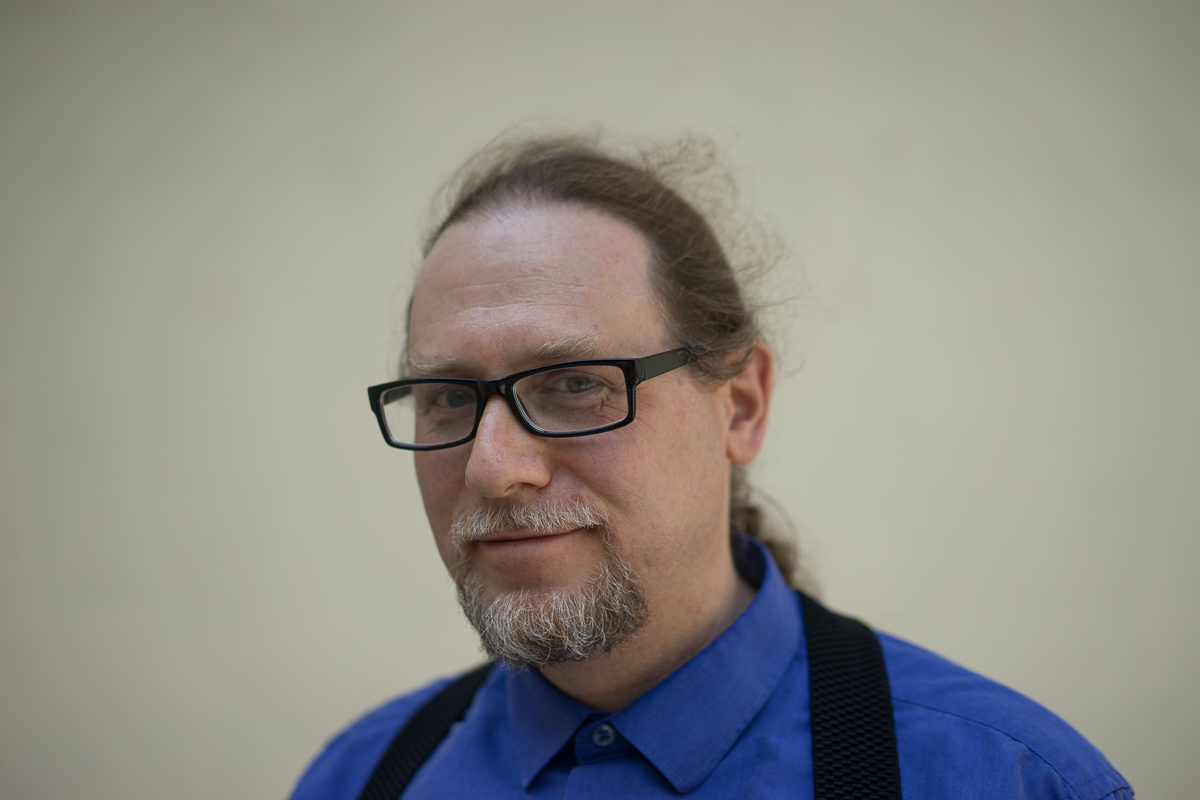 Alexander, 44, activist: “I filed a complaint with the European Court of Human Rights because my building has slated for [Moscow Mayor Sobyanin’s massive residential building]
 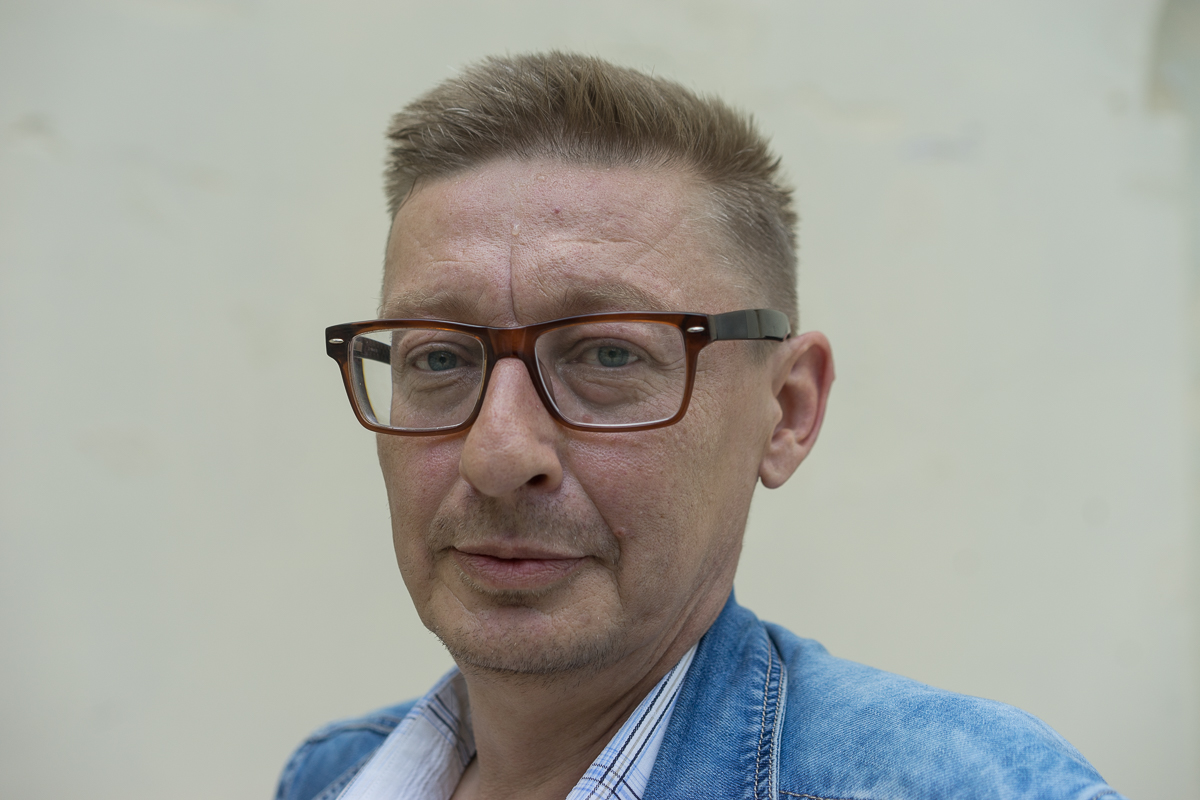 Anatoly, 48, programmer: “I came to the rally as part of a social experiment. I am not much interested in showdowns over who gets on the city council. I have more grudges against the current regime than everyone else here combined, but people are fighting for cosmetic changes. Even if [independent] candidates get on the ballot, I don’t believe improvements will follow. The regime has no feedback from the populace, but I don’t think protest rallies can solve the problem.”
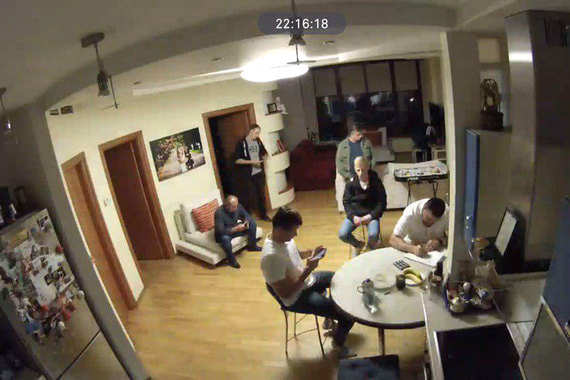 Police searching Dmitry Gudkov’s apartment. Courtesy of Dmitry Gudkov’s Telegram channel and Vedomosti