
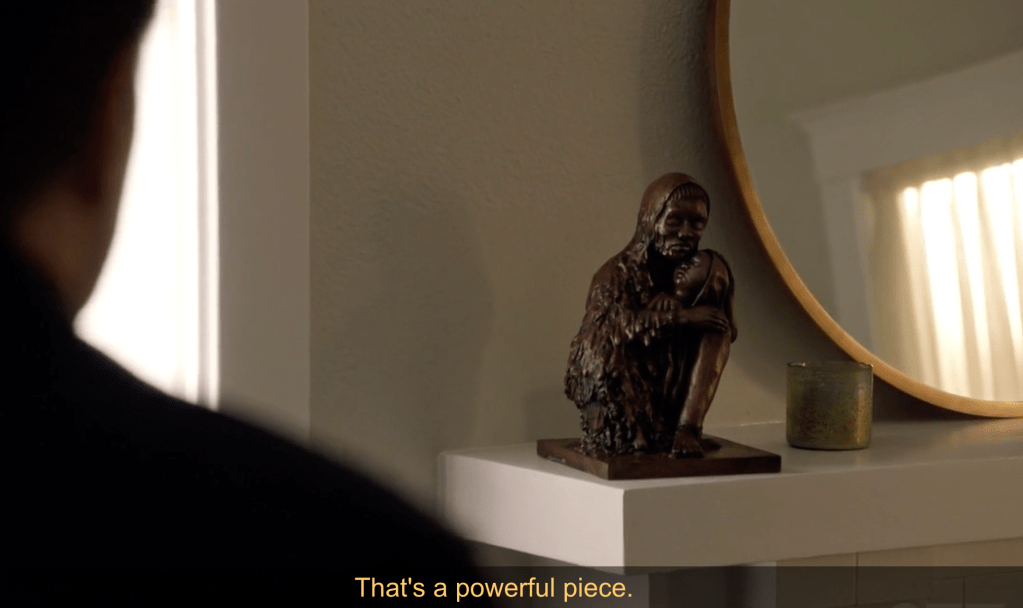
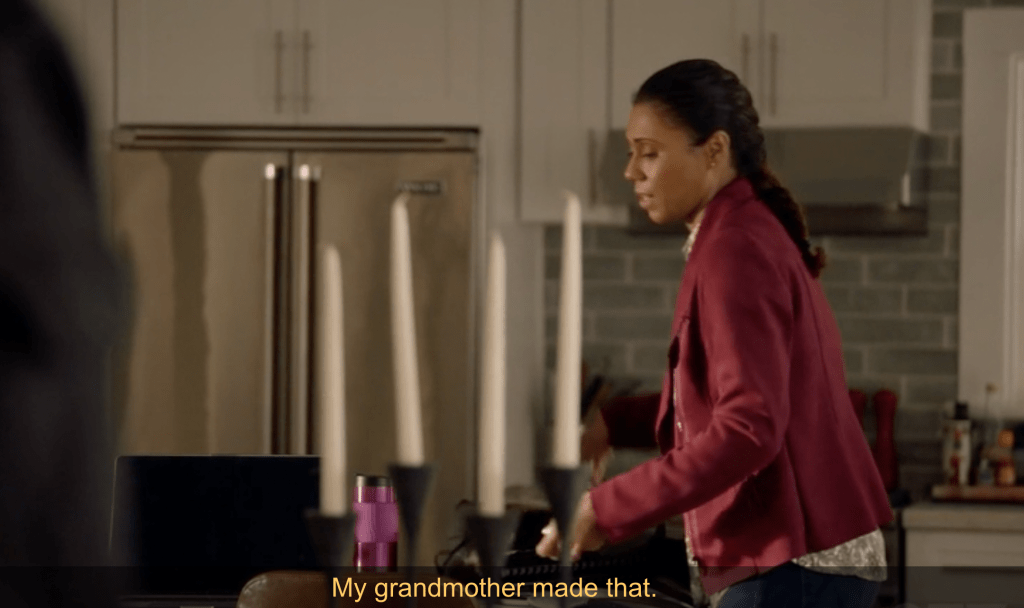


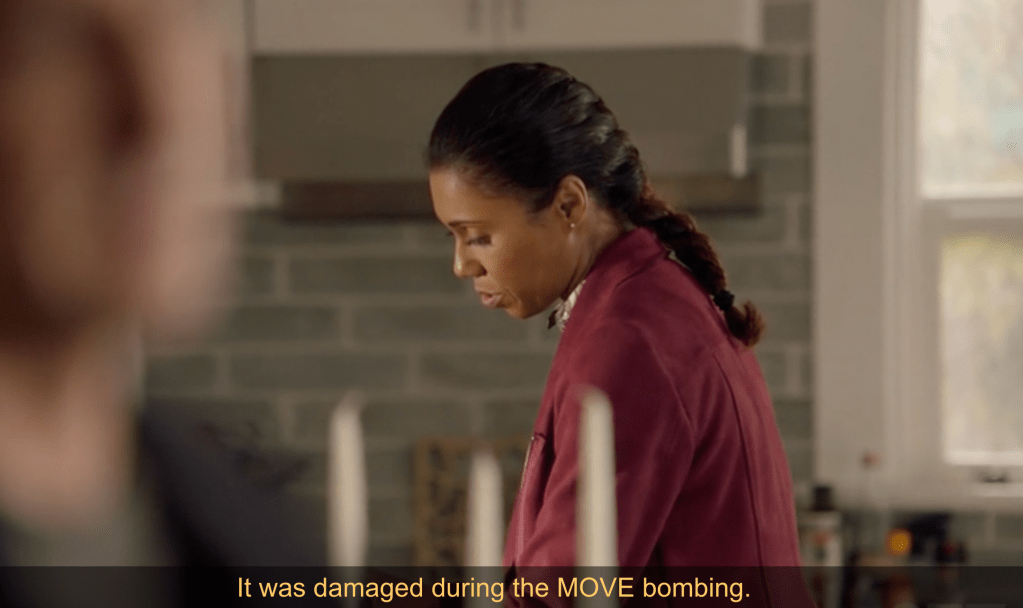
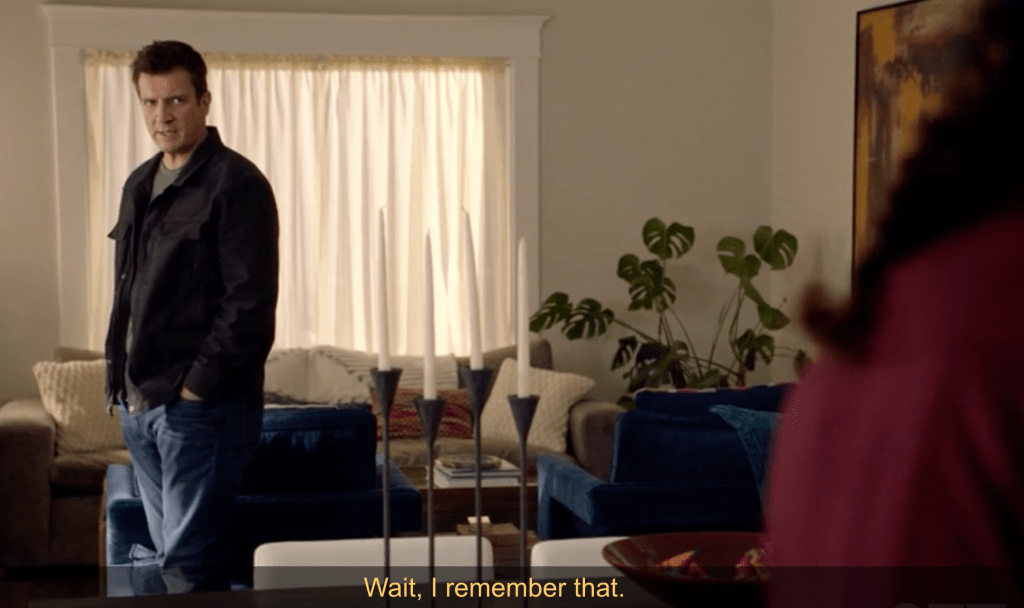


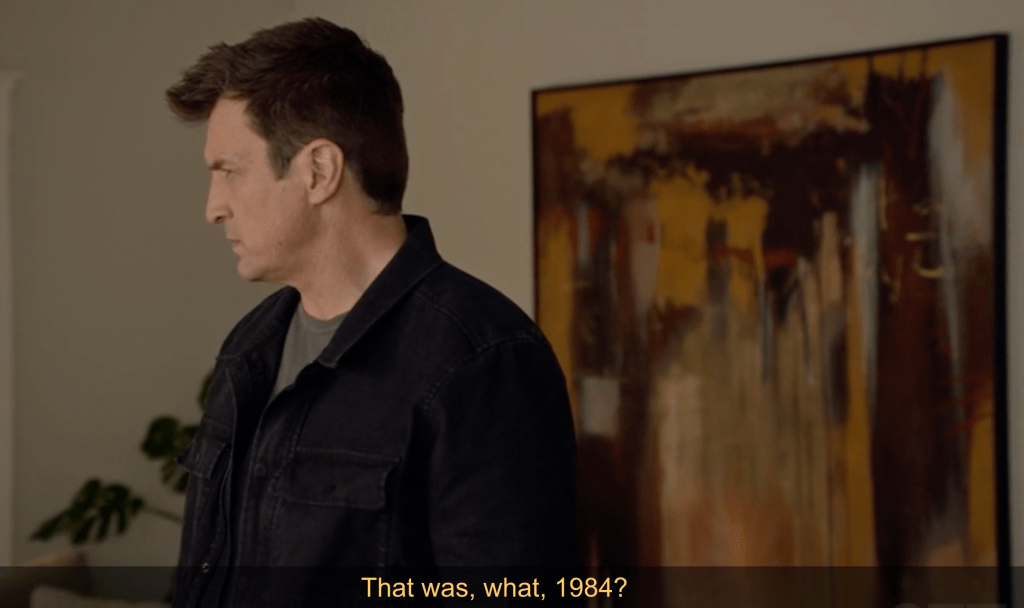
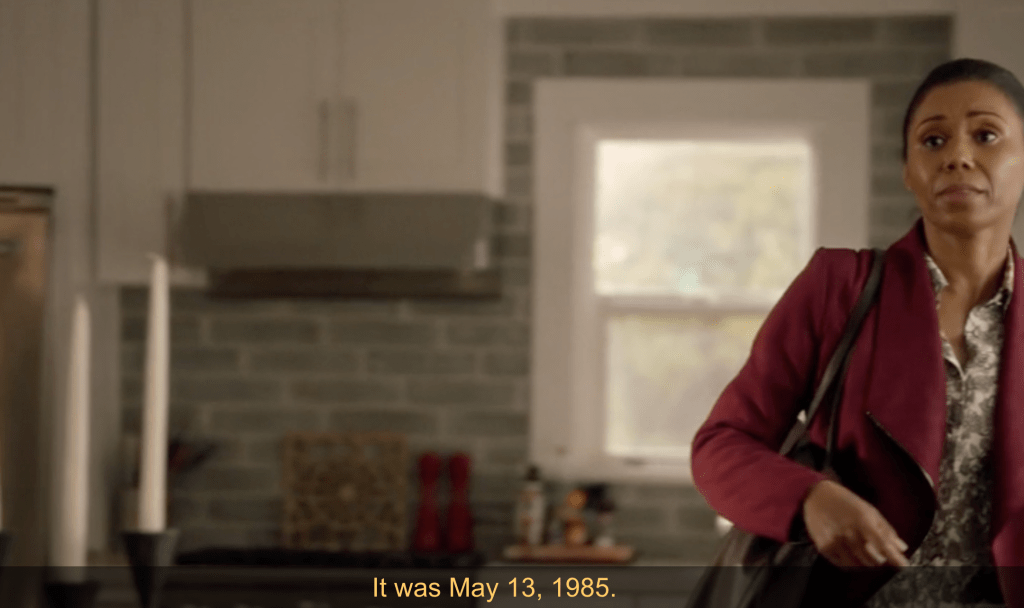
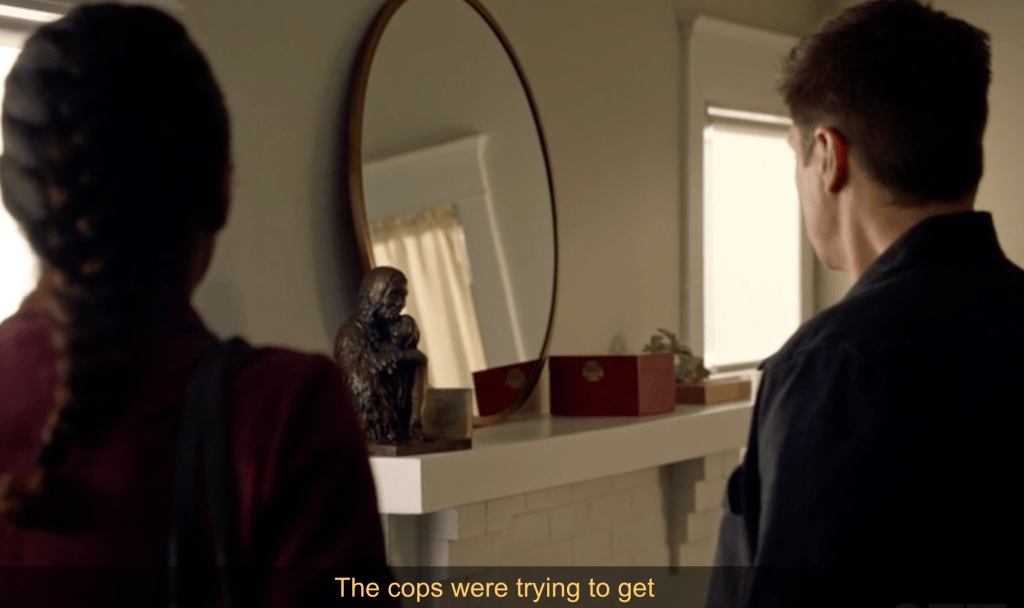

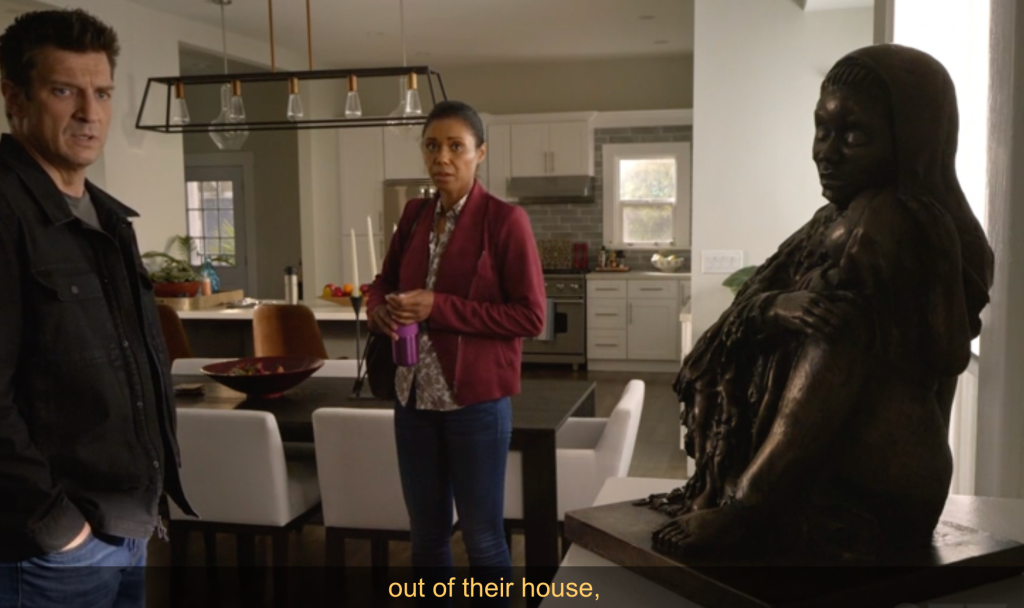
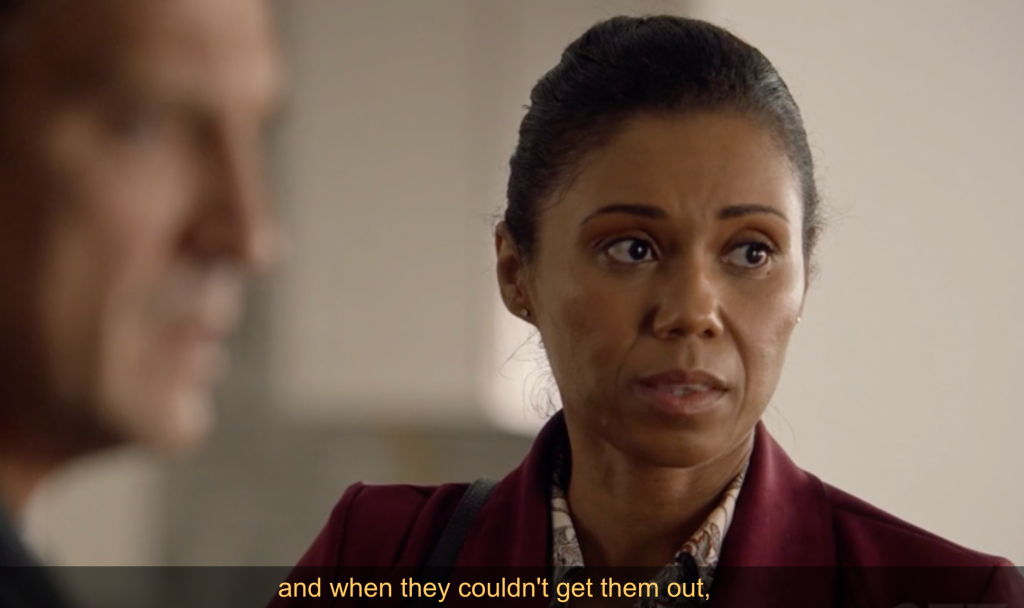

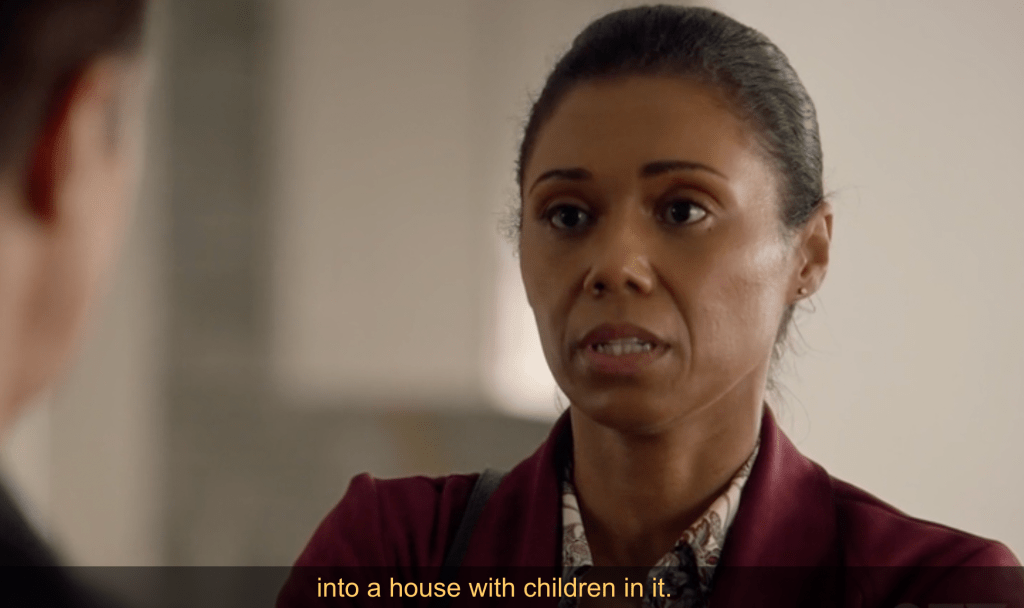
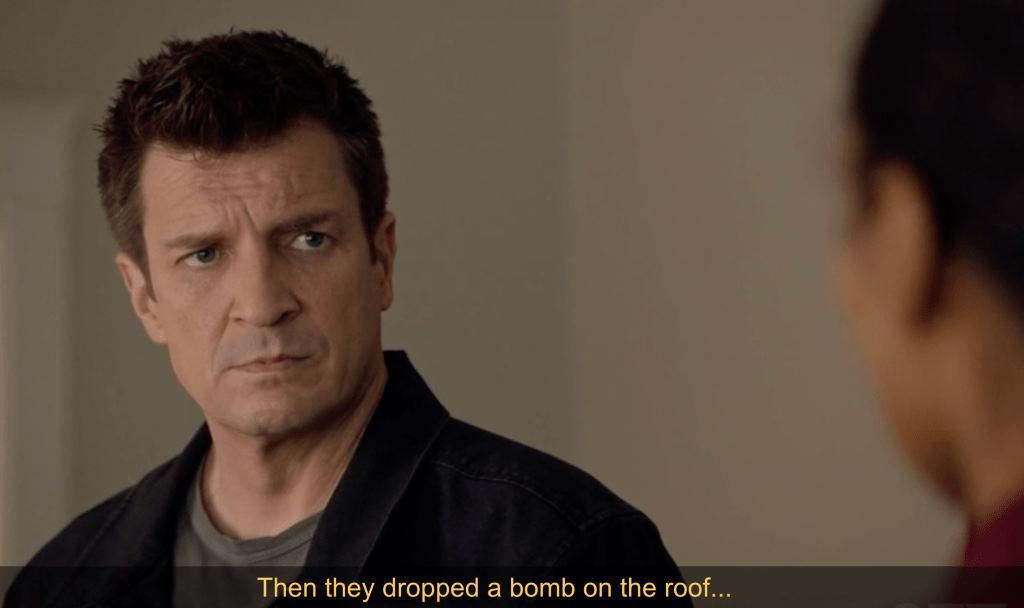
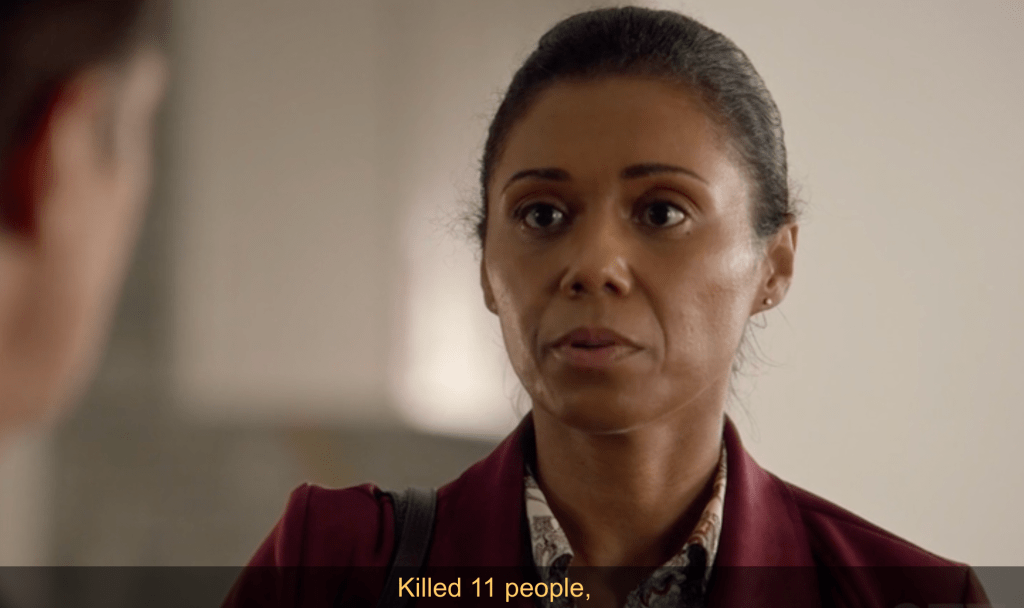
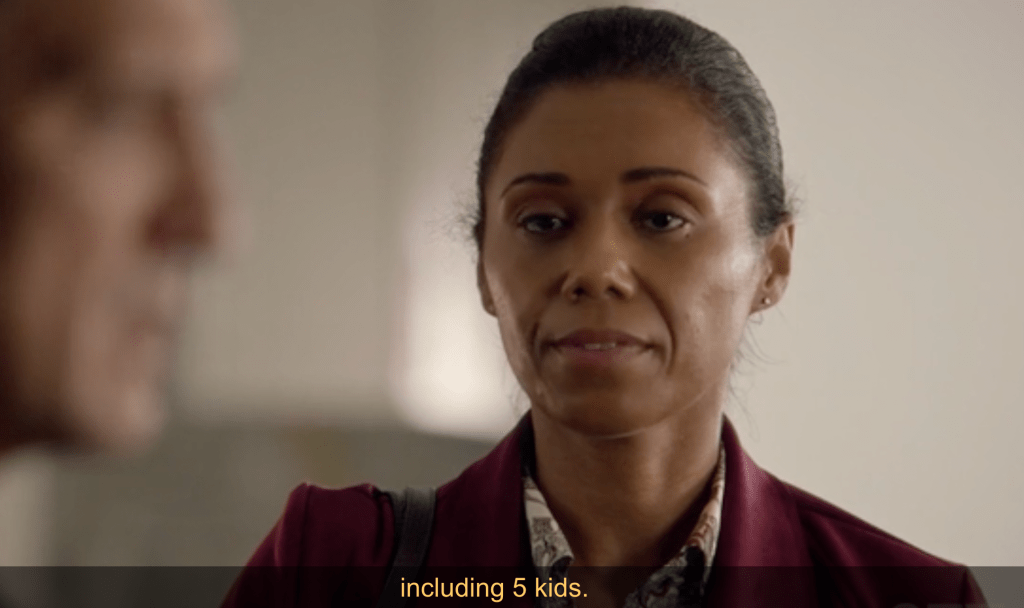
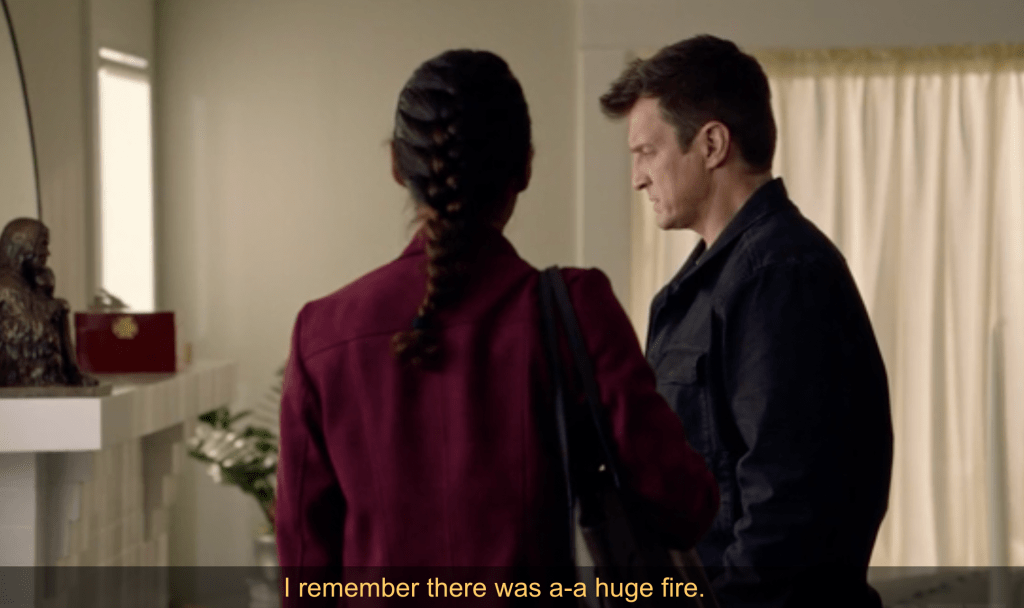
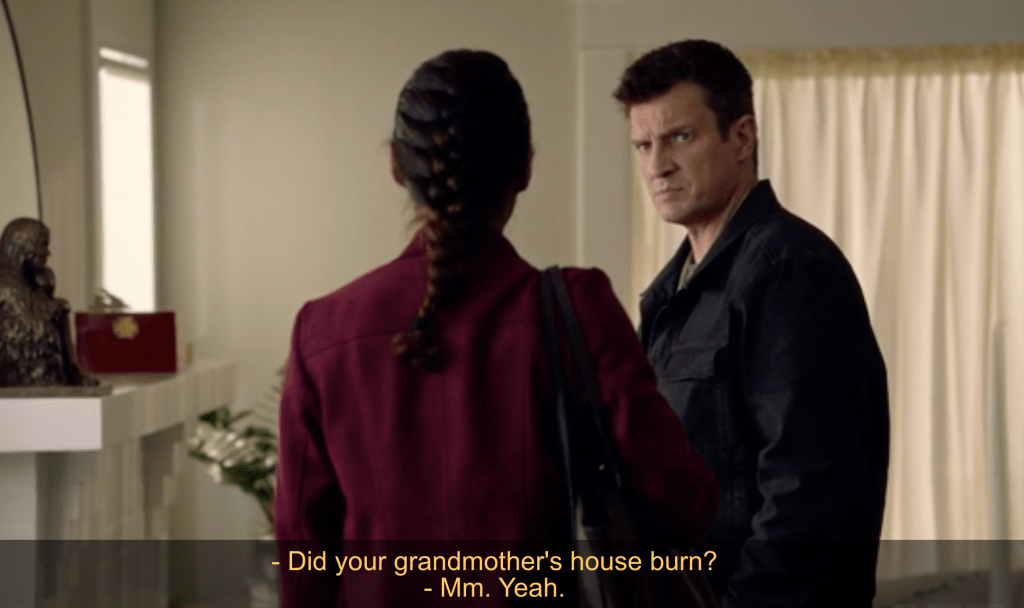
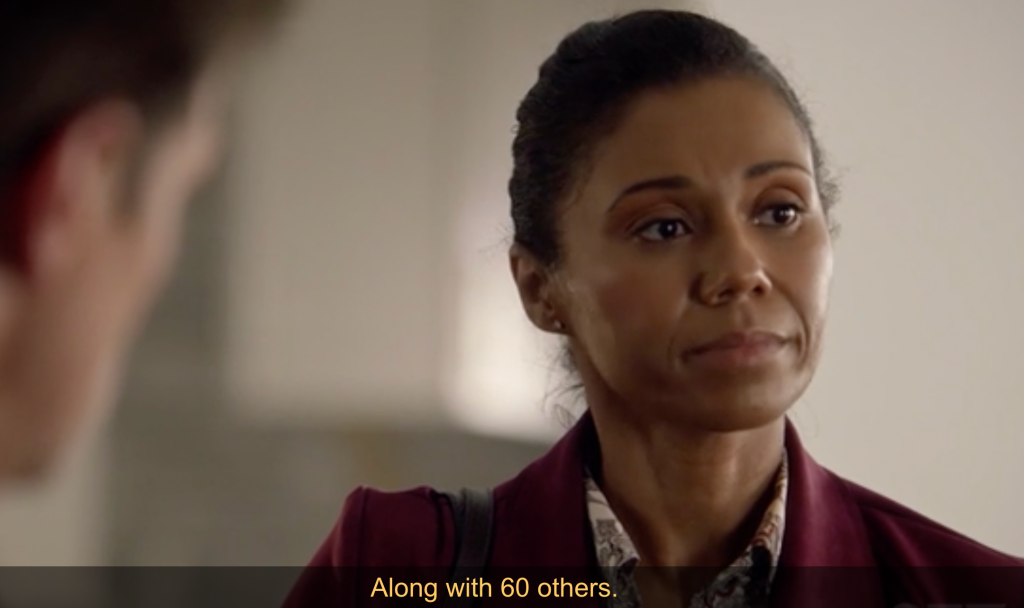


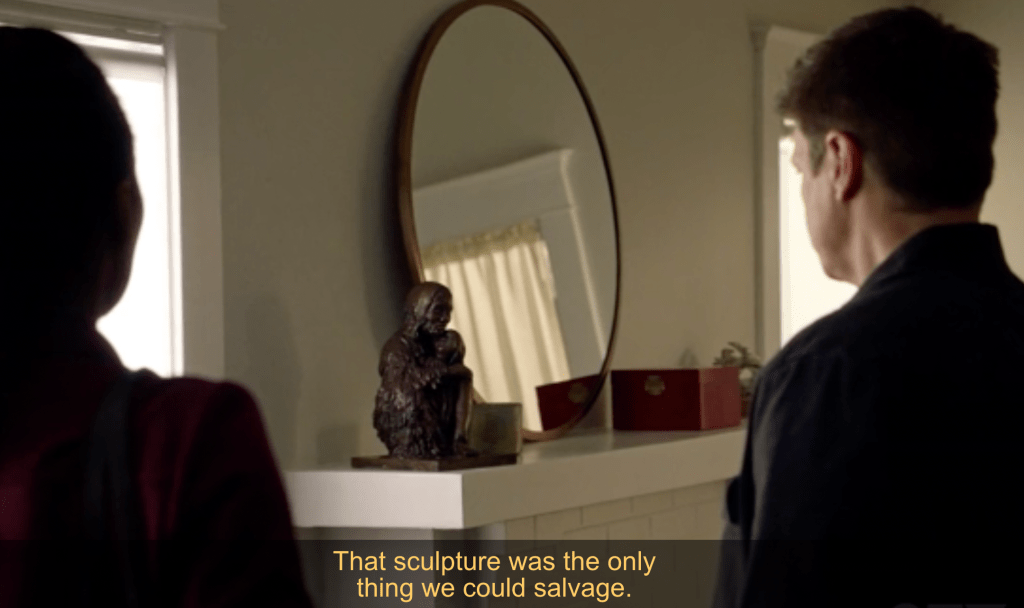
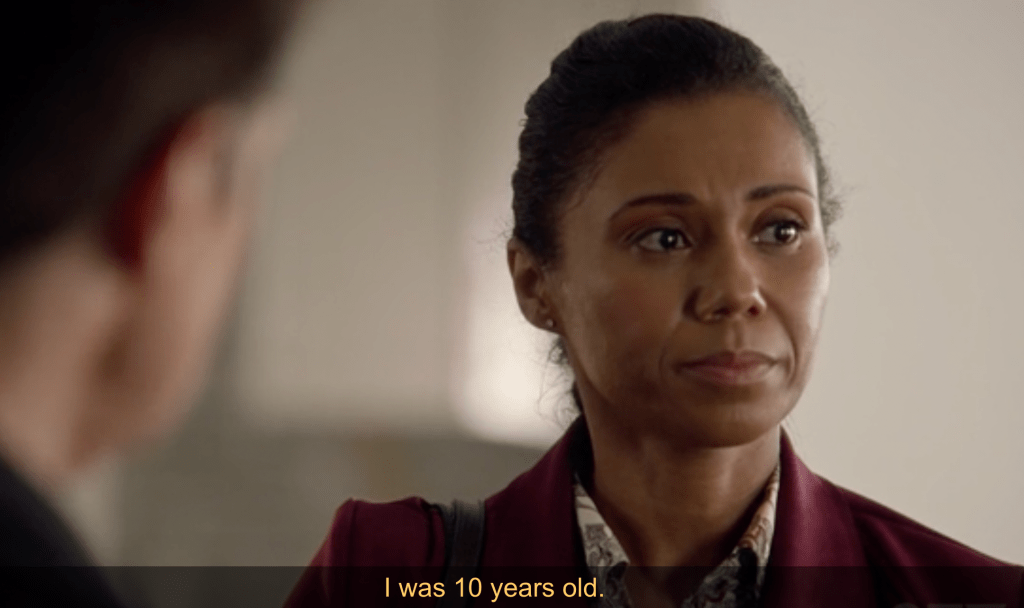
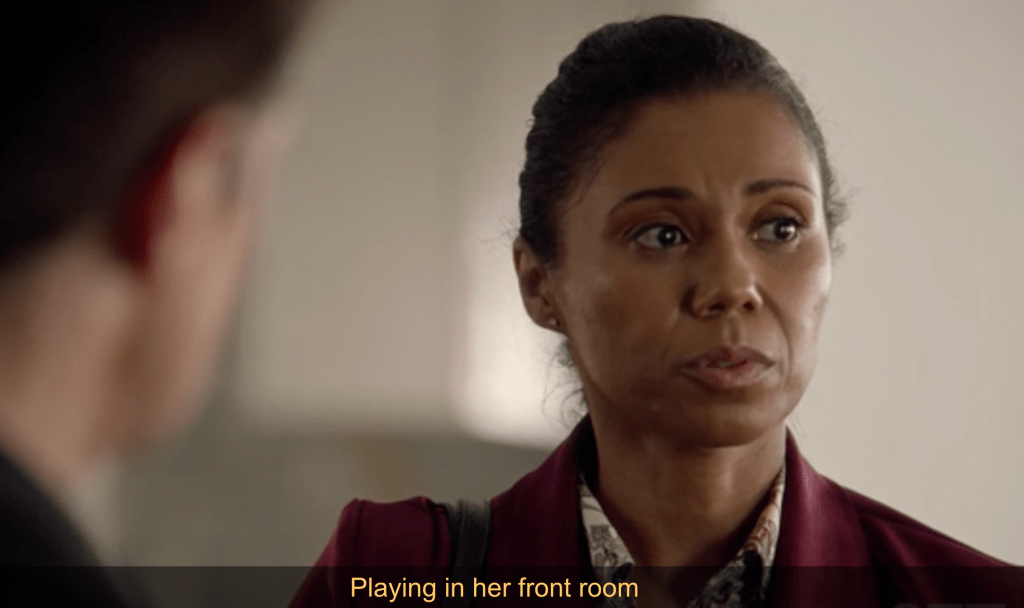

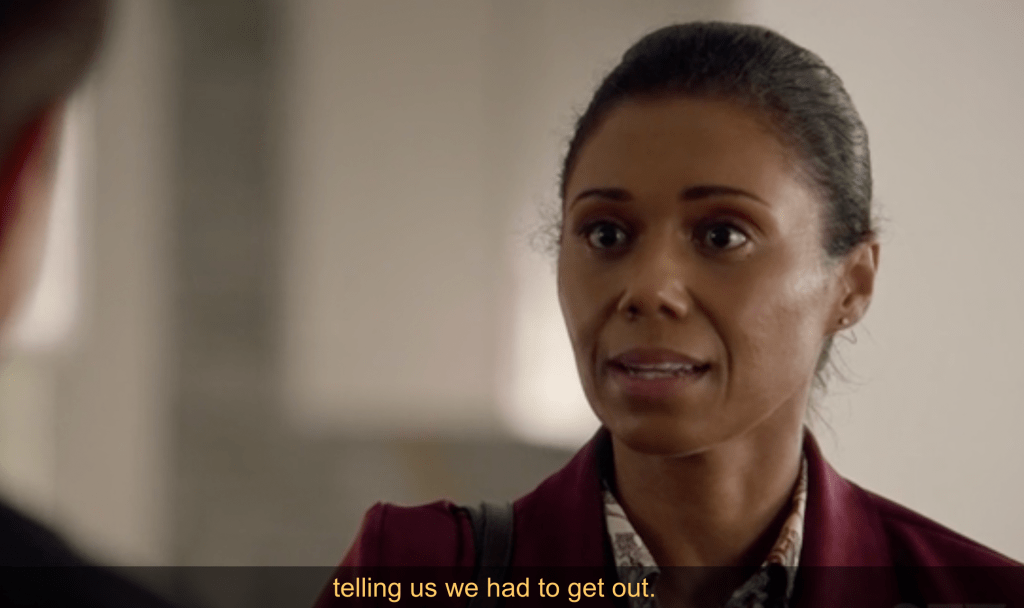
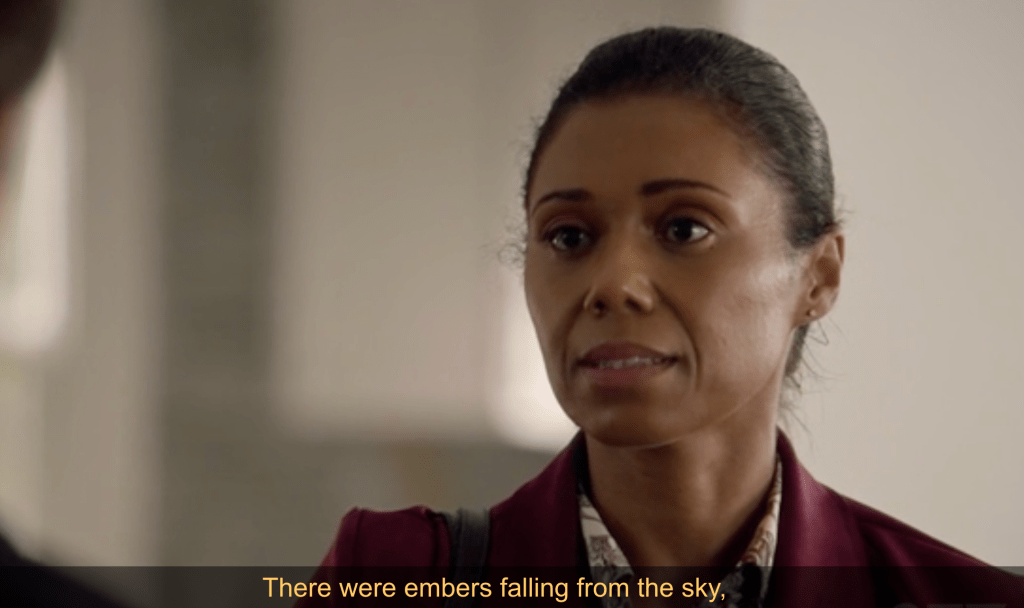


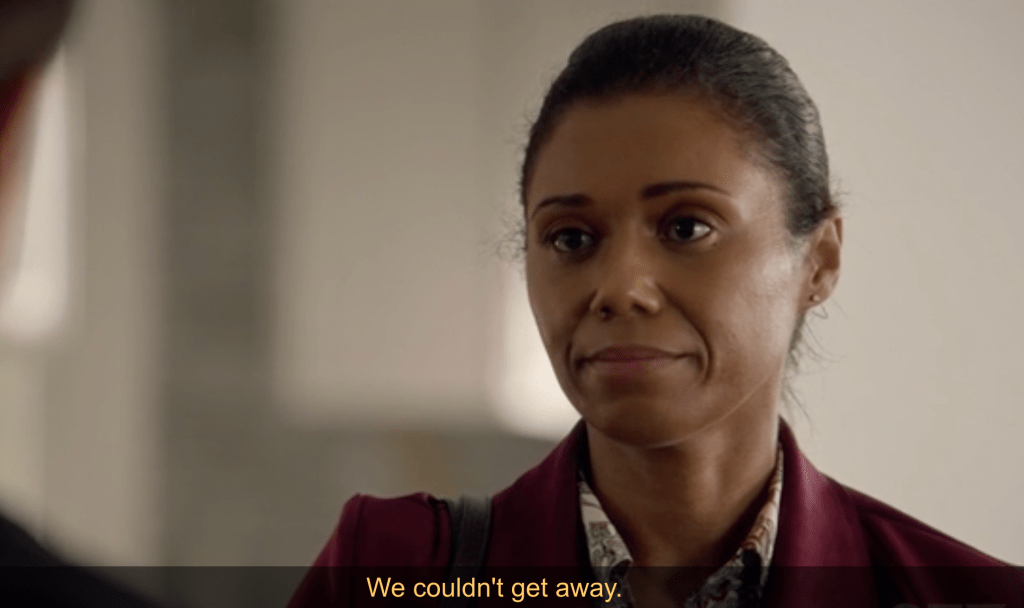
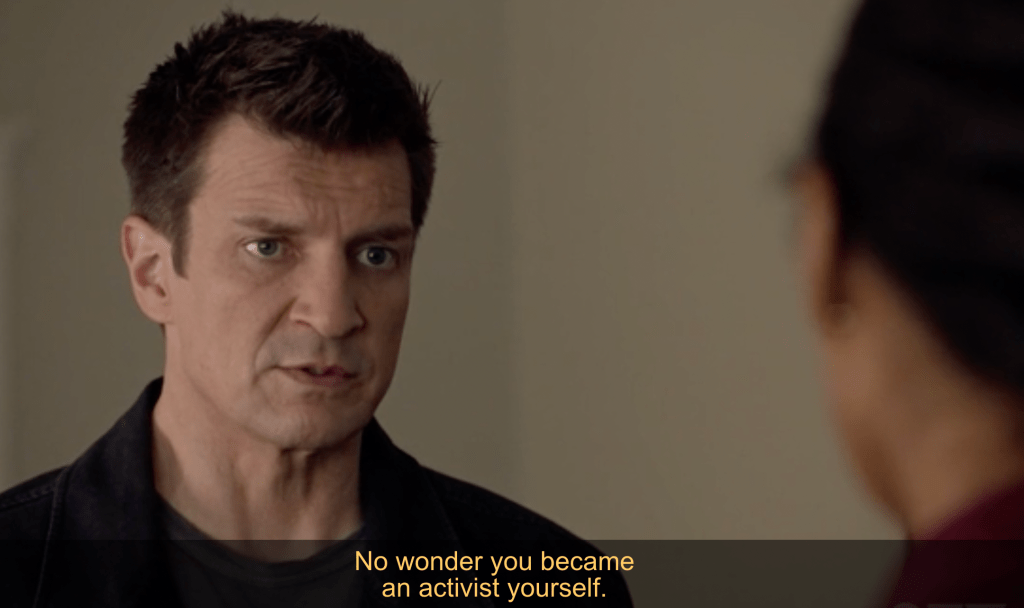
Professor Ryan mentions the events of May 13, 1985. On that day, about 500 police officers arrived at a row house at 6221 Osage Avenue in West Philadelphia to serve arrest warrants against several members of the militant black anarcho-primitivist group MOVE which has been called a terrorist organization by city officials and which had been in conflict with neighbors. After refusing to surrender to police, officers lobbed tear gas into the house and fired more than ten thousand rounds of ammunition in the house with residents returning gunfire. After a long standoff, the police commissioner ordered that the compound be bombed, in part because of fear there was a fortified gun bunker on the roof of the building. Six adults and five children died in the fire that followed.
In the aftermath of the bombing, the police and fire department let fires burn out of control for almost one and a half hours at the order of the Mayor which destroyed sixty-five houses in the neighborhood. Professor Ryan mentions that her grandmother’s house was one of those that was destroyed by these fires.
A commission instituted to investigate the events found that dropping a bomb on an occupied row house was unconscionable. While no one involved was criminally prosecuted, the city was later ordered to pay $1.5 million to the survivors of the bombing and $12.83 million to other residents displaced by the bombing and the fires. In November 2020, the Philadelphia City Council approved a resolution to formally apologize for the MOVE bombing.
Source: “New Blood” (The Rookie, S3.E11; aired 18 April 2021), IMDb
Social media photo via Important Stories
The Russian authorities plan to hold “elections” in the parts of Ukraine they have annexed—the parts of Kherson and Zaporizhzhia regions held by Russia, and the so-called people’s republics of Donetsk and Luhansk—on September 8–10. The “lawmakers” elected to the parliaments thus formed will appoint the heads of the regions and municipalities. Local residents will play no part in this process.
The “elections” will be held on the basis of party lists, which Important Stories and the Conflict Intelligence Team (CIT) perused together. On those lists we found collaborators, acting members of the Russian State Duma, corrupt officials, and even mobilized men. For example,
- One of the candidates is State Duma member Igor Kastyukevich, who is running as United Russia’s number two candidate in the elections in the Kherson region. Kastyukevich has been implicated in the deportation of Ukrainian children to Russia. A year ago, he recounted how he had assisted in moving over fifty children from the Kherson Children’s Home to Crimea.
- Roman Batrshin, the appointed head of the Zaporozhzhia regional court, is running for the Zaporizhzhia regional duma. Previously, Batrshin was acting head of the Smolensk court. He became a “local” in the occupied region quite recently.
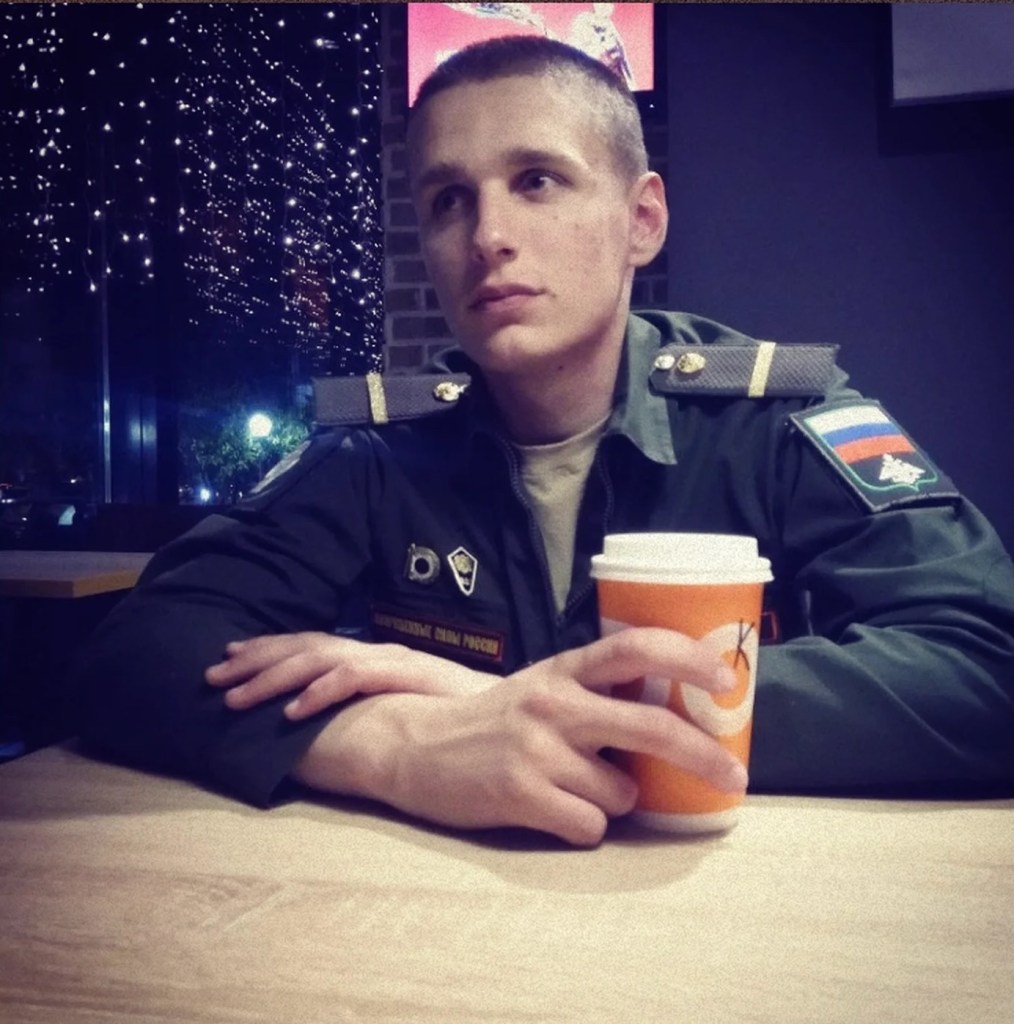
When our correspondent called Batrshin’s number, the voice on the other end of the line sounded like Batrshin’s. When asked about the elections he said, “It’s not me you’re talking to. He’s not here.” - Among them is Daniil Bazel, a 23-year-old mobilized soldier. In Moscow, he worked in the one of the arms of the Russian National Guard, but is now trying his hand at entering the Zaporizhzhia regional “parliament.”
“I’ve decided to run because I’ve come to like the region a lot,” Bazel told Important Stories. “It has to be developed. I myself am a mobilized soldier. I spent eleven months in Zaporizhzhia and and now I am directly performing tasks related to the service in the Zaporozhzhia region [sic]. I saw it all from the inside and I wanted to help fix everything.” - It is apparent from the candidate lists that the main problem faced by the organizers of the “elections” was finding people willing to run. Thus, 27% of LDPR’s candidates are pensioners and housewives far removed from politics, while such people make up nearly half of the candidates on the CPRF and A Just Russia lists.
- LDPR is also running several serial candidates, that is, people who have run in dozens of elections at various levels but who have never once been elected. But there is one federal politician on the LDPR list—party chair Leonid Slutsky, who is running simultaneously in all four occupied regions.
Source: Important Stories, email newsletter, 28 August 2023. Translated by the Russian Reader
The General Radio Frequency Center, which is subordinate to Roskomnadzor, and the company Crib Room, which develops solutions for locating and analyzing destructive content on the internet, have drafted a white paper entitled “Russia’s Gaming Industry.” The authorities see online gaming communities as a channel for communicating with young people and “a tool for state information influence on society.” According to the paper, the state can use games “to promote political ideas, brands and attitudes among young people,” which may require the development of technological tools for working with gaming communities.
Market participants note that the authorities’ growing interest in the industry creates problems for companies negotiating with foreign studios to launch games in Russia. Foreign companies do not want to deal with excessive regulation and censorship. “The Russian market is already small in global terms, and foreign studios were beginning to restore a cautious interest in it, but [the Russian authorities] are trying to regulate it rigidly, while the economic feasibility of such an approach is not broached by the people behind the initiative,” stresses Vasily Ovchinnikov, CEO of VIDO [the Videogame Industry Development Organization].
Source: Moscow Times Russian Service, daily email newsletter, 28 August 2023. Translated by the Russian Reader