
Рабство – система общественных взаимоотношений, при которой допускается нахождение человека (раба) в собственности у другого человека (господина, рабовладельца, хозяина) или государства.
Примеры:
1. Но сторонники отмены рабства, яростные аболюционисты, охваченные пуританским пылом, не желали замечать этих очевидных перемен.
2. Понадобилось сорок лет, чтобы из людей, вышедших из египетского рабства, естественным образом ушло поколение тех, чьи руки были запачканы пролитием крови.
Источник: Андрей Кузнецов, Тематический словарь по русскому языку. Издание для иностранных студентов, “Издательские решения”, 2019, с. 146
Slavery: a system of social relations in which a person (a slave) can be owned by another person (master, slave owner, proprietor) or by the state.
Examples:
- But gripped by puritan fervor, the proponents of abolishing slavery, the rabid abolitionists, were unwilling to see this obvious change.
- It took forty years for the generation of those whose hands had been stained by the shedding of blood to naturally pass away amongst the people who had emerged from Egyptian slavery.
Source: Andrei Kuznetsov, Thematic Dictionary of the Russian Language: Edition for Foreign Students (Publishing Solutions, 2019), p. 146
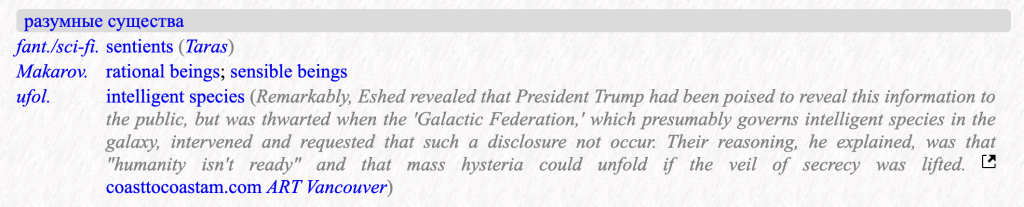
Source: Multitran

Source: screenshot of an ad on social media

